Breakthrough Prize in Fundamental Physics
Science Awards
Active
| Name | Breakthrough Prize |
|---|---|
| Type | Science Awards |
| Award For | Outstanding contributions in life sciences, fundamental physics, and mathematics |
| Award By | Breakthrough Prize Organization |
| First | 2012 |
| Last | 5th April 2025 |
| Status | Active |
About Breakthrough Prize in Fundamental Physics
The Breakthrough Prize in Fundamental Physics was founded in 2012 by Yuri Milner to recognize those individuals who have made profound contributions to human knowledge. It is open to all physicists – theoretical, mathematical, experimental – working on the deepest mysteries of the Universe.One Breakthrough Prize in Fundamental Physics is given each year. The winner receives $3 million. The prize can be split between two or more scientists.
Breakthrough Prize in Fundamental Physics Winners List
This Winners List features 48 winners of the Breakthrough Prize in Fundamental Physics, from 2012 to 2025.
| Image | Year | Winner Name | Country | Disciplines | |
|---|---|---|---|---|---|
|
2025 |
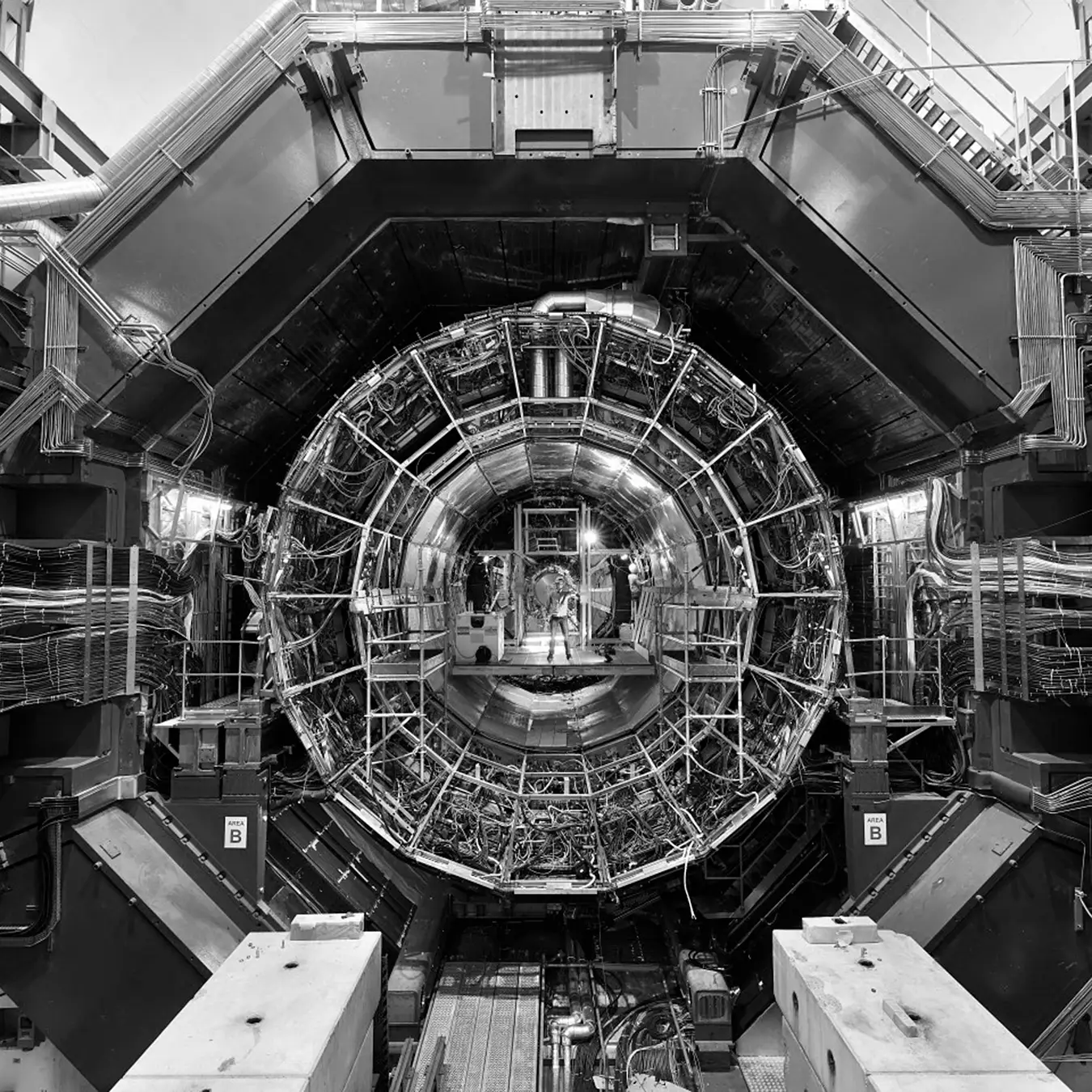
ALICE Collaboration Team
|
Switzerland | Fundamental Physics | |
|
ALICE Collaboration Team won the Breakthrough Prize in Fundamental Physics For detailed measurements of Higgs boson properties confirming the symmetry-breaking mechanism of mass generation, the discovery of new strongly interacting particles, the study of rare processes and matter-antimatter asymmetry, and the exploration of nature at the shortest distances and most extreme conditions at CERN’s Large Hadron Collider.
|
|||||
|
2025 |
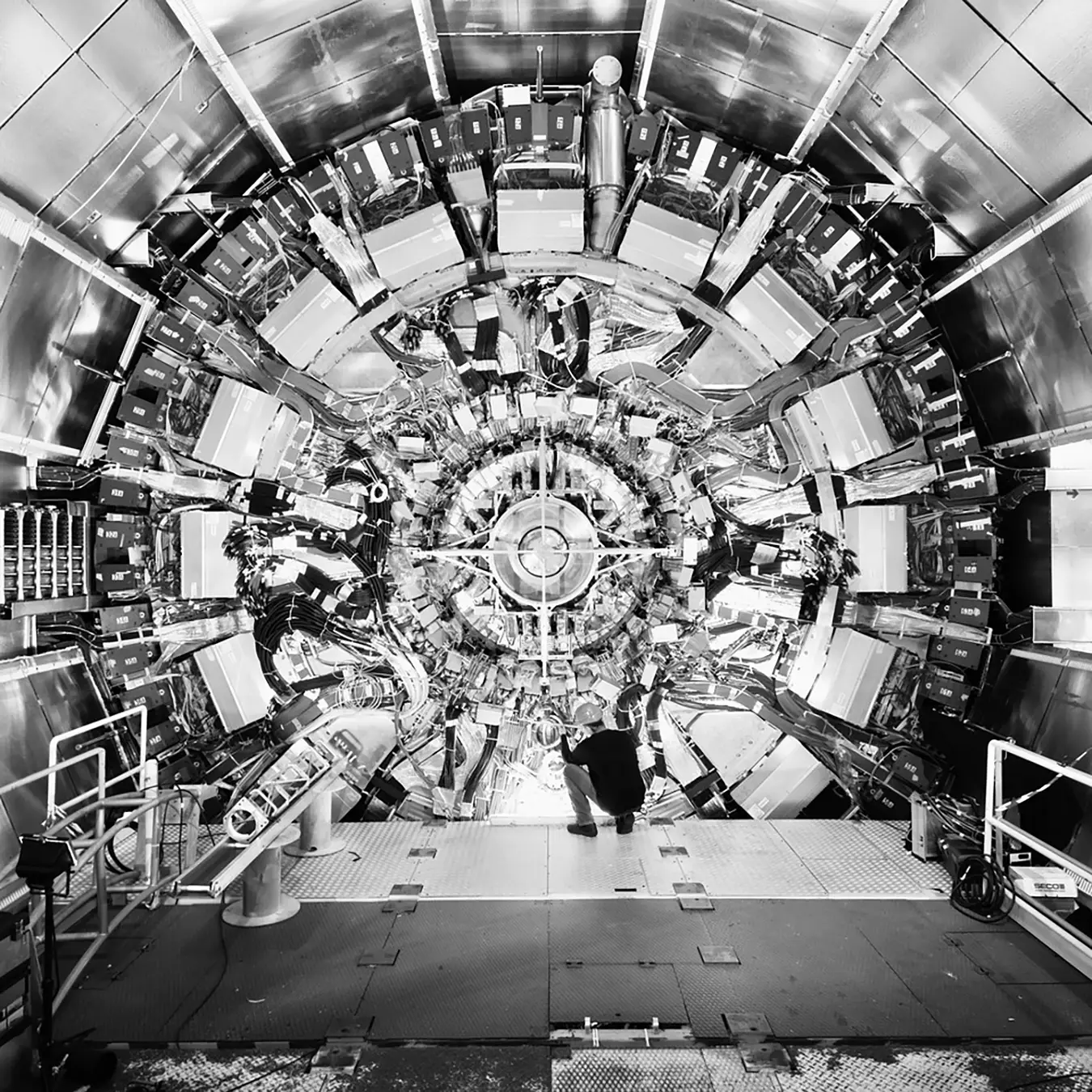
ATLAS Collaboration Team
|
Switzerland | Fundamental Physics | |
|
ATLAS Collaboration Team won the Breakthrough Prize in Fundamental Physics For detailed measurements of Higgs boson properties confirming the symmetry-breaking mechanism of mass generation, the discovery of new strongly interacting particles, the study of rare processes and matter-antimatter asymmetry, and the exploration of nature at the shortest distances and most extreme conditions at CERN’s Large Hadron Collider.
|
|||||
|
2025 |
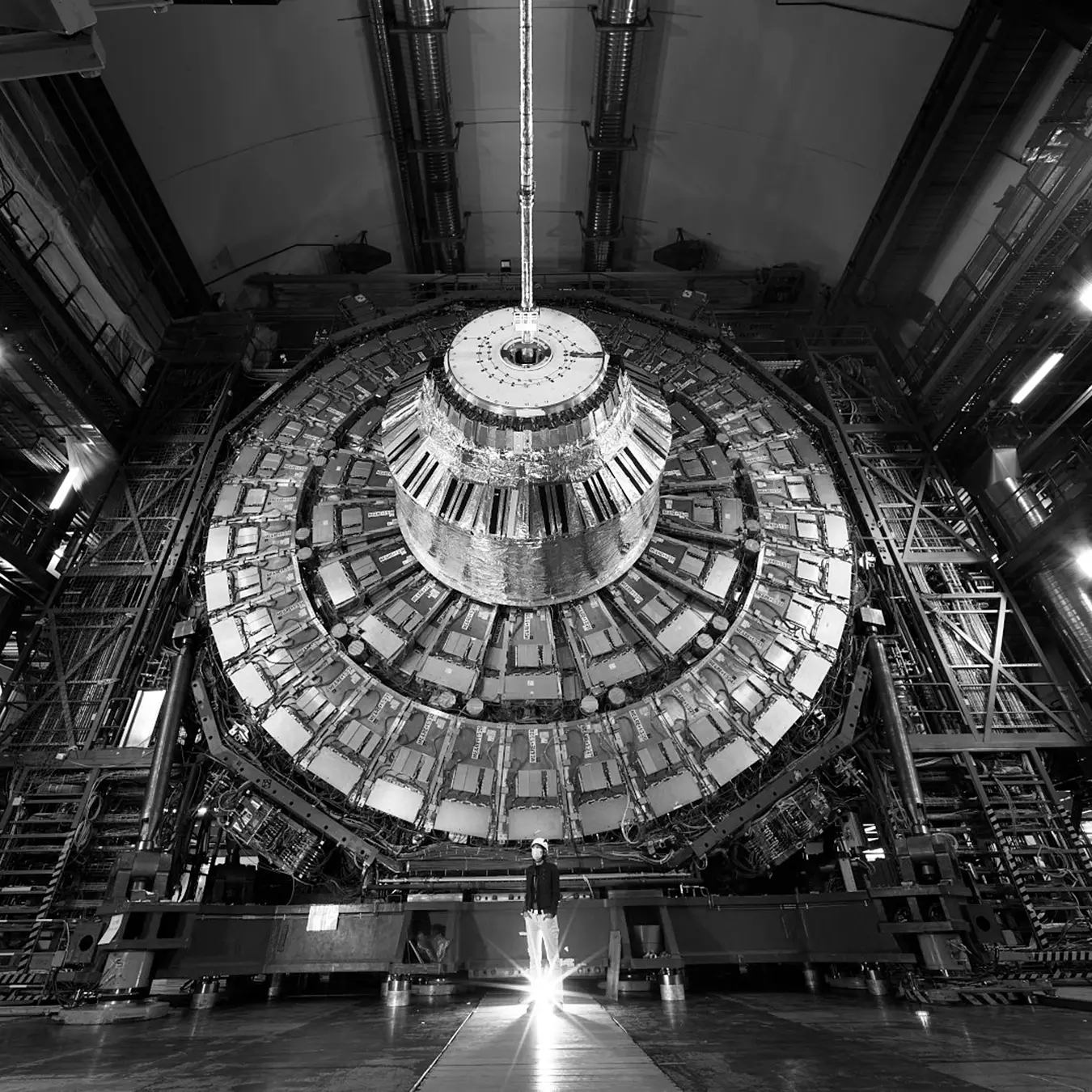
CMS Collaboration Team
|
Switzerland | Fundamental Physics | |
|
CMS Collaboration Team won the Breakthrough Prize in Fundamental Physics For detailed measurements of Higgs boson properties confirming the symmetry-breaking mechanism of mass generation, the discovery of new strongly interacting particles, the study of rare processes and matter-antimatter asymmetry, and the exploration of nature at the shortest distances and most extreme conditions at CERN’s Large Hadron Collider.
|
|||||
|
2025 |
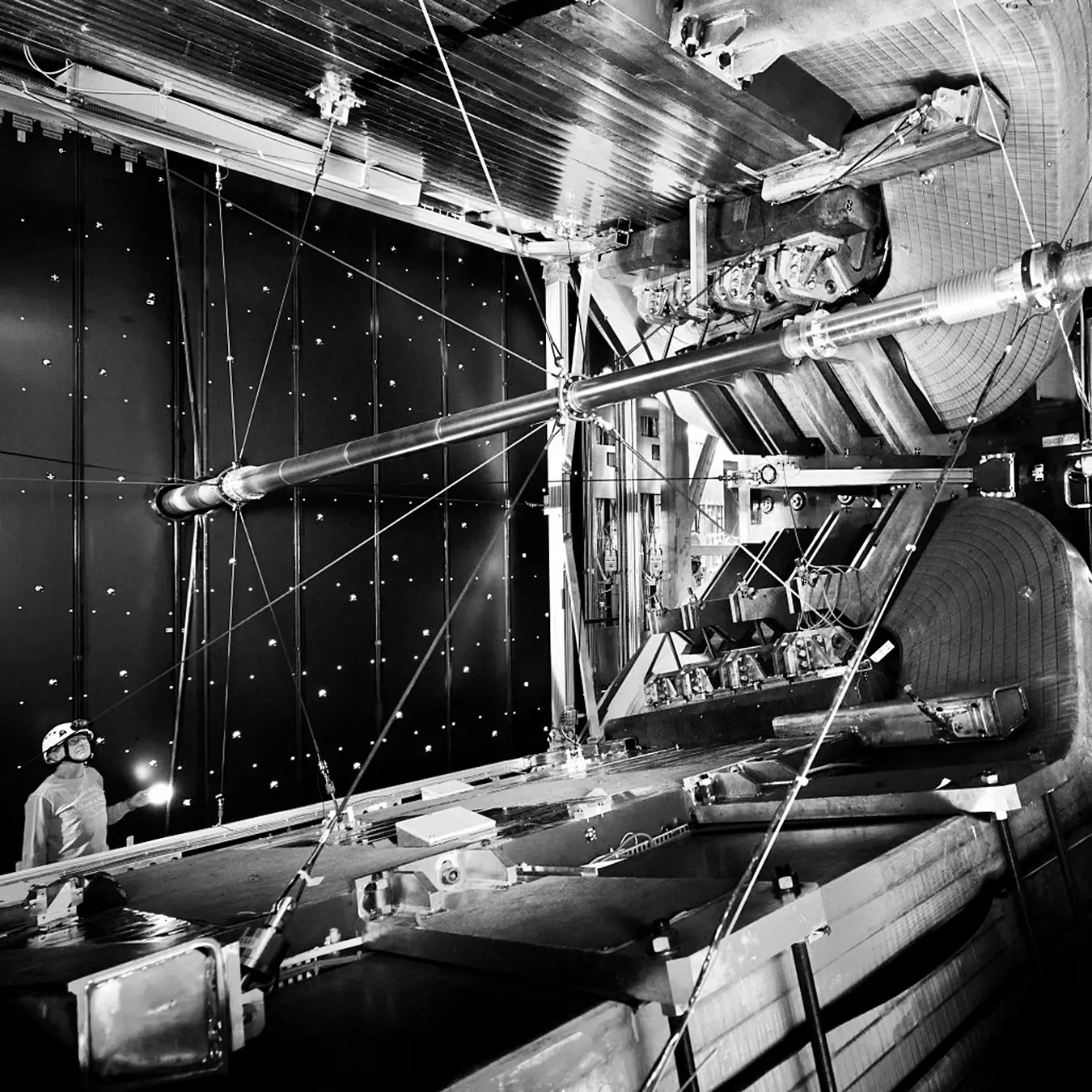
LHCb Collaboration Team
|
Switzerland | Fundamental Physics | |
|
LHCb Collaboration Team won the Breakthrough Prize in Fundamental Physics For detailed measurements of Higgs boson properties confirming the symmetry-breaking mechanism of mass generation, the discovery of new strongly interacting particles, the study of rare processes and matter-antimatter asymmetry, and the exploration of nature at the shortest distances and most extreme conditions at CERN’s Large Hadron Collider.
|
|||||
|
2024 |
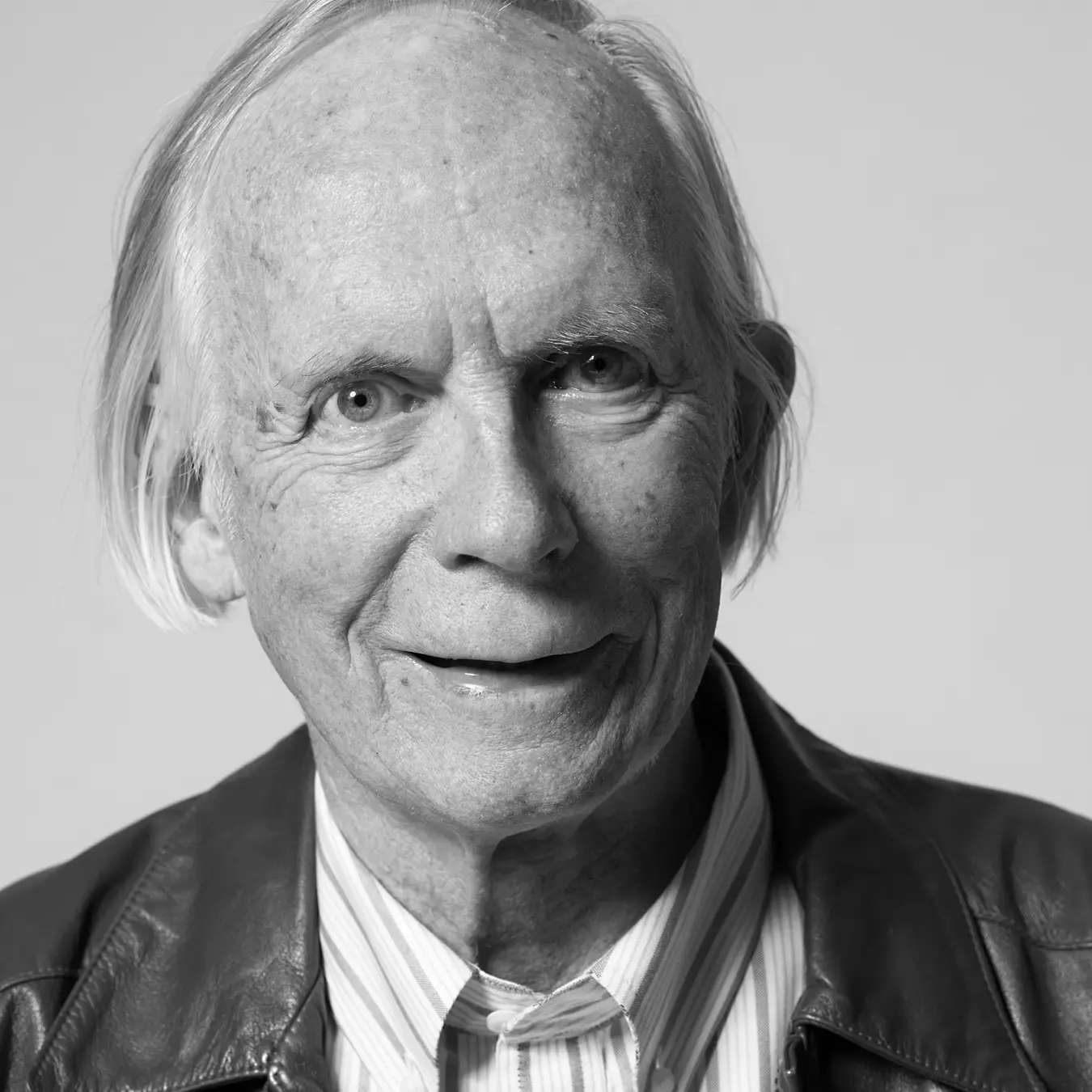
John Cardy
|
United Kingdom, United States | Fundamental Physics | |
|
John Cardy won the Breakthrough Prize in Fundamental Physics For profound contributions to statistical physics and quantum field theory, with diverse and far-reaching applications in different branches of physics and mathematics.
|
|||||
|
2024 |
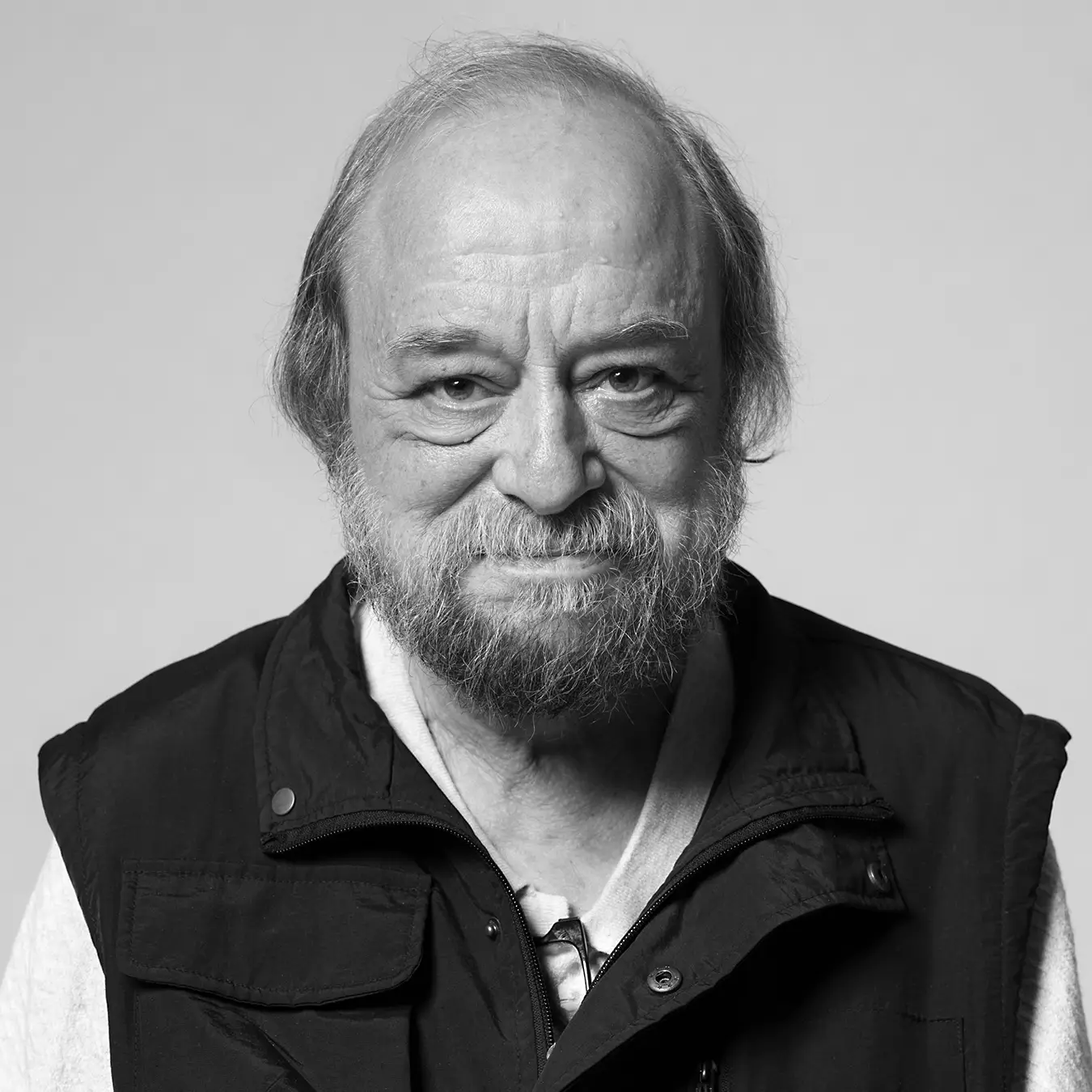
Alexander Zamolodchikov
|
Russia, United States | Fundamental Physics | |
|
Alexander Zamolodchikov won the Breakthrough Prize in Fundamental Physics For profound contributions to statistical physics and quantum field theory, with diverse and far-reaching applications in different branches of physics and mathematics.
|
|||||
|
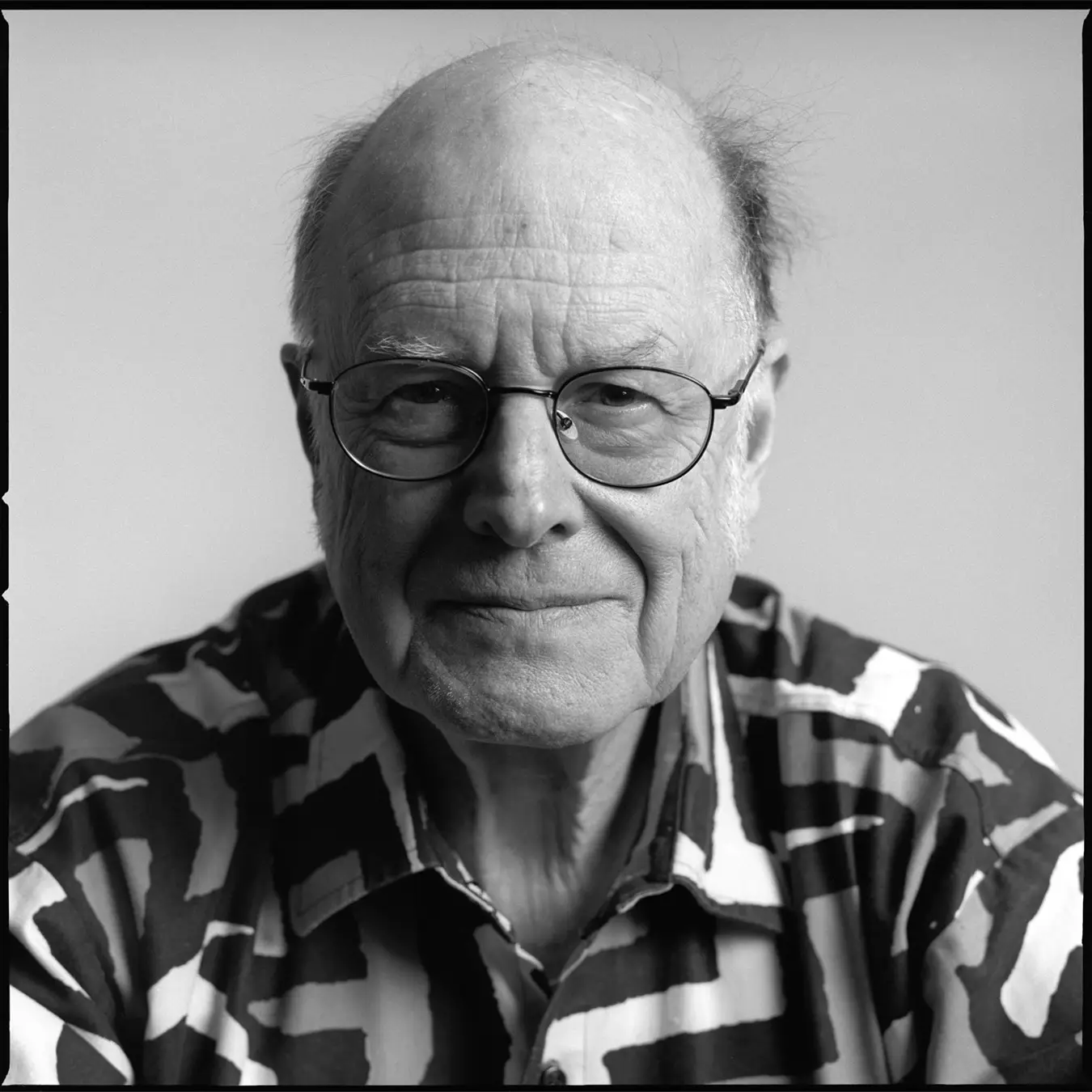
2023 |
Charles H. Bennett
|
United States | Fundamental Physics | |
|
Charles H. Bennett won the Breakthrough Prize in Fundamental Physics For foundational work in the field of quantum information.
|
|||||
|
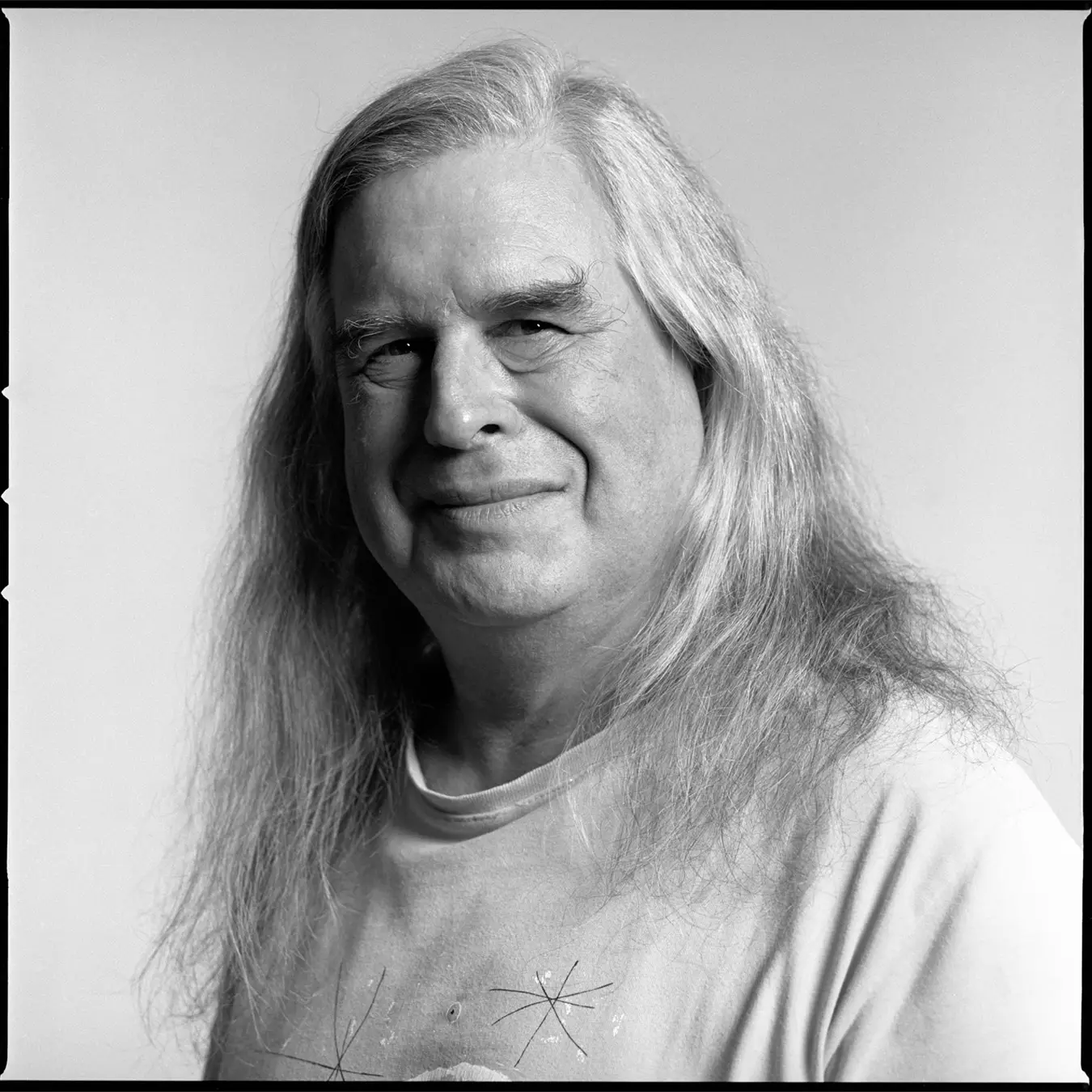
2023 |
Gilles Brassard
|
Canada | Fundamental Physics | |
|
Gilles Brassard won the Breakthrough Prize in Fundamental Physics For foundational work in the field of quantum information.
|
|||||
|
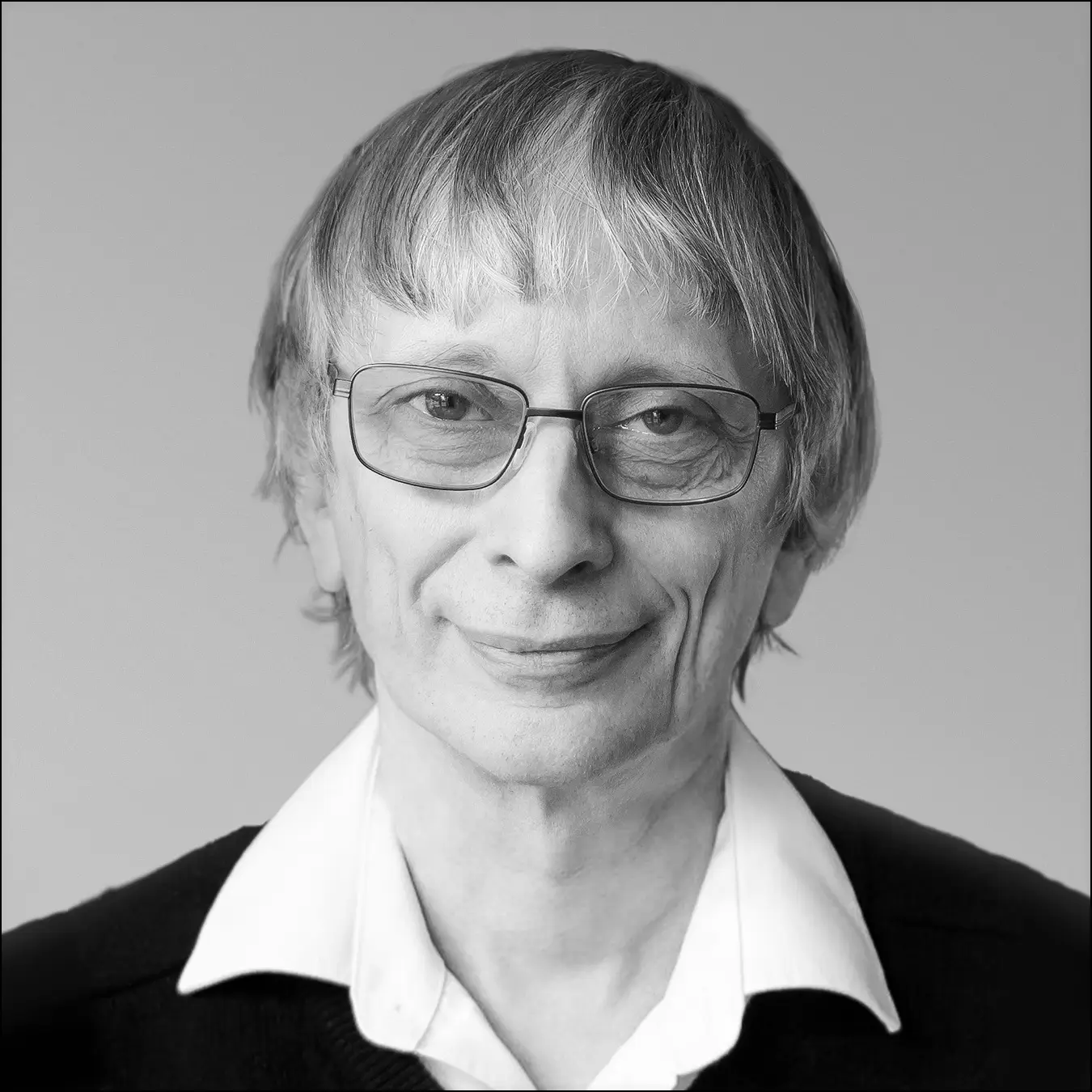
2023 |
David Deutsch
|
United Kingdom, Israel | Fundamental Physics | |
|
David Deutsch won the Breakthrough Prize in Fundamental Physics For foundational work in the field of quantum information.
|
|||||
|
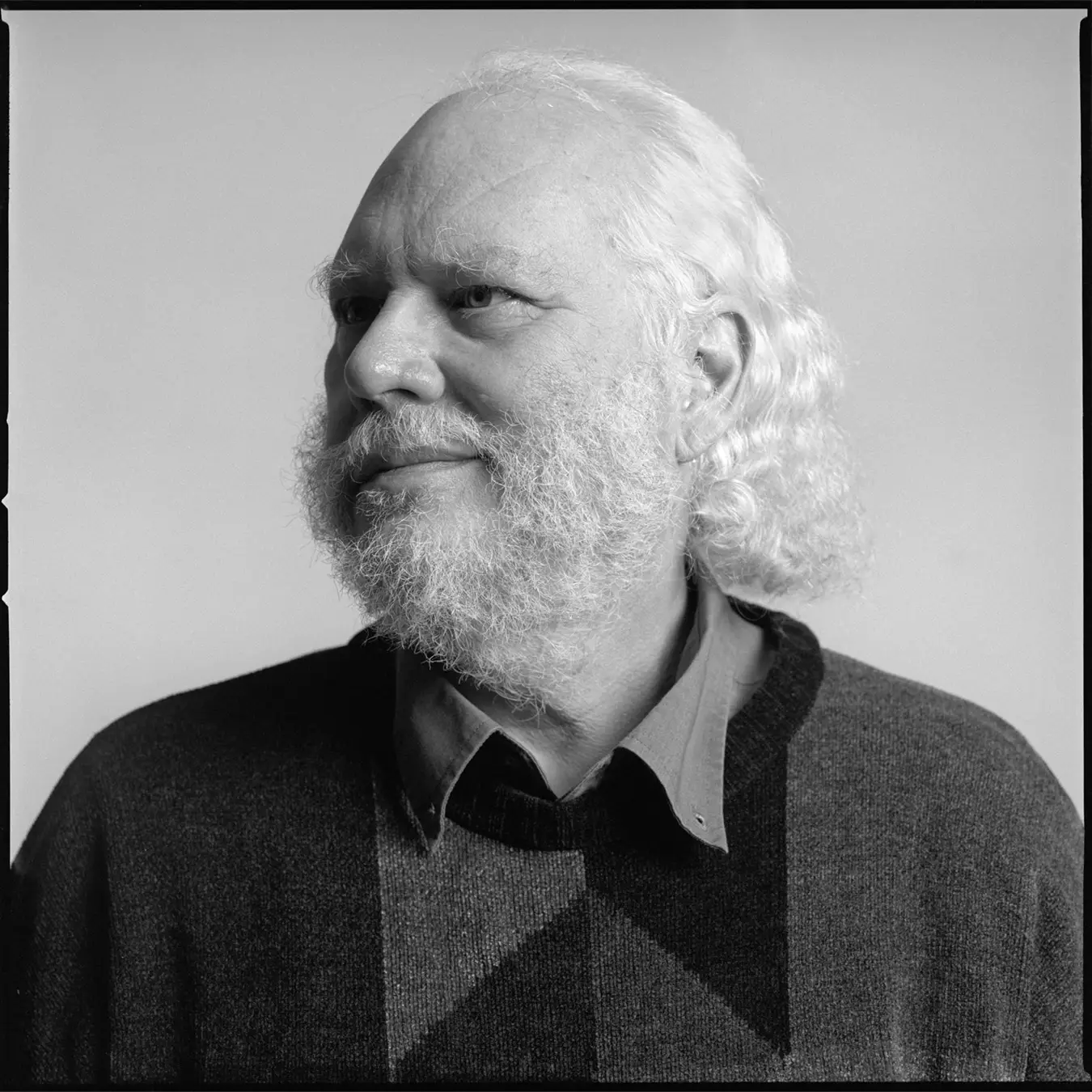
2023 |
Peter W. Shor
|
United States | Fundamental Physics | |
|
Peter W. Shor won the Breakthrough Prize in Fundamental Physics For foundational work in the field of quantum information.
|
|||||
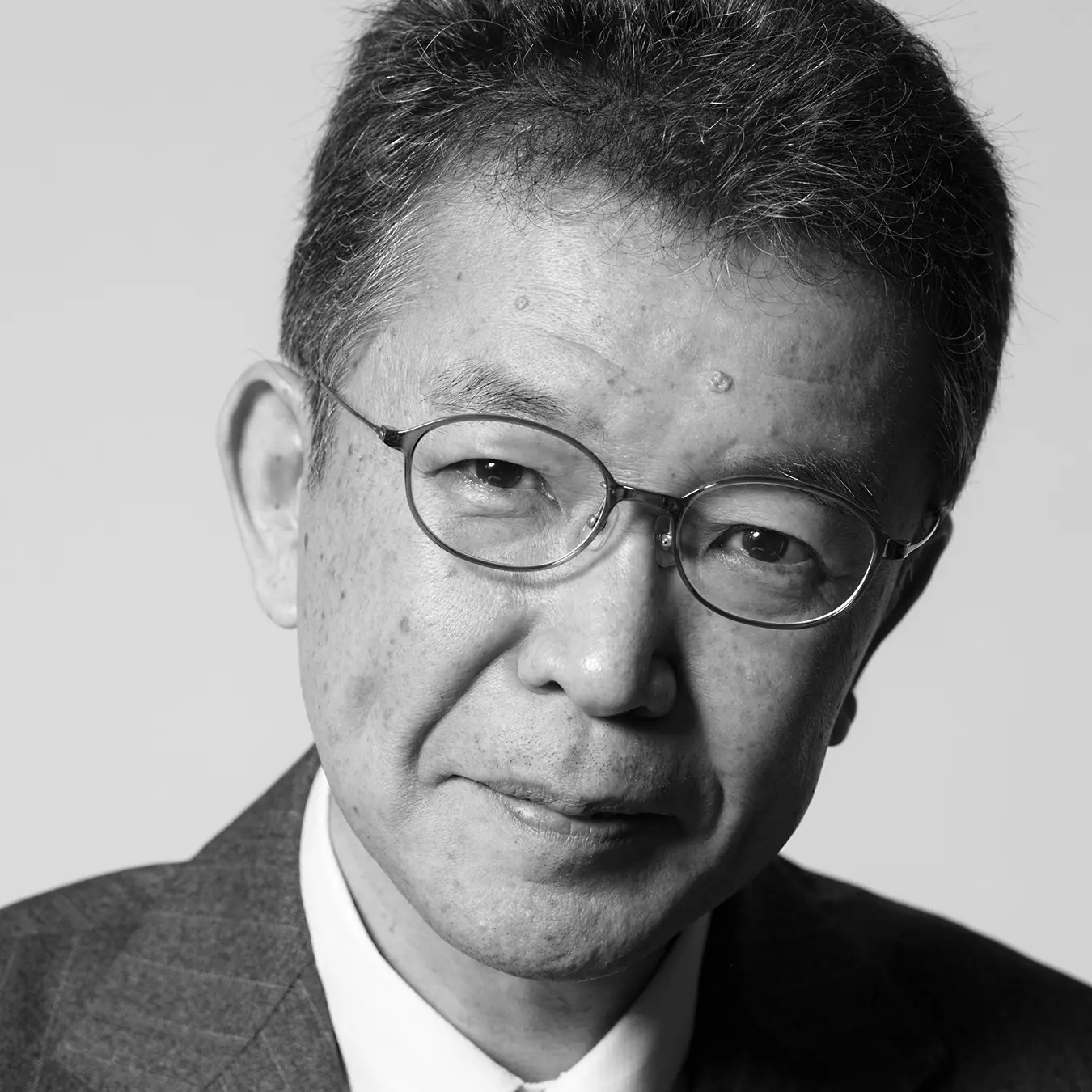
|
2022 |
Hidetoshi Katori
|
Japan | Fundamental Physics | |
|
Hidetoshi Katori won the Breakthrough Prize in Fundamental Physics For outstanding contributions to the invention and development of the optical lattice clock, which enables precision tests of the fundamental laws of nature.
|
|||||

|
2022 |
Jun Ye
|
China, United States | Fundamental Physics | |
|
Jun Ye won the Breakthrough Prize in Fundamental Physics For outstanding contributions to the invention and development of the optical lattice clock, which enables precision tests of the fundamental laws of nature.
|
|||||
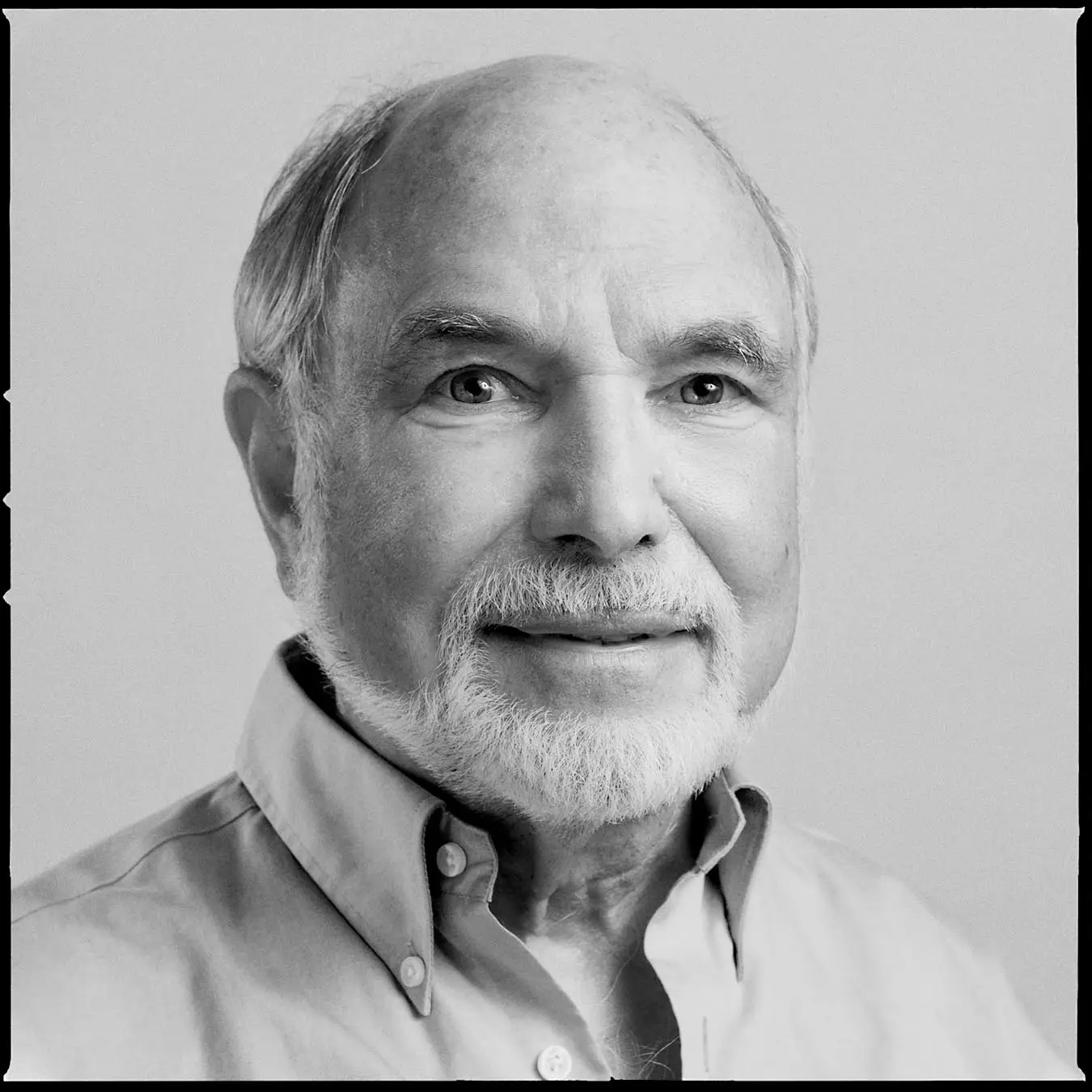
|
2021 |
Eric Adelberger
|
United States | Fundamental Physics | |
|
Eric Adelberger won the Breakthrough Prize in Fundamental Physics For precision fundamental measurements that test our understanding of gravity, probe the nature of dark energy, and establish limits on couplings to dark matter.
|
|||||
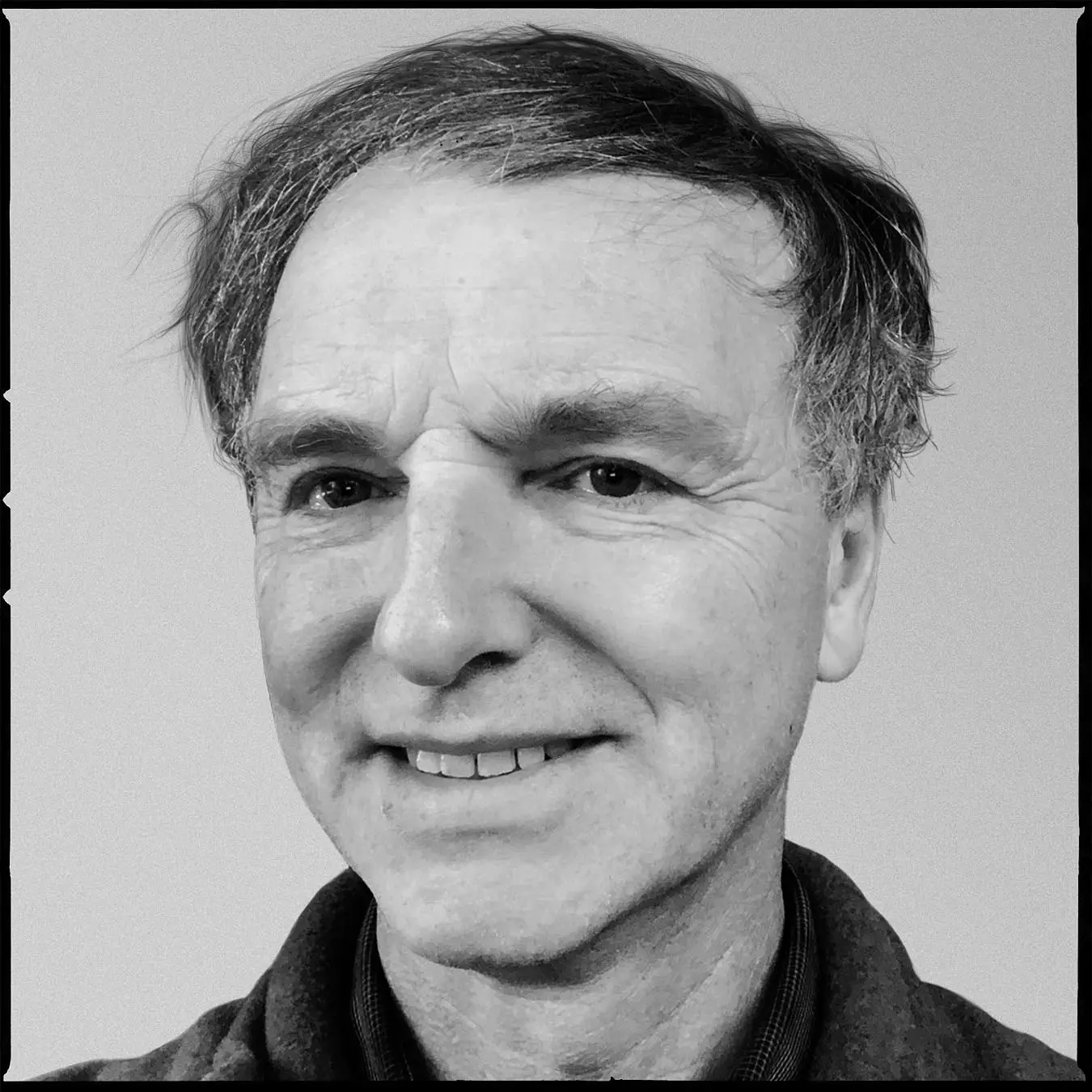
|
2021 |
Jens H. Gundlach
|
Germany | Fundamental Physics | |
|
Jens H. Gundlach won the Breakthrough Prize in Fundamental Physics For precision fundamental measurements that test our understanding of gravity, probe the nature of dark energy, and establish limits on couplings to dark matter.
|
|||||
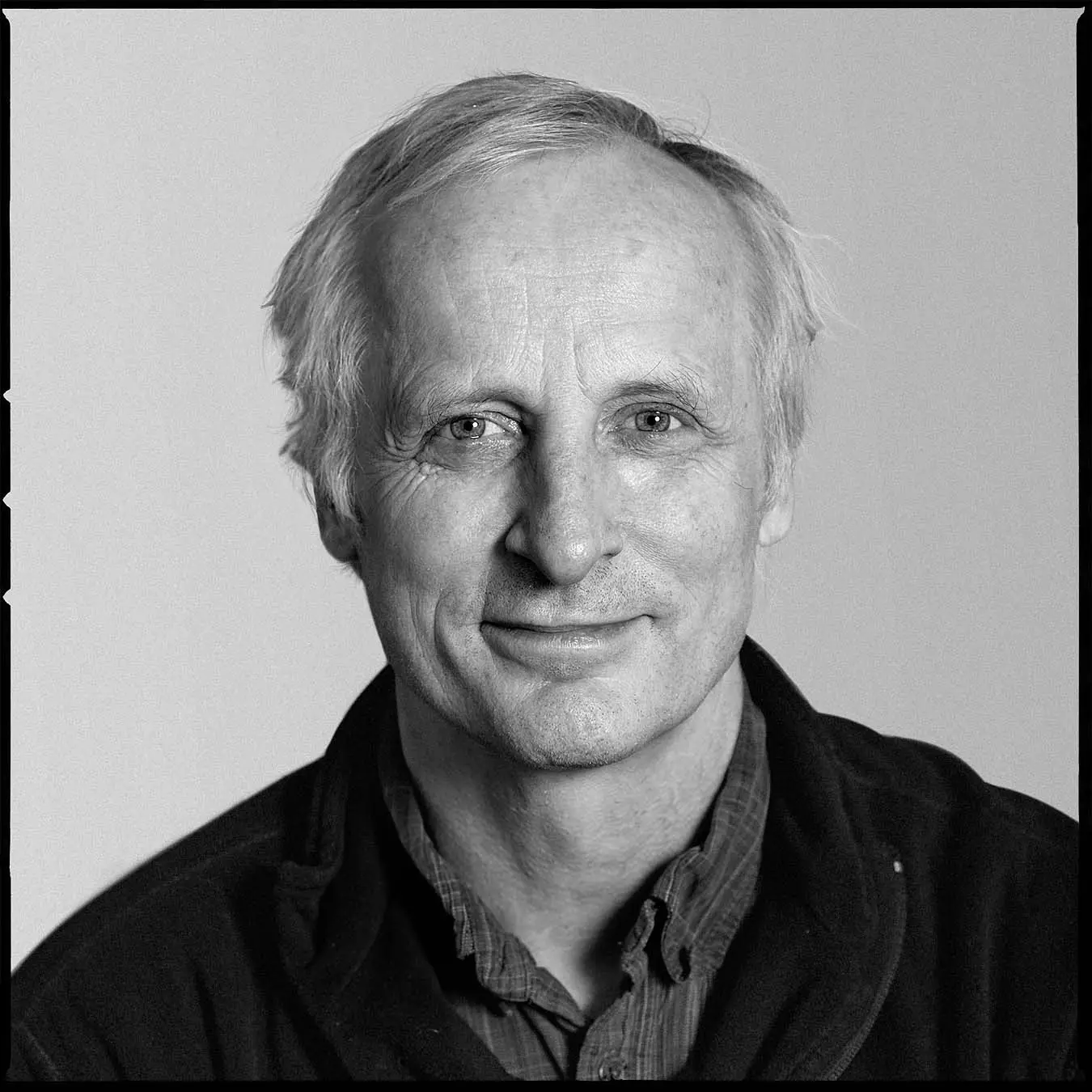
|
2021 |
Blayne Heckel
|
United States | Fundamental Physics | |
|
Blayne Heckel won the Breakthrough Prize in Fundamental Physics For precision fundamental measurements that test our understanding of gravity, probe the nature of dark energy, and establish limits on couplings to dark matter.
|
|||||
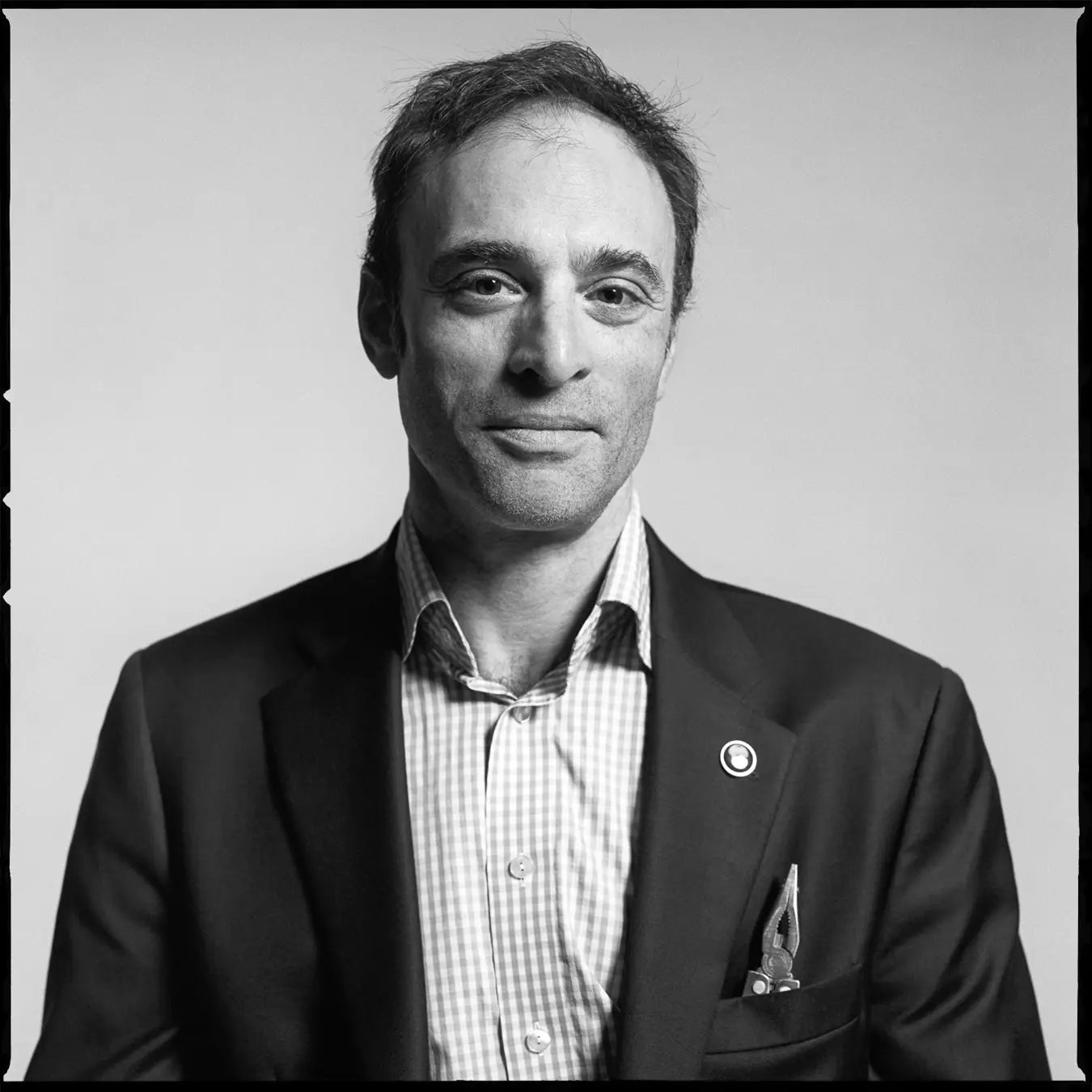
|
2020 |
Sheperd Doeleman, Founding Director
|
United States | Fundamental Physics | |
|
Sheperd Doeleman, Founding Director won the Breakthrough Prize in Fundamental Physics For the first image of a supermassive black hole, taken by means of an Earth-sized alliance of telescopes.
|
|||||
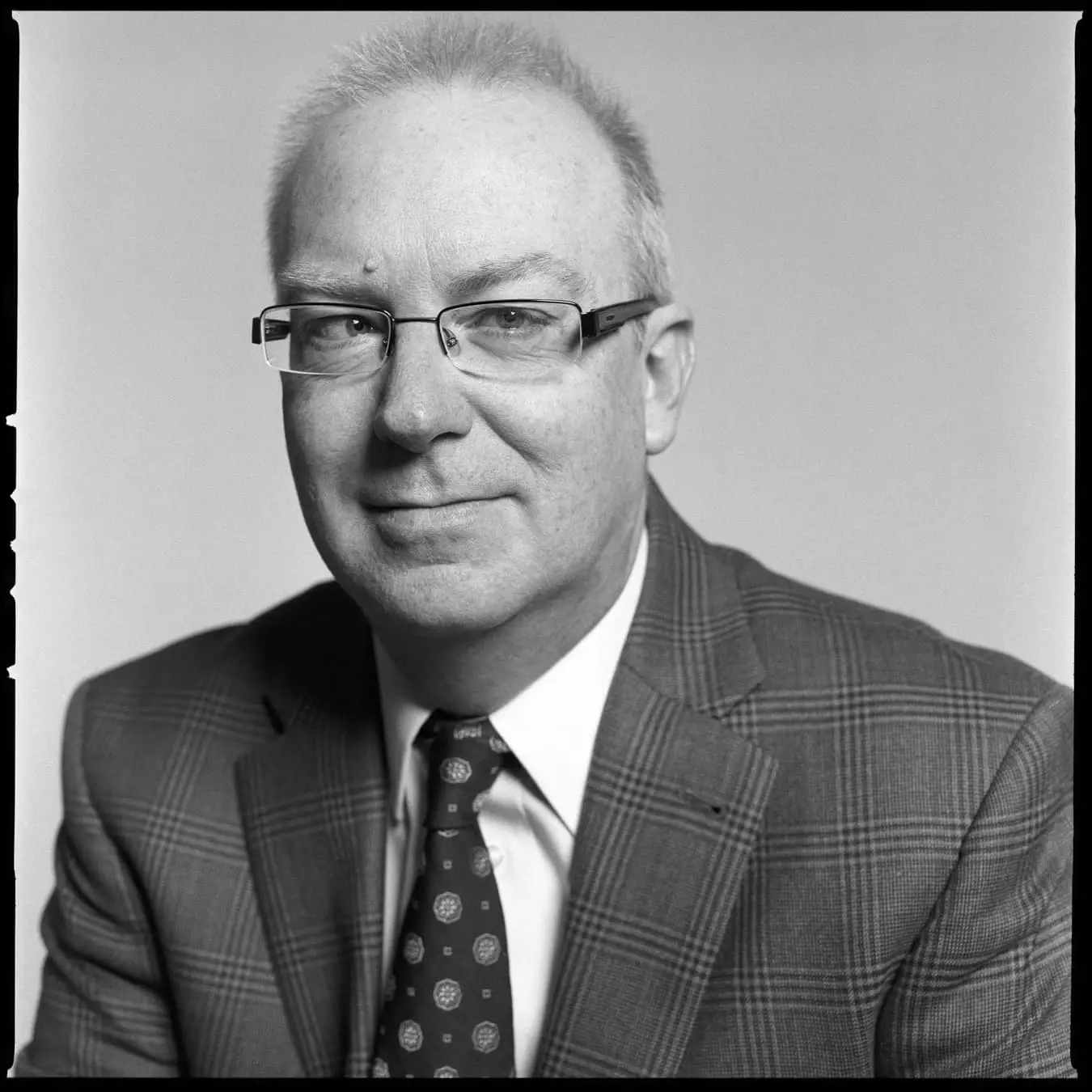
|
2019 |
Charles Kane
|
United States | Fundamental Physics | |
|
Charles Kane won the Breakthrough Prize in Fundamental Physics For new ideas about topology and symmetry in physics, leading to the prediction of a new class of materials that conduct electricity only on their surface.
|
|||||
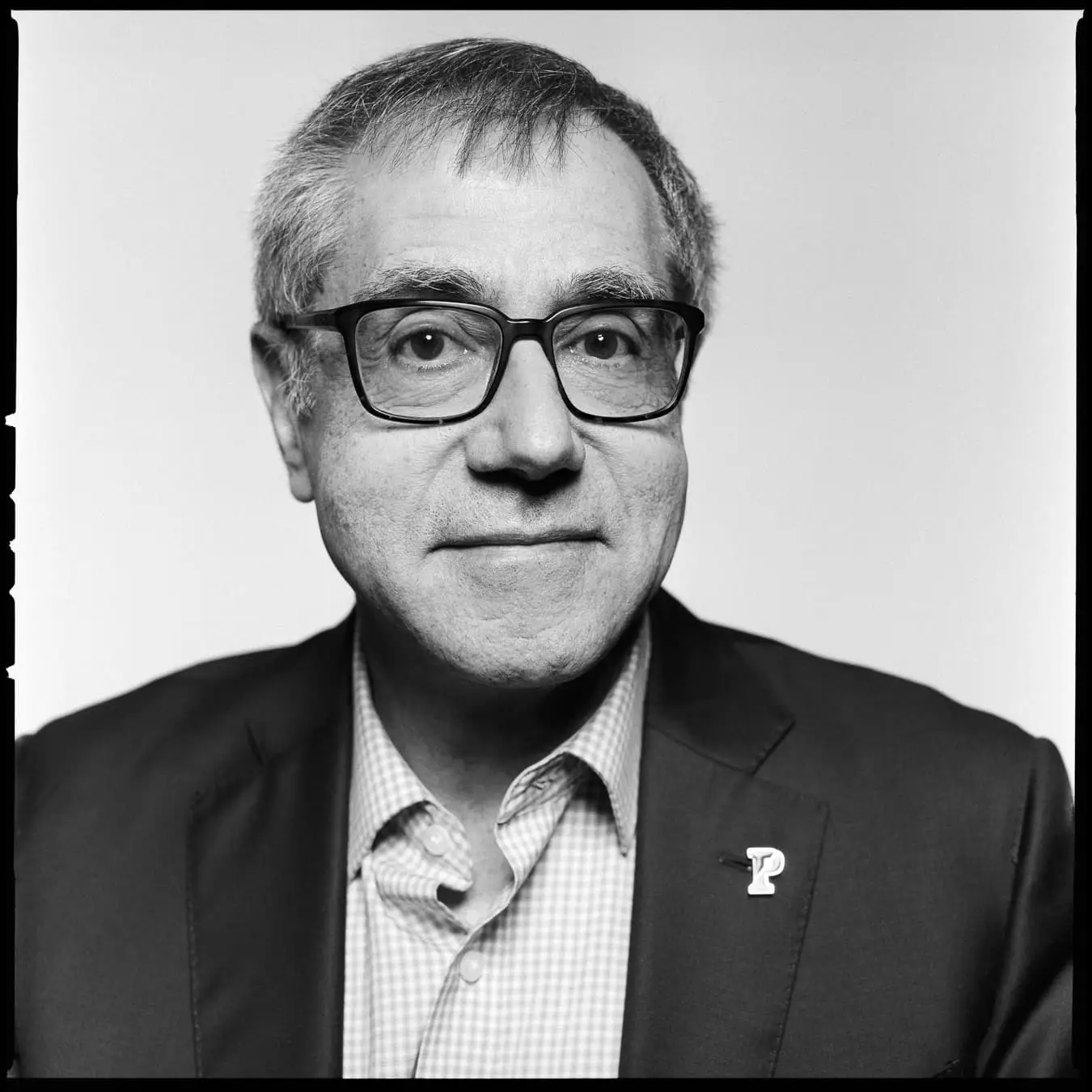
|
2019 |
Eugene Mele
|
United States | Fundamental Physics | |
|
Eugene Mele won the Breakthrough Prize in Fundamental Physics For new ideas about topology and symmetry in physics, leading to the prediction of a new class of materials that conduct electricity only on their surface.
|
|||||
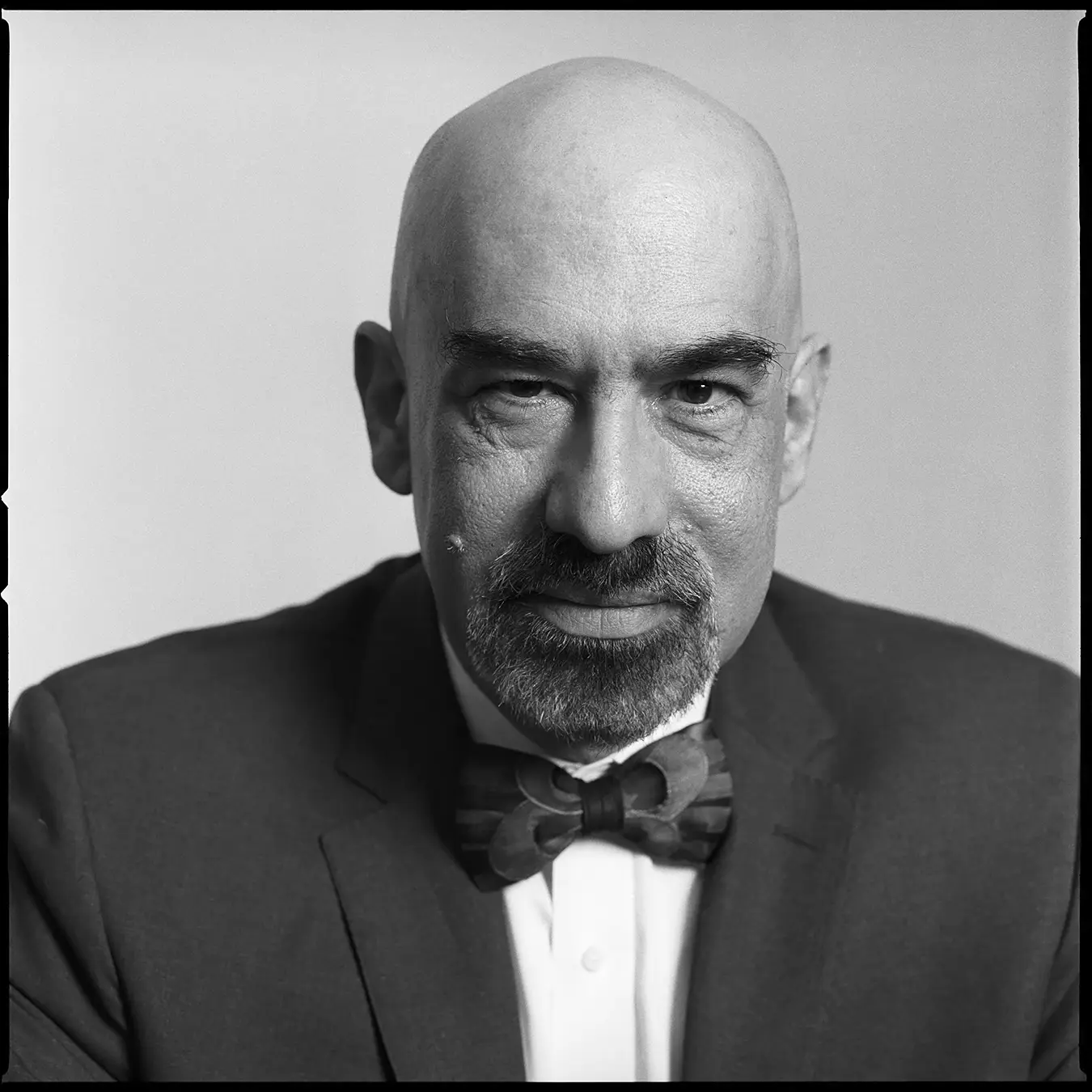
|
2018 |
David N. Spergel and the WMAP Science Team
|
United States | Fundamental Physics | |
|
David N. Spergel and the WMAP Science Team won the Breakthrough Prize in Fundamental Physics For detailed maps of the early universe that greatly improved our knowledge of the evolution of the cosmos and the fluctuations that seeded the formation of galaxies.
|
|||||
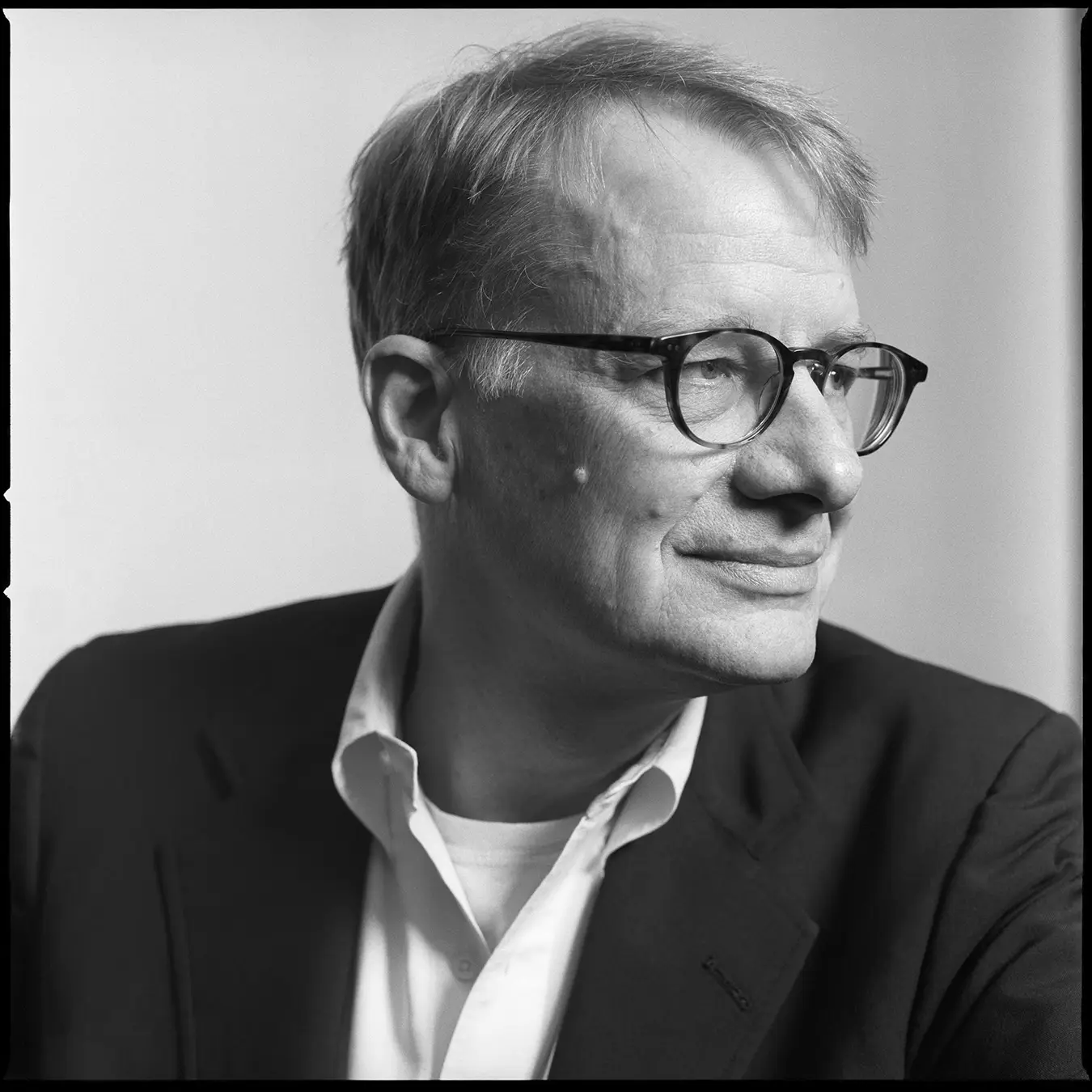
|
2018 |
Lyman Page, Jr. and the WMAP Science Team
|
United States | Fundamental Physics | |
|
Lyman Page, Jr. and the WMAP Science Team won the Breakthrough Prize in Fundamental Physics For detailed maps of the early universe that greatly improved our knowledge of the evolution of the cosmos and the fluctuations that seeded the formation of galaxies.
|
|||||
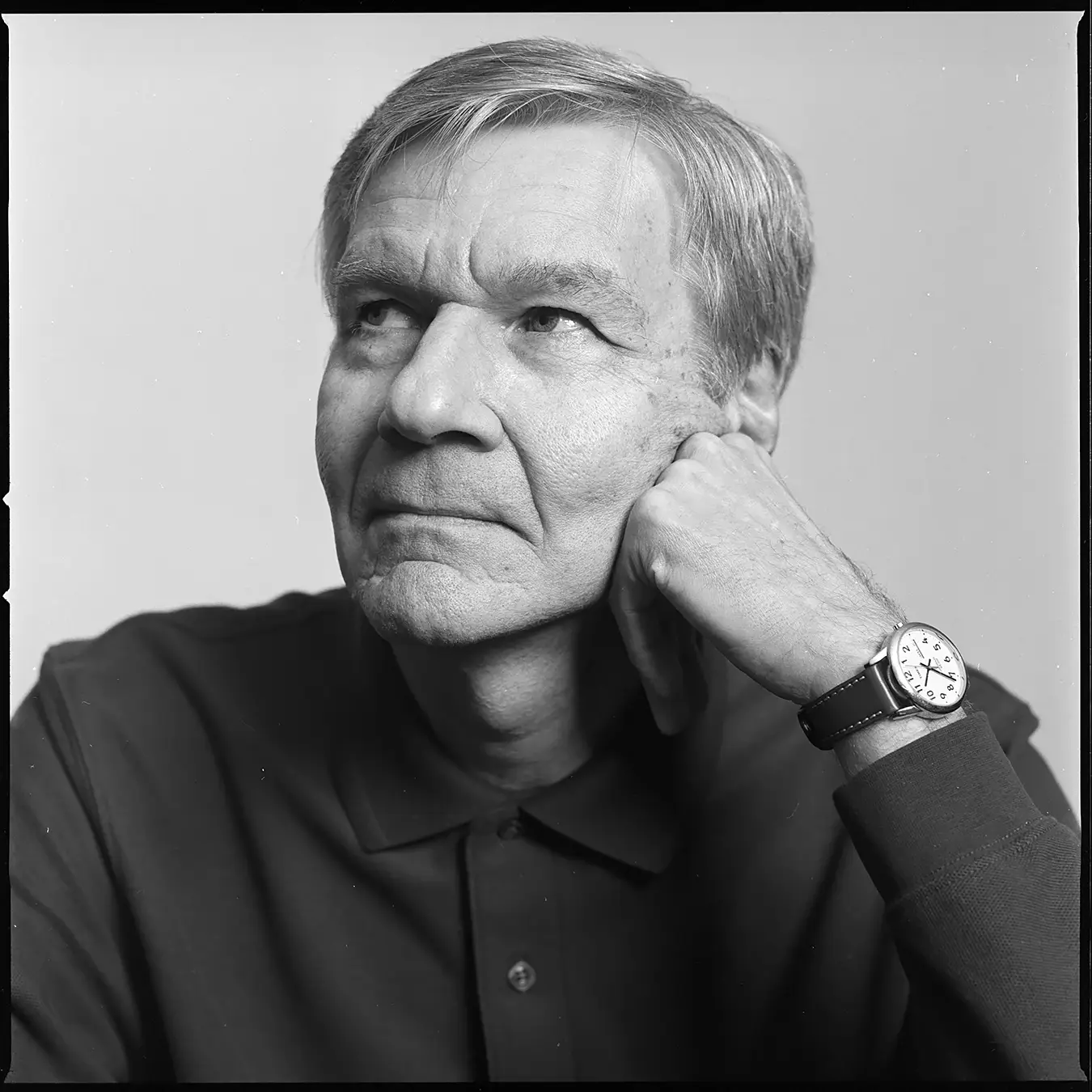
|
2018 |
Norman Jarosikand the WMAP Science Team
|
United States | Fundamental Physics | |
|
Norman Jarosikand the WMAP Science Team won the Breakthrough Prize in Fundamental Physics For detailed maps of the early universe that greatly improved our knowledge of the evolution of the cosmos and the fluctuations that seeded the formation of galaxies.
|
|||||
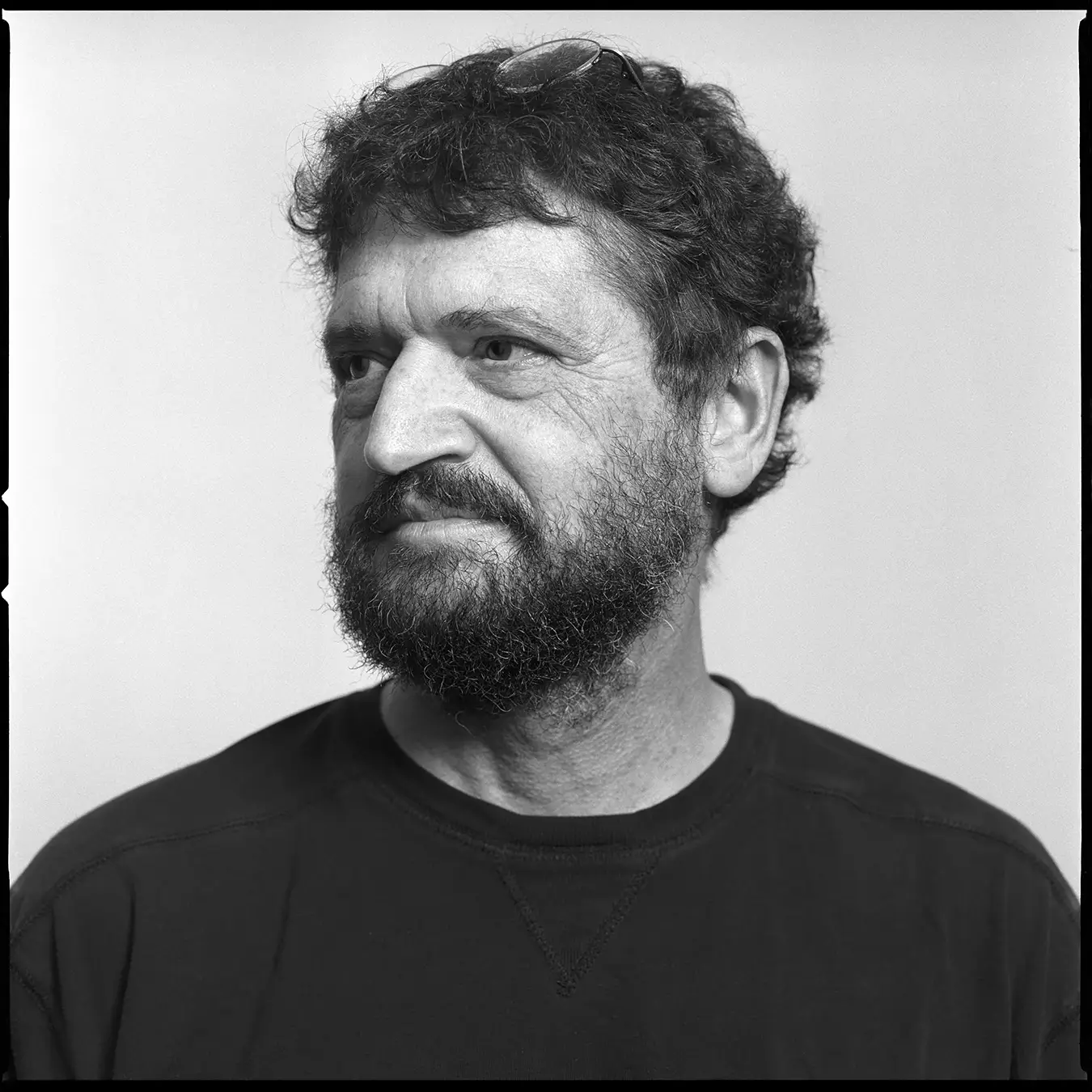
|
2018 |
Gary Hinshawand the WMAP Science Team
|
United States, Canada | Fundamental Physics | |
|
Gary Hinshawand the WMAP Science Team won the Breakthrough Prize in Fundamental Physics For detailed maps of the early universe that greatly improved our knowledge of the evolution of the cosmos and the fluctuations that seeded the formation of galaxies.
|
|||||
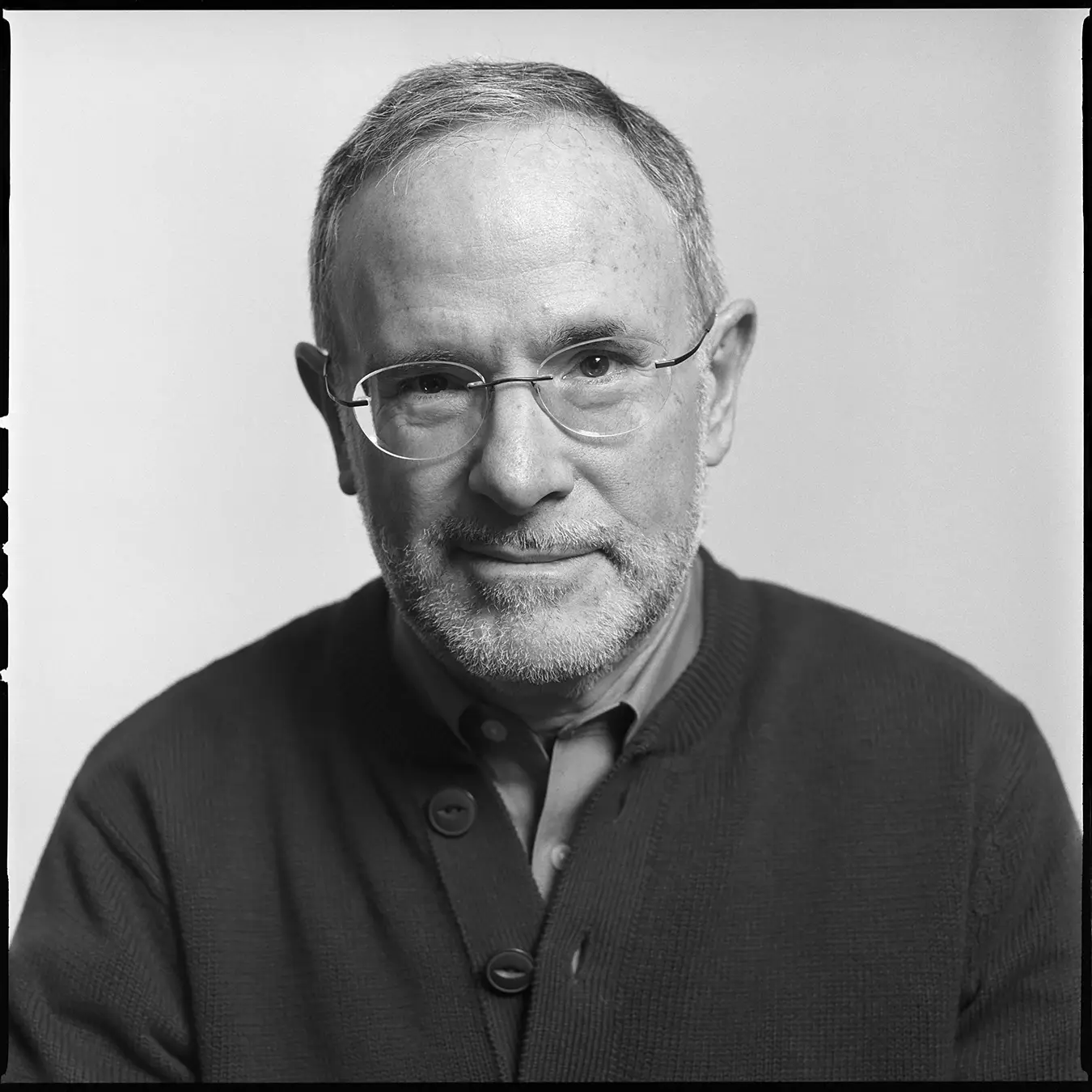
|
2018 |
Charles L. Bennettand the WMAP Science Team
|
United States | Fundamental Physics | |
|
Charles L. Bennettand the WMAP Science Team won the Breakthrough Prize in Fundamental Physics For detailed maps of the early universe that greatly improved our knowledge of the evolution of the cosmos and the fluctuations that seeded the formation of galaxies.
|
|||||
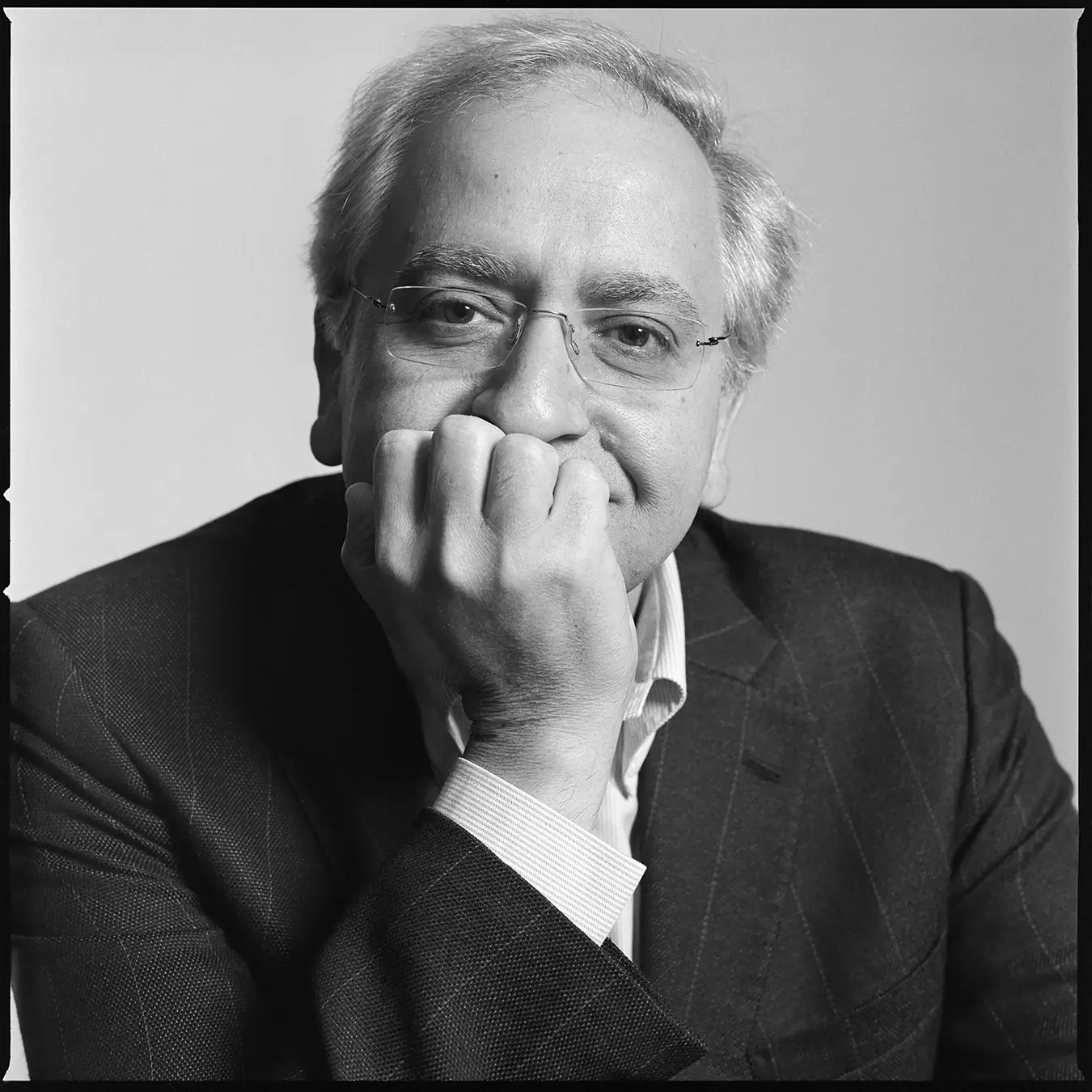
|
2017 |
Cumrun Vafa
|
Iran, United States | Fundamental Physics | |
|
Cumrun Vafa won the Breakthrough Prize in Fundamental Physics For transformative advances in quantum field theory, string theory, and quantum gravity.
|
|||||
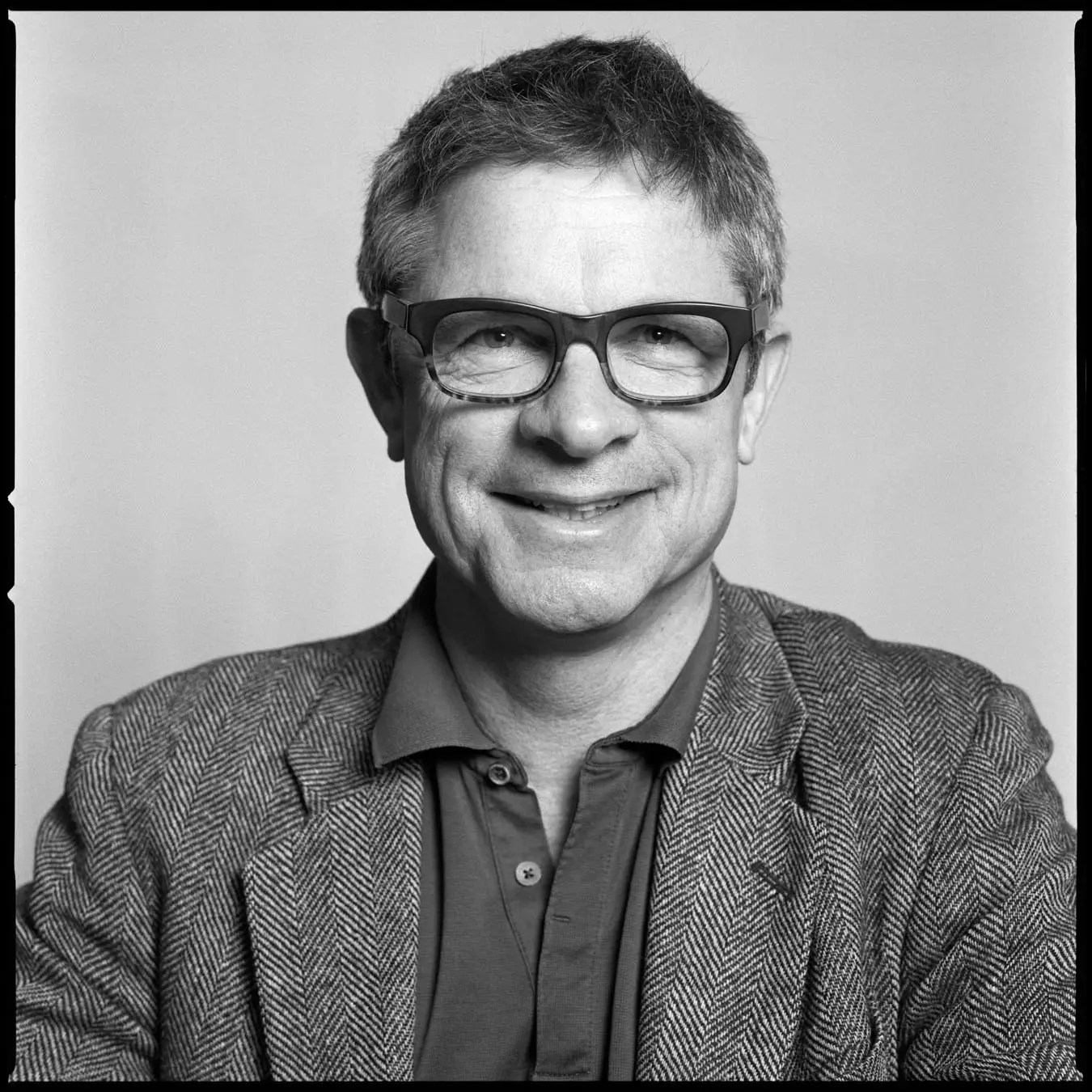
|
2017 |
Andrew Strominger
|
United States | Fundamental Physics | |
|
Andrew Strominger won the Breakthrough Prize in Fundamental Physics For transformative advances in quantum field theory, string theory, and quantum gravity.
|
|||||
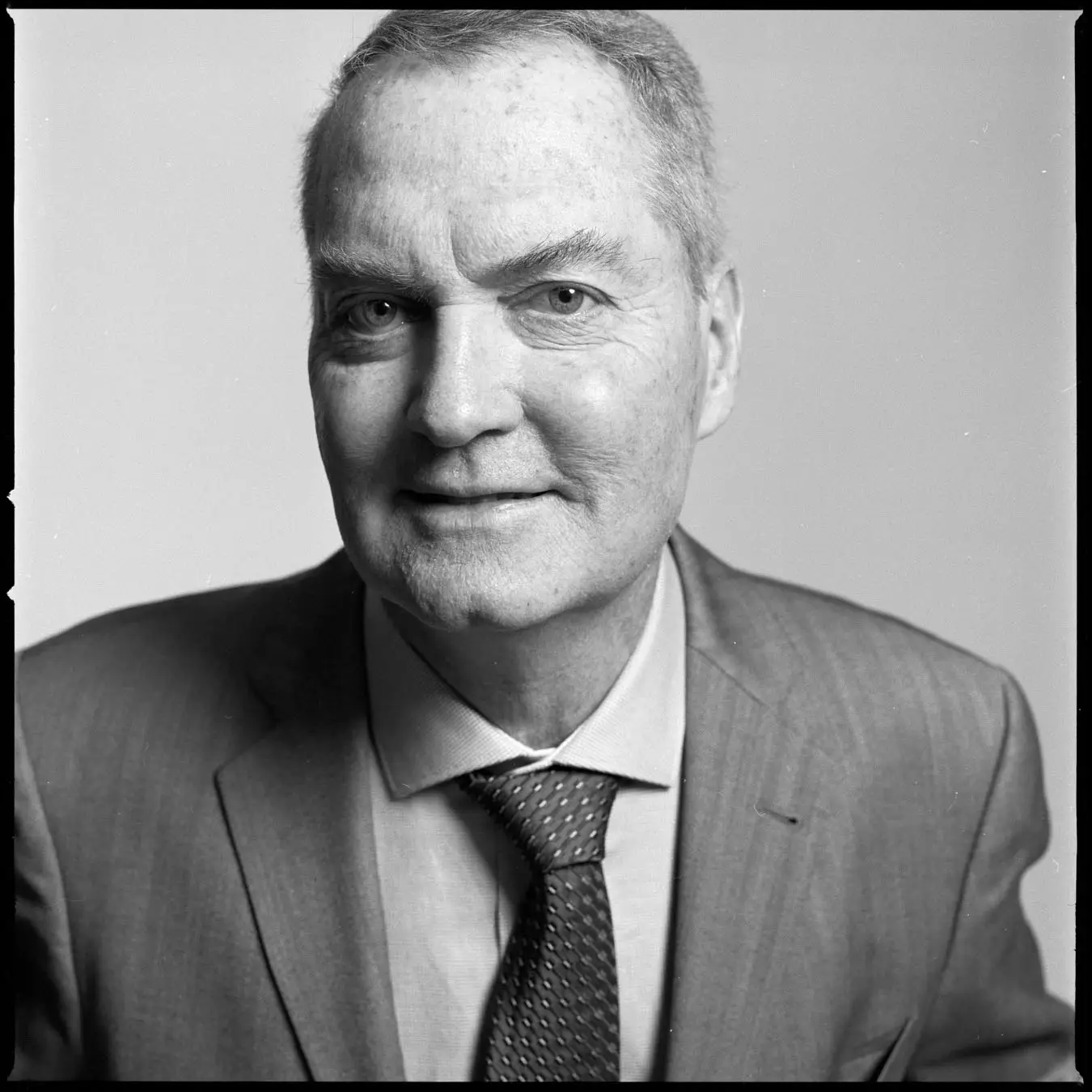
|
2017 |
Joseph Polchinski
|
United States | Fundamental Physics | |
|
Joseph Polchinski won the Breakthrough Prize in Fundamental Physics For transformative advances in quantum field theory, string theory, and quantum gravity.
|
|||||
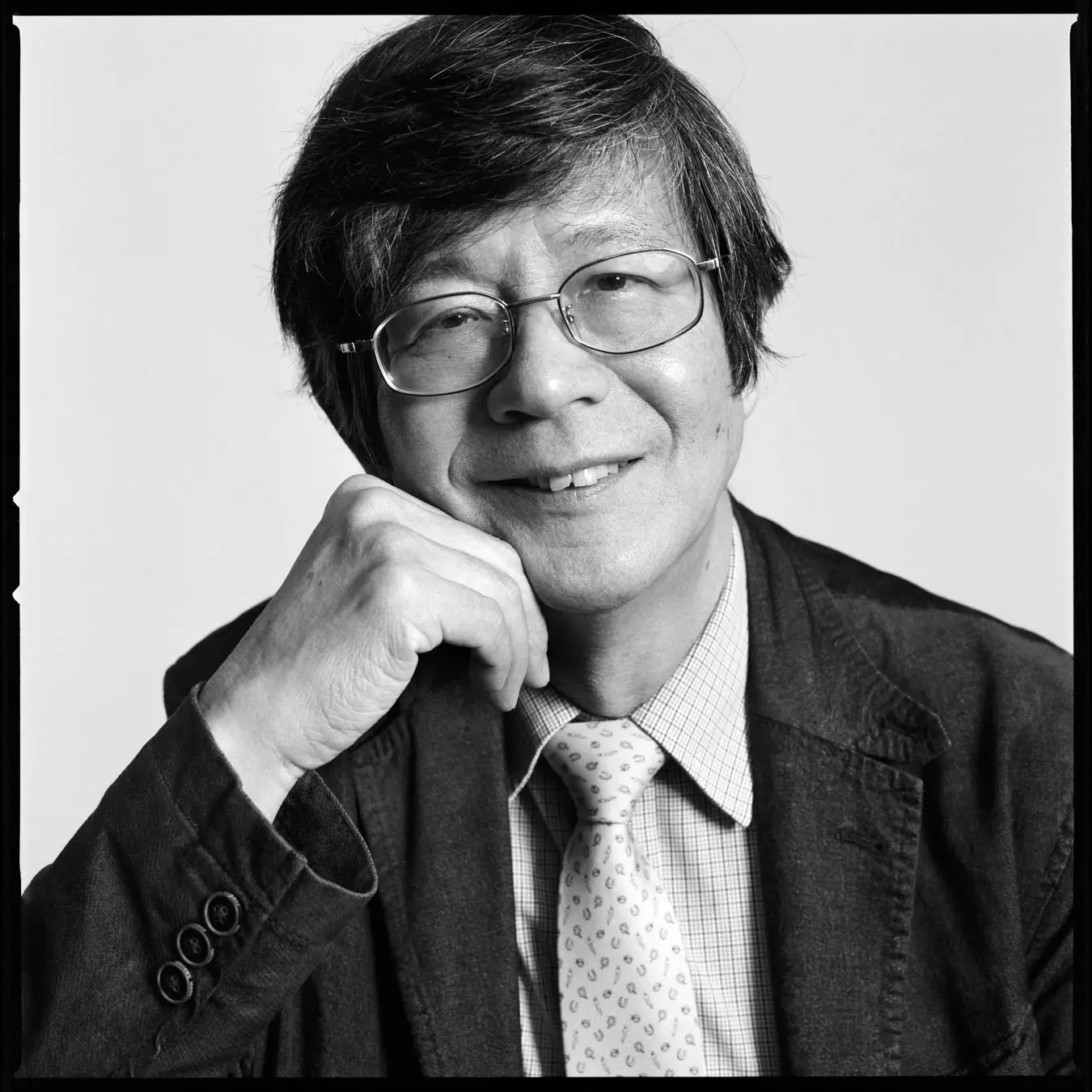
|
2016 |
Yoichiro Suzuki and the Super K Collaboration
|
Japan | Fundamental Physics | |
|
Yoichiro Suzuki and the Super K Collaboration won the Breakthrough Prize in Fundamental Physics For the fundamental discovery and exploration of neutrino oscillations, revealing a new frontier beyond, and possibly far beyond, the Standard Model of particle physics.
|
|||||
|
2016 |
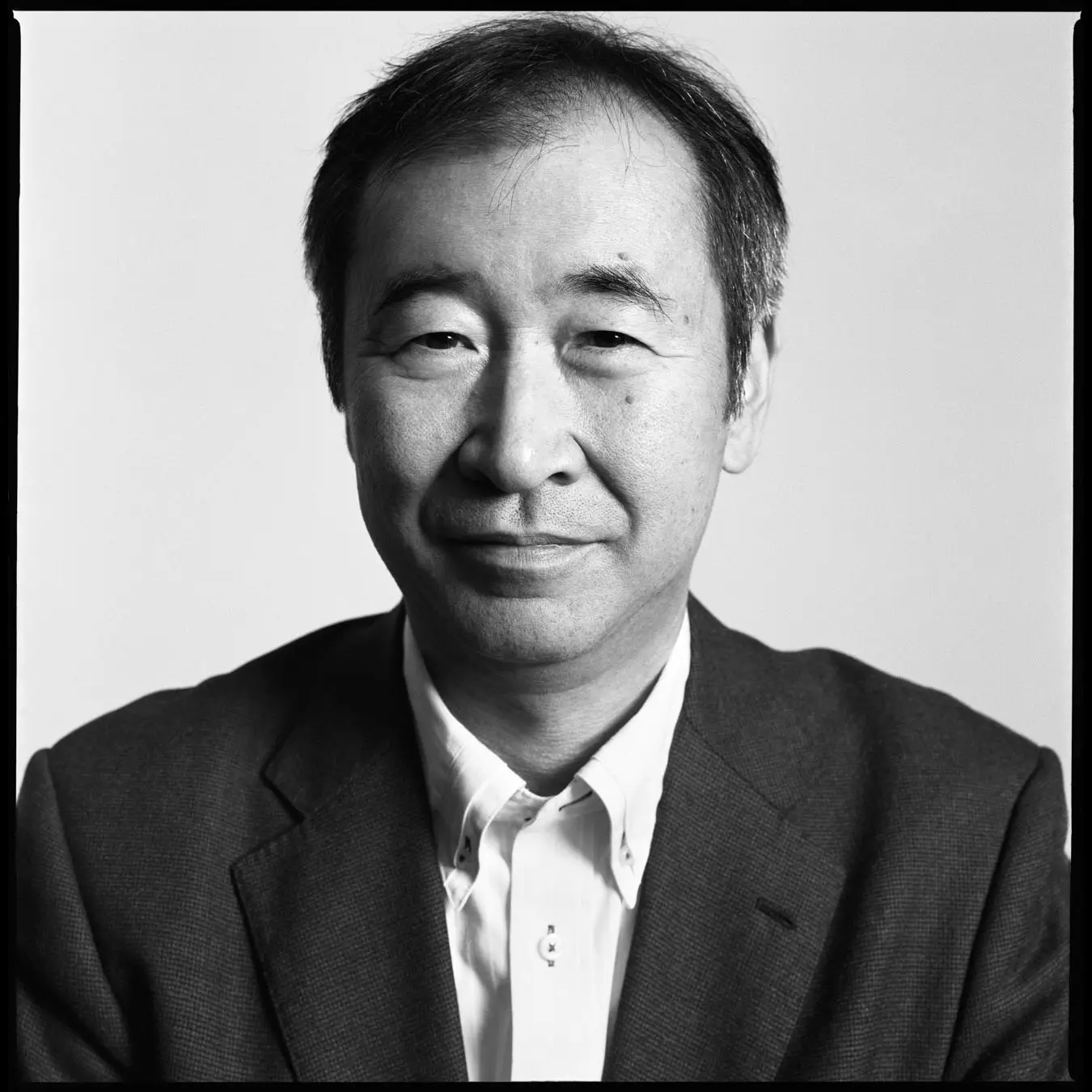
Takaaki Kajita and the Super K Collaboration
|
Japan | Fundamental Physics | |
|
Takaaki Kajita and the Super K Collaboration won the Breakthrough Prize in Fundamental Physics For the fundamental discovery and exploration of neutrino oscillations, revealing a new frontier beyond, and possibly far beyond, the Standard Model of particle physics.
|
|||||
|
2016 |
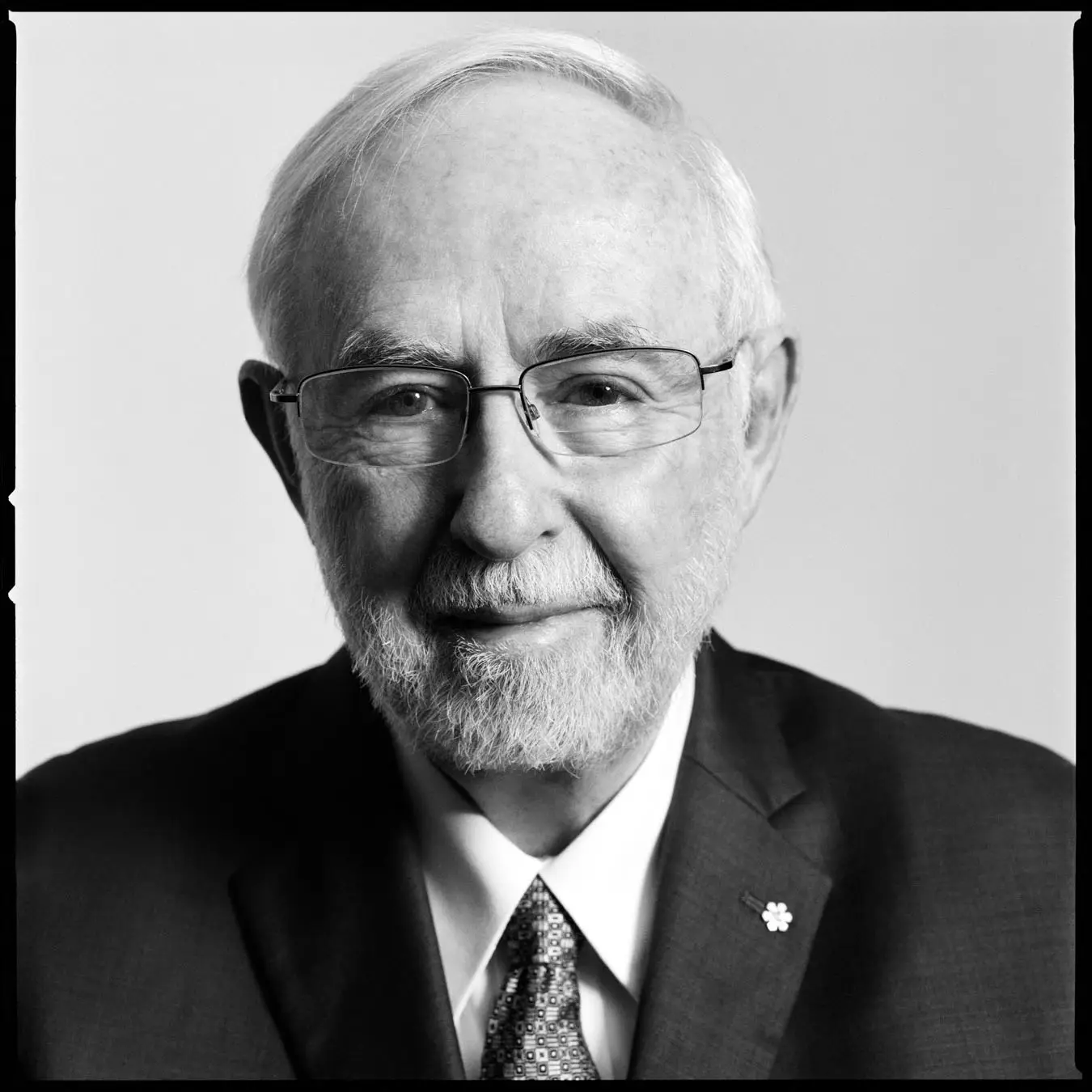
Arthur B. McDonald and the SNO Collaboration
|
Canada | Fundamental Physics | |
|
Arthur B. McDonald and the SNO Collaboration won the Breakthrough Prize in Fundamental Physics For the fundamental discovery and exploration of neutrino oscillations, revealing a new frontier beyond, and possibly far beyond, the Standard Model of particle physics.
|
|||||
|
2016 |
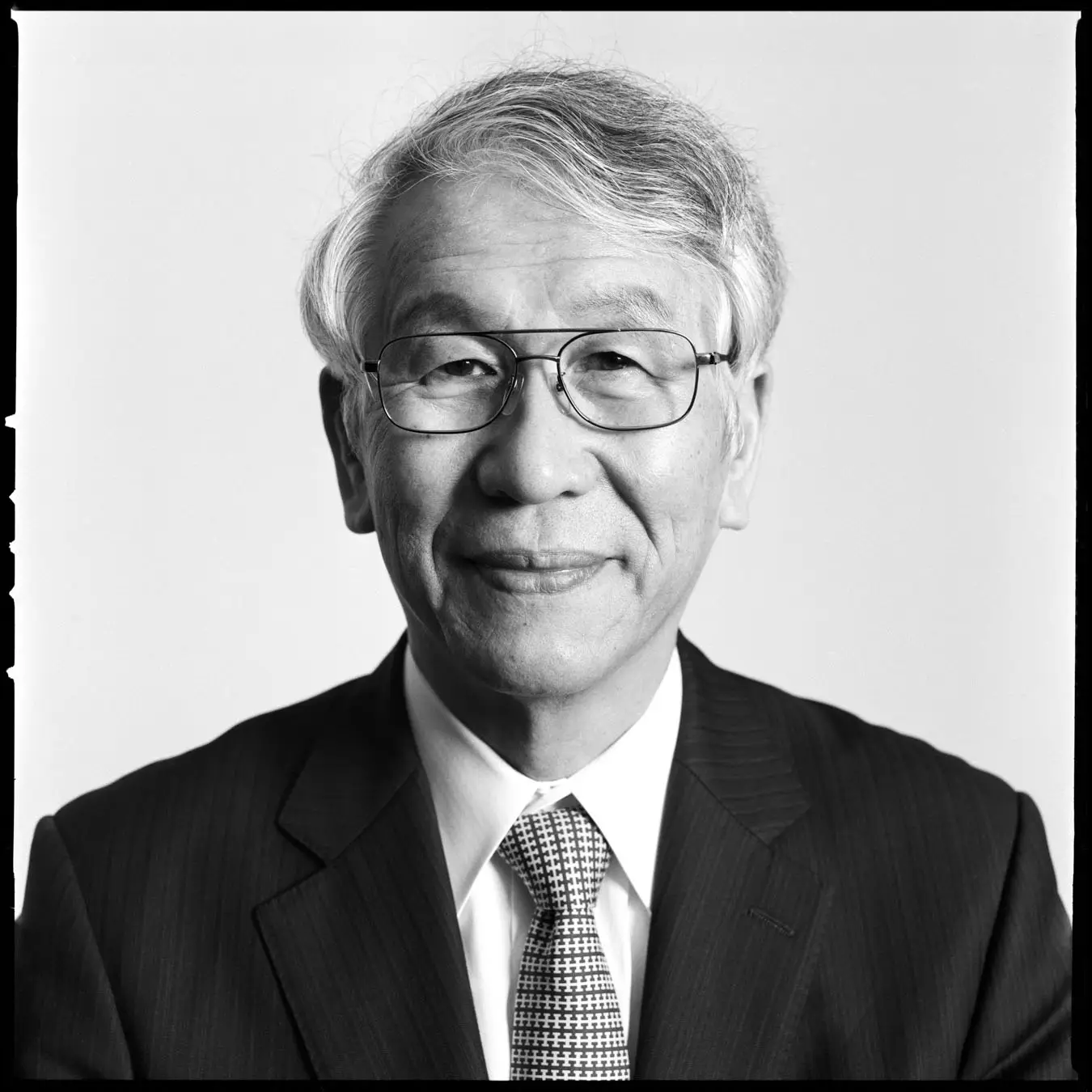
Atsuto Suzuki and the KamLAND Collaboration
|
Japan | Fundamental Physics | |
|
Atsuto Suzuki and the KamLAND Collaboration won the Breakthrough Prize in Fundamental Physics For the fundamental discovery and exploration of neutrino oscillations, revealing a new frontier beyond, and possibly far beyond, the Standard Model of particle physics.
|
|||||
|
2016 |
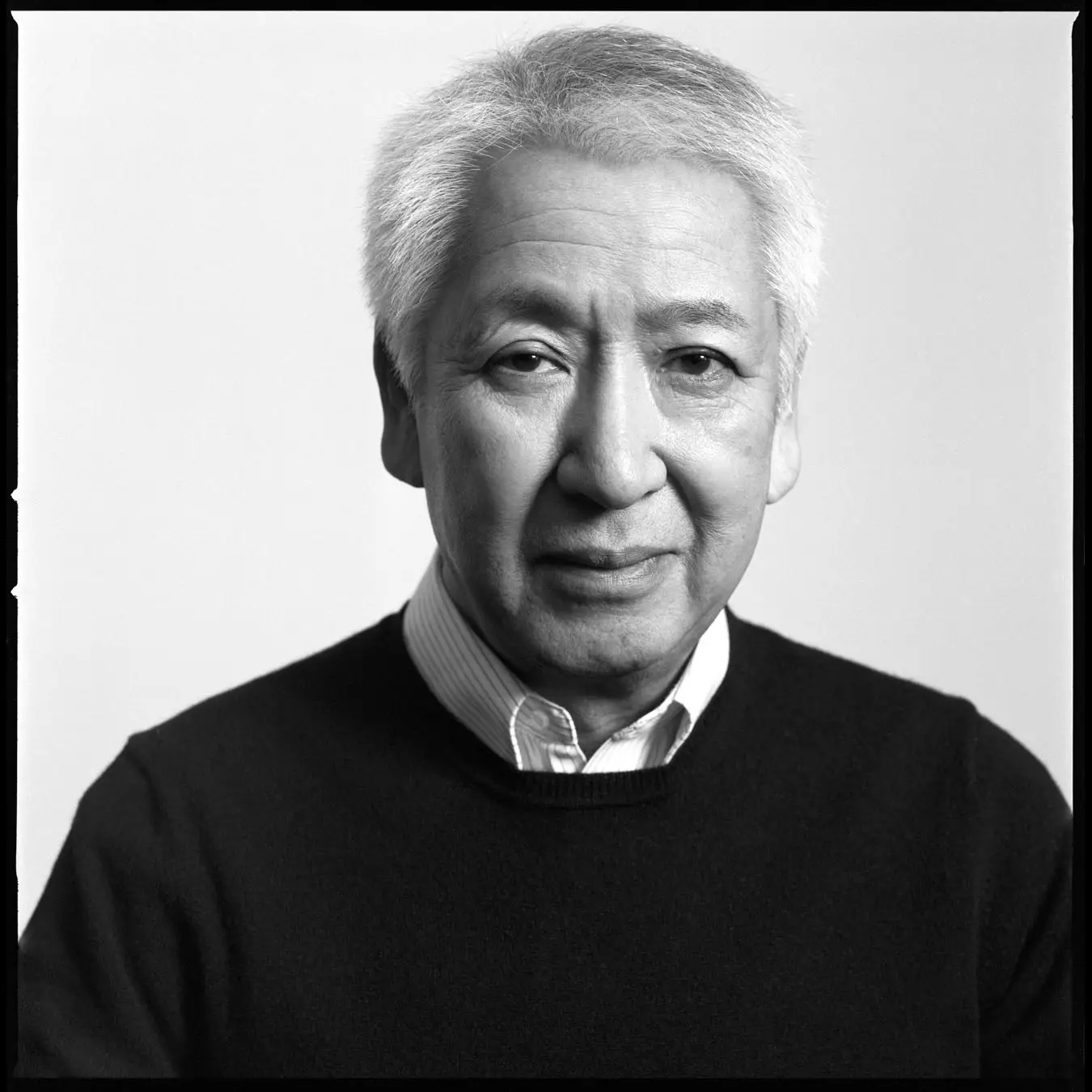
Koichiro Nishikawa and the K2K and T2K Collaboration
|
Japan | Fundamental Physics | |
|
Koichiro Nishikawa and the K2K and T2K Collaboration won the Breakthrough Prize in Fundamental Physics For the fundamental discovery and exploration of neutrino oscillations, revealing a new frontier beyond, and possibly far beyond, the Standard Model of particle physics.
|
|||||
|
2016 |
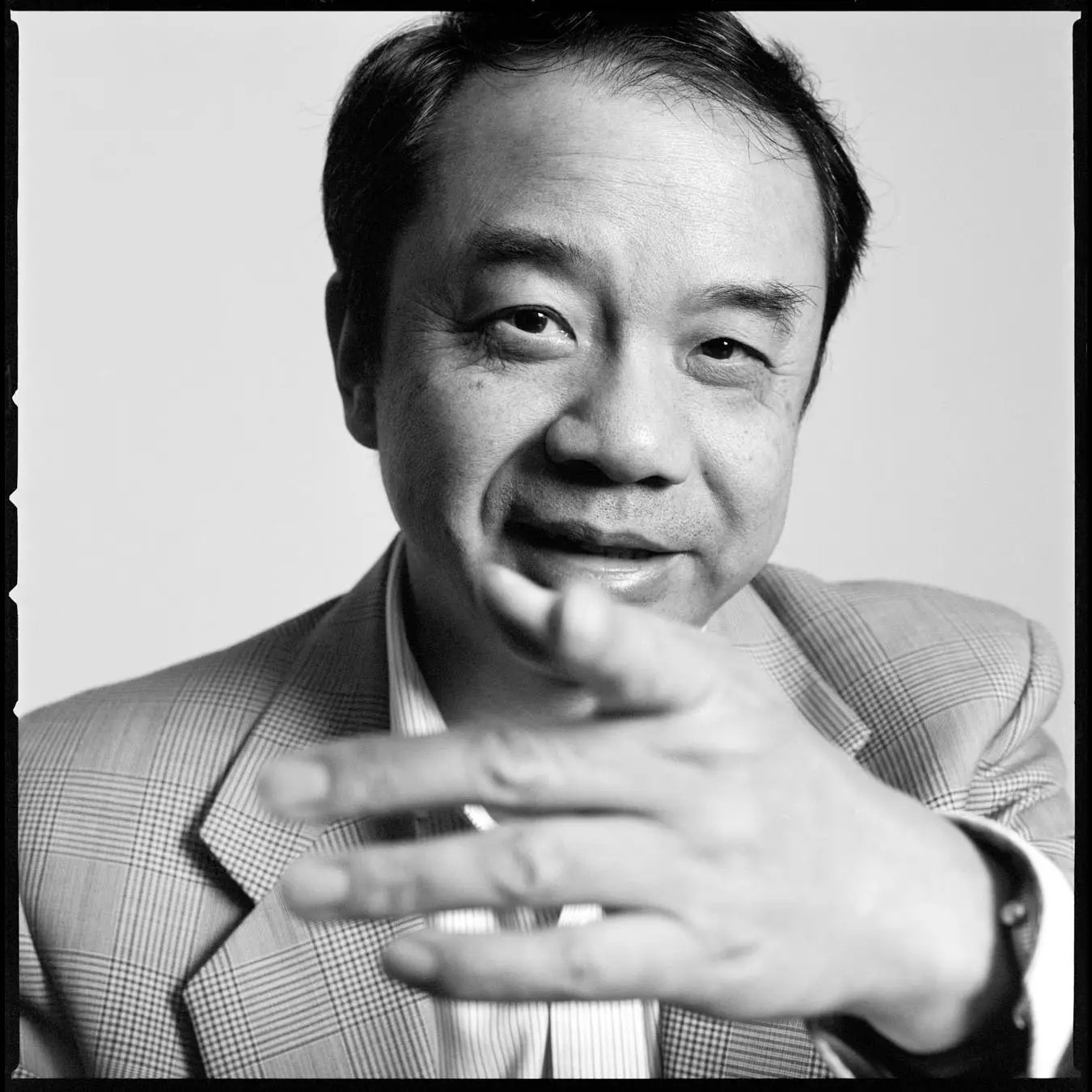
Yifang Wang and the Daya Bay Collaboration
|
China | Fundamental Physics | |
|
Yifang Wang and the Daya Bay Collaboration won the Breakthrough Prize in Fundamental Physics For the fundamental discovery and exploration of neutrino oscillations, revealing a new frontier beyond, and possibly far beyond, the Standard Model of particle physics.
|
|||||
|
2016 |
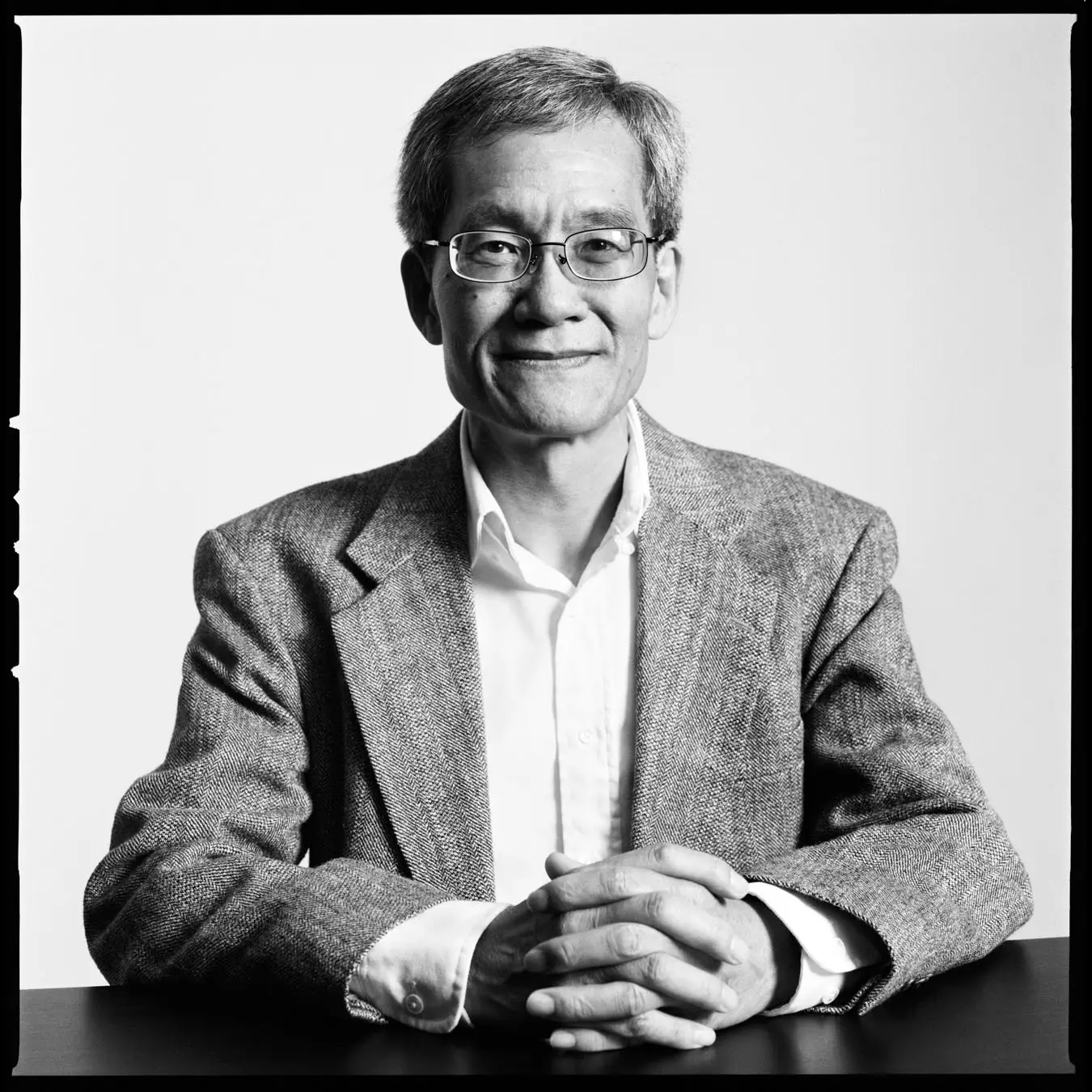
Kam-Biu Luk and the Daya Bay Collaboration
|
Hong Kong, United States | Fundamental Physics | |
|
Kam-Biu Luk and the Daya Bay Collaboration won the Breakthrough Prize in Fundamental Physics For the fundamental discovery and exploration of neutrino oscillations, revealing a new frontier beyond, and possibly far beyond, the Standard Model of particle physics.
|
|||||
|
2015 |
Brian P. Schmidt and the High-z Supernova Search Team
|
United States, Australia | Fundamental Physics | |
|
Brian P. Schmidt and the High-z Supernova Search Team won the Breakthrough Prize in Fundamental Physics For the most unexpected discovery that the expansion of the universe is accelerating, rather than slowing as had been long assumed.
|
|||||

|
2015 |
Adam Riess and the High-z Supernova Search Team
|
United States | Fundamental Physics | |
|
Adam Riess and the High-z Supernova Search Team won the Breakthrough Prize in Fundamental Physics For the most unexpected discovery that the expansion of the universe is accelerating, rather than slowing as had been long assumed.
|
|||||
|
2015 |
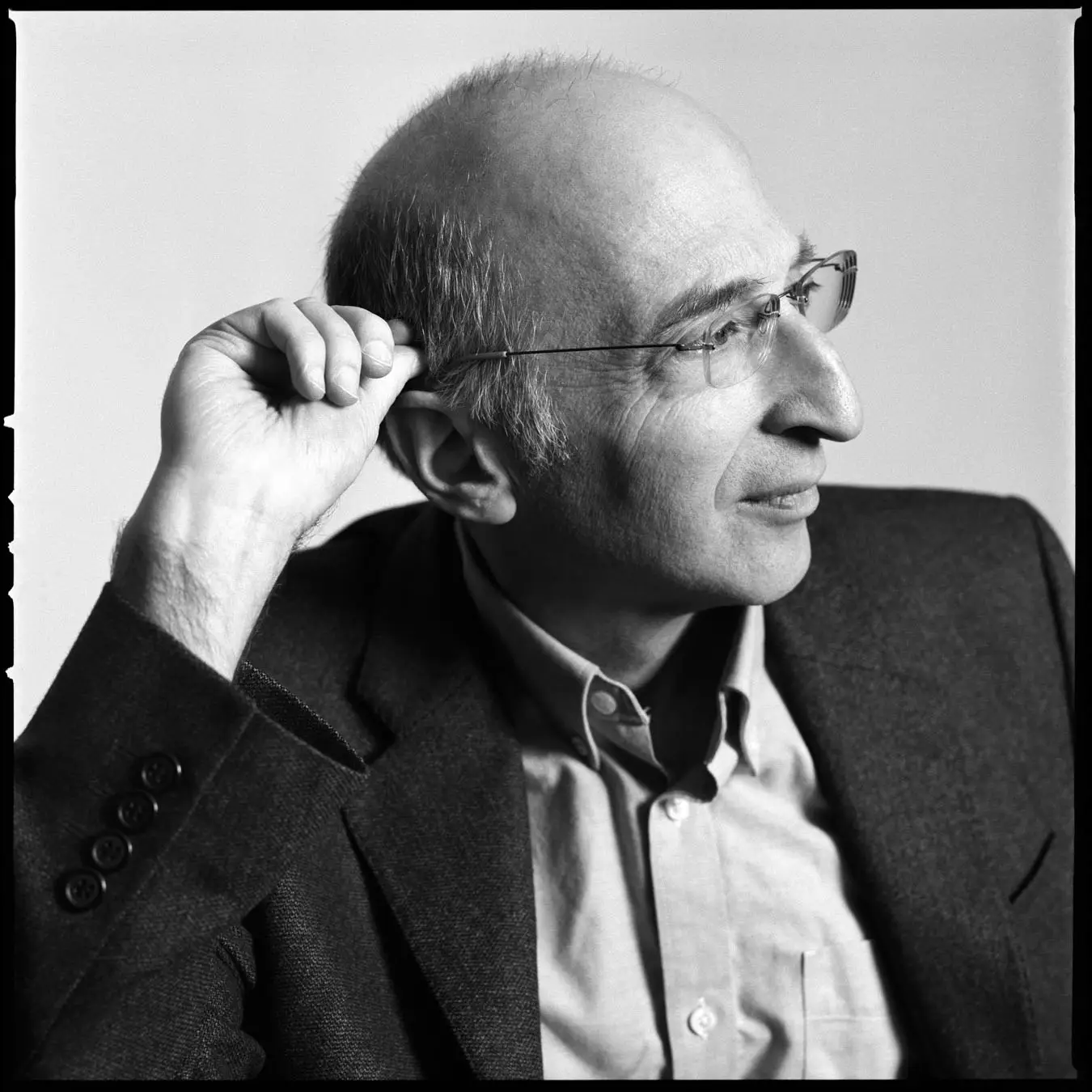
Saul Perlmutter and the Supernova Cosmology Project Team
|
United States | Fundamental Physics | |
|
Saul Perlmutter and the Supernova Cosmology Project Team won the Breakthrough Prize in Fundamental Physics For the most unexpected discovery that the expansion of the Universe is accelerating, rather than slowing as had been long assumed.
|
|||||
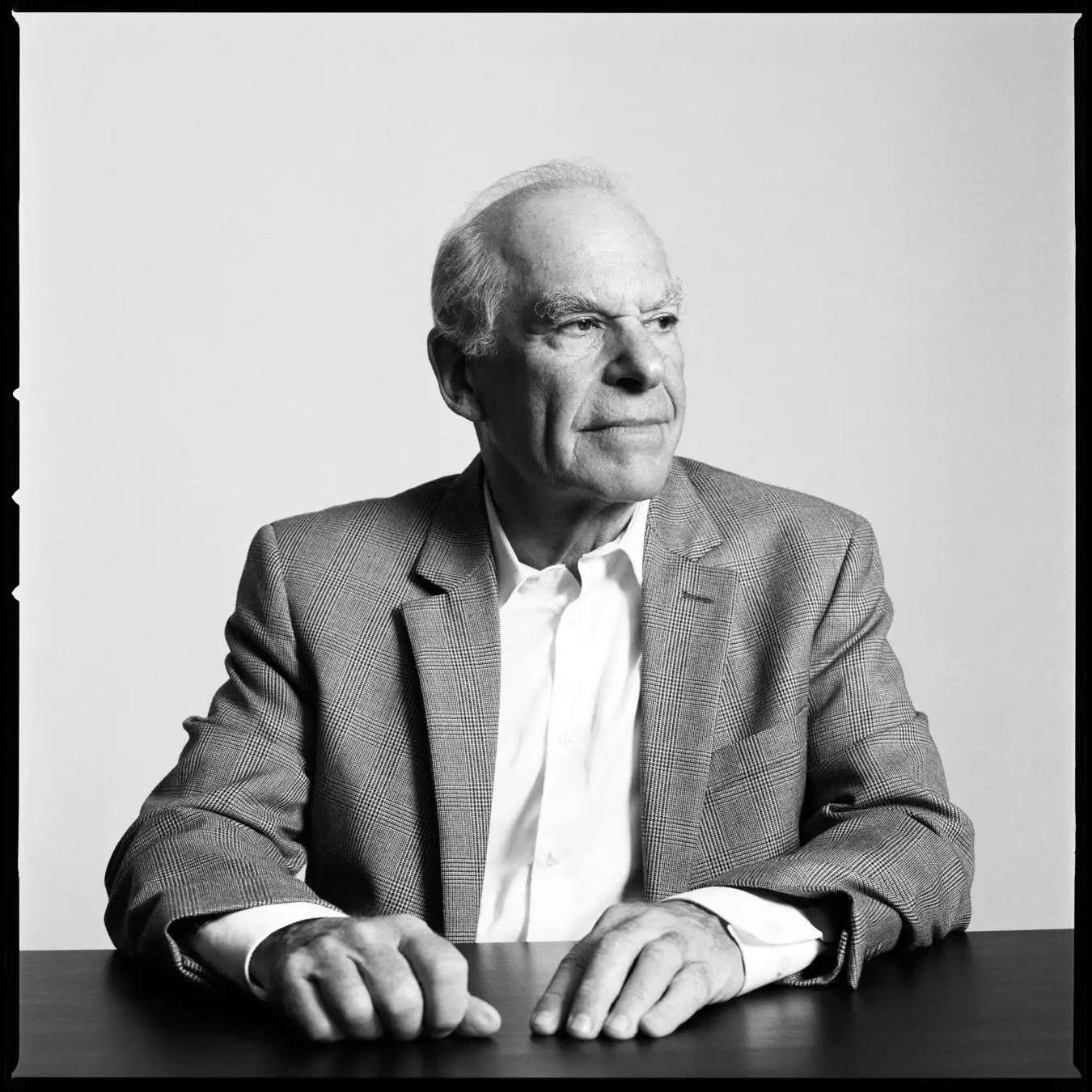
|
2014 |
John H. Schwarz
|
United States | Fundamental Physics | |
|
John H. Schwarz won the Breakthrough Prize in Fundamental Physics For opening new perspectives on quantum gravity and the unification of forces.
|
|||||
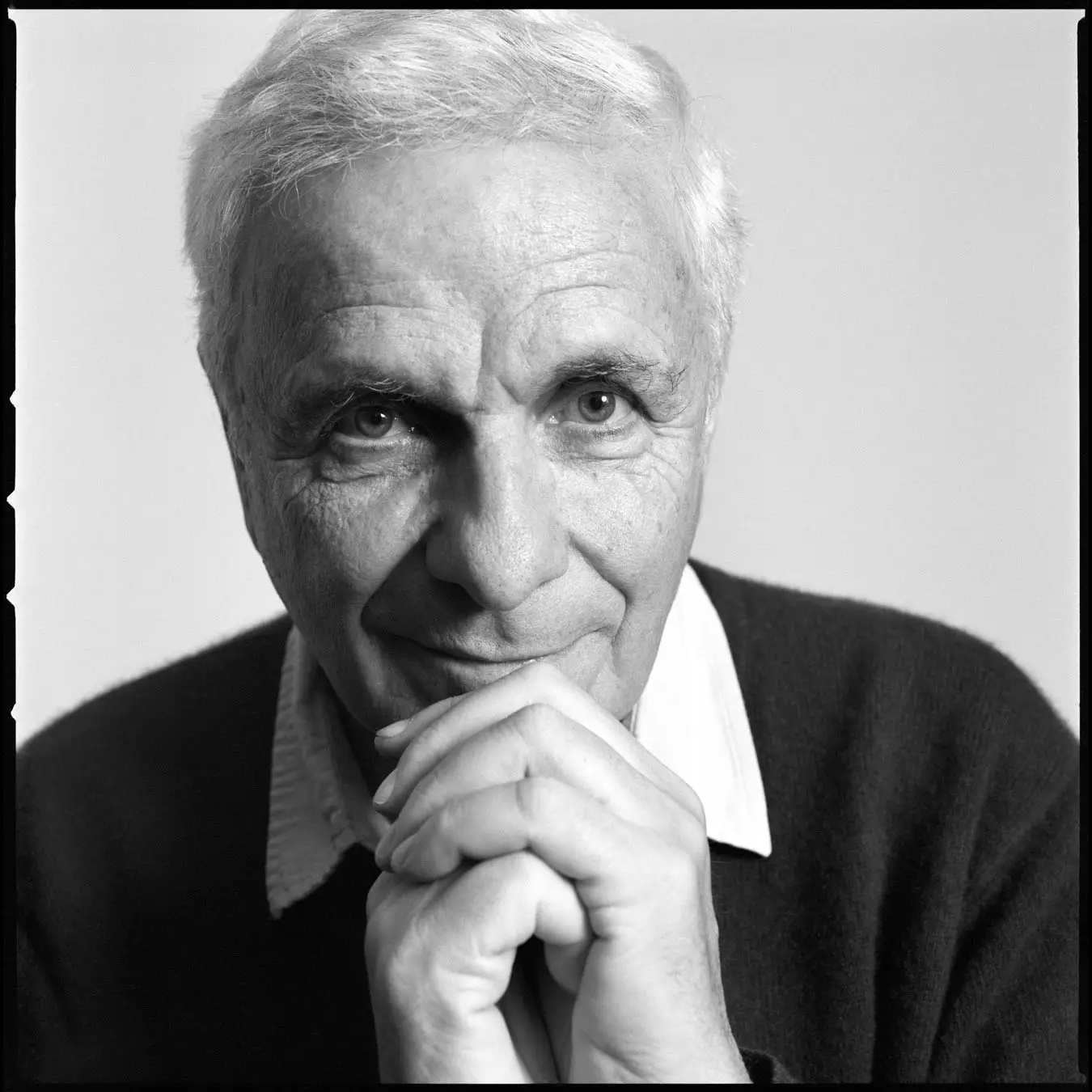
|
2014 |
Michael B. Green
|
United Kingdom | Fundamental Physics | |
|
Michael B. Green won the Breakthrough Prize in Fundamental Physics For opening new perspectives on quantum gravity and the unification of forces.
|
|||||
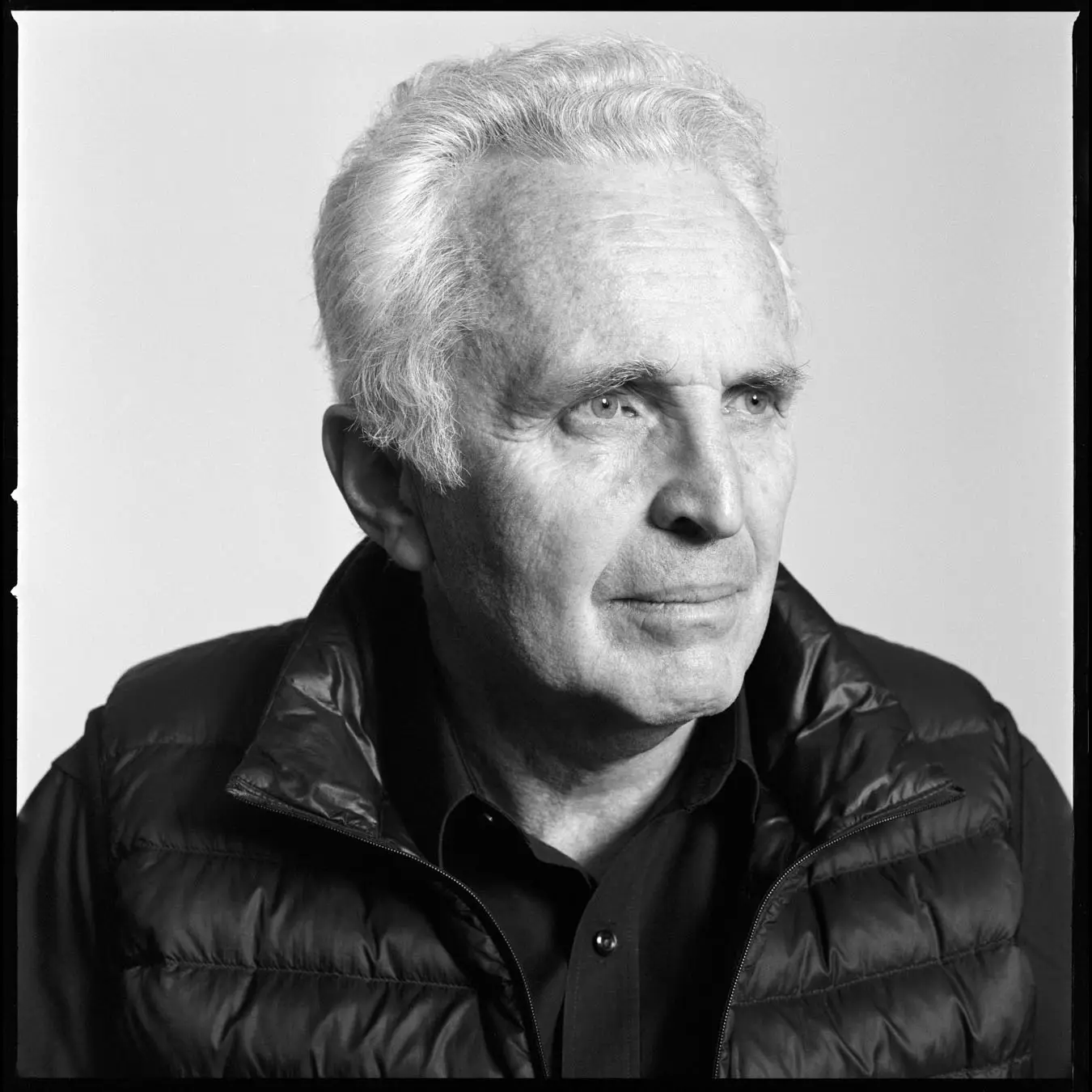
|
2013 |
Alexander Polyakov
|
Russia, United States | Fundamental Physics | |
|
Alexander Polyakov won the Breakthrough Prize in Fundamental Physics For his many discoveries in field theory and string theory, including the conformal bootstrap, magnetic monopoles, instantons, confinement/deconfinement, the quantization of strings in noncritical dimensions, gauge/string duality, and many others. His ideas have dominated the scene in these fields during the past decades.
|
|||||
|
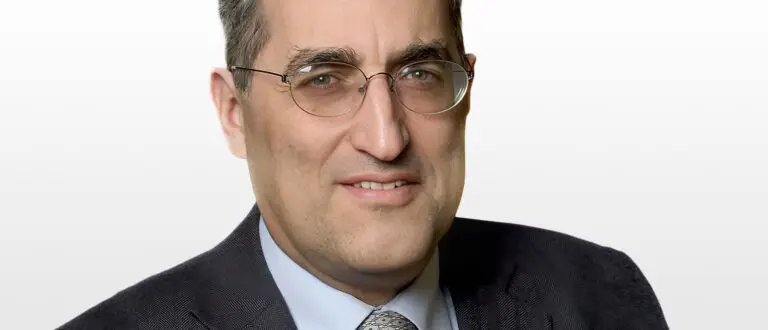
2012 |
Prof. Ashoke Sen
|
India | Fundamental Physics | |
|
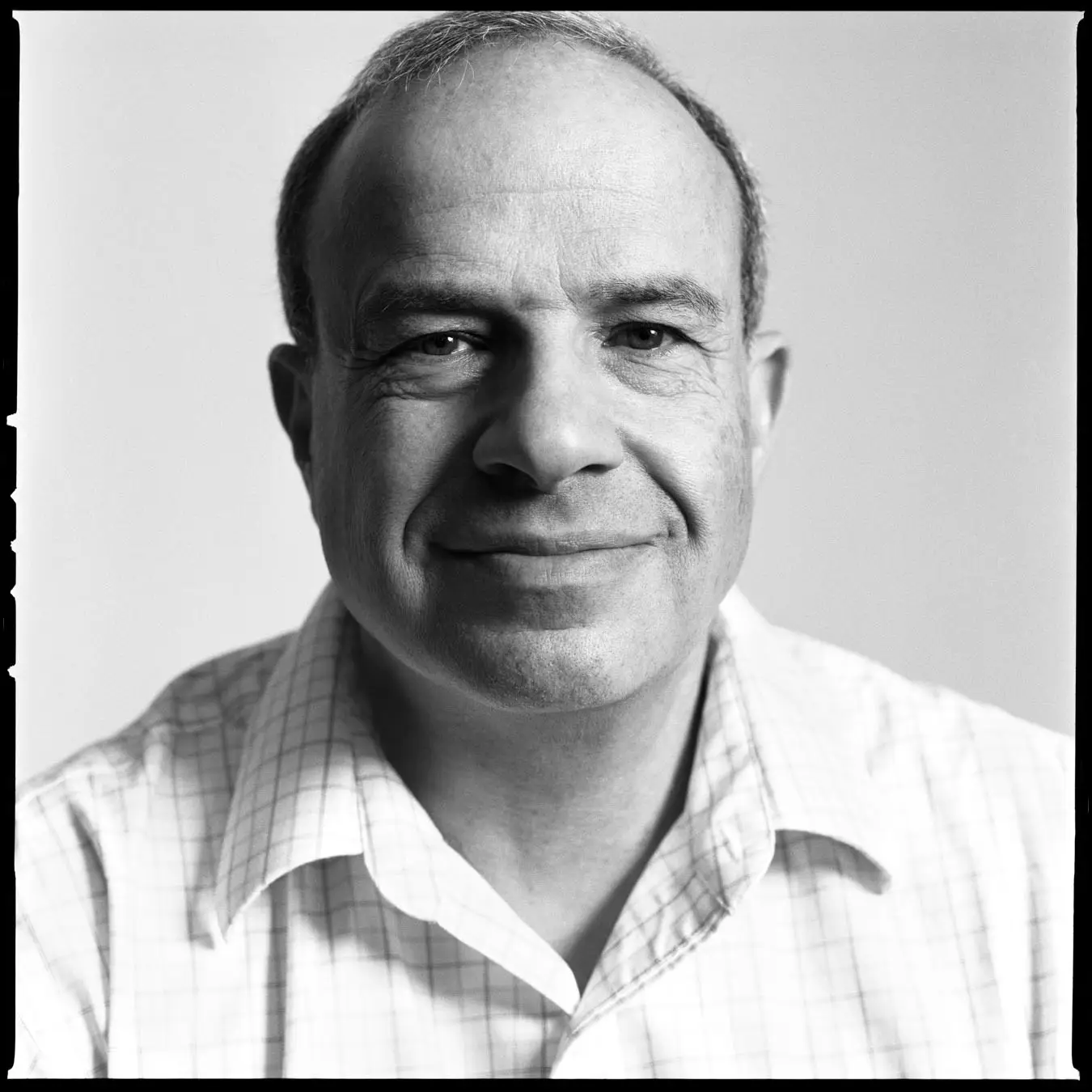
2012 |
Edward Witten
|
United States | Fundamental Physics | |
|
Edward Witten won the Breakthrough Prize in Fundamental Physics For contributions to physics spanning topics such as new applications of topology to physics, non-perturbative duality symmetries, models of particle physics derived from string theory, dark matter detection, and the twistor-string approach to particle scattering amplitudes, as well as numerous applications of quantum field theory to mathematics.
|
|||||
|
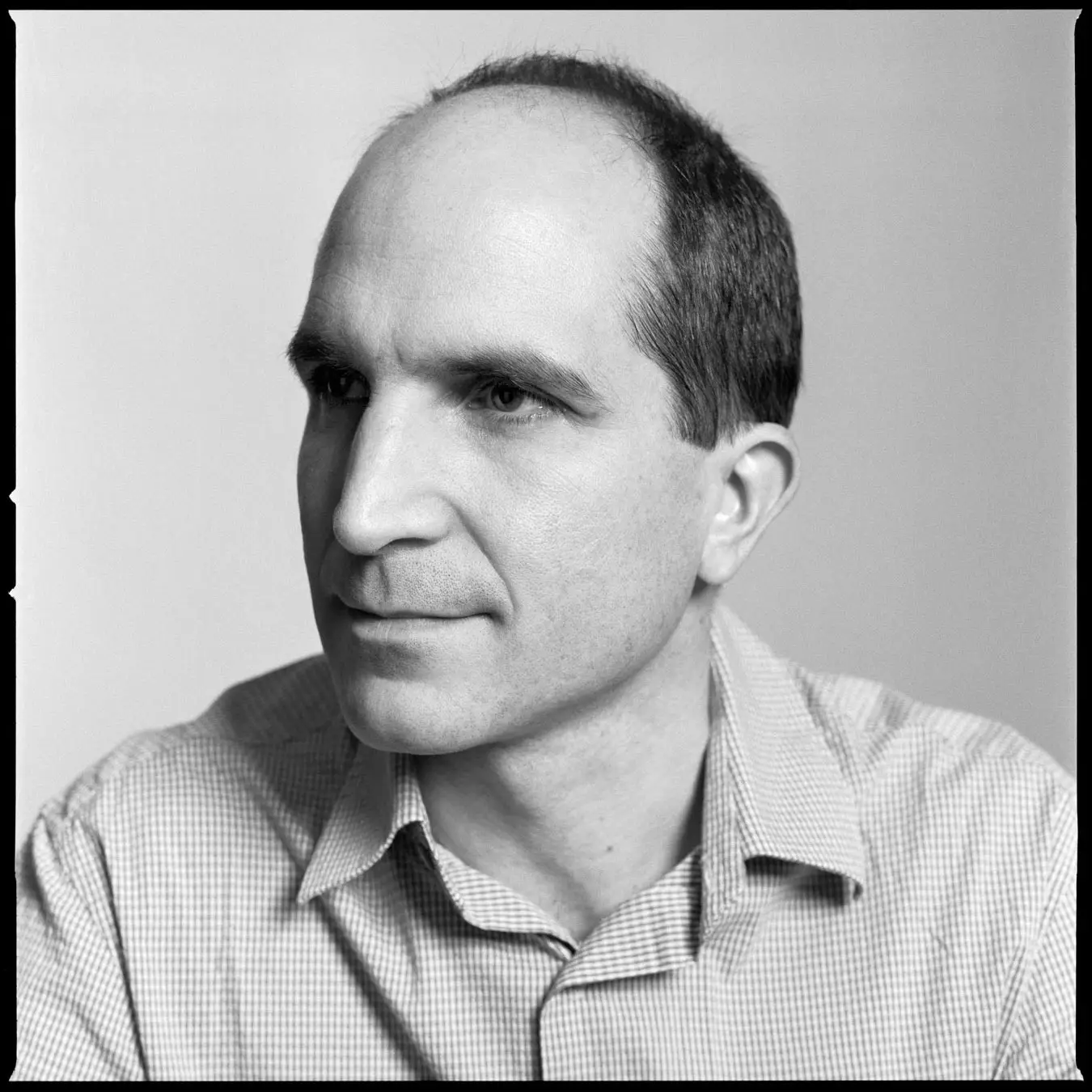
2012 |
Nathan Seiberg
|
Israel, United States | Fundamental Physics | |
|
Nathan Seiberg won the Breakthrough Prize in Fundamental Physics For major contributions to our understanding of quantum field theory and string theory. His exact analysis of supersymmetric quantum field theories led to new and deep insights about their dynamics, with fundamental applications in physics and mathematics.
|
|||||
|
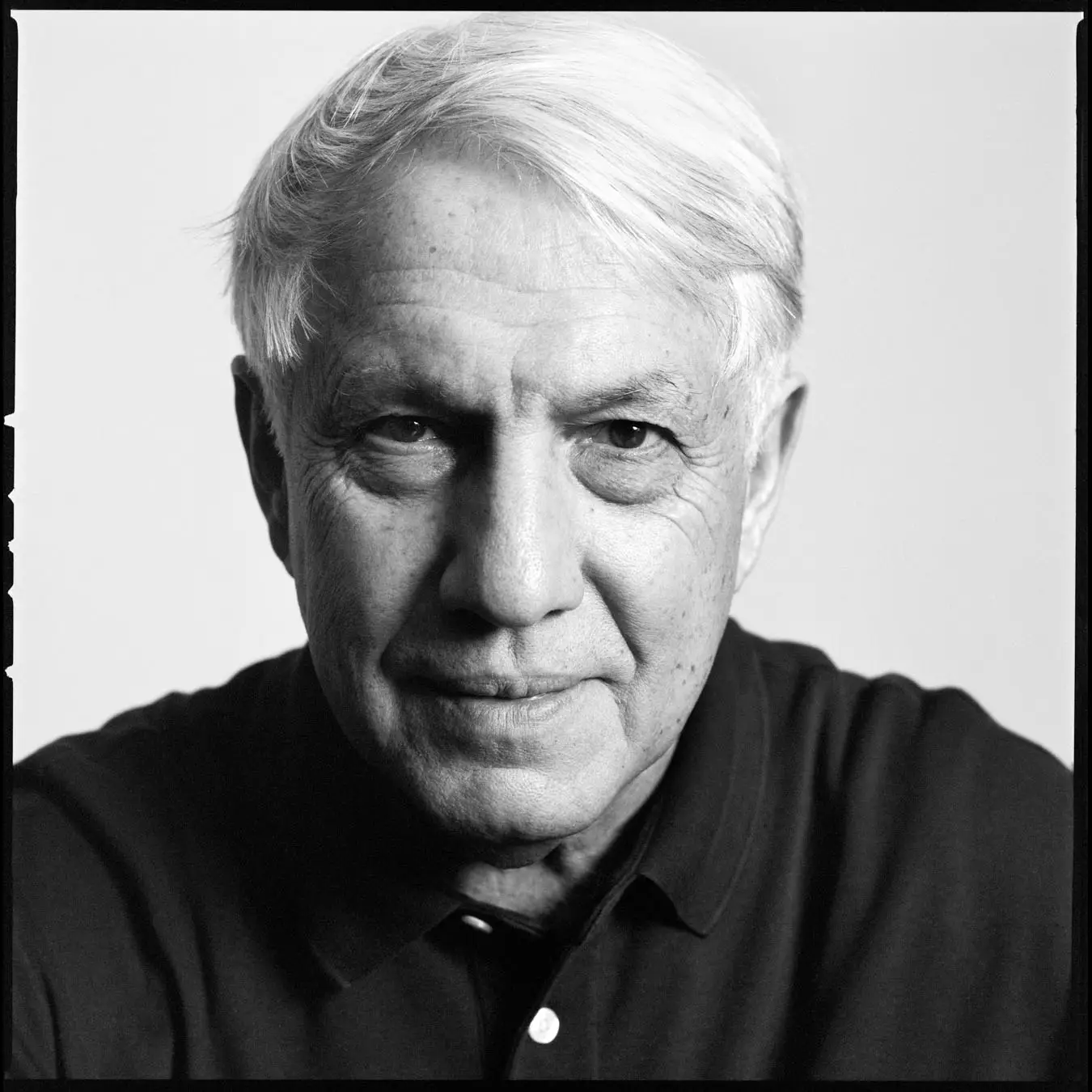
2012 |
Juan Maldacena
|
Argentina, United States | Fundamental Physics | |
|
Juan Maldacena won the Breakthrough Prize in Fundamental Physics For the gauge/gravity duality, relating gravitational physics in a spacetime and quantum field theory on the boundary of the spacetime. This correspondence demonstrates that black holes and quantum mechanics are compatible, resolving the black hole information paradox. It also provides a useful tool for the study of strongly coupled quantum systems, giving insights into a range of problems from high temperature nuclear matter to high temperature superconductors.
|
|||||
|
2012 |
Andrei Linde
|
Russia, United States | Fundamental Physics | |
|
Andrei Linde won the Breakthrough Prize in Fundamental Physics For the development of inflationary cosmology, including the theories of new inflation, eternal chaotic inflation, and the inflationary Multiverse, and for contributing to the development of vacuum stabilization mechanisms in string theory.
|
|||||
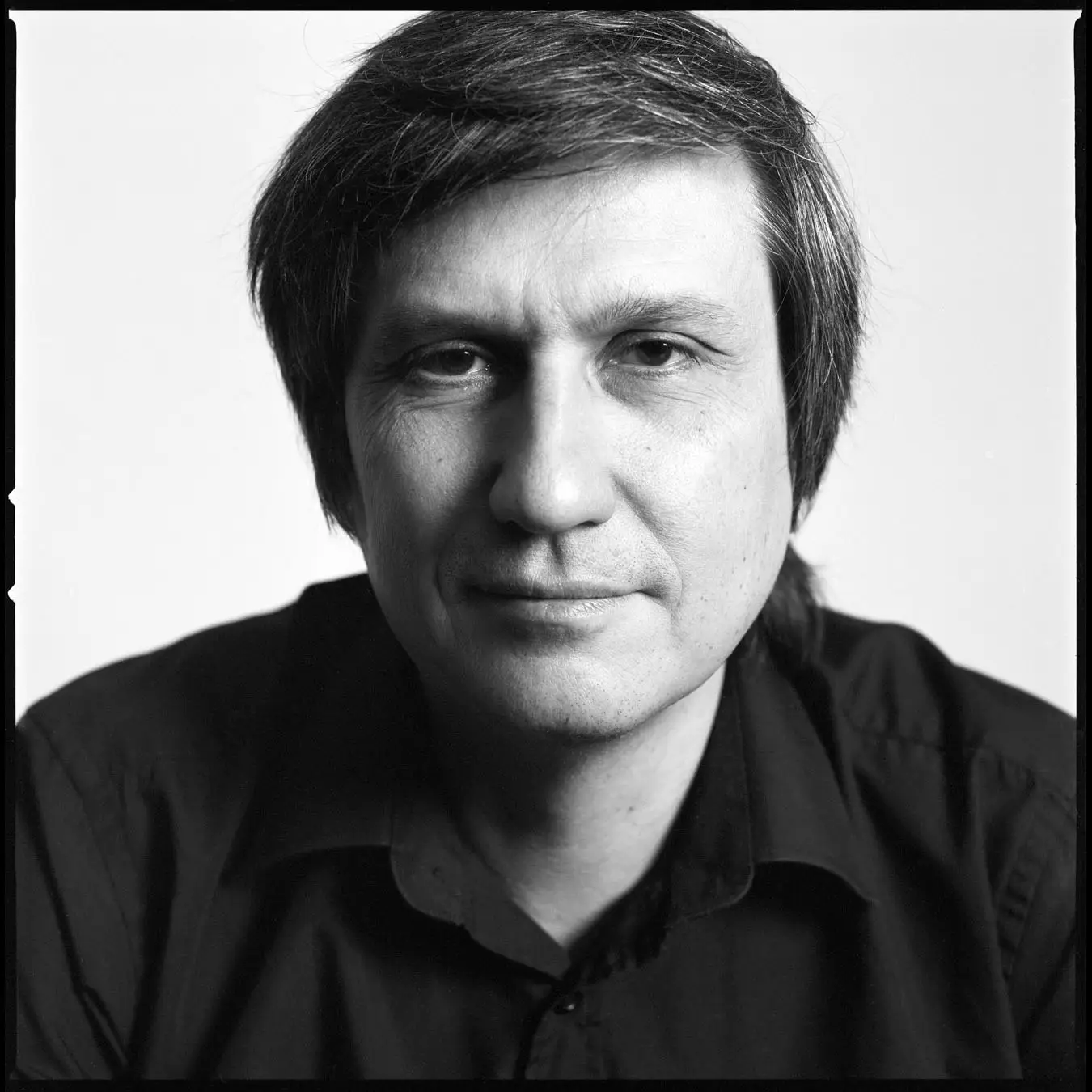
|
2012 |
Maxim Kontsevich
|
Russia, France | Fundamental Physics | |
|
Maxim Kontsevich won the Breakthrough Prize in Fundamental Physics For numerous contributions which have taken the fruitful interaction between modern theoretical physics and mathematics to new heights, including the development of homological mirror symmetry, and the study of wall-crossing phenomena.
|
|||||
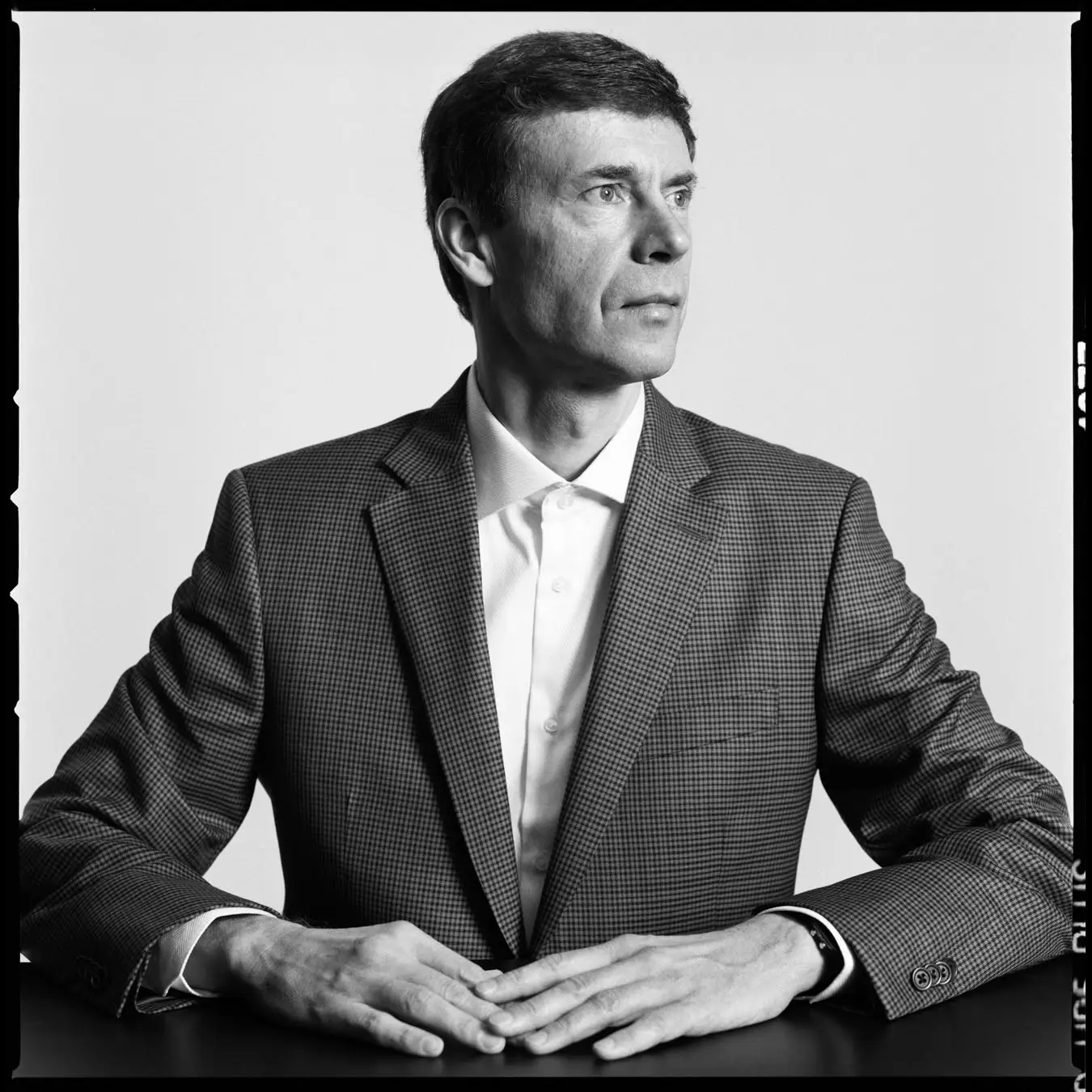
|
2012 |
Alexei Kitaev
|
Russia, United States | Fundamental Physics | |
|
Alexei Kitaev won the Breakthrough Prize in Fundamental Physics For the theoretical idea of implementing robust quantum memories and fault-tolerant quantum computation using topological quantum phases with anyons and unpaired Majorana modes.
|
|||||
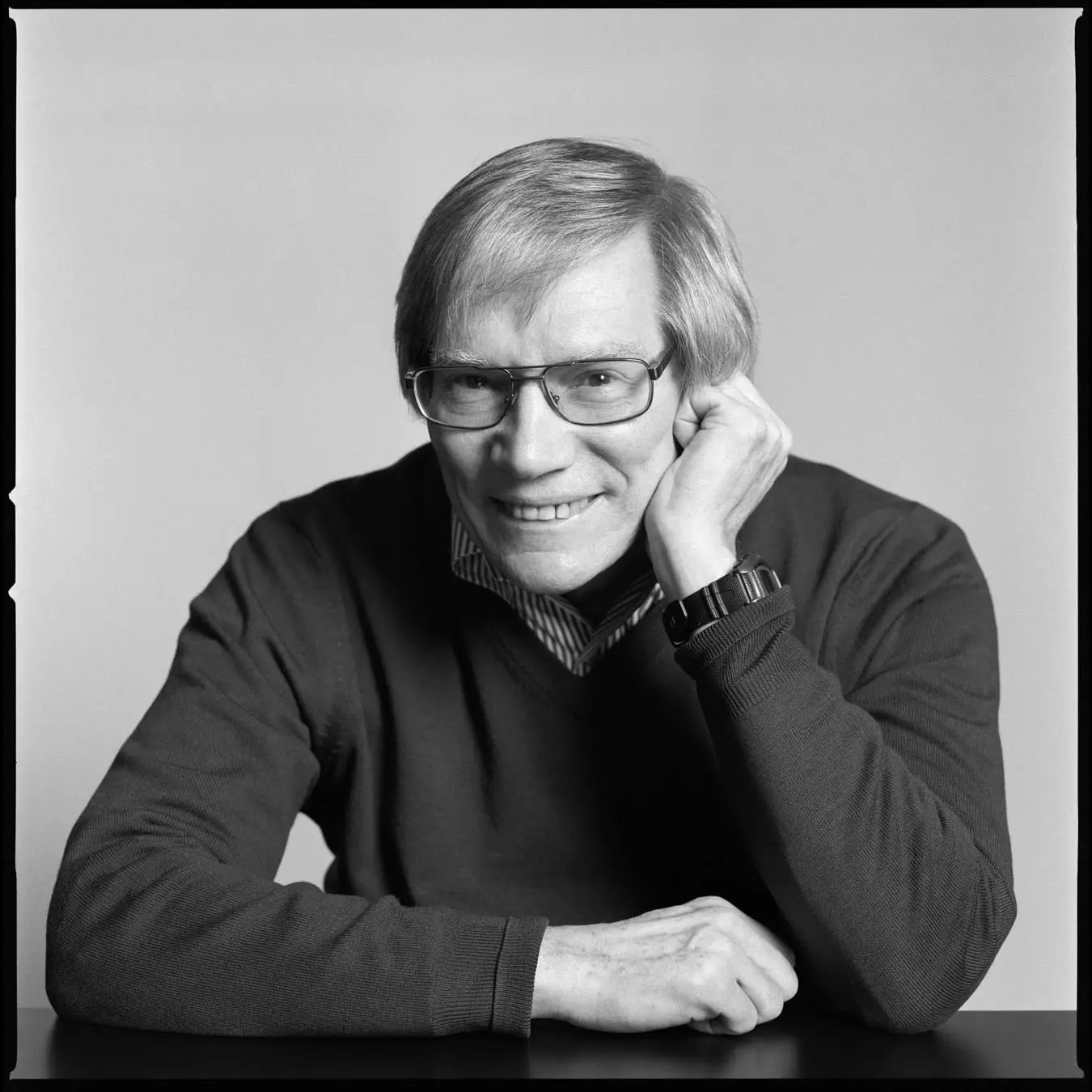
|
2012 |
Alan Guth
|
United States | Fundamental Physics | |
|
Alan Guth won the Breakthrough Prize in Fundamental Physics For the invention of inflationary cosmology, and for his contributions to the theory for the generation of cosmological density fluctuations arising from quantum fluctuations in the early universe, and for his ongoing work on the problem of defining probabilities in eternally inflating spacetimes.
|
|||||
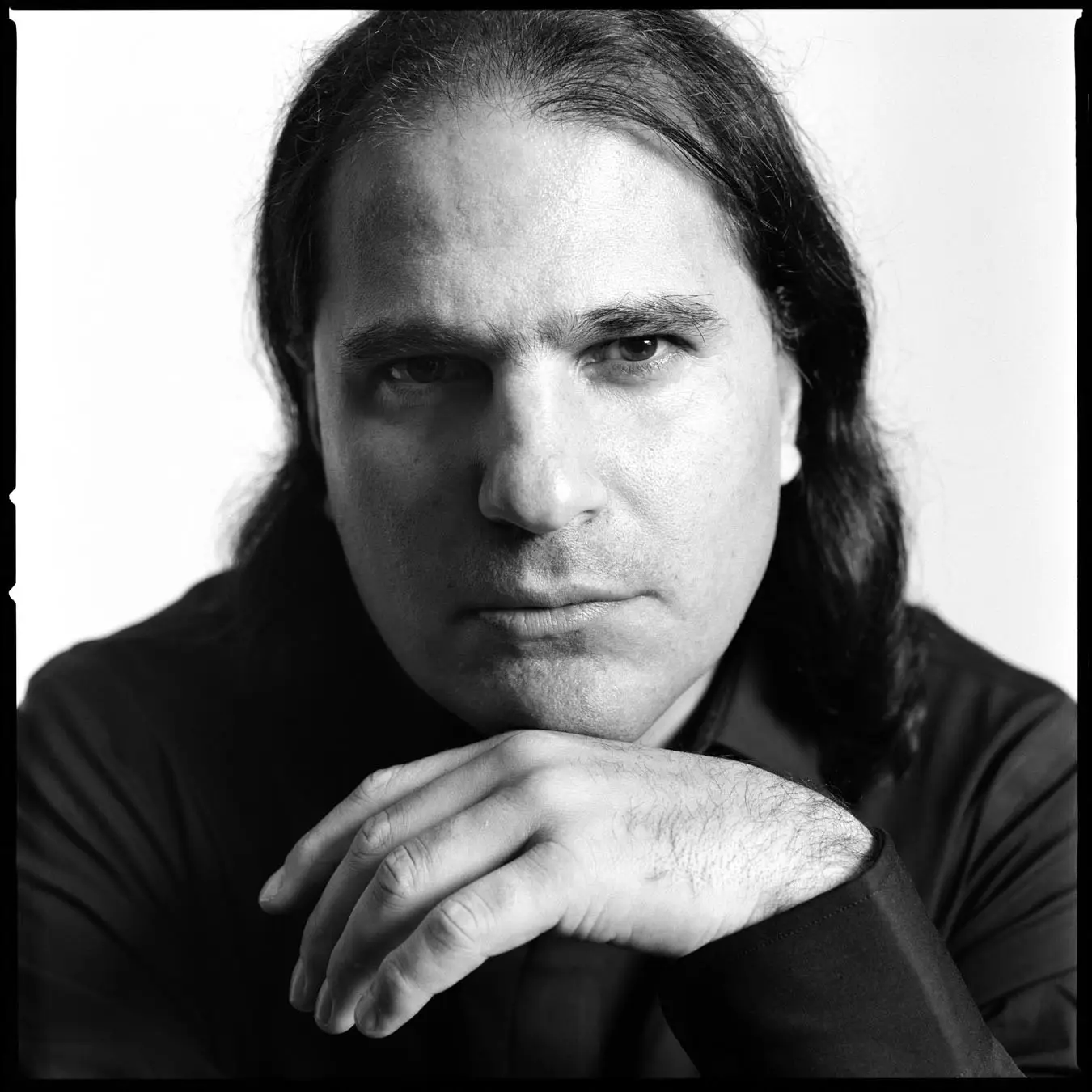
|
2012 |
Nima Arkani-Hamed
|
United States, Canada | Fundamental Physics | |
|
Nima Arkani-Hamed won the Breakthrough Prize in Fundamental Physics For original approaches to outstanding problems in particle physics, including the proposal of large extra dimensions, new theories for the Higgs boson, novel realizations of supersymmetry, theories for dark matter, and the exploration of new mathematical structures in gauge theory scattering amplitudes.
|
|||||
Breakthrough Prize in Fundamental Physics Award Chart by Country
This chart tracks Breakthrough Prize in Fundamental Physics winners by year from 2012 to 2025, spanning 14 years, with the most wins (9) recorded in 2012.
Breakthrough Prize in Fundamental Physics Award Chart by Disciplines
This chart groups 48 Breakthrough Prize in Fundamental Physics winners by Disciplines, across 1 distinct entry — Fundamental Physics leads with 48 wins.
Breakthrough Prize in Fundamental Physics Award FAQs
The Breakthrough Prize in Fundamental Physics covers Breakthrough Prize winners recognized for Fundamental Physics.
The Breakthrough Prize in Fundamental Physics is part of the Breakthrough Prize, a Science Awards award.
The Breakthrough Prize is awarded for Outstanding contributions in life sciences, fundamental physics, and mathematics.
The Breakthrough Prize in Fundamental Physics is presented by Breakthrough Prize Organization.
The Breakthrough Prize was first awarded in 2012.
The most recent Breakthrough Prize was awarded in April 5, 2025.
Yes, the Breakthrough Prize is currently active.
Other Award By Type Segments
Rashtriya Vigyan Puraskar Winners
Science Awards
|
28 AUG 2026
Ramon Magsaysay Award Winners
Humanities Awards
|
14 SEP 2026

Ashok Chakra (AC) Winners
Civilian Awards
|
7 SEP 2026

Padma Vibhushan Winners
Civilian Awards
|
7 SEP 2026

Padma Bhushan Winners
Civilian Awards
|
6 SEP 2026