|
2025
|
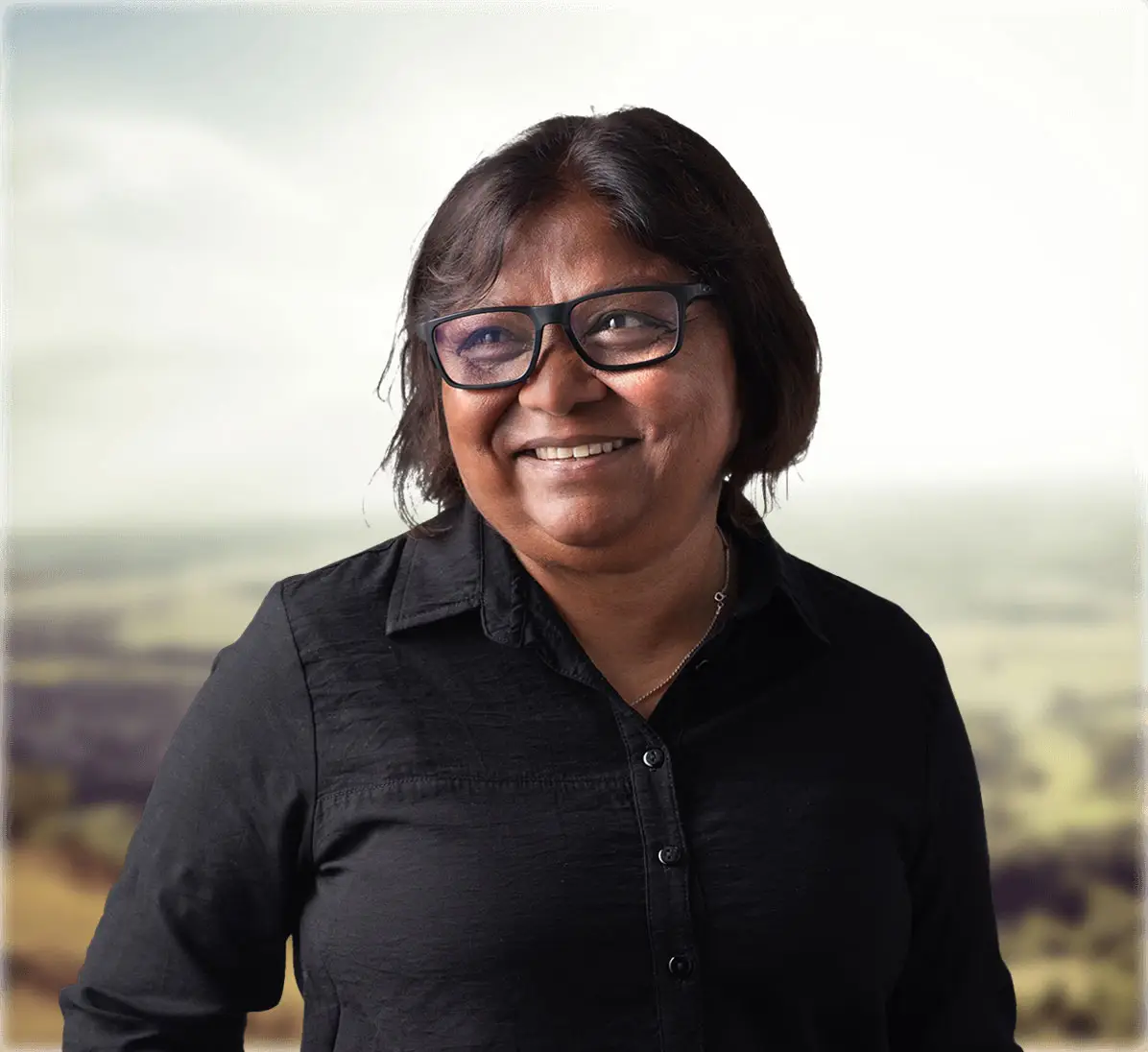
Shaahina Ali
|
Maldives
|
Environmental activist; diver/diving instructor; Executive Director, Parley Maldives
|
|
|
Shaahina Ali is the Maldives' first female professional diver and a marine conservation leader who turned personal grief over plastic-choked seas into a nationwide movement. As Executive Director of Parley Maldives, she launched the "Avoid, Intercept, Redesign" plastic campaign, built collection sites in 70+ schools, and organized 700+ coastal cleanups. She won the 2025 Ramon Magsaysay Award, becoming the first Maldivian laureate, for her passionate, inclusive protection of the archipelago's marine ecosystem.
|
|
2025
|
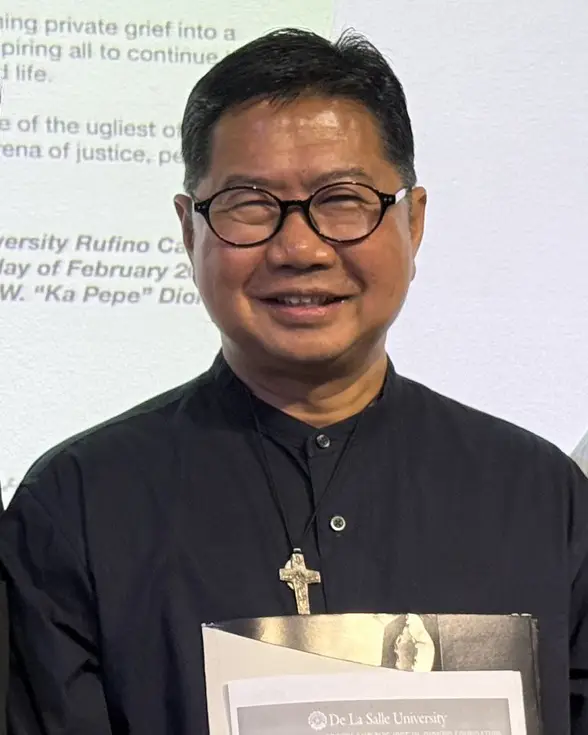
Flavie Villanueva
|
Philippines
|
Roman Catholic priest (Societas Verbi Divini) and human rights advocate
|
|
|
A former drug user turned priest (ordained 2006), Villanueva founded the Arnold Janssen Kalinga Center (2015), serving Manila's homeless with food, showers, and counseling. Through his "Paghilom" (Healing) program he exhumed, cremated, and memorialized victims of the Philippine drug war, building the country's first columbarium honoring them. He won the 2025 Ramon Magsaysay Award for restoring the dignity of the poor and oppressed through practical compassion.
|

|
2025
|
Foundation to Educate Girls Globally
|
India
|
Non-profit NGO for girls' education in rural India
|
|
|
Educate Girls mobilizes communities and volunteers to enroll and retain out-of-school girls in rural, educationally disadvantaged India. Growing from 50 pilot villages to over 30,000, it has engaged roughly 2 million girls with 90%+ retention, pioneered education's first Development Impact Bond, and built the 55,000-strong "Team Balika" youth movement. It won the 2025 Ramon Magsaysay Award, the first Indian organization so honored, for dismantling illiteracy and patriarchal barriers to girls' education.
|
|
2024
|
Rural Doctors Movement
|
Thailand
|
Movement/coalition of rural public-hospital physicians (Thailand)
|
|
|
Formed by young doctors posted to underserved rural hospitals, the movement campaigned for decades to strengthen rural healthcare and reduce inequality, driving Thailand's landmark 2002 Universal Health Coverage scheme and constitutional guarantees of free care for the poor. It also mobilized during COVID-19 to serve Bangkok's urban poor. It won the 2024 Ramon Magsaysay Award, the first movement rather than individual so honored in the award's 66-year history.
|
|
2024
|
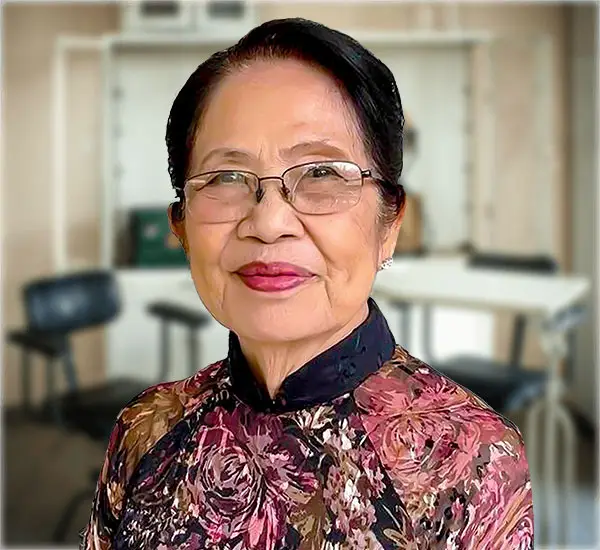
Nguyen Thi Ngoc Phuong
|
Vietnam
|
Physician and obstetrician-gynecologist; former director, Tu Du Hospital, Ho Chi Minh City
|
|
|
Dubbed "Dr. Fairy" for pioneering IVF in Vietnam, Phuong also conducted groundbreaking research proving Agent Orange exposure caused birth defects at triple the rate of unexposed areas. She helped found the Vietnam Association of Victims of Agent Orange/Dioxin, testified before the U.S. Congress, and served in Vietnam's National Assembly on reproductive-health policy. She won the 2024 Ramon Magsaysay Award for exposing Agent Orange's multigenerational legacy and advocating justice for victims.
|
|
2024
|
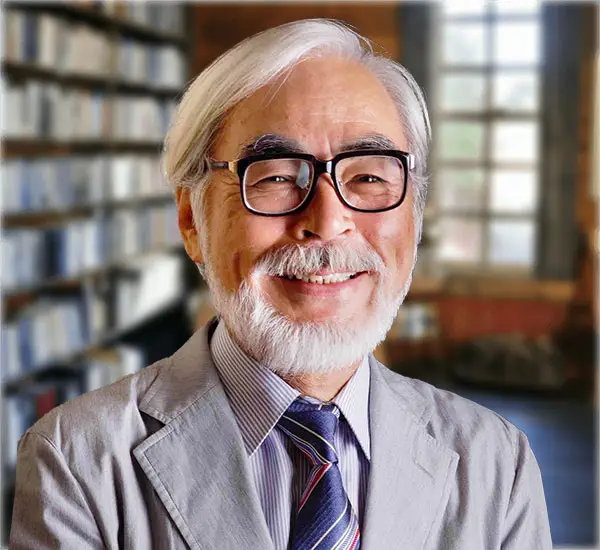
Miyazaki Hayao
|
Japan
|
Animator, filmmaker, screenwriter, manga artist; co-founder of Studio Ghibli
|
|
|
A master animator who co-founded Studio Ghibli in 1985, Miyazaki directed globally acclaimed films including My Neighbor Totoro, Princess Mononoke, Spirited Away, and The Boy and the Heron, tackling environmentalism, pacifism, and women's agency through work accessible to children yet intellectually rich. He won the 2024 Ramon Magsaysay Award for a lifelong commitment to using animation to illuminate the human condition and champion imagination.
|
|
2024
|
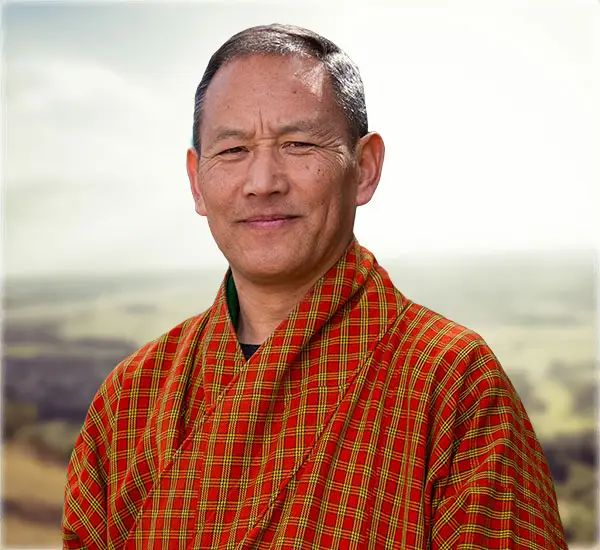
Karma Phuntsho
|
Bhutan
|
Scholar of Buddhism, Tibetan and Himalayan studies; former Buddhist monk; social entrepreneur
|
|
|
A former monk turned Oxford-trained scholar (PhD 2003), Phuntsho authored "The History of Bhutan" and founded the Loden Foundation (1999) and Shejun Agency to document Bhutanese culture while supporting entrepreneurship and education. He won the 2024 Ramon Magsaysay Award, the first Bhutanese laureate in over six decades, for harmonizing Bhutan's cultural heritage with its modern development and inspiring youth to engage with both.
|
|
2024
|
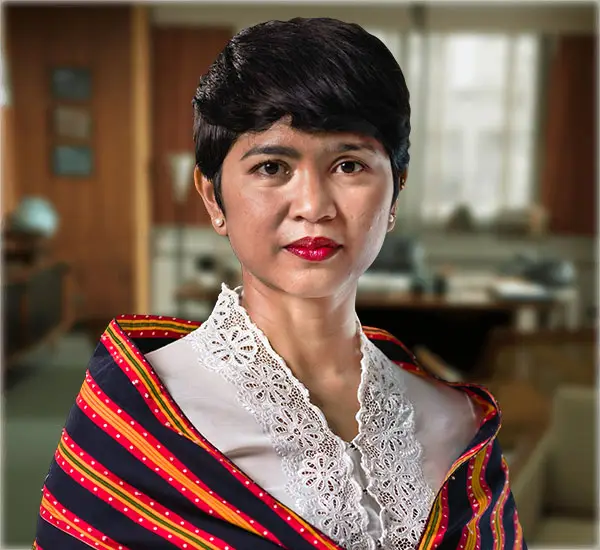
Farwiza Farhan
|
Indonesia
|
Environmental conservationist; Executive Director, Yayasan HAkA (Forest, Nature and Environment Aceh)
|
|
|
Born and raised in Aceh, Farhan co-founded HAkA in 2013 to protect the 2.6-million-hectare Leuser Ecosystem, the last place on Earth where tigers, orangutans, rhinos, and elephants coexist. She secured a landmark $26 million court judgment against an illegal palm-oil operator and blocked a dam threatening elephant habitat. She won the 2024 Ramon Magsaysay Award for Emergent Leadership.
|
|
2023
|
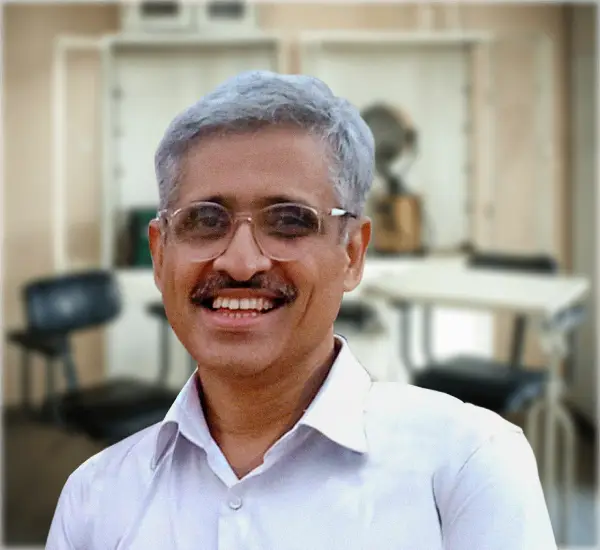
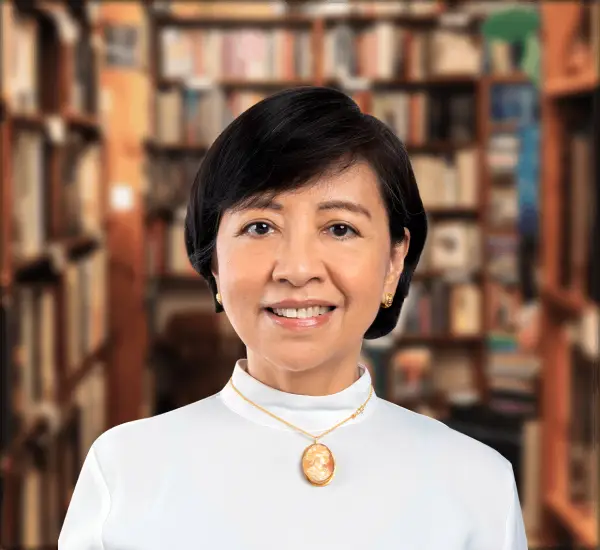
Ravi Kannan R.
|
India
|
Surgical oncologist; Director, Cachar Cancer Hospital and Research Centre, Silchar, Assam
|
|
|
After heading surgical oncology at Chennai's Adyar Cancer Institute, Kannan moved to remote Assam in 2007 to lead CCHRC, growing it from a small facility to a 28-department, 451-staff center serving 5,000+ new patients yearly. His pro-poor model of free treatment, food, lodging, and homecare raised patient compliance from 28% to 70%. He won the 2023 Ramon Magsaysay Award for devoting his career to equitable cancer care for the poor.
|
|
2023
|
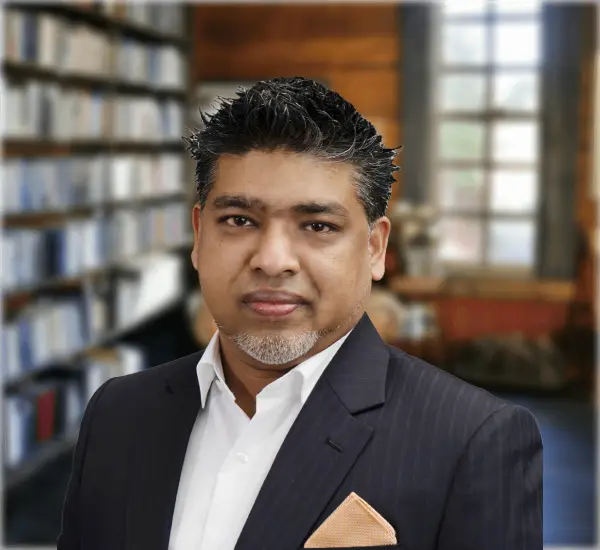
Miriam Coronel-Ferrer
|
Philippines
|
Political scientist (University of the Philippines); peace negotiator and mediator
|
|
|
A democracy activist since the Marcos dictatorship, Coronel-Ferrer became the world's first woman to serve as chief government negotiator and sign a final peace accord with a rebel group, leading talks that produced the 2014 Comprehensive Agreement on the Bangsamoro with the MILF. She has since advised UN mediation missions and co-founded the Southeast Asian Women Peace Mediators network. She won the 2023 Ramon Magsaysay Award for advancing nonviolent, gender-inclusive peacebuilding.
|
|
2023
|
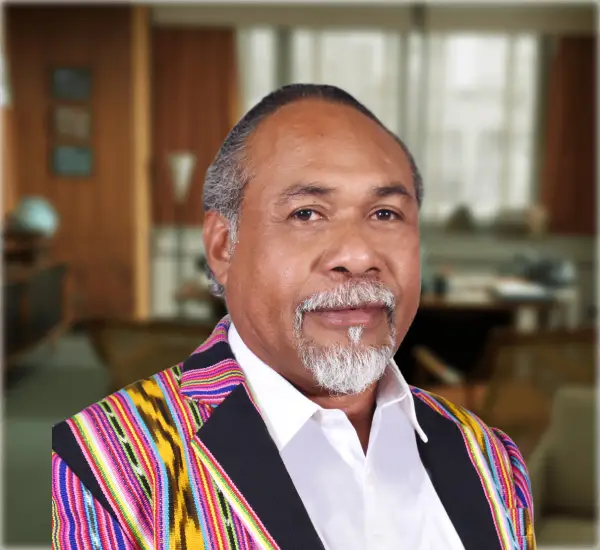
Korvi Rakshand
|
Bangladesh
|
Social entrepreneur; founder, JAAGO Foundation
|
|
|
Rakshand founded JAAGO Foundation in 2007 with six friends and 17 students in a rented room; it has since grown into 11 free schools across 10 districts educating 30,000 Bangladeshi children, plus a Digital School Program and a 50,000-strong volunteer youth network, including support for Rohingya refugee children. He won the 2023 Ramon Magsaysay Award for Emergent Leadership for democratizing education and mobilizing youth toward social transformation.
|
|
2023
|
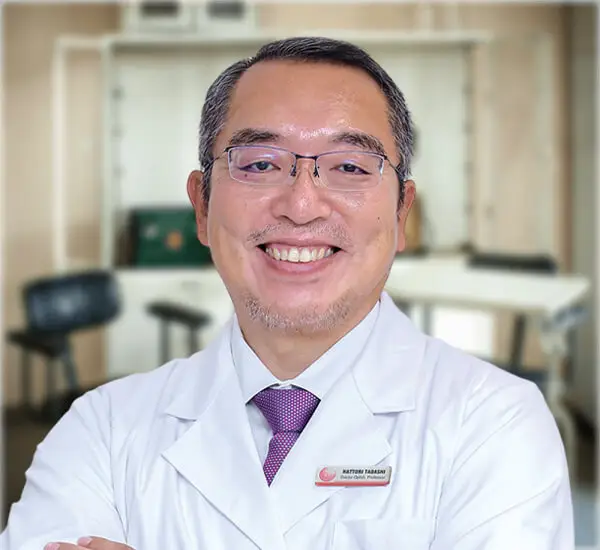
Eugenio Lemos
|
Timor-Leste
|
Agricultural scientist and permaculture/food-sovereignty activist
|
|
|
Lemos founded Permakultura Timor-Lorosa'e (Permatil) in 2001 to promote food sovereignty and sustainable agriculture in Timor-Leste. His programs trained over 5,000 youths, embedded school gardens in the national curriculum at 250+ schools, and built over 1,000 water ponds and revived 300 springs benefiting some 400,000 people. He won the 2023 Ramon Magsaysay Award for grassroots work integrating indigenous culture with environmental and food-security advocacy.
|
|
2022
|
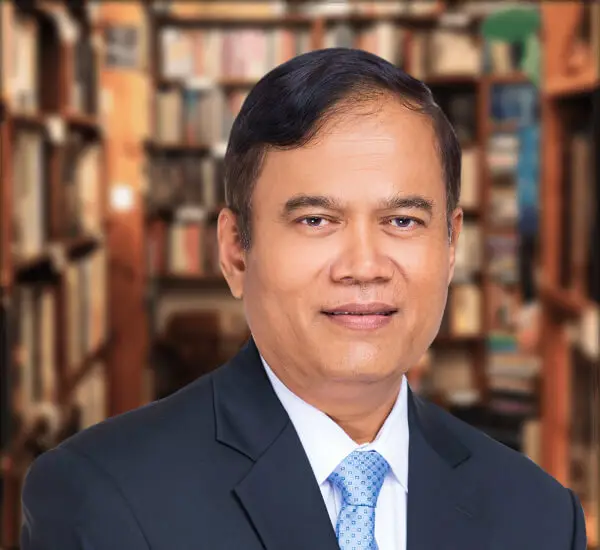
Tadashi Hattori
|
Japan
|
Ophthalmologist and surgeon
|
|
|
Since 2002 Hattori has performed free cataract and vitrectomy surgeries for over 20,000 patients, primarily in Vietnam, founded the Asia-Pacific Prevention of Blindness Association, and established the Japan International Eye Hospital in Hanoi (2014), training 30+ Vietnamese doctors. He won the 2022 Ramon Magsaysay Award for restoring sight to thousands of underprivileged patients across Asia.
|
|
2022
|
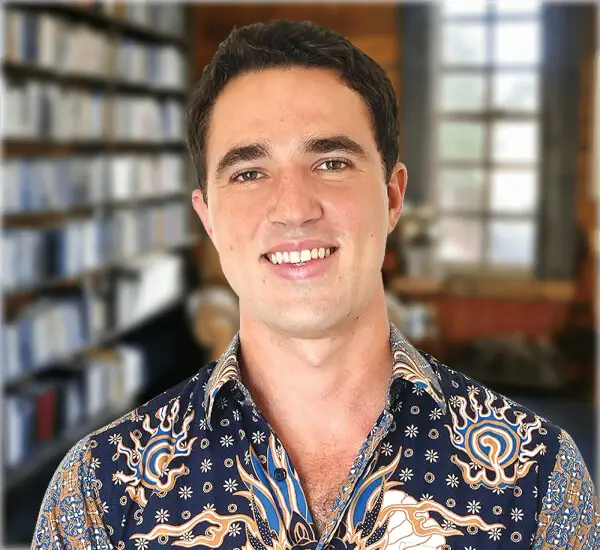
Sotheara Chhim
|
Cambodia
|
Psychiatrist; Executive Director, Transcultural Psychosocial Organization (TPO)-Cambodia
|
|
|
Among the first Cambodian psychiatrists trained after the Khmer Rouge era, Chhim developed "baksbat" ("broken courage"), a culturally grounded framework for trauma, and pioneered testimonial therapy blending clinical treatment with spiritual healing. He built TPO-Cambodia into the country's largest mental-health NGO and led "Operation Unchain" to free and treat restrained mentally ill patients. He won the 2022 Ramon Magsaysay Award for transformative mental-health service amid deep societal trauma.
|
|
2022
|
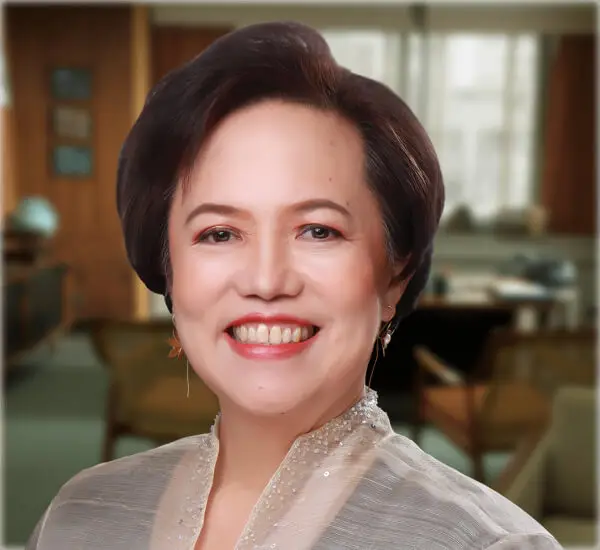
Gary Bencheghib
|
France, Indonesia
|
Environmental filmmaker and activist; co-founder, Sungai Watch
|
|
|
Bencheghib began organizing beach cleanups with his siblings at age 14, later producing 100+ videos on plastic pollution, including a 2017 Citarum River documentary that prompted Indonesian government action. He co-founded Sungai Watch in 2020, deploying 150+ river trash barriers across Bali and Java that have collected over a million kilograms of waste. He won the 2022 Ramon Magsaysay Award for Emergent Leadership for combining adventure, video, and technology in the fight against marine plastic pollution.
|
|
2022
|
Bernadette J. Madrid
|
Philippines
|
Pediatrician, child-protection advocate
|
|
|
Filipino pediatrician who since 1997 has headed the Philippine General Hospital Child Protection Unit, the country's first integrated medical-legal-social service for abused children. She founded the Child Protection Network Foundation (2002), which now oversees 123 Women and Child Protection Units nationwide serving nearly 120,000 children. She won the 2022 Ramon Magsaysay Award for her unassuming and steadfast commitment to multidisciplinary child-abuse prevention across Asia.
|

|
2021
|
Watchdoc Media Mandiri
|
Indonesia
|
Independent audiovisual/documentary production house (Indonesia)
|
|
|
Founded by media activists Andhy Panca Kurniawan and Dandhy Dwi Laksono, Watchdoc produces investigative documentaries, TV features, and digital content on human rights, environmental destruction, and social justice issues underreported by mainstream Indonesian media. It won the 2021 Ramon Magsaysay Award (Emergent Leadership) for its principled crusade for independent media and vision of citizens as makers of their own media.
|

|
2021
|
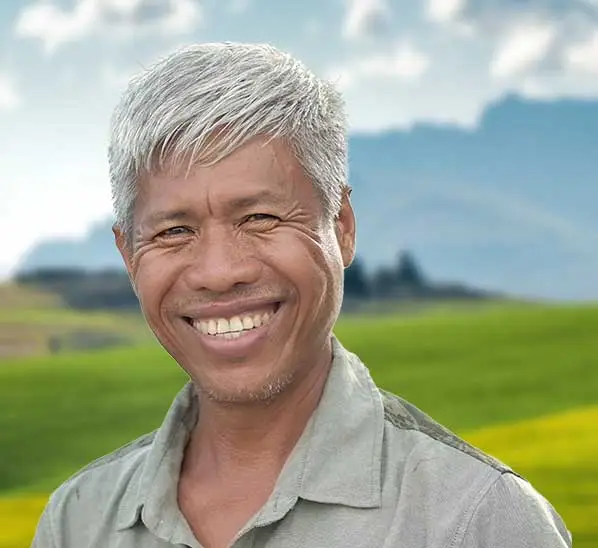
Steven Muncy
|
Southeast Asia
|
Humanitarian worker; founder/director, Community and Family Services International (CFSI)
|
|
|
American humanitarian who arrived in the Philippines in his early twenties and founded CFSI in 1981 to serve displaced persons in Southeast Asia. Over more than 40 years he has assisted refugees from 48 countries in the Philippines, Myanmar, and Vietnam, and helped over 300 people earn advanced social work degrees. He won the 2021 Ramon Magsaysay Award for his unshakable belief in the goodness of man.
|
|
2021
|
Roberto Ballon
|
Philippines
|
Fisherman; community organizer/conservationist
|
|
|
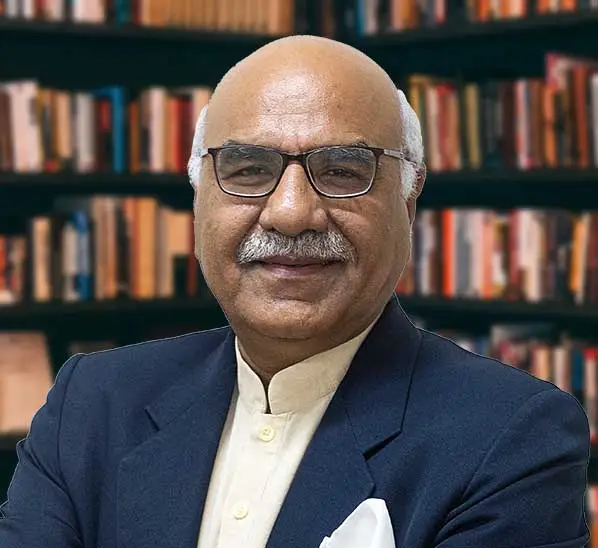
A fisherman from Concepcion, Iloilo, Ballon co-founded the Kabus nga Mangingisda sa Concepcion (KGMC) in 1986 to reforest mangroves and revive collapsing fisheries. The group expanded managed mangrove areas from 50 to 500 hectares, boosting catches dramatically. He won the 2021 Ramon Magsaysay Award for leading fisherfolk to build a sustainable marine environment through grassroots organizing.
|
|
2021
|
Muhammad Amjad Saqib
|
Pakistan
|
Social entrepreneur, former civil servant; founder of Akhuwat Foundation
|
|
|
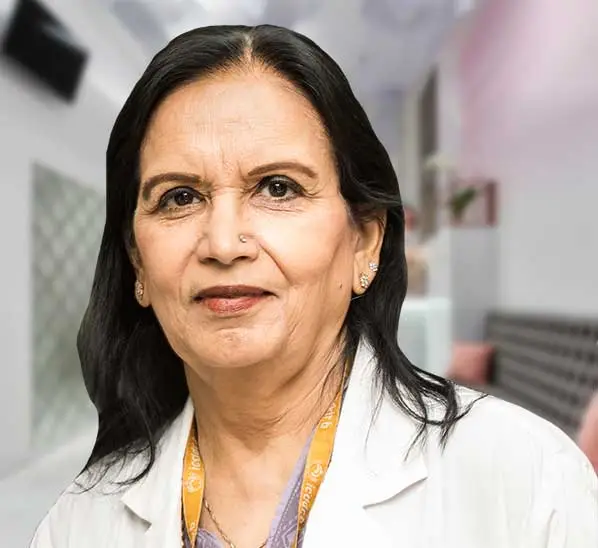
Pakistani development practitioner who founded Akhuwat in 2001, pioneering interest-free, collateral-free microfinance rooted in Islamic principles of brotherhood. Akhuwat has since disbursed billions of rupees to millions of poor families with a repayment rate above 99%, and expanded into education, health, and clothing programs. He won the 2021 Ramon Magsaysay Award for his first-of-its-kind lending model helping millions escape poverty.
|
|
2021
|
Firdausi Qadri
|
Bangladesh
|
Immunologist and vaccine scientist
|
|
|
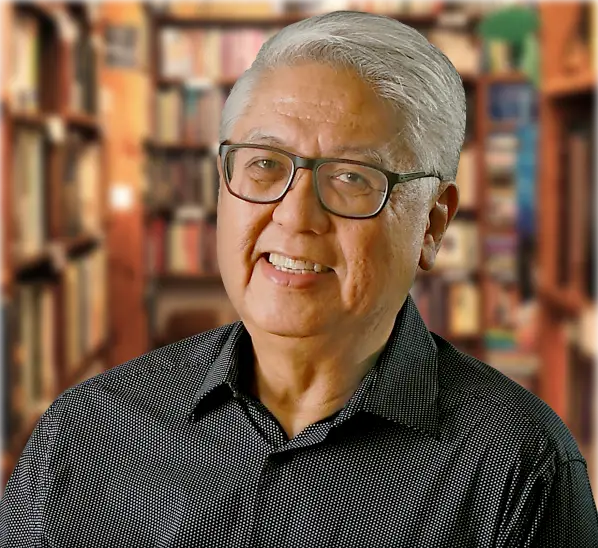
Bangladeshi scientist at icddr,b who has spent over 25 years developing affordable vaccines for cholera, typhoid, and other enteric diseases, including deployment for Rohingya refugees, and founded the Institute for Developing Science and Health Initiatives (ideSHi). She won the 2021 Ramon Magsaysay Award for her lifelong devotion to science and building Bangladesh's biotechnology research capacity, particularly for women scientists.
|
|
2019
|
Raymundo Pujante Cayabyab
|
Philippines
|
Composer, arranger, conductor, music director, performer, and music educator
|
|
|
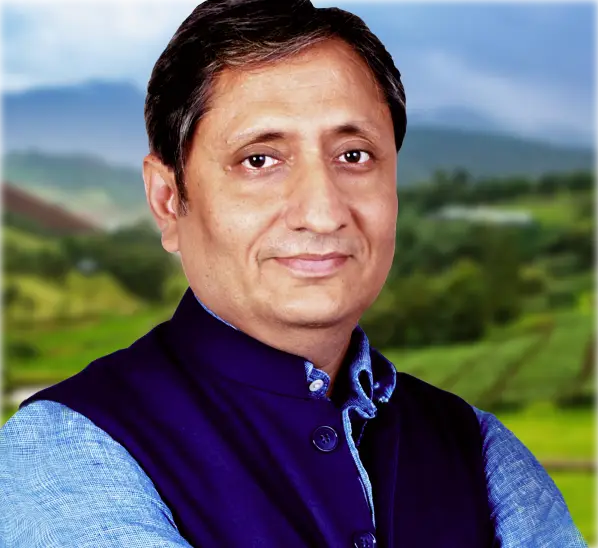
Full legal name of Ryan Cayabyab, a leading figure in Original Pilipino Music (OPM) with a four-decade career and National Artist of the Philippines for Music (2018), who founded The Music School of Ryan Cayabyab. He received the 2019 Ramon Magsaysay Award for compositions and performances that defined and inspired Filipino popular music across generations, his mentorship of young musicians, and for showing that music can instill pride and unify people across social divides.
|
|
2019
|
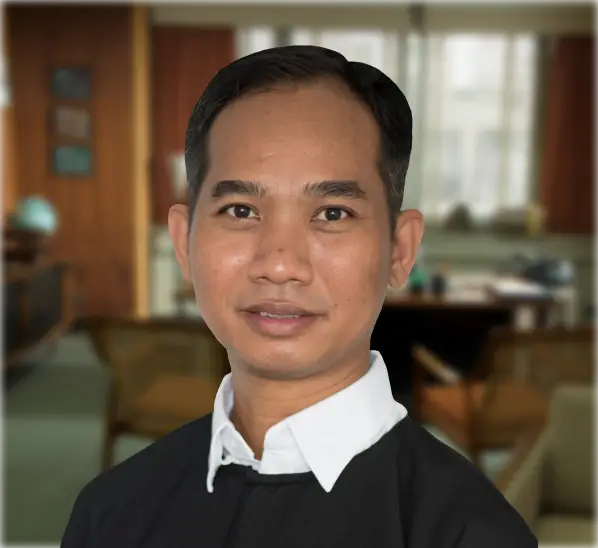
Ravish Kumar
|
India
|
Journalist, news anchor, author
|
|
|
Indian journalist who served as Senior Executive Editor of NDTV India (1994-2022), hosting Prime Time and other programs known for fearless, independent reporting on social issues, government accountability, and rural India. He later built a major independent YouTube following. He won the 2019 Ramon Magsaysay Award for his critical, non-communal journalism that resists hate-driven narratives.
|
|
2019
|
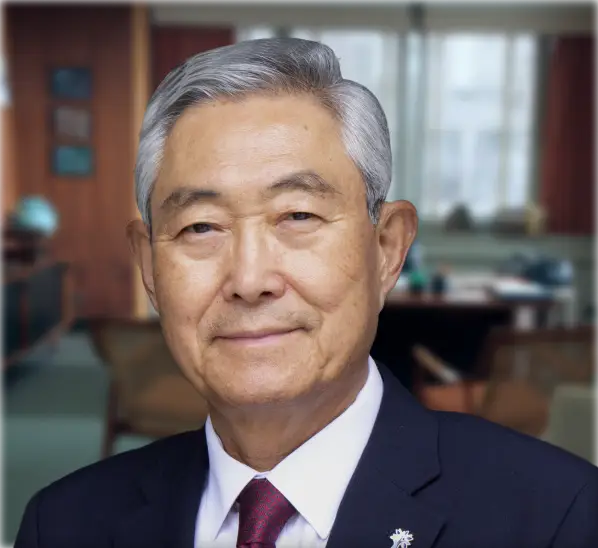
Ko Swe Win
|
Myanmar (Burma)
|
Journalist; editor-in-chief, Myanmar Now
|
|
|
Exiled Myanmar journalist who co-founded Myanmar Now in 2015 and built it into a leading independent news outlet despite imprisonment, legal harassment, and death threats. He reported extensively on Rohingya persecution and human rights abuses. He won the 2019 Ramon Magsaysay Award for fostering journalistic integrity in Myanmar, becoming the award's youngest-ever recipient at the time.
|
|
2019
|
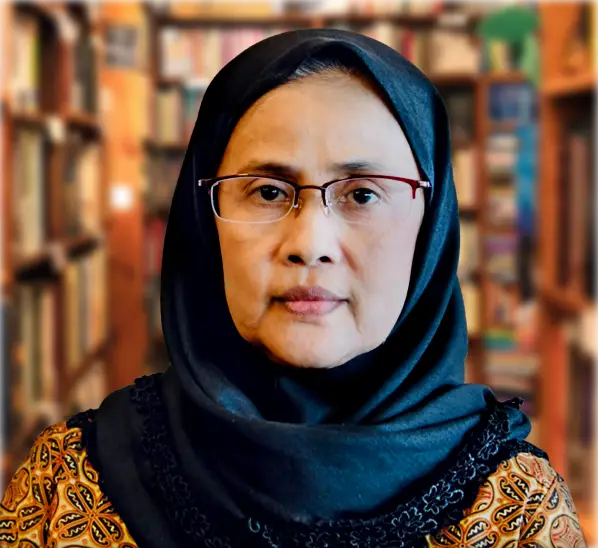
Jong-ki Kim
|
South Korea
|
Former businessman; anti-school-violence advocate
|
|
|
After his son died by suicide due to school bullying, Kim founded the Foundation for Preventing Youth Violence (later renamed The Blue Tree Foundation). He won the 2019 Ramon Magsaysay Award for transforming private grief into a nationwide movement instilling self-esteem, tolerance, and non-violence among Korean youth.
|
|
2019
|
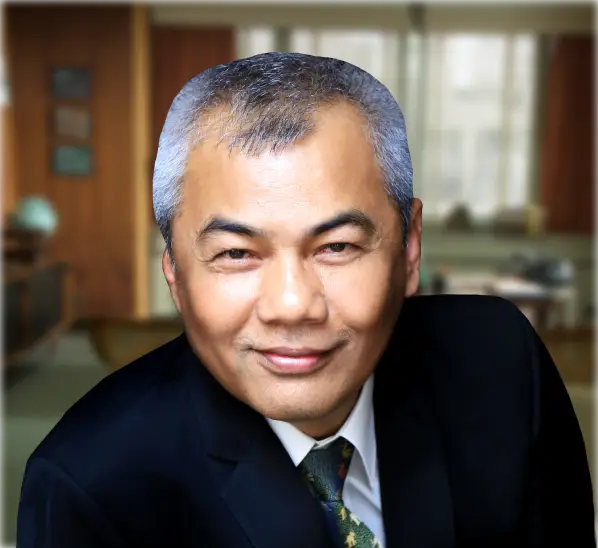
Angkhana Neelapaijit
|
Thailand
|
Human rights lawyer/activist; former National Human Rights Commissioner of Thailand
|
|
|
After her husband, a Muslim lawyer, was forcibly disappeared in 2004, Angkhana founded the Justice for Peace Foundation (2009) to document abuses and provide legal aid in southern Thailand's conflict zone, and helped push Thailand to ratify UN anti-torture and anti-disappearance conventions. She served on Thailand's National Human Rights Commission (2015-2021). She won the 2019 Ramon Magsaysay Award for her courage in seeking justice for victims of violence.
|
|
2018
|
Youk Chhang
|
Cambodia
|
Genocide researcher; executive director, Documentation Center of Cambodia (DC-Cam)
|
|
|
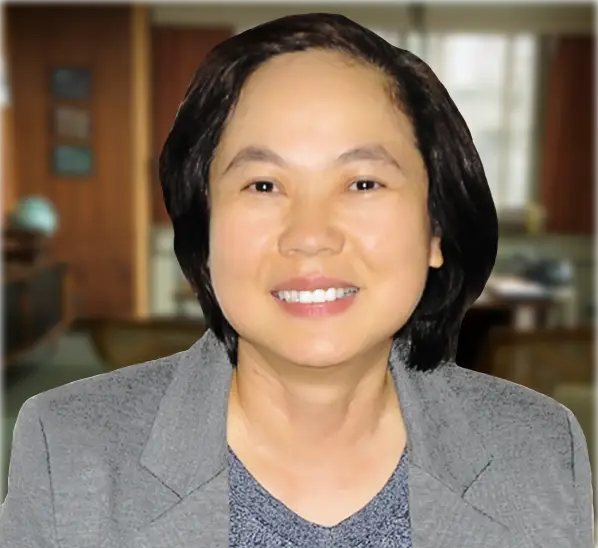
Cambodian survivor of the Khmer Rouge regime who has led DC-Cam since 1995, amassing the world's largest archive on the Khmer Rouge genocide and supporting the Extraordinary Chambers tribunal. Named a Time "Asian Hero" and among Time's 100 most influential people. He won the 2018 Ramon Magsaysay Award for his tireless work preserving historical memory and pursuing justice and reconciliation.
|
|
2018
|
Vo Thi Hoang Yen
|
Vietnam
|
Disability-rights advocate; founder/director, Disability Research and Capacity Development Center (DRD)
|
|
|
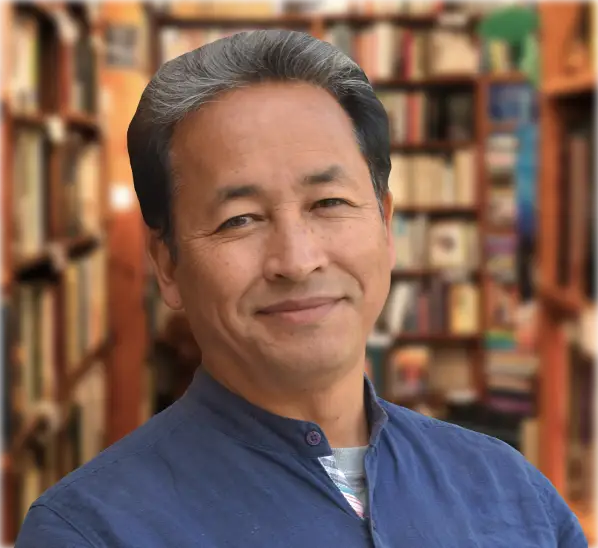
A polio survivor and social work doctorate holder, Yen co-founded DRD in 2005 to advance rights and independence for persons with disabilities in Vietnam, directly assisting roughly 15,000 people through training, scholarships, job placement, accessibility mapping, and inclusive transport services. She won the 2018 Ramon Magsaysay Award for her dauntless spirit in breaking down physical and social barriers marginalizing people with disabilities.
|
|
2018
|
Sonam Wangchuk
|
India
|
Engineer, education reformer, innovator, environmentalist
|
|
|
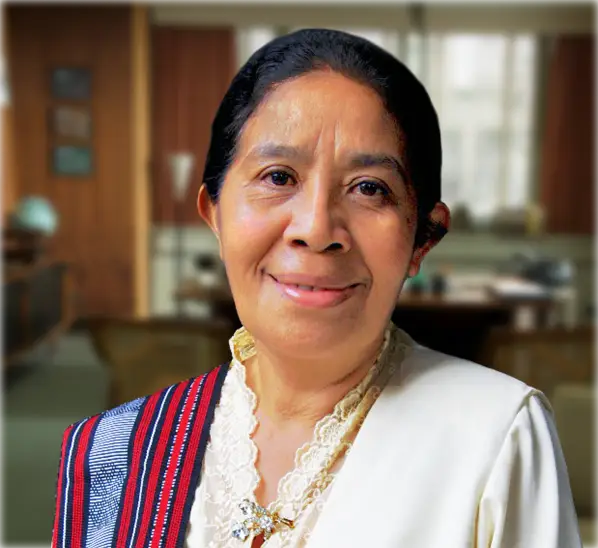
Ladakh-based engineer who founded SECMOL in 1988 to reform Himalayan education through hands-on, ecologically grounded learning, and later invented "Ice Stupas", artificial glaciers addressing water scarcity, plus the Himalayan Institute of Alternatives Ladakh. He won the 2018 Ramon Magsaysay Award for his innovative, holistic solutions to Ladakh's education and climate challenges; his work partly inspired the film "3 Idiots".
|
|
2018
|
Maria de Lourdes Martins Cruz
|
Timor-Leste
|
Roman Catholic religious sister; social worker/educator
|
|
|
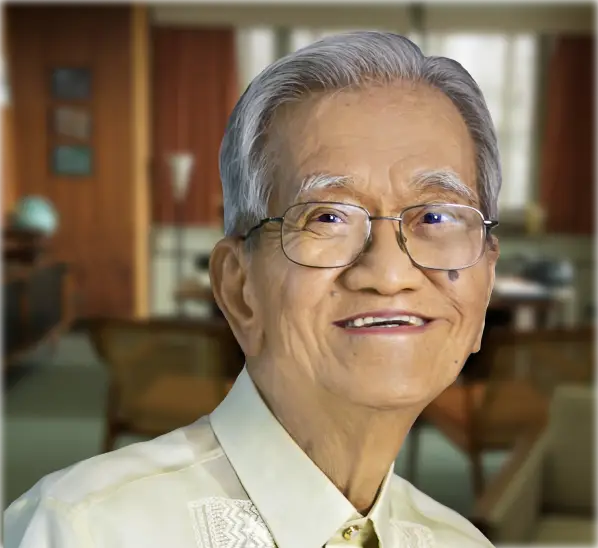
Timorese nun who founded the lay order "Brothers and Sisters in Christ" (1989) and, with American physician Dan Murphy, co-founded the Bairo-Pite Clinic in Dili, one of East Timor's busiest facilities and its largest tuberculosis-treatment provider, serving roughly 300 patients daily for free. She won the 2018 Ramon Magsaysay Award for decades of humanitarian service uplifting Timor-Leste's poorest communities.
|
|
2018
|
Howard Dee
|
Philippines
|
Businessman, diplomat, and philanthropist
|
|
|
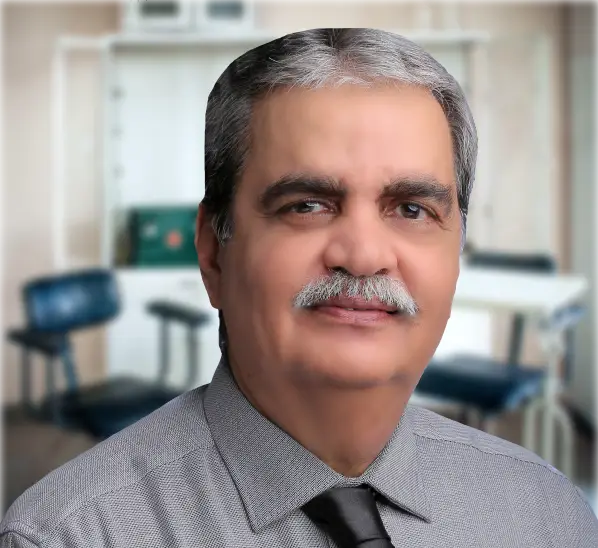
Filipino businessman who led pharmaceutical firm Unilab (1965-1975) before serving as Philippine ambassador to the Holy See and Malta (1986-1990). He chaired the National Peace Conference and led government peace negotiations with communist insurgents in the early 1990s, and founded NGOs including the Assisi Development Foundation. He won the 2018 Ramon Magsaysay Award for championing the human face of peace, justice, and economic growth.
|
|
2018
|
Bharat Vatwani
|
India
|
Psychiatrist
|
|
|
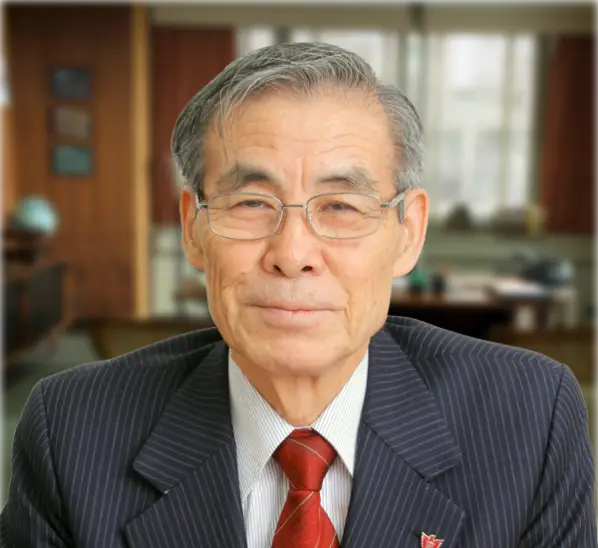
Mumbai-based psychiatrist who, with his wife Smitha, founded the Shraddha Rehabilitation Foundation (1988) after encountering a homeless, mentally ill man on the street. The foundation rescues, treats, and reunites destitute mentally ill people with their families, having helped over 7,000 individuals with a roughly 95% reunion success rate. He won the 2018 Ramon Magsaysay Award for his tremendous courage and healing compassion in restoring dignity to India's mentally afflicted destitute.
|
|
2017
|
Yoshiaki Ishizawa
|
Japan
|
Archaeologist and academic (former president, Sophia University)
|
|
|
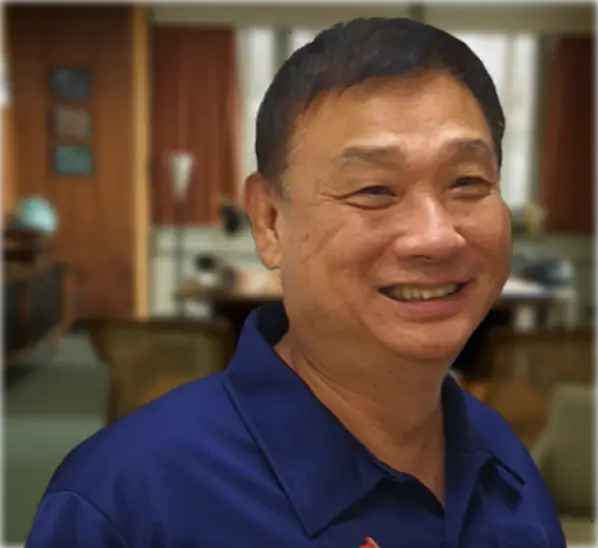
Japanese scholar who dedicated over five decades to preserving Cambodia's Angkor heritage, beginning with a 1961 visit and formalizing conservation work in 1980 via the Sophia University Angkor International Mission. He led restoration of Banteay Kdei and Angkor Wat's western causeway while training Cambodian conservators. He won the 2017 Ramon Magsaysay Award for selfless, steadfast service to the Cambodian people and empowering Cambodians as stewards of their own heritage.
|
|
2017
|
Tony Tay
|
Singapore
|
Businessman and philanthropist/volunteer organizer
|
|
|
Singaporean who grew up in poverty and later built a printing business. Inspired by his mother's charitable legacy, he and his wife began distributing surplus food to the needy, founding Willing Hearts in 2003. The volunteer-run organization grew to serve about 6,000 free meals daily across Singapore, every day of the year. He won the 2017 Ramon Magsaysay Award for turning a simple act of kindness into a vibrant, inclusive volunteer movement.
|

|
2017
|
Philippine Educational Theater Association
|
Philippines
|
Non-profit, non-stock theater/arts organization
|
|
|
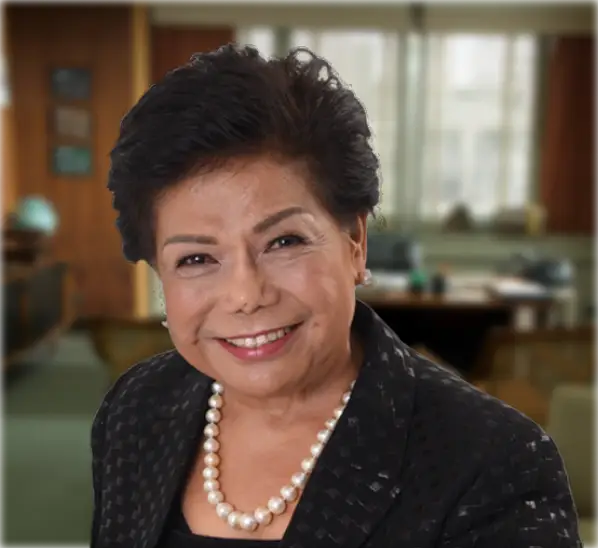
Founded by Cecile Guidote-Alvarez, PETA uses theater as a tool for social change and community empowerment in the Philippines, especially for marginalized groups. Over five decades it has produced over 540 plays, trained thousands of artists and educators, and established more than 300 community-based cultural groups. It won the 2017 Ramon Magsaysay Award for its collective, unwavering work establishing theater arts as a force for social transformation across Asia.
|
|
2017
|
Lilia de Lima
|
Philippines
|
Lawyer and government official
|
|
|
Filipino lawyer who served as the first Director-General of the Philippine Economic Zone Authority (PEZA) from 1995 to 2016. She transformed PEZA into an efficient, corruption-free institution, expanding it from 16 to 343 ecozones and generating an estimated PhP 3 trillion in investments and 6.3 million jobs. She won the 2017 Ramon Magsaysay Award for proving that honest, competent public service can yield real economic benefits for Filipinos.
|
|
2017
|
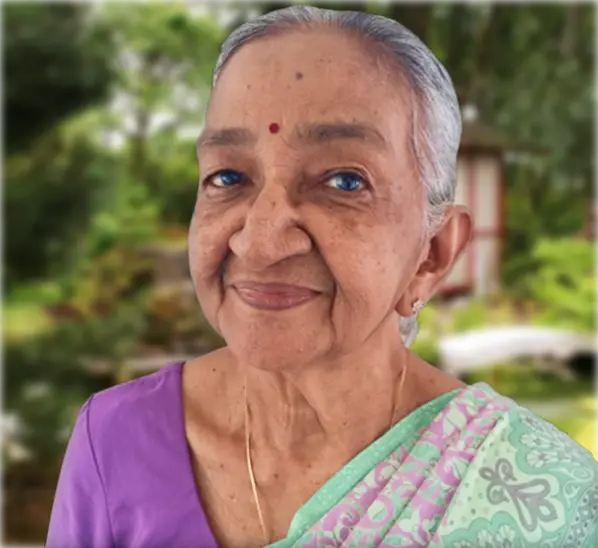
Gethsie Shanmugam
|
Sri Lanka
|
Teacher and psychosocial counselor/social worker
|
|
|
Sri Lankan Tamil educator who taught at St. Joseph's College, Colombo before turning to volunteer psychosocial counseling from 1983 onward. Working often in active conflict zones, she counseled war widows, orphans, and trauma-affected children and teachers throughout Sri Lanka's decades-long civil war, later also aiding 2004 tsunami survivors. She won the 2017 Ramon Magsaysay Award for her courage and compassion in rebuilding war-scarred lives over four decades.
|
|
2017
|
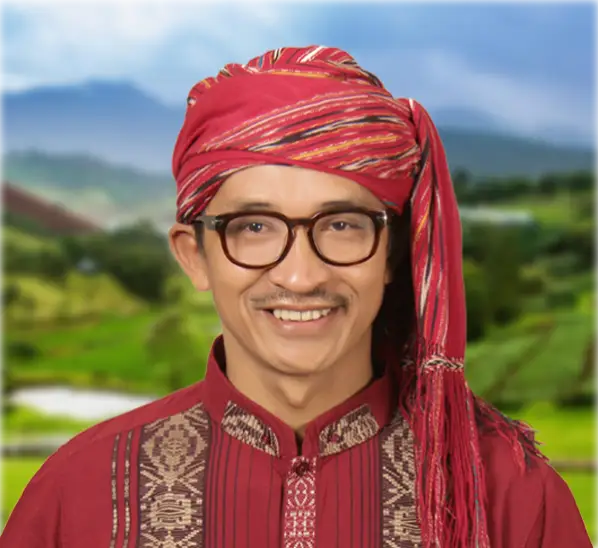
Abdon Nababan
|
Indonesia
|
Indigenous rights advocate
|
|
|
Indonesian (Toba Batak) activist who, after the fall of Suharto, helped organize AMAN (Aliansi Masyarakat Adat Nusantara), Indonesia's national indigenous peoples alliance, in 1999, later leading it as secretary-general. Under him AMAN grew to represent over 2,300 communities and roughly 17 million people, and won a landmark 2012 constitutional court ruling restoring indigenous land rights over ~57 million hectares. He won the 2017 Ramon Magsaysay Award for his self-sacrificing advocacy leading the world's largest indigenous peoples' rights movement.
|

|
2016
|
Vientiane Rescue
|
Laos
|
Volunteer-run emergency rescue/medical service
|
|
|
A free, 24/7 volunteer emergency rescue service in Vientiane, Laos, operating over 200 volunteers, ambulances, a fire-fighting unit, and specialized rescue teams. It responds to road accidents and other emergencies in a country with minimal formal emergency infrastructure, saving an estimated 10,000 lives between 2011 and 2015. It won the 2016 Ramon Magsaysay Award for its heroic work saving Laotian lives under deprived circumstances.
|
|
2016
|
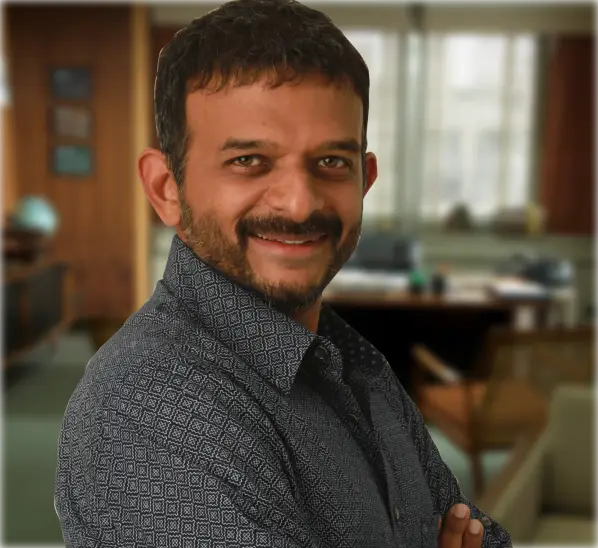
Thodur Madabusi Krishna
|
India
|
Carnatic classical vocalist, writer, and activist
|
|
|
Indian classical (Carnatic) musician and author known for challenging caste and class exclusivity within Carnatic music tradition, bringing performances to marginalized communities and non-traditional venues. He has written extensively on music and society, including the book "A Southern Music." He won the 2016 Ramon Magsaysay Award for his commitment to art's power to heal India's social divisions by breaking barriers of caste and class through music.
|
|
2016
|
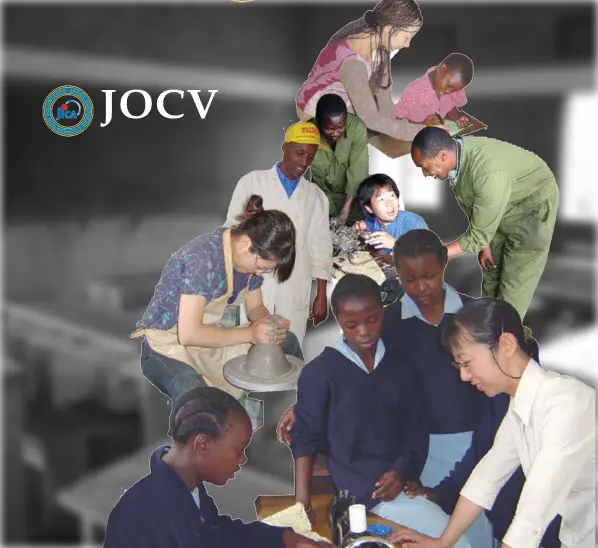
Japan Overseas Cooperation Volunteers
|
Japan
|
Government-run international volunteer program (under JICA)
|
|
|
A Japanese government volunteer program sending Japanese citizens aged 20-39 on two-year assignments to developing countries in fields such as education, health, agriculture, and public works. Tens of thousands of volunteers have served across roughly 80 countries since its founding. It won the 2016 Ramon Magsaysay Award for volunteers' idealism and spirit of service in advancing the lives of communities beyond their own, fostering people-to-people international solidarity.
|

|
2016
|
Dompet Dhuafa
|
Indonesia
|
Islamic philanthropic/charitable foundation
|
|
|
Indonesia's largest zakat (Islamic alms) management organization, collecting and distributing zakat and waqf funds for economic empowerment, healthcare, education, and disaster relief rather than simple handouts. It has grown to dozens of branches within Indonesia plus international offices. It won the 2016 Ramon Magsaysay Award for redefining zakat-based philanthropy in Indonesia and using Islamic faith-based giving to uplift millions regardless of creed.
|
|
2016
|
Conchita Carpio Morales
|
Philippines
|
Lawyer and jurist
|
|
|
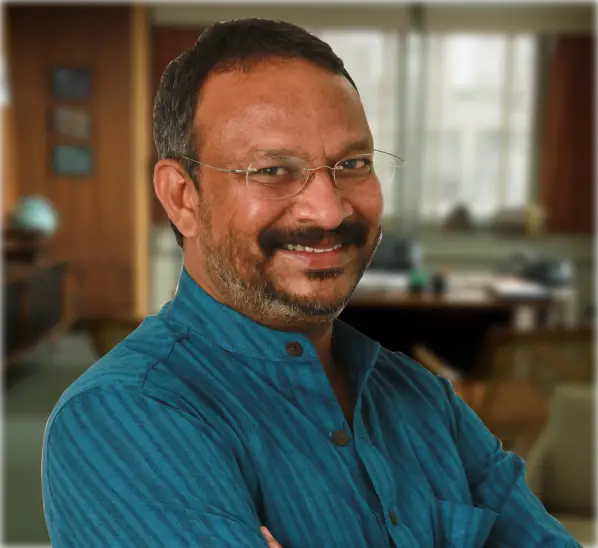
Filipino jurist who served as Associate Justice of the Supreme Court of the Philippines (2002-2011) and subsequently as Ombudsman of the Philippines (2011-2018). As Ombudsman she raised the corruption-conviction rate from about 33% to over 74%, prosecuting numerous high-ranking officials including a former president and senators. She won the 2016 Ramon Magsaysay Award for her moral courage, incorruptibility, and commitment to justice in combating corruption.
|
|
2016
|
Bezwada Wilson
|
India
|
Human rights activist
|
|
|
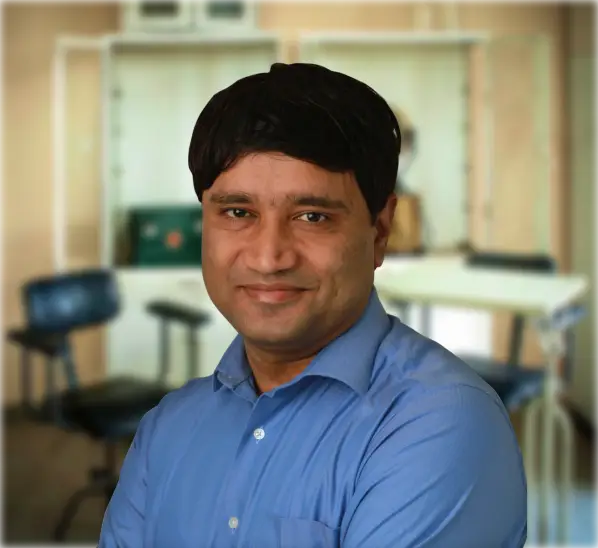
Indian Dalit activist born into a family of manual scavengers, who founded and leads the Safai Karmachari Andolan (SKA), a movement to eradicate manual scavenging (the caste-based practice of manually cleaning human waste) in India. His 2003 Supreme Court public interest litigation compelled Indian states to act against the practice. He won the 2016 Ramon Magsaysay Award for his fierce, courageous crusade to eradicate manual scavenging and restore dignity to affected communities.
|
|
2015
|
Sanjiv Chaturvedi
|
India
|
Indian Forest Service officer
|
|
|
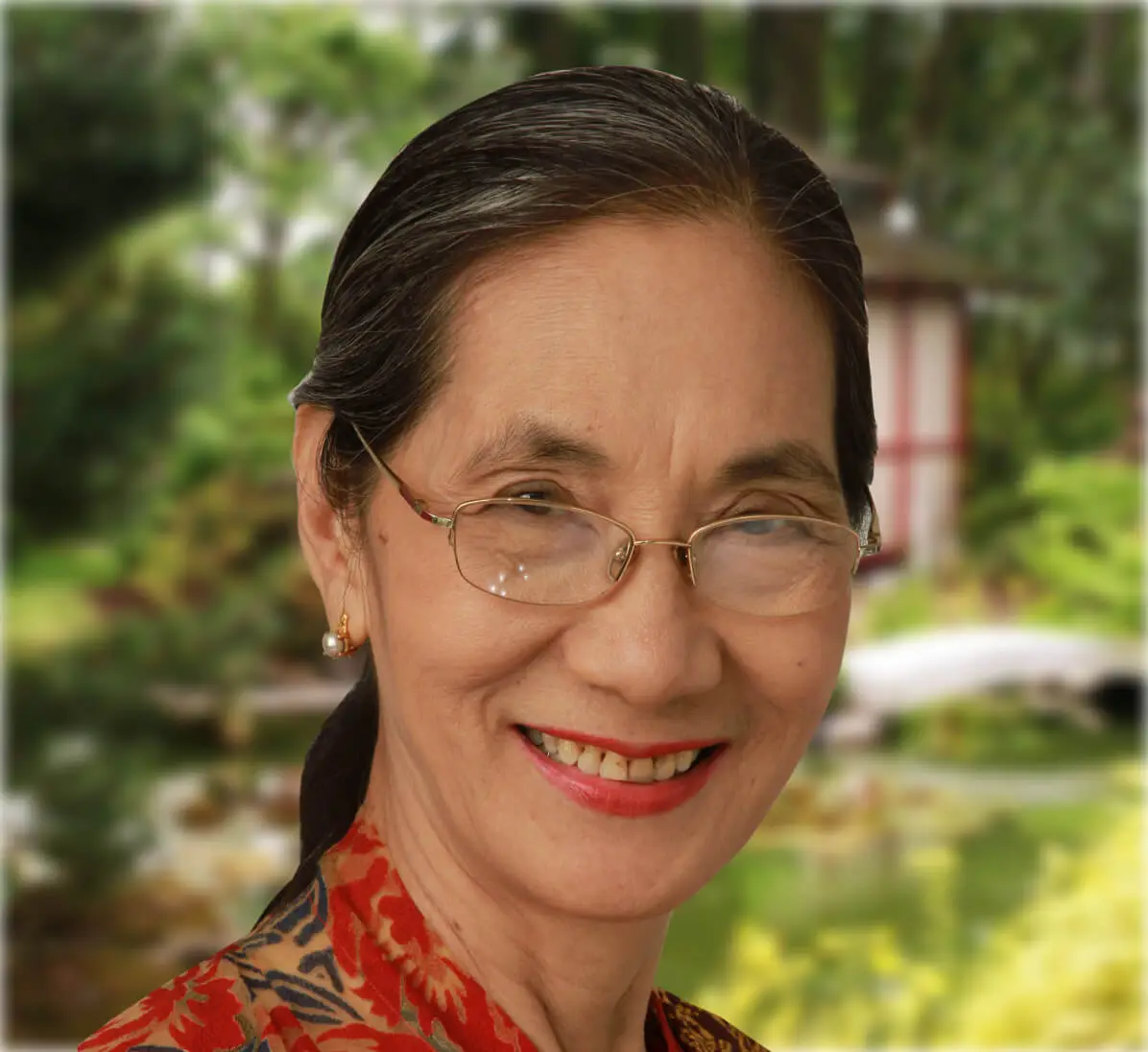
Indian civil servant known for exposing widespread corruption in Haryana's forestry department and, as Chief Vigilance Officer at AIIMS Delhi (2012-2014), initiating roughly 200 anti-corruption cases. He also pioneered biodiversity conservation projects in Uttarakhand. He won the 2015 Ramon Magsaysay Award for his exemplary integrity, courage, and tenacity in exposing corruption and improving government systems in India.
|
|
2015
|
Ligaya Fernando-Amilbangsa
|
Philippines
|
Cultural researcher, folk dance scholar, and educator
|
|
|
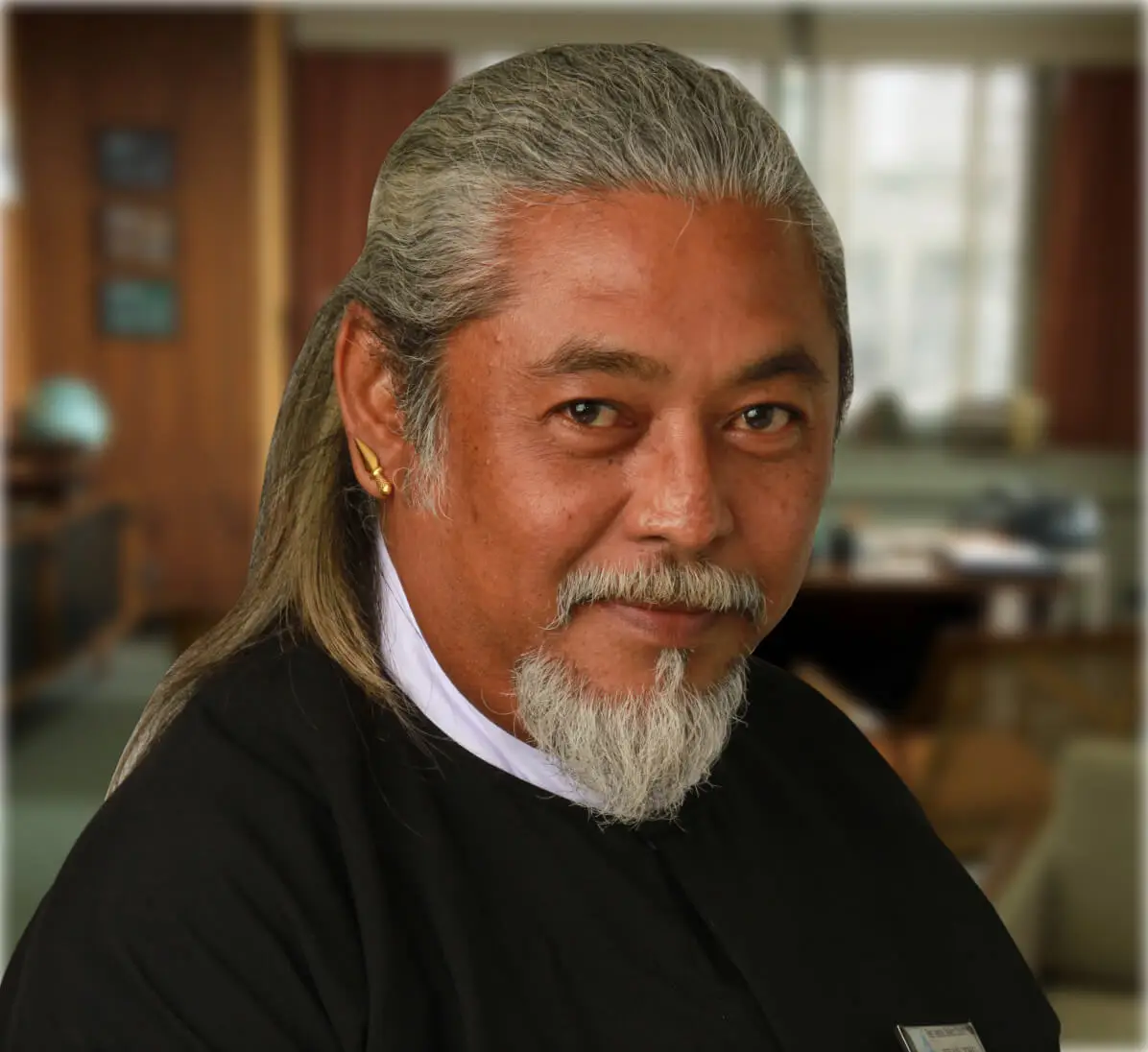
Filipino advocate for Tausug/Sulu heritage who spent over three decades researching, preserving, and teaching pangalay, the indigenous dance form of the Sulu archipelago. She founded the Integrated Performing Arts Guild (1978) and AlunAlun Dance Circle (1999), and wrote the award-winning book "Pangalay: Traditional Dances and Related Folk Artistic Expressions" (1983). Won the 2015 Ramon Magsaysay Award for her research, conservation, and promotion of pangalay.
|
|
2015
|
Kyaw Thu
|
Myanmar (Burma)
|
Actor, film director, and philanthropist
|
|
|
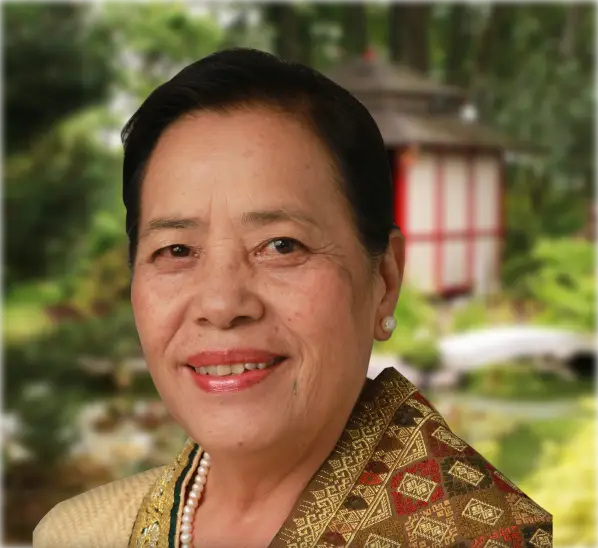
Award-winning Burmese actor who founded the Free Funeral Service Society in 2001, providing free funerals to the poor and later expanding into free clinics, education, and disaster relief. A vocal activist detained for supporting pro-democracy movements. Won the 2015 Ramon Magsaysay Award for channeling his fame into compassionate, cross-class, cross-religious service to Myanmar's poor and vulnerable.
|
|
2015
|
Kommaly Chanthavong
|
Laos
|
Traditional silk weaver and social entrepreneur
|
|
|
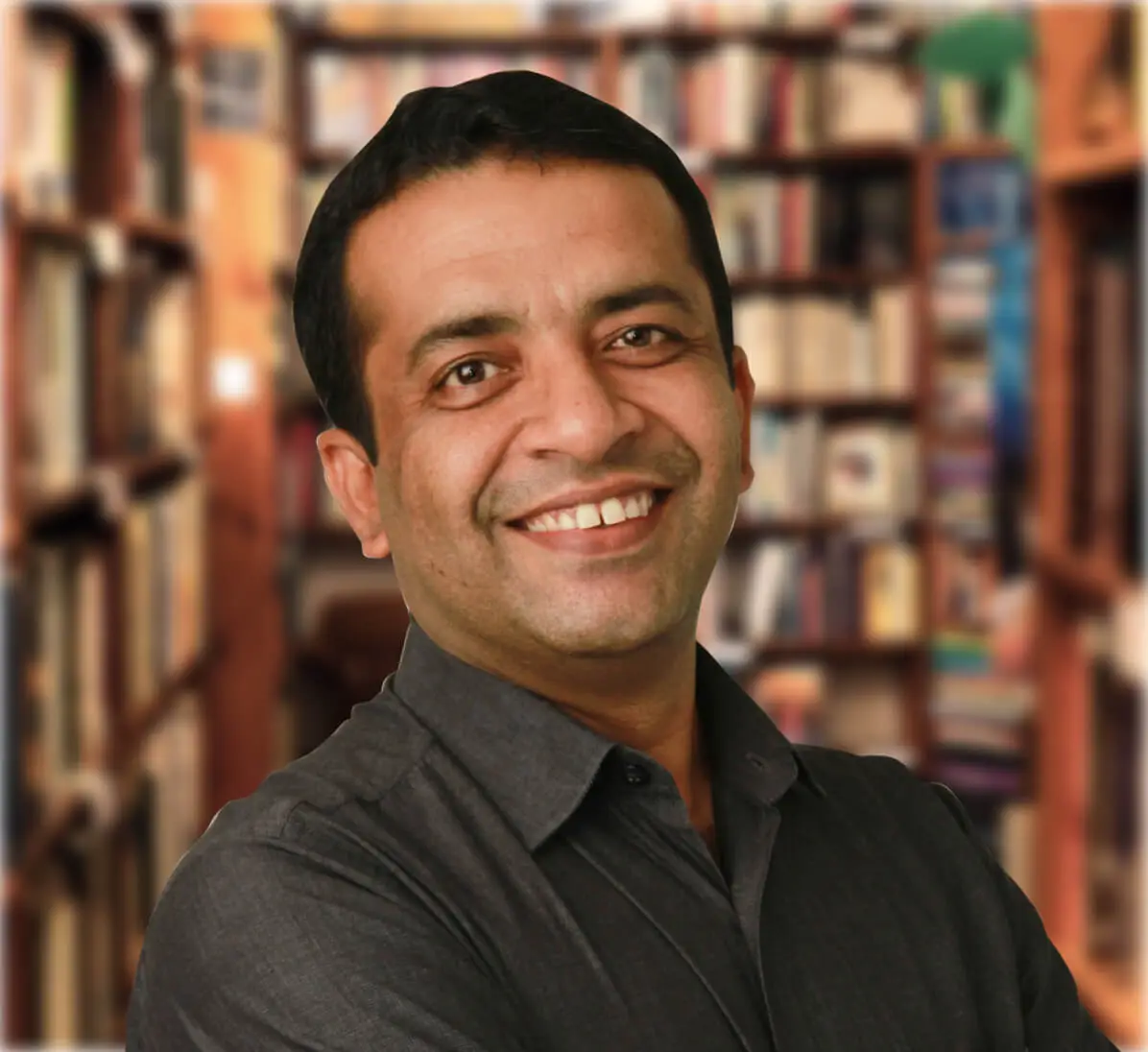
Laotian weaver who revived traditional silk-weaving arts after fleeing war-torn Laos, founding the Phontong Weavers cooperative (1976) and Mulberries organic silk enterprise, which grew to support thousands of war-displaced women and Hmong refugees across multiple provinces. Nominated for the Nobel Peace Prize in 2005. Won the 2015 Ramon Magsaysay Award for reviving Laotian silk weaving to restore livelihoods and dignity to displaced women.
|
|
2015
|
Anshu Gupta
|
India
|
Social entrepreneur, founder of Goonj
|
|
|
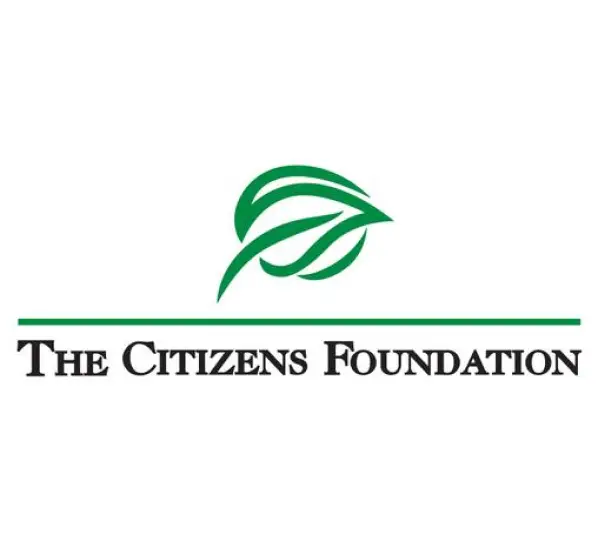
Indian social entrepreneur who founded Goonj in 1999, pioneering a "Cloth for Work" model that turns urban surplus clothing and materials into a currency for rural development (wells, roads, schools) rather than simple charity. Goonj now operates across dozens of Indian states, also addressing menstrual hygiene through "Not Just a Piece of Cloth." Won the 2015 Ramon Magsaysay Award for his creative vision transforming India's culture of giving into one that respects recipient dignity.
|
|
2014
|
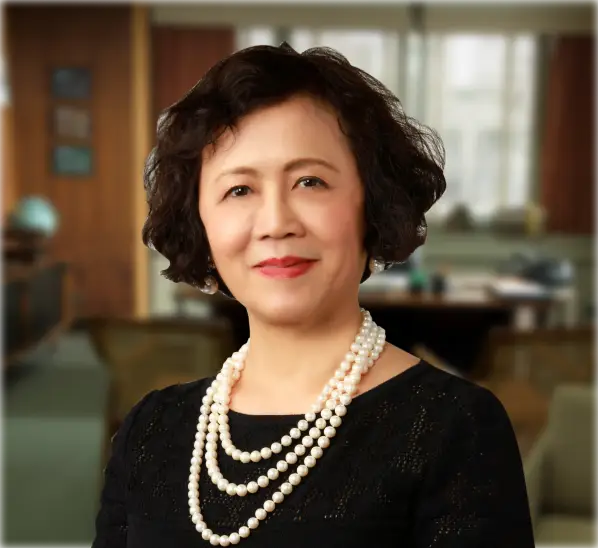
The Citizens Foundation
|
Pakistan
|
Nonprofit education NGO (Pakistan)
|
|
|
Founded by six Pakistani business leaders to fight poverty and illiteracy through affordable, quality education, TCF has built over 1,000 purpose-built schools serving 145,000+ students in poor urban and rural communities, emphasizing gender equity and teacher training. Won the 2011 Ramon Magsaysay Award for its social vision, professional management, and demonstration that quality education for all is key to Pakistan's future.
|
|
2014
|
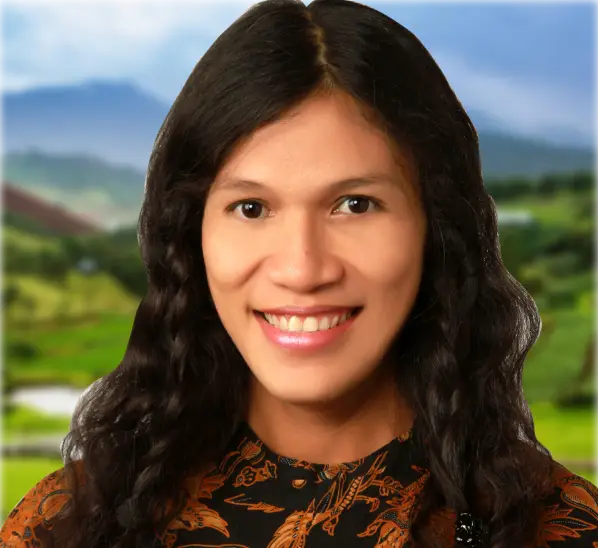
Shuli Hu
|
China
|
Journalist, editor, and journalism professor
|
|
|
Pioneering Chinese investigative journalist who founded Caijing magazine (1998), exposing corporate fraud, the SARS cover-up, and stock-market irregularities, then founded Caixin Media Group (2009) after leaving Caijing with most of her staff. Now a journalism professor at Sun Yat-sen University. Won the 2014 Ramon Magsaysay Award for building independent, world-class media in China and championing transparency and accountability in business and governance.
|
|
2014
|
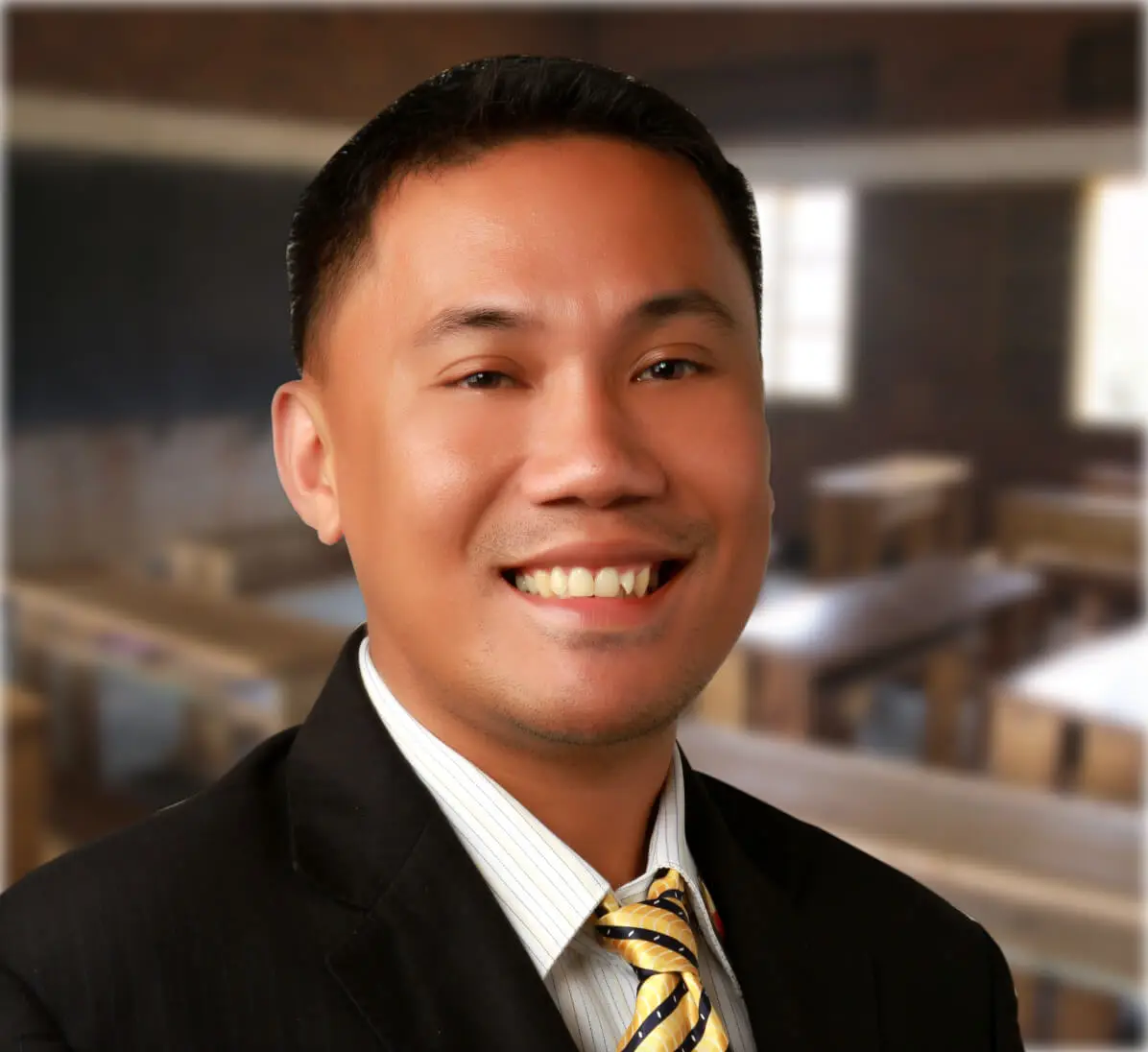
Saur Marlina Manurung
|
Indonesia
|
Anthropologist and education activist (known as Butet Manurung)
|
|
|
Indonesian anthropologist who left academic comfort to live among the nomadic Orang Rimba ("forest people") of Sumatra, developing the Sokola Rimba alternative-education model to teach literacy and numeracy in ways suited to indigenous lifeways. She co-founded SOKOLA in 1999, which grew into a network of 14+ schools across ten provinces. Won the 2014 Ramon Magsaysay Award for her passionate leadership protecting and educating Indonesia's forest peoples.
|
|
2014
|
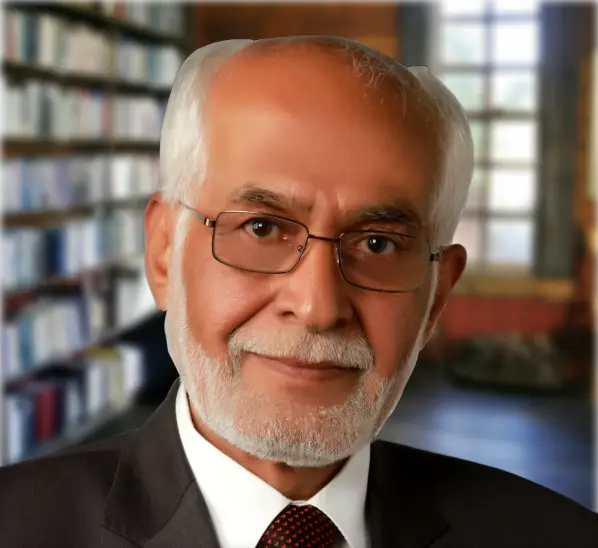
Randy Halasan
|
Philippines
|
Public school teacher
|
|
|
Filipino public-school teacher assigned in 2007 to the remote, impoverished Matigsalug indigenous community of Pegalongan, Davao City, where he expanded a two-room schoolhouse into a nine-room school with a secondary program, and helped farmers adopt multi-cropping and seed banks to fight hunger. Won the 2014 Ramon Magsaysay Award for his dedication in nurturing Matigsalug students and their community through education and livelihoods while respecting their indigenous identity.
|
|
2014
|
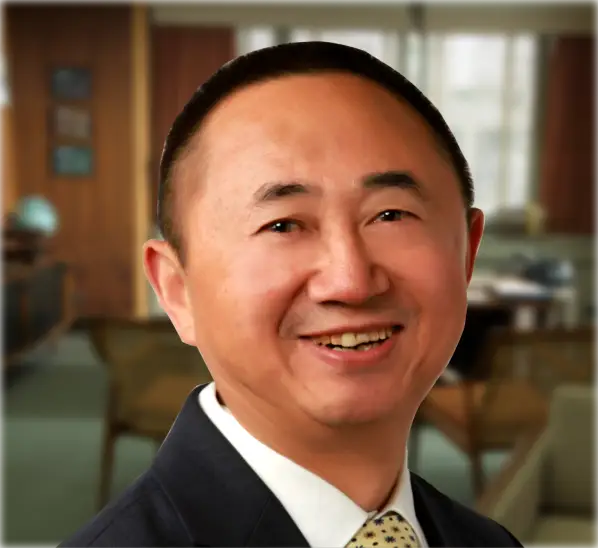
Omara Khan Masoudi
|
Afghanistan
|
Museum director and cultural heritage preservationist
|
|
|
Afghan museum official who joined the National Museum of Afghanistan in 1978 and, as deputy director under the Taliban, secretly protected priceless collections including the Bactrian gold hoard from destruction and looting. Appointed director in 2002, he rebuilt the ransacked museum, reopening it in 2004 and recovering smuggled artifacts. Won the 2014 Ramon Magsaysay Award for his courage and leadership in preserving Afghan cultural heritage.
|
|
2014
|
Canfa Wang
|
China
|
Environmental law professor and public-interest lawyer
|
|
|
Chinese law professor at China University of Political Science and Law who founded the Center for Legal Assistance to Pollution Victims (CLAPV) in 1998, China's first organization offering free legal aid to pollution victims, handling thousands of complaints and hundreds of lawsuits, including a mass suit with over 1,700 plaintiffs. Trained about 1,000 lawyers/judges and helped draft over 30 environmental laws. Won the 2014 Ramon Magsaysay Award for advancing environmental law to protect the poor and powerless in China.
|

|
2013
|
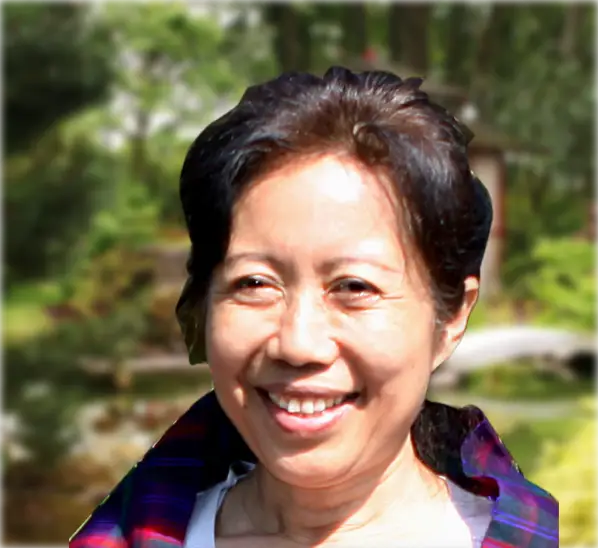
Shakti Samuha
|
Nepal
|
Survivor-led anti-trafficking NGO (Nepal)
|
|
|
Founded by Nepali survivors of human trafficking, Shakti Samuha is recognized as the world's first anti-trafficking NGO created and run by trafficking survivors themselves. It provides shelter, medical care, counseling, skills training, and anti-trafficking awareness campaigns across eleven districts of Nepal. Won the 2013 Ramon Magsaysay Award for its members' passionate dedication to rooting out trafficking and reclaiming survivors' dignity.
|
|
2013
|
Seng Raw Lahpai
|
Myanmar (Burma)
|
Humanitarian aid worker and NGO founder
|
|
|
Ethnic Kachin humanitarian from Myanmar who worked with internally displaced people along the Myanmar-China border from 1987, then founded the Metta Development Foundation in 1997, which grew into Myanmar's largest civil-society organization, running agriculture, health, education, and peace-building programs reaching hundreds of thousands across ethnic and political divides. Won the 2013 Ramon Magsaysay Award for her tactful, inclusive leadership advancing a non-violent, participatory foundation for Myanmar's future.
|

|
2013
|
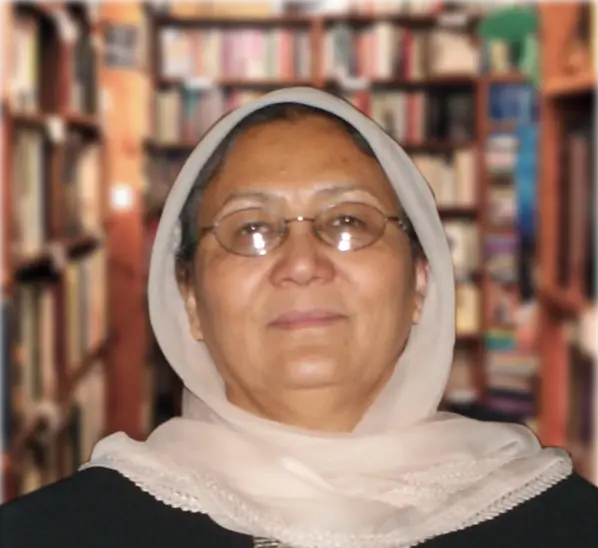
Komisi Pemberantasan Korupsi (Corruption Eradication Commission)
|
Indonesia
|
Independent Indonesian government anti-corruption agency (KPK)
|
|
|
Indonesia's independent anti-corruption body with powers to investigate, prosecute, freeze assets, and restrict travel of corrupt officials, alongside governance-reform and public-education programs. Between 2003-2012 it handled 332 high-profile cases with a near-100% conviction rate and recovered over US$80 million in state assets. Won the 2013 Ramon Magsaysay Award for its fiercely independent, uncompromising prosecution of powerful offenders combined with forward-looking governance reforms.
|
|
2013
|
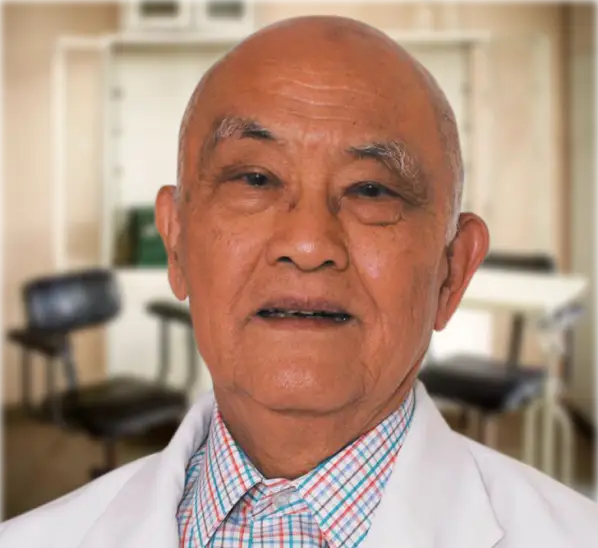
Habiba Sarabi
|
Afghanistan
|
Hematologist and politician
|
|
|
Afghan physician and politician who became Afghanistan's first female provincial governor, leading Bamiyan province from 2005, after earlier working underground teaching girls during Taliban rule and later serving as Minister of Women's Affairs. As governor she promoted tourism, women's rights, and environmental conservation, establishing Band-e Amir National Park. Won the 2013 Ramon Magsaysay Award for community leadership and government service, later joining Afghan peace negotiations.
|
|
2013
|
Ernesto Domingo
|
Philippines
|
Physician, hepatologist, and medical educator
|
|
|
Filipino National Scientist and professor emeritus at the UP College of Medicine who established the causal link between chronic hepatitis B and liver cancer through decades of research. He championed mandatory hepatitis B vaccination for newborns and helped secure government funding for it, dramatically reducing liver disease in the Philippines. Won the 2013 Ramon Magsaysay Award for his lifelong dedication to combating hepatitis and expanding healthcare access for the vulnerable.
|
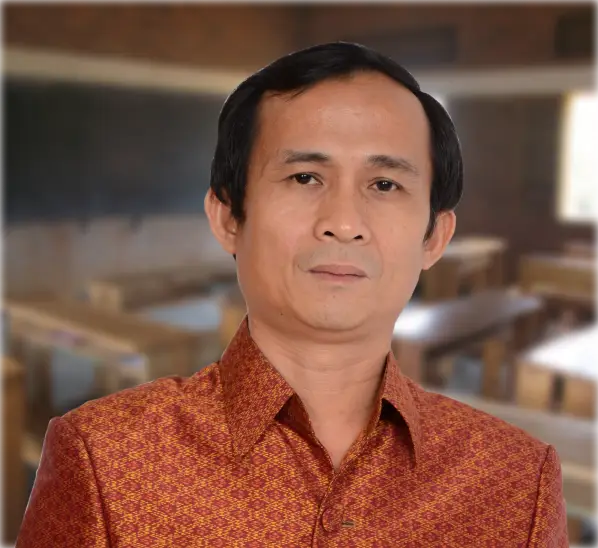
|
2012
|
Yang Saing Koma
|
Cambodia
|
Agricultural scientist; founder, Cambodian Center for Study and Development in Agriculture (CEDAC)
|
|
|
Yang Saing Koma founded CEDAC in 1997 to promote organic and sustainable farming methods (notably the System of Rice Intensification) among Cambodian smallholder farmers, dramatically raising yields while reducing chemical inputs. He later served in the Ministry of Agriculture overseeing Commune Agricultural Officers. He won the 2012 Ramon Magsaysay Award for his creative fusion of practical science and collective will that transformed Cambodian farmers' livelihoods.
|
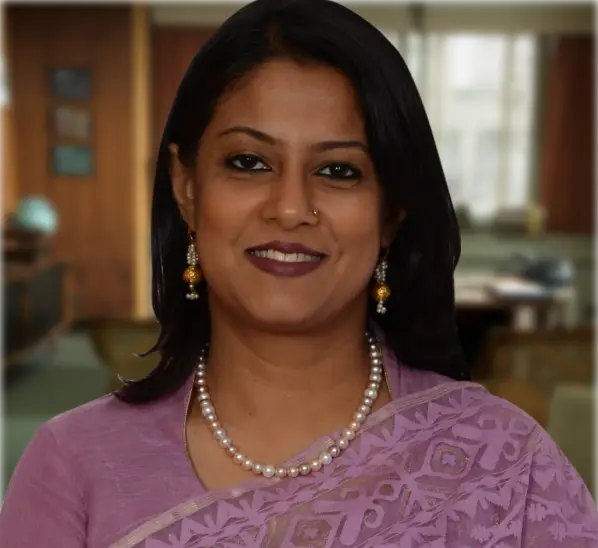
|
2012
|
Syeda Rizwana Hasan
|
Bangladesh
|
Environmental lawyer; Chief Executive, Bangladesh Environmental Lawyers Association (BELA)
|
|
|
Hasan has led decades of judicial activism using public-interest litigation to protect Bangladesh's environment, winning landmark cases against illegal shipbreaking yards, polluting industries, and unlawful land/water encroachment. Also a Goldman Environmental Prize winner (2009) and Time "Hero of the Environment," she received the 2012 Ramon Magsaysay Award for affirming citizens' right to a good environment as inseparable from their right to dignity and life.
|
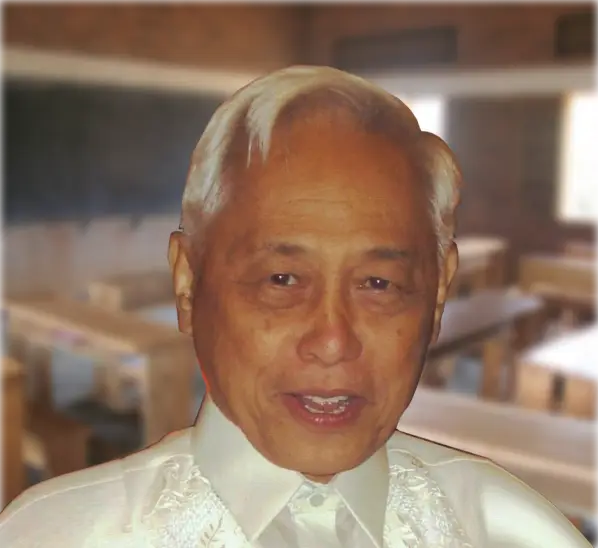
|
2012
|
Romulo Davide
|
Philippines
|
Agricultural scientist, nematologist; professor emeritus, UP Los Baños
|
|
|
Known as the father of Nematology in the Philippines, Davide discovered nematode-trapping fungi and developed BIOCON, the country's first biological alternative to chemical pesticides. He pioneered the Farmer-Scientist Training Program, lifting thousands of farmers out of poverty through science-based agriculture. He shared the 2012 Ramon Magsaysay Award for his sustained mentorship linking scientific research directly to farmer empowerment.
|
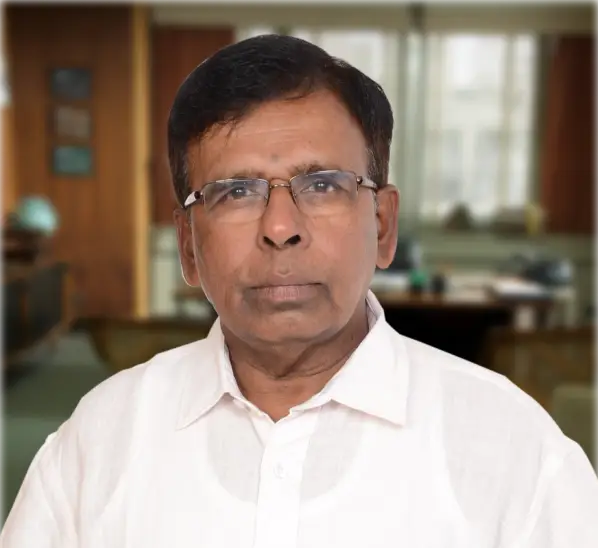
|
2012
|
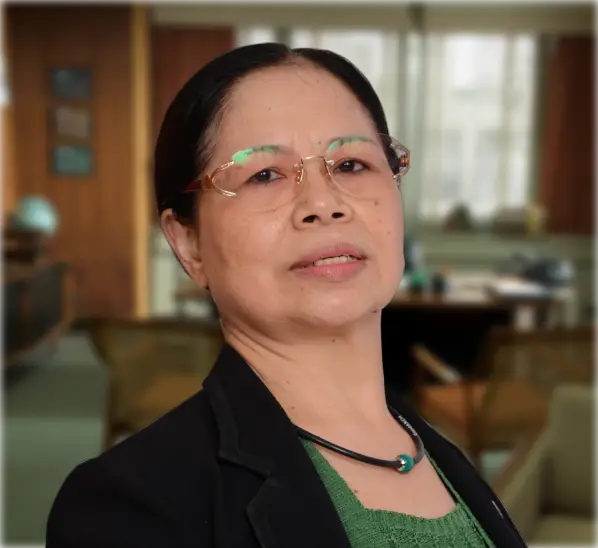
Kulandai Francis
|
India
|
Social worker; founder, Integrated Village Development Project (IVDP)
|
|
|
Francis founded IVDP in 1979 in Tamil Nadu's Krishnagiri district, building hundreds of check dams and organizing over 8,000 women's self-help groups reaching roughly 150,000 members with substantial collective savings. His holistic programs span water, health, housing, and livelihoods. He won the 2012 Ramon Magsaysay Award for his faith in community energy and sustained work achieving holistic economic empowerment for rural Indian women and families.
|
|
2012
|
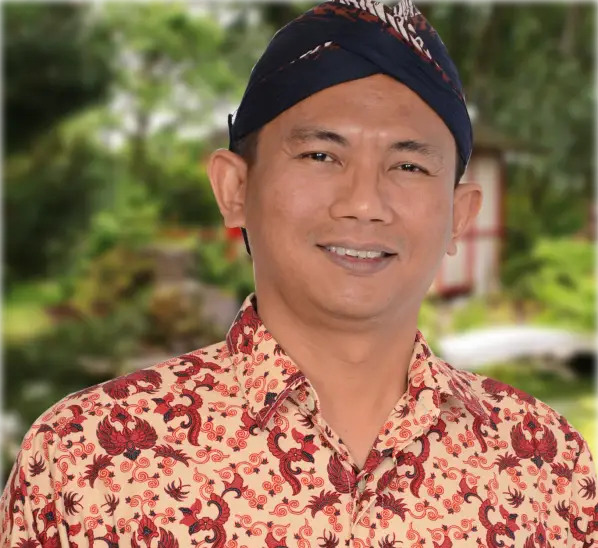
Chen Shu-Jiu
|
Taiwan
|
Retired vegetable vendor; philanthropist
|
|
|
A market vegetable seller in Taitung, Taiwan, Chen quietly donated the bulk of her modest earnings, over NT$10 million, to schools, hospitals, and orphan/welfare funds, funding a library, medical funds, and support for children who lost their mothers. Named to Time's 100 Most Influential People (2010) and Forbes' Heroes of Philanthropy. She won the 2012 Ramon Magsaysay Award and donated her prize money to Mackay Memorial Hospital.
|
|
2012
|
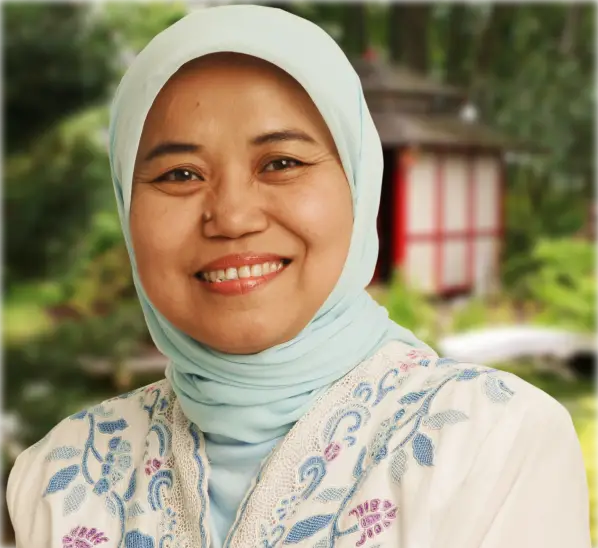
Ambrosius Ruwindrijarto
|
Indonesia
|
Environmental activist; co-founder of Telapak
|
|
|
Ruwindrijarto co-founded Telapak, an Indonesian NGO promoting ecological justice, cultural integrity and economic empowerment, known for undercover investigations exposing illegal logging networks devastating Indonesia's forests. His work combined grassroots community organizing with international advocacy against timber trafficking. He received the 2012 Ramon Magsaysay Award for his courageous environmental investigative and organizing work in Indonesia.
|
|
2011
|
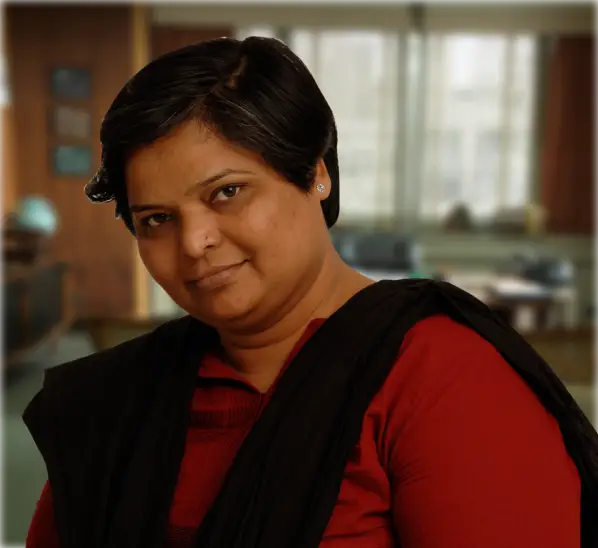
Tri Mumpuni
|
Indonesia
|
Social entrepreneur; co-founder of IBEKA (People Centered Economic and Business Institute)
|
|
|
Mumpuni co-founded IBEKA in 1992 to build community-owned micro-hydropower plants, ultimately installing dozens of generators bringing electricity to over 60 remote Indonesian (and one Philippine) village, benefiting more than half a million people. An Ashoka Fellow and WWF Climate Hero, she won the 2011 Ramon Magsaysay Award for pioneering grassroots renewable-energy solutions that empower isolated rural communities.
|
|
2011
|
Nileema Mishra
|
India
|
Social worker; founder of Bhagini Nivedita Gramin Vigyan Niketan
|
|
|
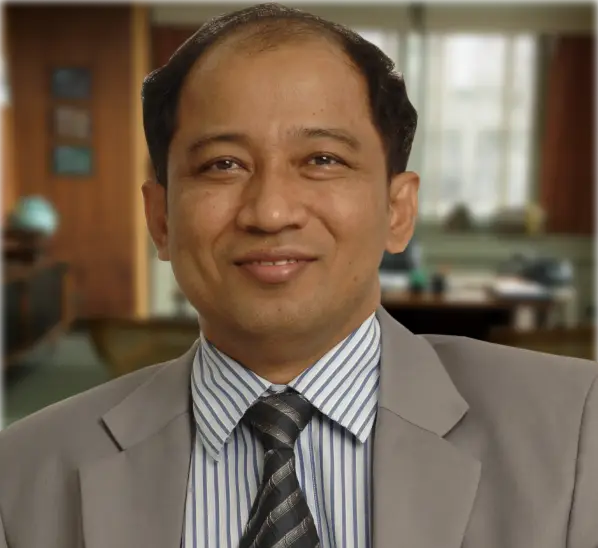
A Maharashtra-based social worker with a psychology background, Mishra founded her organization in 2005 to provide microfinance and self-help-group support to poor rural women, helping them build sustainable livelihoods. She won the 2011 Ramon Magsaysay Award (Emergent Leadership) for her work in rural development and financial inclusion, donating her prize money back into her foundation; she later received India's Padma Shri (2013).
|
|
2011
|
Koul Panha
|
Cambodia
|
Human rights/democracy activist; Executive Director of COMFREL
|
|
|
Orphaned as a child by the Khmer Rouge regime, Koul Panha became executive director of COMFREL (Committee for Free and Fair Elections in Cambodia) in 1998, leading election monitoring and advocacy for electoral reform in Cambodia since the early 1990s. He won the 2011 Ramon Magsaysay Award for his work advancing free and fair elections and democratic accountability in Cambodia.
|

|
2011
|
Inc. (AIDFI) Alternative Indigenous Development Foundation
|
Philippines
|
Non-profit organization (appropriate technology and rural development)
|
|
|
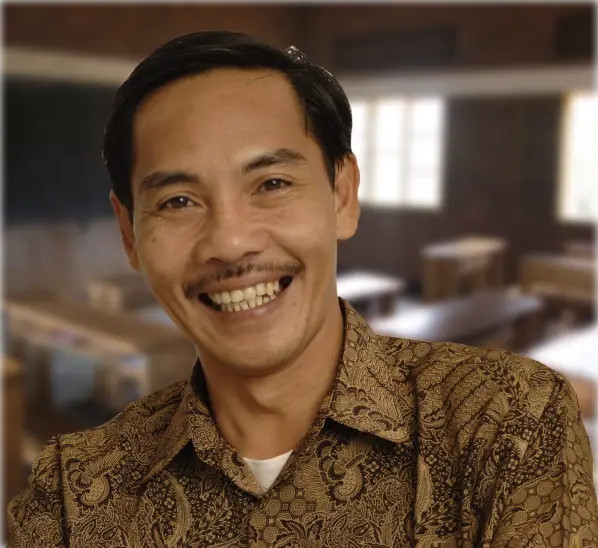
Founded by Auke Idzenga and colleagues out of work with sugar workers under agrarian reform, AIDFI develops low-cost, locally-fabricated appropriate technologies, most notably hydraulic ram pumps ("wind-water pumps"), that bring potable water and irrigation to remote upland Philippine communities without electricity. AIDFI won the 2011 Ramon Magsaysay Award for pioneering sustainable, replicable technology solutions that transformed rural livelihoods.
|
|
2011
|
Hasanain Juaini
|
Indonesia
|
Islamic educator (pesantren/boarding-school leader); environmental conservationist
|
|
|
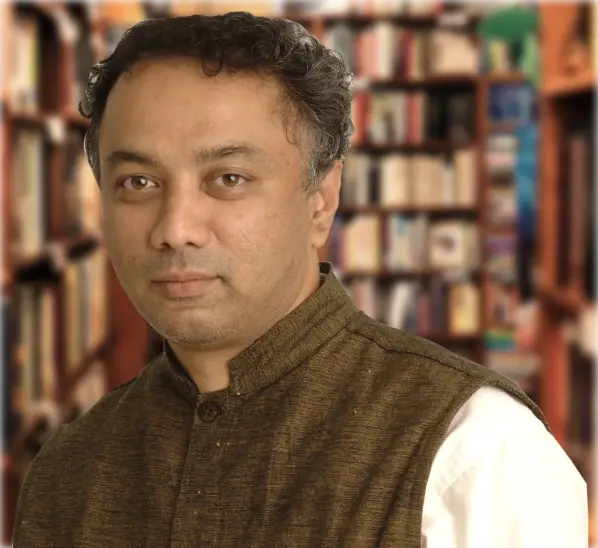
Juaini leads an Islamic pesantren (boarding school) in Lombok, Indonesia, where he integrated environmental stewardship into religious education, famously requiring students to plant and nurture trees as a graduation requirement. His holistic curriculum also promotes gender equality, interfaith harmony, and civic participation. He won the 2011 Ramon Magsaysay Award for his community-based approach to pesantren education advancing environmental and social values.
|
|
2011
|
Harish Hande
|
India
|
Social entrepreneur; co-founder and Managing Director of SELCO India
|
|
|
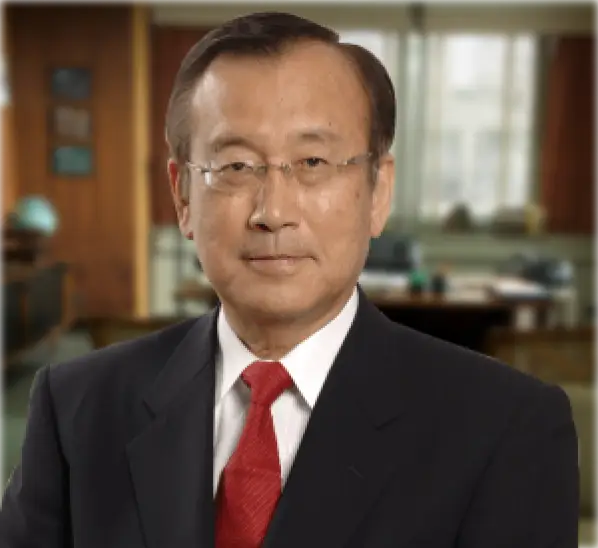
Hande co-founded SELCO India in 1995 to make solar electricity accessible, affordable, and maintainable for poor rural households, challenging assumptions that the poor cannot afford or sustain clean energy. SELCO has installed tens of thousands of solar systems across India and Sri Lanka. He won the 2011 Ramon Magsaysay Award for his passionate and pragmatic efforts to put solar power technology in the hands of the poor via a sustainable social enterprise.
|
|
2010
|
Tadatoshi Akiba
|
Japan
|
Mathematician and politician; former Mayor of Hiroshima (1999-2011)
|
|
|
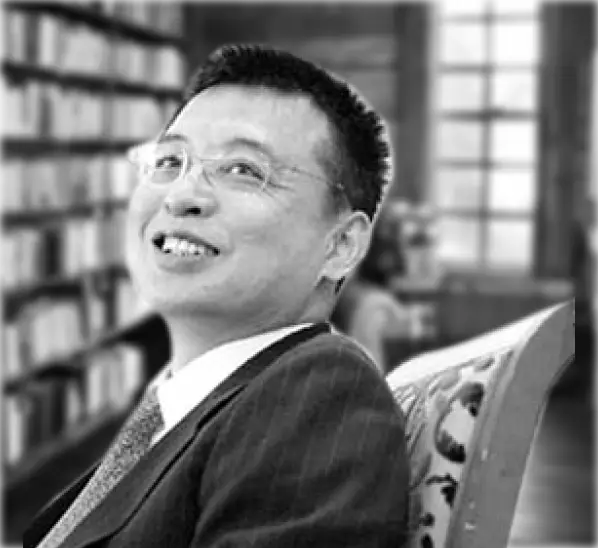
A mathematics PhD (MIT) turned politician, Akiba served four terms as Mayor of Hiroshima and became a leading global voice for nuclear disarmament, heading Mayors for Peace and launching the "2020 Vision Campaign" to abolish nuclear weapons by 2020. He won the 2010 Ramon Magsaysay Award for his advocacy for nuclear disarmament and his efforts to keep Hiroshima's message of peace before the world.
|
|
2010
|
Pan Yue
|
China
|
Chinese government official; environmental policymaker
|
|
|
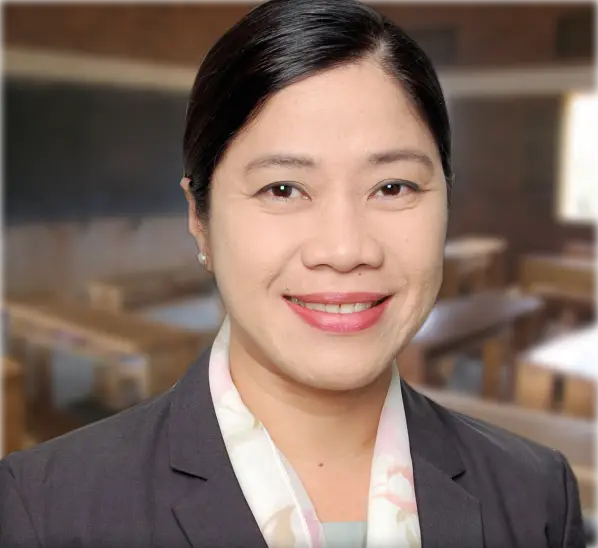
As deputy director of China's State Environmental Protection Administration, Pan Yue, nicknamed "Hurricane Pan," led aggressive crackdowns on major polluters, championed the "Green GDP" concept accounting for environmental costs, and pushed for public disclosure of corporate pollution data. He won the 2010 Ramon Magsaysay Award for his bold pursuit of a national environmental accountability program and for raising environmental protection as an urgent national issue in China.
|
|
2010
|
Ma. Victoria Carpio Bernido
|
Philippines
|
Physicist; education innovator
|
|
|
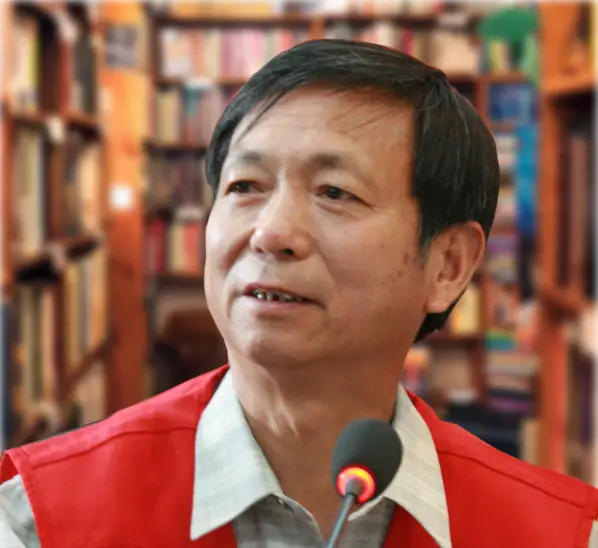
A theoretical physicist (PhD, SUNY Albany) and co-founder of the Central Visayan Institute Foundation with her husband Christopher Bernido, she developed the low-cost "Dynamic Learning Program," delivering effective basic science and education to impoverished Philippine communities despite minimal resources. She won the 2010 Ramon Magsaysay Award for her commitment to ensuring innovative, low-cost, effective basic education under conditions of poverty.
|
|
2010
|
Huo Daishan
|
China
|
Newspaper photographer and environmental activist
|
|
|
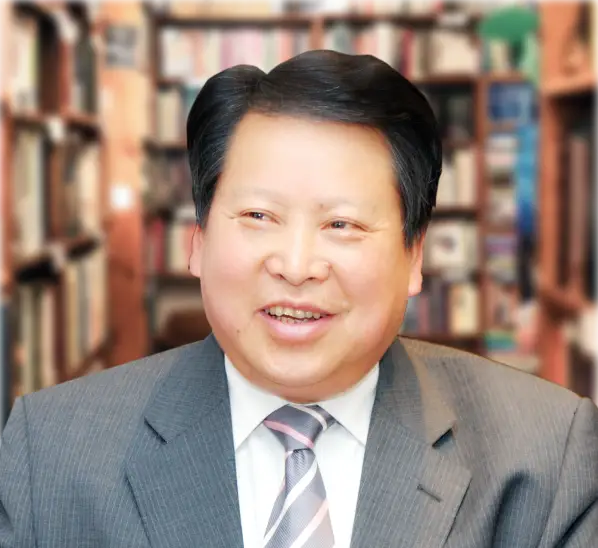
Huo Daishan is a Chinese photographer from Henan Province who began documenting pollution of the Huai River in 1987 and made it his full-time mission from 1998. He founded "Guardians of the Huai River" in 2000, took some 15,000 photographs, held 70 exhibitions, and trained volunteer monitors. He won the 2010 Ramon Magsaysay Award for his selfless and unrelenting efforts to save China's great river Huai.
|
|
2010
|
Fu Qiping
|
China
|
Village chief and Communist Party official
|
|
|
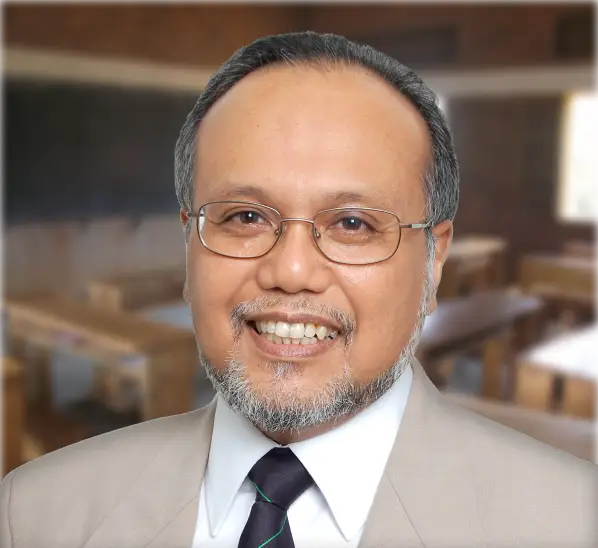
Fu Qiping served as chief of Tengtou village, Zhejiang, since 1997, transforming an impoverished area into a prosperous, environmentally sustainable community. In 1993 he established China's first village-level environmental protection committee, rejecting over 50 polluting companies. He received the 2010 Ramon Magsaysay Award for showing how village-level economic development can be achieved without damage to the environment. He later served as a National People's Congress delegate.
|
|
2010
|
Christopher Bernido
|
Philippines
|
Physicist and educator
|
|
|
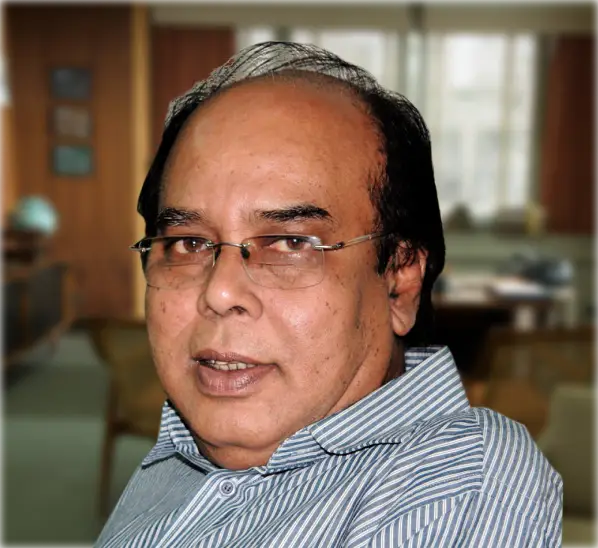
Christopher Casenas Bernido is a Filipino physicist known for research on quantum mechanical and biophysical problems using Feynman path integrals. With his wife, physicist Maria Victoria Carpio-Bernido (who died 6 January 2022), he ran the Central Visayan Institute Foundation, pioneering a low-cost, effective basic-education program for impoverished Philippine communities. They jointly received the 2010 Ramon Magsaysay Award for combining scientific rigor with innovative, affordable education reform.
|
|
2010
|
A.H.M. Noman Khan
|
Bangladesh
|
Development professional, NGO executive director
|
|
|
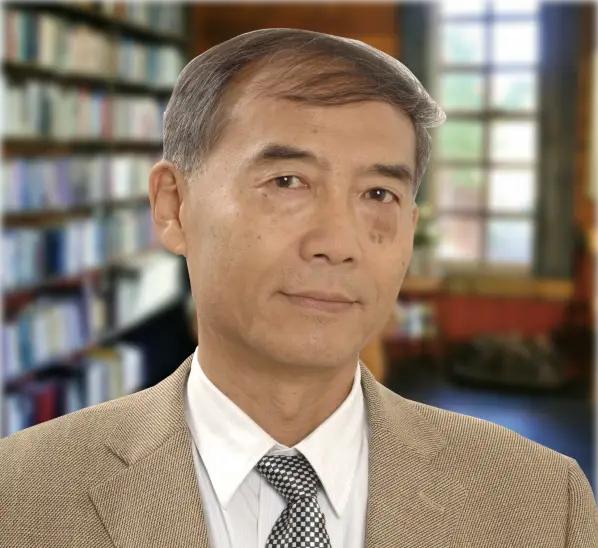
A.H.M. Noman Khan is a Bangladeshi development leader who founded the Center for Disability in Development (CDD) in 1996, pioneering "Community Approaches to Handicap in Development." Under his leadership CDD trained over 10,000 development workers across 350 organizations and expanded services to 52 of Bangladesh's 64 districts. He won the 2010 Ramon Magsaysay Award for pioneering leadership in mainstreaming persons with disabilities into Bangladesh's development process.
|
|
2009
|
Yu Xiaogang
|
China
|
Environmental activist, NGO founder
|
|
|
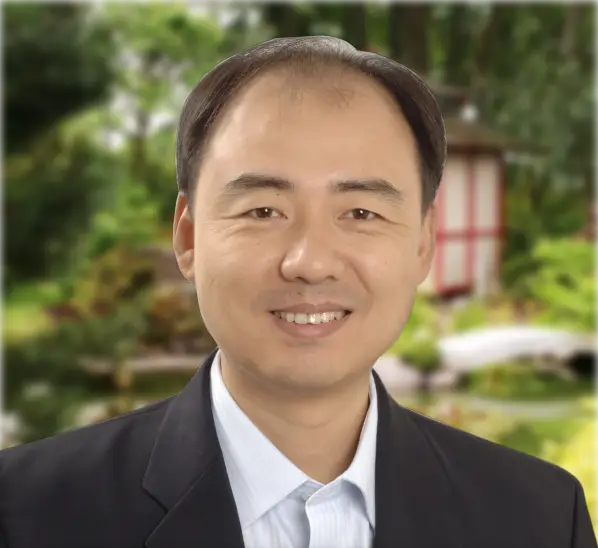
Yu Xiaogang is a Chinese environmentalist who studied watershed management and researched the social harms of the Manwan hydroelectric dam. In 2002 he founded Green Watershed, assisting communities displaced or harmed by dam projects, including campaigns that helped halt planned Nu River dams threatening 50,000 people. He won the 2009 Ramon Magsaysay Award for fusing social science knowledge with a deep sense of social justice in aiding dam-affected communities.
|
|
2009
|
Ma Jun
|
China
|
Environmentalist, journalist, NGO director
|
|
|
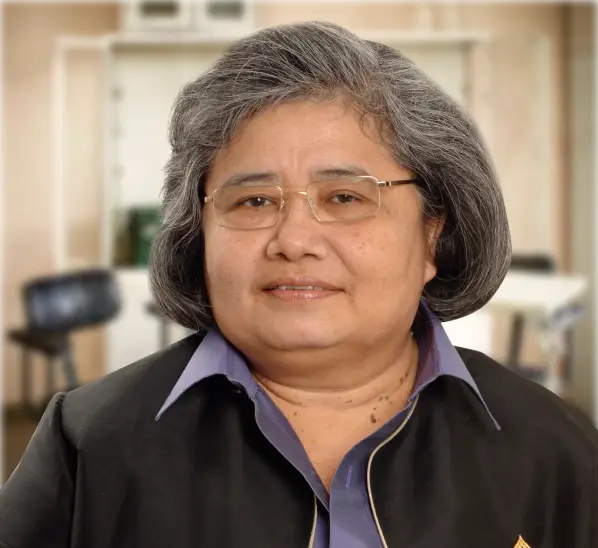
Ma Jun is a Chinese environmentalist and former investigative journalist (South China Morning Post) whose 1999 book on water scarcity drew comparisons to Rachel Carson's Silent Spring. He founded the Institute of Public and Environmental Affairs (IPE), creating China's first public water-pollution database to drive corporate accountability. He won the 2009 Ramon Magsaysay Award for pioneering environmental transparency, and later received the Goldman Environmental Prize (2012) and Skoll Award (2015).
|
|
2009
|
Krisana Kraisintu
|
Thailand
|
Pharmacist
|
|
|
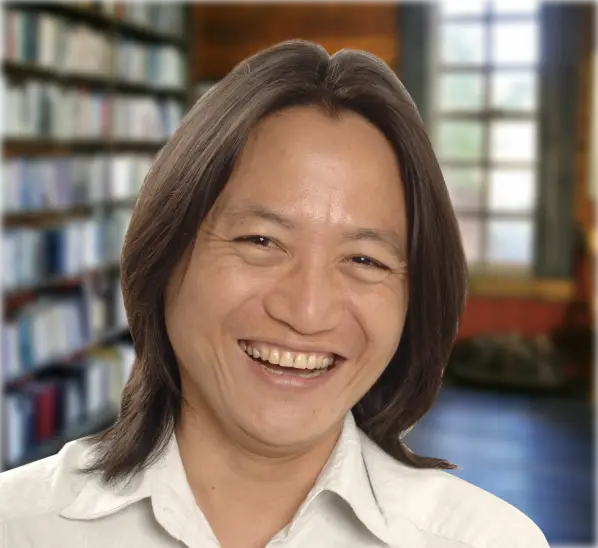
Known as the "Gypsy pharmacist," Krisana Kraisintu is a Thai pharmacist who in 1995 formulated a generic version of AZT, making Thailand the first developing country to manufacture generic HIV/AIDS drugs. She later helped African nations produce affordable antiretroviral and antimalarial medicines. She won the 2009 Ramon Magsaysay Award for pioneering accessible, affordable pharmaceuticals for the poor across Asia and Africa.
|
|
2009
|
Ka Hsaw Wa
|
Myanmar (Burma)
|
Human rights activist, NGO co-director
|
|
|
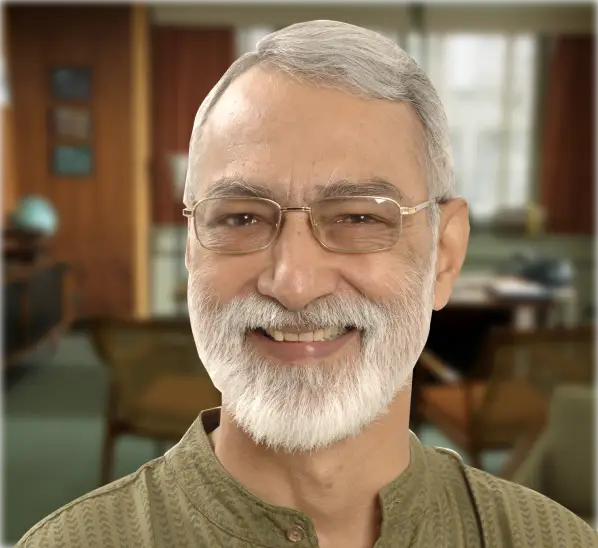
Ka Hsaw Wa is a Karen human rights activist from Myanmar who co-founded EarthRights International with Katie Redford to document abuses tied to the Yadana pipeline. He led the landmark Doe v. Unocal lawsuit under the Alien Tort Statute, winning compensation for villagers subjected to forced labor and violence. He received the 2009 Ramon Magsaysay Award for his decades of documenting human-rights and environmental abuses in Burma.
|
|
2009
|
Deep Joshi
|
India
|
Social worker, development professional
|
|
|
Deep Joshi co-founded PRADAN (Professional Assistance for Development Action) in India in 1983, bringing professional, educated youth into grassroots rural development work on self-help groups and natural resource management. He won the 2009 Ramon Magsaysay Award for Community Leadership for professionalizing India's NGO movement, and later received India's Padma Shri civilian honor (2010) and chaired the Institute of Rural Management Anand.
|

|
2009
|
Antonio Jr. Oposa
|
Philippines
|
Environmental lawyer
|
|
|
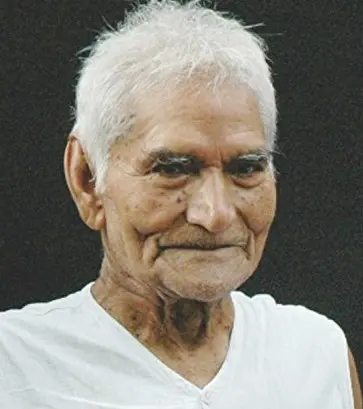
Antonio "Tony" Oposa Jr. is a Filipino environmental lawyer famous for the landmark 1993 Supreme Court case filed on behalf of 43 children against deforestation, establishing legal standing for future generations (the "Oposa Doctrine"). He also won a case forcing Manila Bay's rehabilitation and founded the Law of Nature Foundation and School of the SEAs. He received the 2009 Ramon Magsaysay Award for environmental law and activism.
|
|
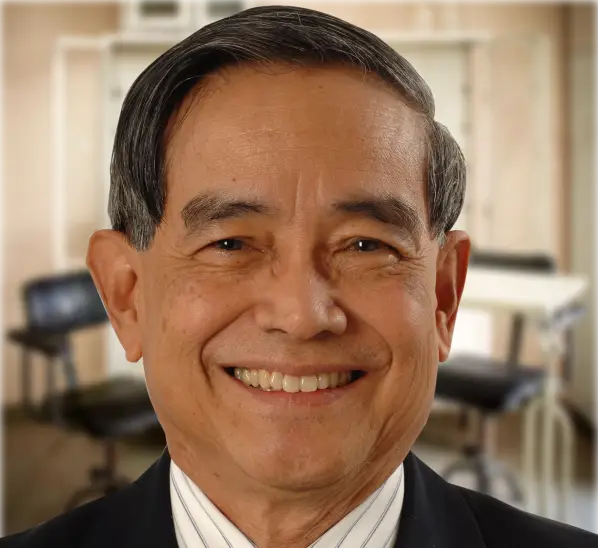
2008
|
Murlidhar Devidas Alias Baba Amte
|
India
|
|
|
|
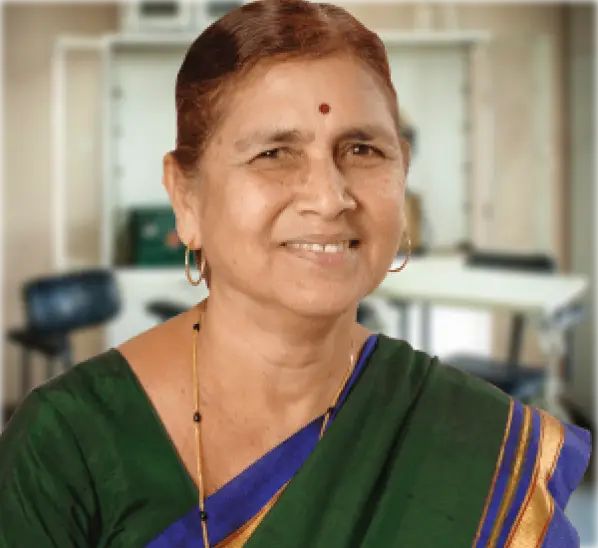
2008
|
Therdchai Jivacate
|
Thailand
|
Orthopedic surgeon, inventor
|
|
|
Therdchai Jivacate is a Thai orthopedic surgeon who founded the Prostheses Foundation in 1992, providing free artificial limbs (over 15,000) to poor amputees using low-cost, recycled materials. He established Thailand's first occupational therapy program and ran mobile clinics across Thailand, Laos, Myanmar, Malaysia, and Indonesia. He won the 2008 Ramon Magsaysay Award for making advanced prosthetic care accessible to the poor.
|
|
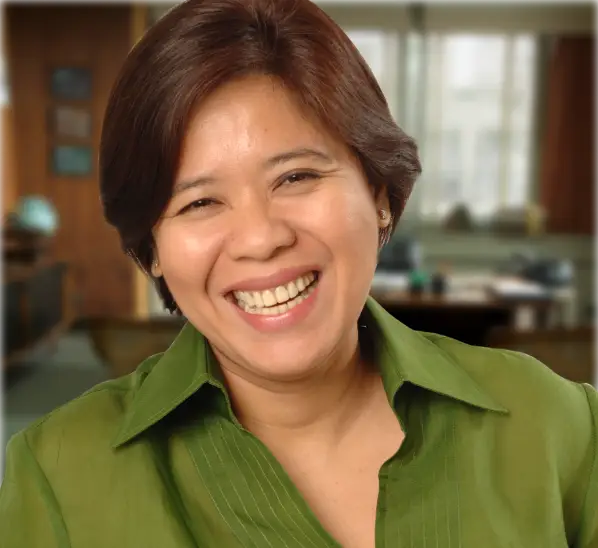
2008
|
Mandakini Amte
|
India
|
Physician (anesthesiologist), social worker
|
|
|
Mandakini Amte (nee Deshpande) is an Indian anesthesiologist who, alongside husband Prakash Amte, co-founded the Lok Biradari Prakalp in Hemalkasa, Maharashtra, providing decades of healthcare and education to the Madia Gond tribal community. The couple jointly won the 2008 Ramon Magsaysay Award for Community Leadership; their humanitarian work was also honored with a 1995 Monaco postage stamp, comparable to recognition once given to Albert Schweitzer.
|
|
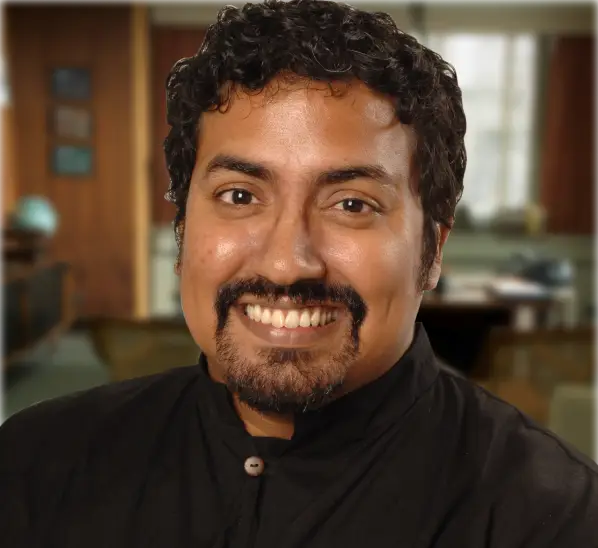
2008
|
Grace Padaca
|
Philippines
|
Politician, former journalist
|
|
|
Maria Gracia Cielo "Grace" Padaca, a former radio journalist and polio survivor, served as Governor of Isabela province, Philippines (2004-2010), cutting provincial debt, expanding PhilHealth coverage to 700,000 people, and leading the largest illegal-timber seizure in Philippine history. She won the 2008 Ramon Magsaysay Award for empowering Isabela voters to reclaim their democratic right to choose their leaders and participate in governance.
|

|
2008
|
Center for Agriculture and Rural Development Mutually Reinforcing Institutions (CARD MRI)
|
Philippines
|
Microfinance institution and social development organization
|
|
|
CARD MRI grew from a grassroots bank owned and managed by landless Filipino women into a leading microfinance federation applying the Grameen model. It provides financial and non-financial services, loans, banking, microinsurance, livelihood training, to poor women. It won the 2008 Ramon Magsaysay Award for successfully adapting microfinance to the Philippines, sustaining a 99%+ repayment rate while serving over half a million members across hundreds of branches.
|
|
2008
|
Ananda Galappatti
|
Sri Lanka
|
Medical anthropologist / psychosocial support specialist
|
|
|
A Sri Lankan medical anthropologist who pioneered mental-health and psychosocial care for survivors of war and disaster. He co-founded the War Trauma & Psychosocial Support Program and, after the 2004 tsunami, co-founded "The Mangrove" to coordinate relief in Batticaloa. He won the 2008 Ramon Magsaysay Award for Emergent Leadership for bringing effective psychosocial services to trauma survivors.
|
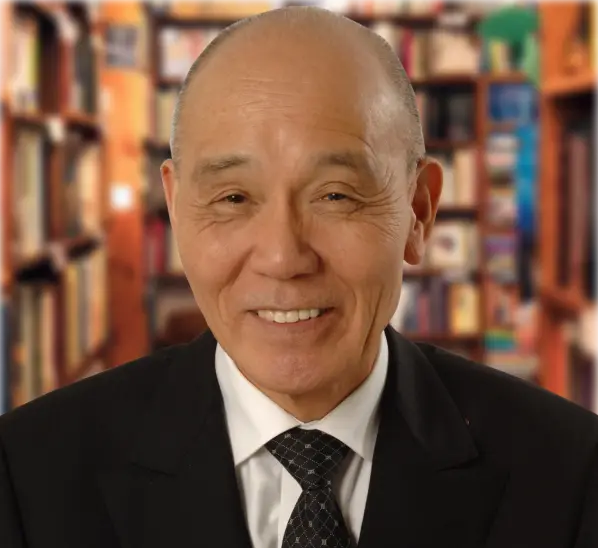
|
2008
|
Akio Ishii
|
Japan
|
Publisher
|
|
|
Japanese publisher who founded Akashi Shoten (1978) and used it to combat discrimination, publishing on burakumin communities, Korean residents in Japan, "comfort women," and migrant workers' rights. He won the 2008 Ramon Magsaysay Award for Journalism, Literature and Creative Communication Arts for exposing hidden social injustices in Japan.
|
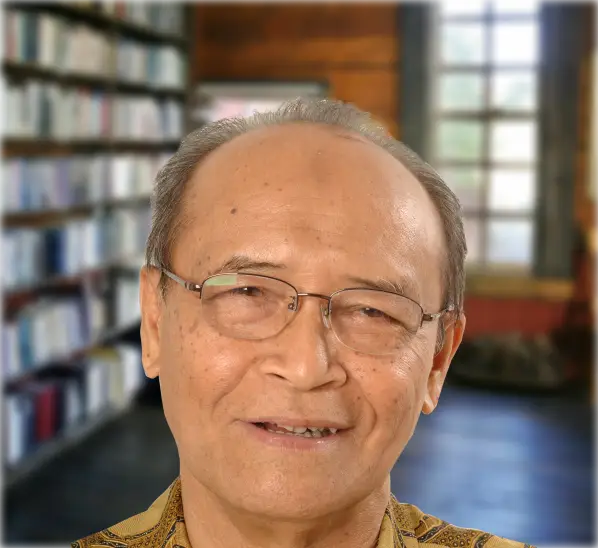
|
2008
|
Ahmad Syafii Maarif
|
Indonesia
|
Islamic scholar, historian, and former Muhammadiyah chairman
|
|
|
An Indonesian Islamic scholar and public intellectual who chaired Muhammadiyah (1998-2005), one of the world's largest Islamic organizations, and taught history at Yogyakarta State University. Known for advocating pluralism, moderate Islam, and religious tolerance in Indonesia's democratic transition. He received the 2008 Ramon Magsaysay Award for his work promoting inter-religious harmony and civic pluralism.
|
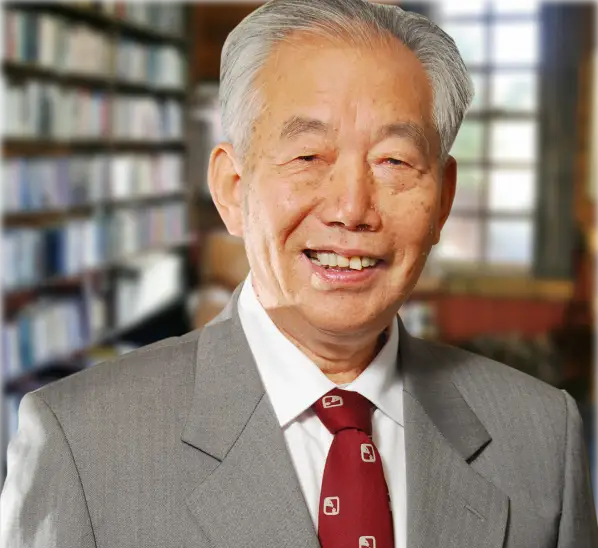
|
2007
|
Tang Xiyang
|
China
|
Environmentalist and writer
|
|
|
A pioneering Chinese environmentalist and nature writer who founded "Green Camps," mobilizing Chinese university students in hands-on conservation and ecological education across China's wilderness regions. His writing and grassroots organizing helped seed China's modern environmental movement. He won the 2007 Ramon Magsaysay Award for Peace and International Understanding for cultivating environmental awareness among China's youth.
|
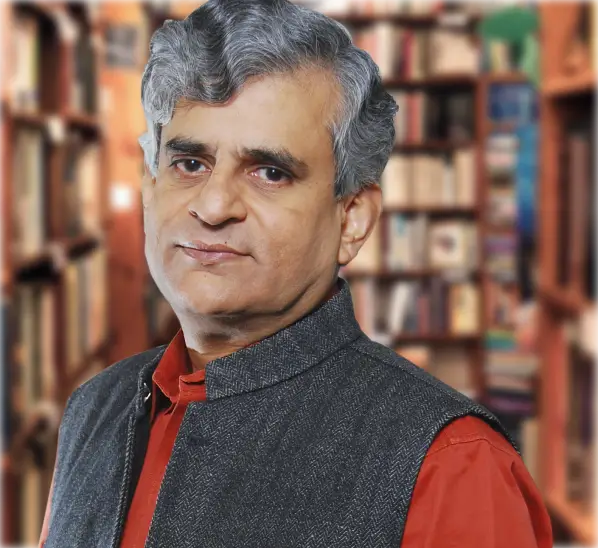
|
2007
|
Palagummi Sainath
|
India
|
Journalist, author, and photographer
|
|
|
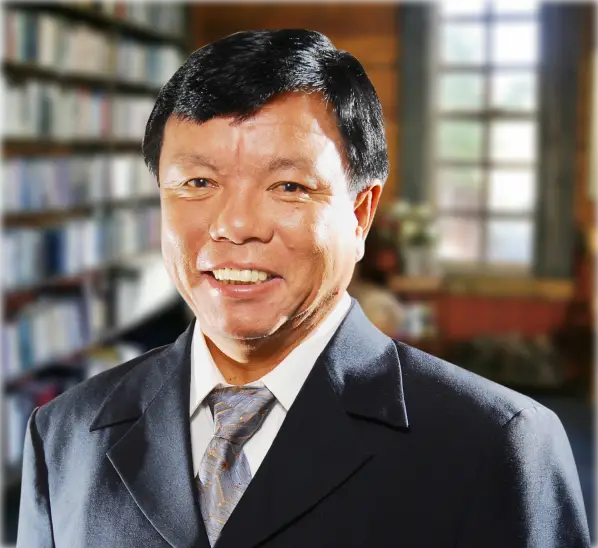
An Indian journalist renowned for decades of ground-level reporting on rural poverty, farmer suicides, and agrarian distress, notably in his book "Everybody Loves a Good Drought." He founded the People's Archive of Rural India (PARI). He won the 2007 Ramon Magsaysay Award for his passionate commitment as a journalist to restore the rural poor to India's national consciousness, the first Indian winner in that category since 1984.
|
|
2007
|
Mahabir Pun
|
Nepal
|
Social entrepreneur, educator, and technologist
|
|
|
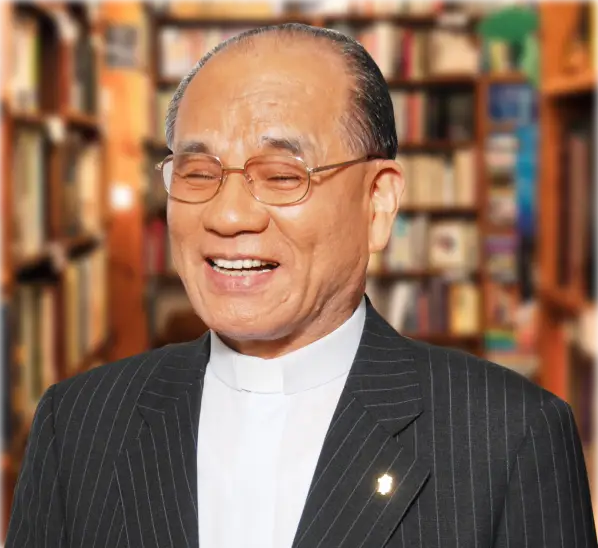
A Nepali educator who pioneered wireless internet connectivity for remote Himalayan villages lacking roads or telephone lines, linking a network of villages and computers to enable distance education, telemedicine, and e-commerce. He won the 2007 Ramon Magsaysay Award for Community Leadership for connecting his village to the global village, and later became a Nepali cabinet minister.
|
|
2007
|
Kim Sun-tae
|
South Korea
|
Pastor and hospital/rehabilitation-center director
|
|
|
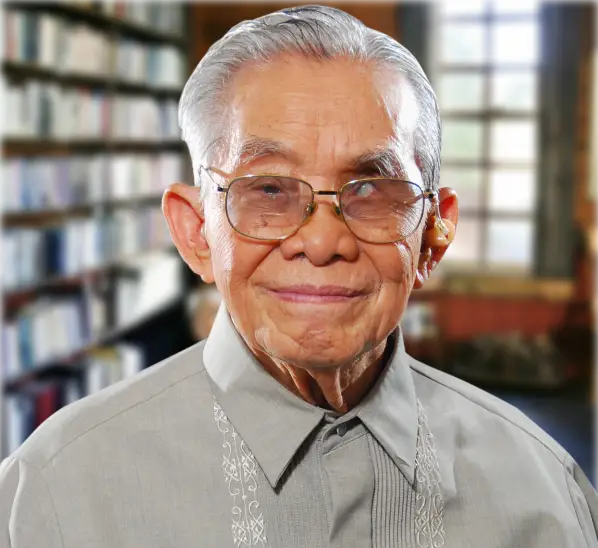
A South Korean pastor who founded Seoul's Siloam Eye Hospital, providing free eye surgery and services to the blind and visually impaired, including outreach via mobile clinics to prison inmates and the rural poor. He also established Korea's largest rehabilitation-and-learning center for the blind. He won the 2007 Ramon Magsaysay Award for his inspiring ministry of hope and practical assistance to blind and visually impaired citizens.
|
|
2007
|
Jovito Salonga
|
Philippines
|
Lawyer, senator, and statesman
|
|
|
A Filipino lawyer and longtime senator who chaired the Presidential Commission on Good Government pursuing Marcos-era ill-gotten wealth, and was a staunch advocate for civil liberties and constitutional democracy, including opposing US bases treaties. He received the 2007 Ramon Magsaysay Award for the exemplary integrity and substance of his long public career in service to democracy and good government in the Philippines.
|

|
2007
|
Chung To
|
United States, China
|
Philanthropist / AIDS activist
|
|
|
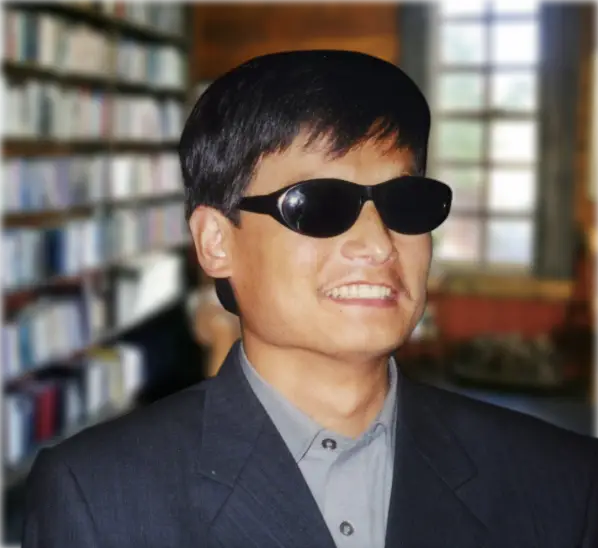
A Hong Kong-born, US-educated former investment banker who founded the Chi Heng Foundation (1998) to support children orphaned or affected by China's rural AIDS/HIV epidemic, funding schooling, psychosocial support, and vocational training for thousands of children. He shared the 2007 Ramon Magsaysay Award for Emergent Leadership (with Chen Guangcheng) for his AIDS-orphan advocacy work in China.
|
|
2007
|
Chen Guangcheng
|
China
|
Civil rights lawyer and activist
|
|
|
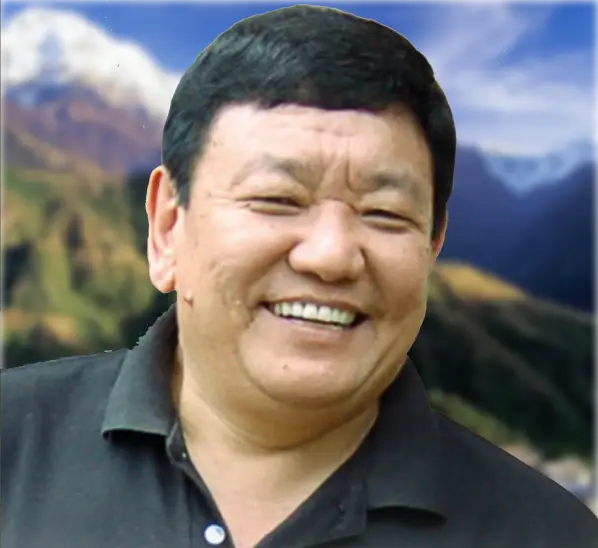
A self-taught blind "barefoot lawyer" from Shandong, China, who advocated for disability rights, land rights, and against forced abortions/sterilizations under China's one-child policy, leading to years of imprisonment and house arrest before his dramatic 2012 escape to the US embassy and later exile to the United States. He won the 2007 Ramon Magsaysay Award for his irrepressible passion for justice in leading ordinary Chinese citizens to assert their legitimate rights under the law.
|
|
2006
|
Sanduk Ruit
|
Nepal
|
Ophthalmologist
|
|
|
A Nepali eye surgeon who developed low-cost, high-volume cataract surgery techniques and affordable intraocular lenses, founding the Tilganga Institute of Ophthalmology; his methods have restored sight to hundreds of thousands across Asia and Africa. He won the 2006 Ramon Magsaysay Award for Peace and International Understanding for pioneering safe, economical cataract care for the world's poorest blind populations.
|
|
2006
|
Park Won Soon
|
South Korea
|
Human rights lawyer, civic activist, and politician (Mayor of Seoul, 2011-2020)
|
|
|
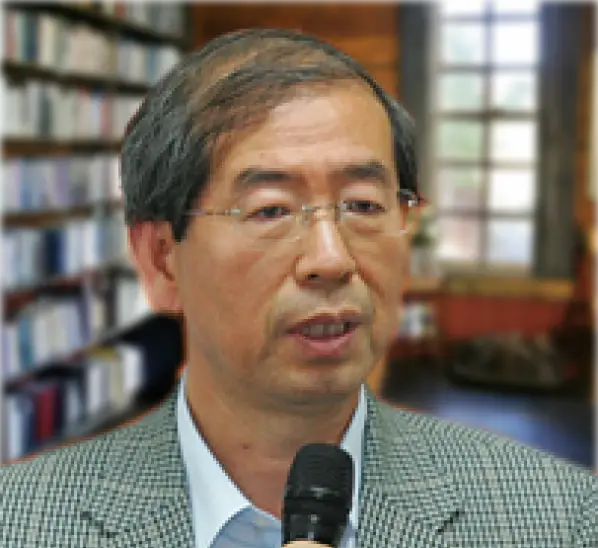
A South Korean human rights lawyer and civic activist who founded the People's Solidarity for Participatory Democracy and the Beautiful Foundation before serving three terms as Mayor of Seoul. He received the 2006 Ramon Magsaysay Award, profiled as "The People's Servant as Visionary," for transformative civic leadership. He died by suicide in July 2020 amid sexual harassment allegations from a former secretary.
|

|
2006
|
Gawad Kalinga Community Development Foundation
|
Philippines
|
Philippine NGO (poverty alleviation / community housing and nation-building)
|
|
|
A Philippine NGO that builds housing communities for the urban and rural poor through a model combining land, housing, and values-formation with volunteer bayanihan labor and partnerships with donors and residents. It won the 2006 Ramon Magsaysay Award for Community Leadership (shared with founder Antonio Meloto) for its innovative, community-driven approach to poverty relief and slum rehabilitation.
|
|
2006
|
Eugenia Duran Apostol
|
Philippines
|
Journalist and publisher
|
|
|
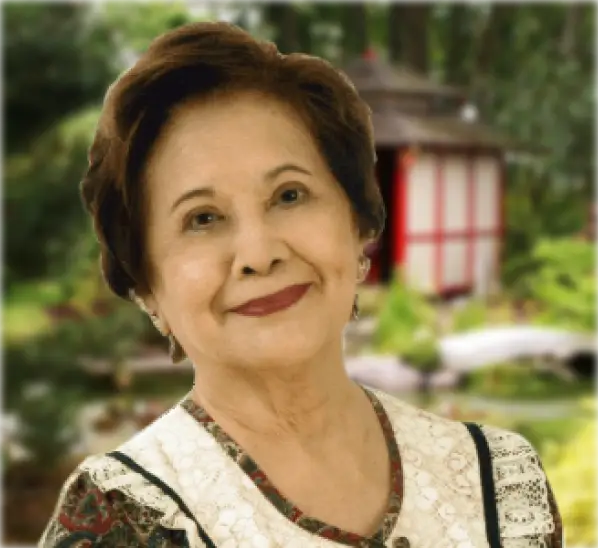
A Filipino journalist and publisher who founded Mr. & Ms. magazine and the Philippine Daily Inquirer, both instrumental in exposing Marcos-era abuses and sustaining a free press during martial law; later founded Malaya newspaper. She won the 2006 Ramon Magsaysay Award for Journalism, Literature and Creative Communication Arts for her courageous example in placing the truth-telling press at the center of the struggle for democratic rights and better government.
|
|
2006
|
Ek Sonn Chan
|
Cambodia
|
Engineer and public utility administrator
|
|
|
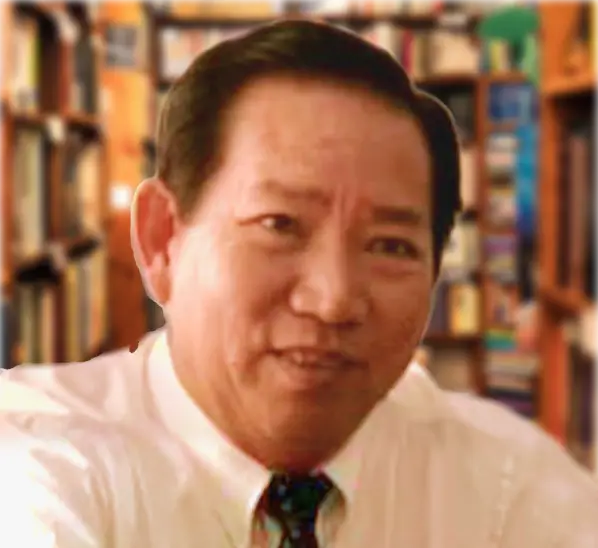
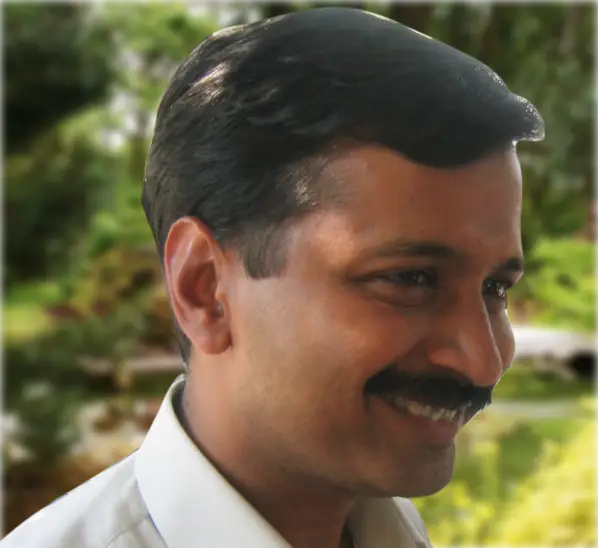
A Cambodian engineer who, as General Director of the Phnom Penh Water Supply Authority from 1993, transformed a collapsed utility (70% water loss to leaks/theft) into an efficient service reaching nearly a million residents, laying 1,500 km of pipe and achieving a 99% billing collection rate. He won the 2006 Ramon Magsaysay Award for Government Service for this turnaround, bringing safe drinking water to Phnom Penh.
|
|
2006
|
Arvind Kejriwal
|
India
|
Politician, anti-corruption activist, former Delhi Chief Minister
|
|
|
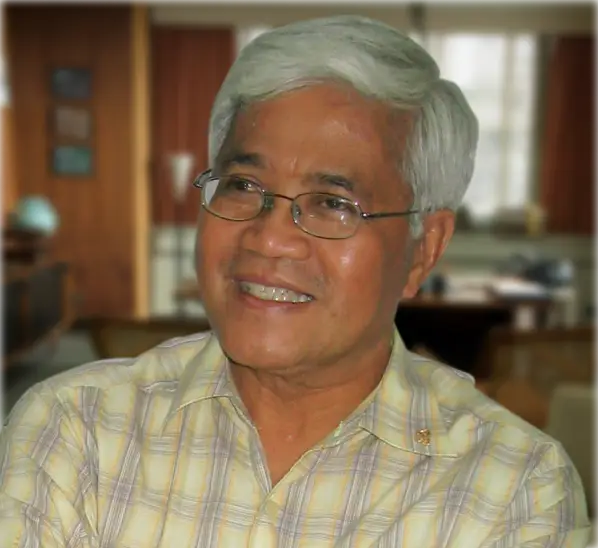
Kejriwal is an Indian politician who later became Chief Minister of Delhi and founder of the Aam Aadmi Party. Long before his political career, he won the 2006 Ramon Magsaysay Award for Emergent Leadership for activating grassroots use of India's Right to Information law through the Parivartan movement, helping New Delhi's poor citizens fight corruption and access government services without paying bribes.
|
|
2006
|
Antonio Meloto
|
Philippines
|
Social entrepreneur, founder of Gawad Kalinga
|
|
|
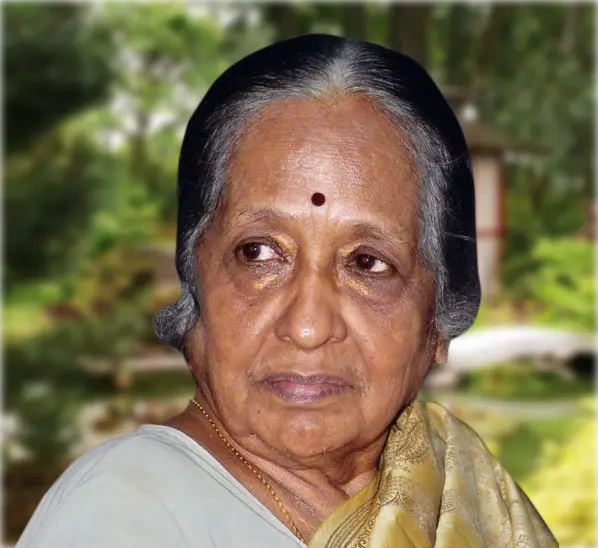
A former business professional who shifted to social work through Couples for Christ, Meloto founded Gawad Kalinga in 1995, a nationwide movement building homes and communities for the poor in the Philippines. He won the 2006 Ramon Magsaysay Award for Community Leadership, cited for harnessing Filipino faith and generosity to confront poverty and give every Filipino the dignity of a decent home and neighborhood.
|
|
2005
|
|
India
|
|
|
|
2005
|
Teten Masduki
|
Indonesia
|
Anti-corruption activist, later Indonesian government official
|
|
|
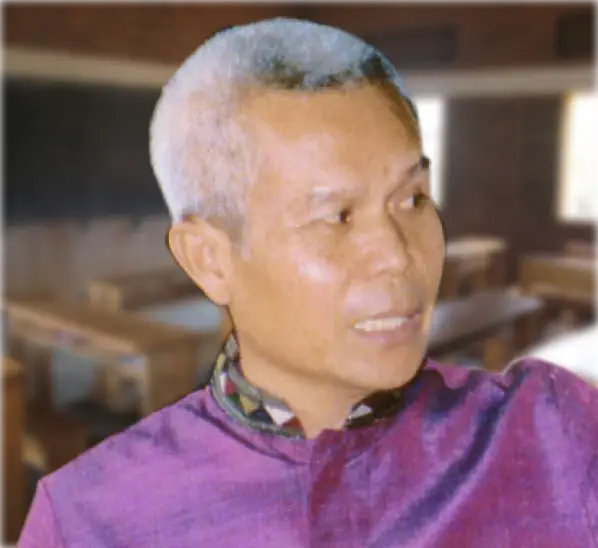
A former labor-rights lawyer, Masduki led Indonesia Corruption Watch (ICW) from 1998, building it into a public clearinghouse exposing corruption, collusion and nepotism cases worth hundreds of millions of dollars. He won the 2005 Ramon Magsaysay Award for Public Service for challenging Indonesians to expose corruption and claim their right to clean government. He later served as a cabinet minister and presidential chief of staff.
|
|
2005
|
Sombath Somphone
|
Laos
|
Community development worker, founder of PADETC
|
|
|
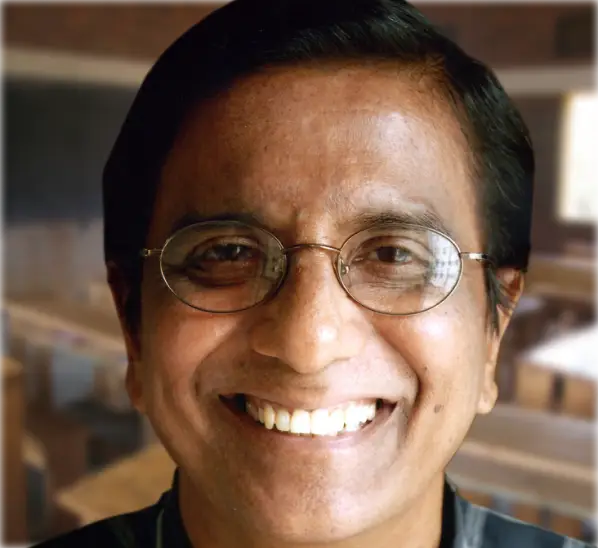
Sombath founded Laos's Participatory Development Training Centre (PADETC) in 1996, training young Laotians in sustainable, community-driven development. He won the 2005 Ramon Magsaysay Award for Community Leadership as the only Lao Magsaysay laureate. In December 2012 he was forcibly disappeared in an incident documented on CCTV; despite international appeals, his whereabouts remain unknown to this day.
|
|
2005
|
Matiur Rahman
|
Bangladesh
|
Journalist, newspaper editor
|
|
|
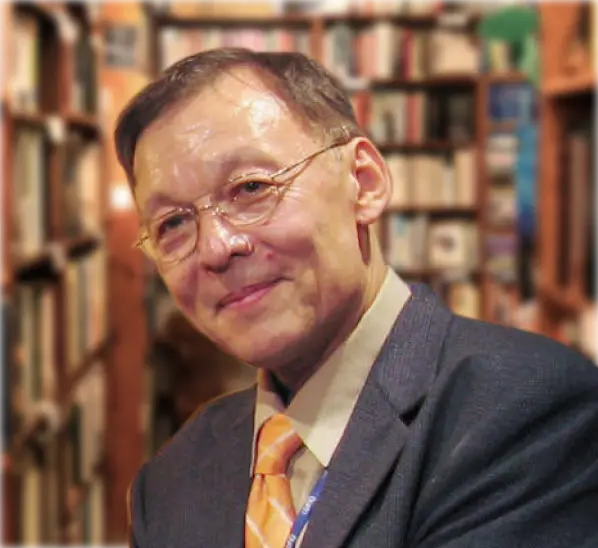
Rahman founded and edits Prothom Alo, one of Bangladesh's largest-circulation Bengali dailies, after two decades editing the socialist weekly Ekota. He won the 2005 Ramon Magsaysay Award for Journalism, Literature and Creative Communication Arts for using the press to crusade against acid-throwing attacks, mobilizing fundraising for victims and pushing legislative reform against acid violence.
|
|
2005
|
Jon Ungphakorn
|
Thailand
|
NGO leader, HIV/AIDS activist, former Thai senator
|
|
|
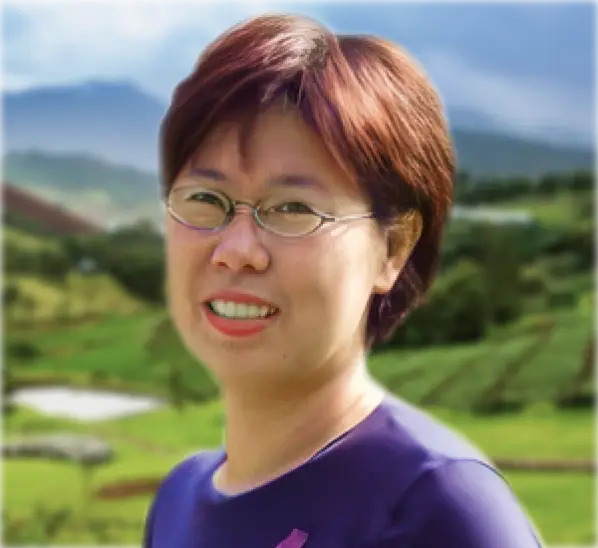
Ungphakorn founded AIDS Access Foundation in 1991, raising HIV/AIDS awareness and building a nationwide support network. As an elected Thai senator (2000-2006) he pushed to include HIV/AIDS patients in national healthcare and supported compulsory licensing for affordable antiretrovirals. He won the 2005 Ramon Magsaysay Award for Government Service, exactly 40 years after his father won the same award.
|
|
2005
|
Hye-Ran Yoon
|
South Korea
|
Social welfare advocate, civic organizer
|
|
|
Based in Cheonan, South Korea, Yoon founded Citizens Opening the World for Welfare (COWW) in 1998 and pioneered an "incubation" model spinning off independent NGOs serving the elderly, disabled people, and poor children, plus a Cheonan Ombudsman Group monitoring city services. She won the 2005 Ramon Magsaysay Award for Emergent Leadership for enabling Cheonan's civil society to exercise social responsibility democratically.
|
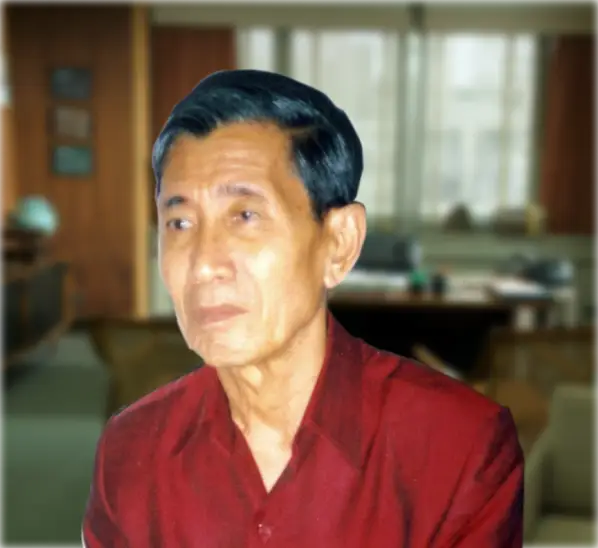
|
2004
|
Prayong Ronnarong
|
Thailand
|
Farmer, community leader
|
|
|
A rubber farmer in southern Thailand's Mairiang district, Ronnarong responded to a 1969 price crisis by organizing a community-owned rubber-processing plant, later helping establish over 100 similar factories and diversified cooperative enterprises benefiting roughly 900 families directly. He won the 2004 Ramon Magsaysay Award for Community Leadership for demonstrating that self-reliant local enterprises are a path to rural prosperity in Thailand.
|
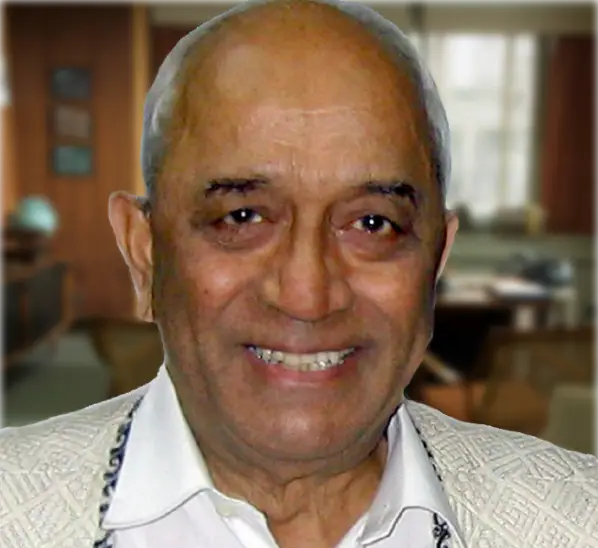
|
2004
|
Laxminarayan Ramdas
|
India
|
Retired admiral, peace activist
|
|
|
Admiral Ramdas served as India's 13th Chief of Naval Staff (1990-1993) before becoming a leading peace and anti-nuclear campaigner across South Asia. He won the 2004 Ramon Magsaysay Award for Peace and International Understanding for his efforts to demilitarize and denuclearize South Asia, including opposition to the Kudankulam nuclear reactor project.
|
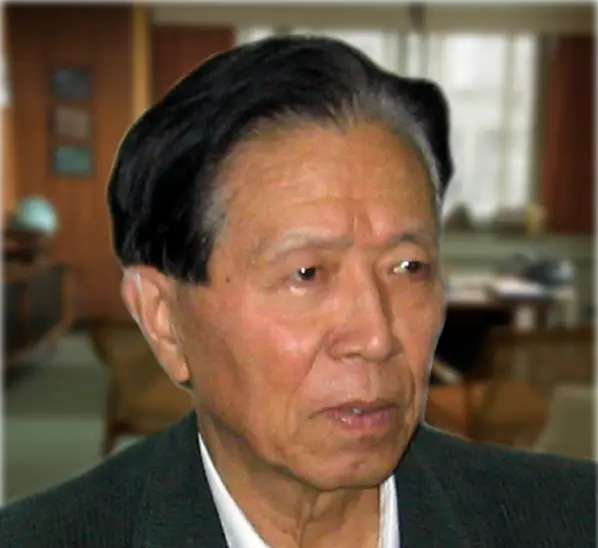
|
2004
|
Jiang Yanyong
|
China
|
Physician, surgeon (PLA General Hospital, Beijing)
|
|
|
A senior military surgeon, Jiang exposed the Chinese government's cover-up of the true scale of the 2003 SARS outbreak by writing to media outlets when officials underreported cases, triggering international scrutiny and the removal of Beijing's mayor and health minister. He won the 2004 Ramon Magsaysay Award for Public Service for his brave stand for truth, which spurred life-saving measures to contain SARS.
|
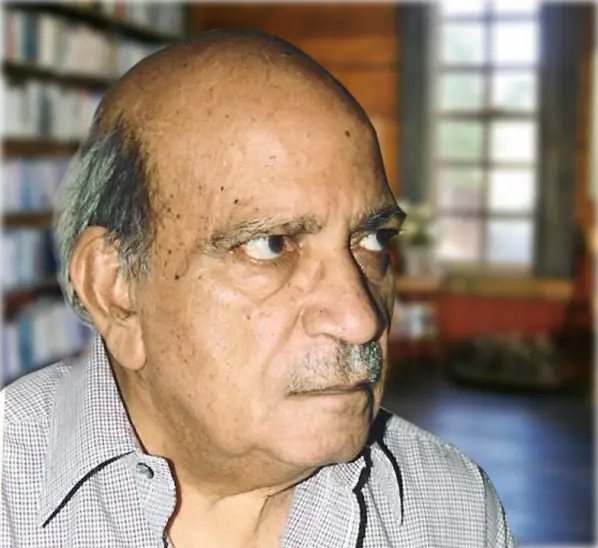
|
2004
|
Ibn Abdur Rehman
|
Pakistan
|
Journalist, human rights activist
|
|
|
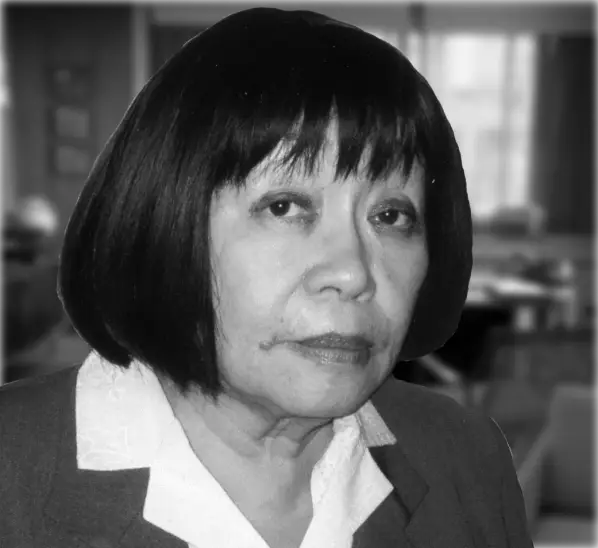
I.A. Rehman was a leading Pakistani journalist (editor of Pakistan Times) and human rights defender who co-founded the Pakistan-India People's Forum for Peace and Democracy and led the Human Rights Commission of Pakistan for over two decades. He won the 2004 Ramon Magsaysay Award for Peace and International Understanding, recognized for his lifelong advocacy for peace, democracy, and human rights across the Indo-Pakistani divide.
|
|
2004
|
Haydee Yorac
|
Philippines
|
Lawyer, law professor, government negotiator/official
|
|
|
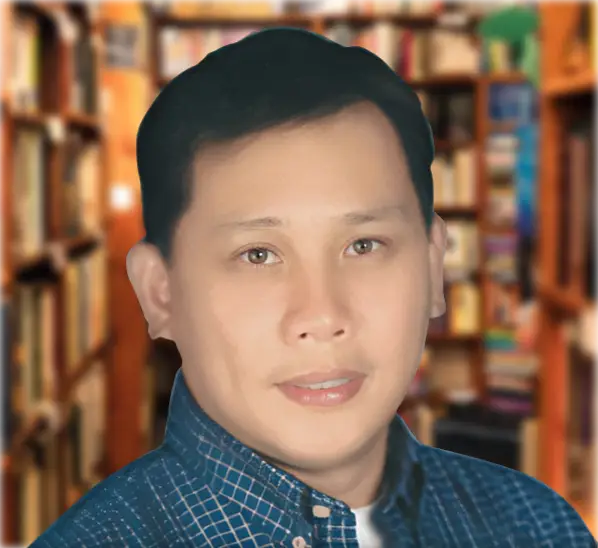
Yorac was a Filipino lawyer who served as an election commissioner, chaired the National Unification Commission's peace-process precursor, and later chaired the Presidential Commission on Good Government, recovering US$683 million in Marcos-era ill-gotten wealth from Swiss accounts. She won the 2004 Ramon Magsaysay Award for Government Service, cited for building public confidence in government through integrity and unwavering pursuit of the rule of law.
|
|
2004
|
Benjamin Abadiano
|
Philippines
|
Educator, social development worker
|
|
|
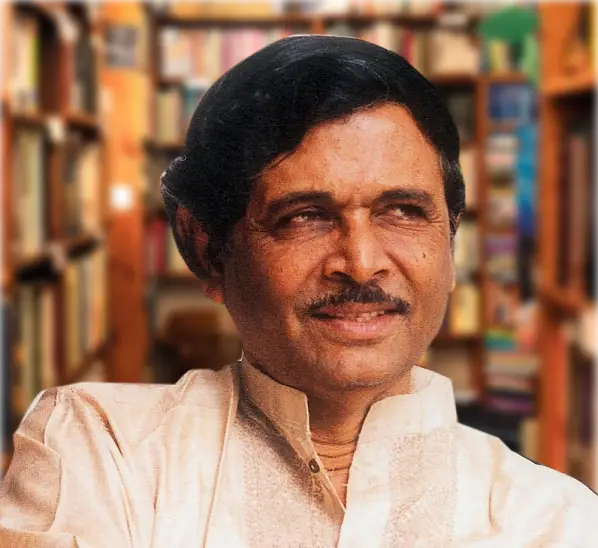
Abadiano dedicated his career to indigenous Filipino communities, founding the Tugdaan Center for the Mangyan people and later the ILAWAN Center serving Lumad communities in Mindanao, focused on literacy, livelihood and culturally rooted education. He won the 2004 Ramon Magsaysay Award for Emergent Leadership for his steadfast commitment to indigenous Filipinos and their hopes for peace and better lives consistent with their traditions.
|
|
2004
|
Abdullah Abu Sayeed
|
Bangladesh
|
Educator, writer, television presenter, reading-movement activist
|
|
|
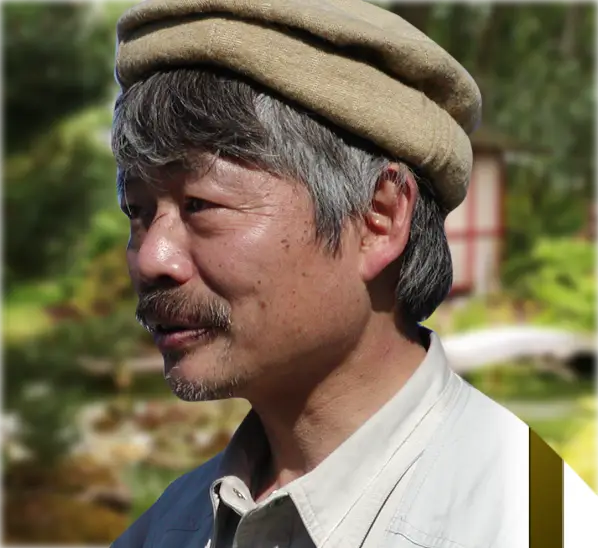
Sayeed founded Bishwa Sahitya Kendro in 1978 to cultivate reading habits and literary appreciation among Bangladeshi youth, becoming a nationally influential advocate for literature and progressive education alongside a career as a television presenter and writer. He won the 2004 Ramon Magsaysay Award for Journalism, Literature and Creative Communication Arts for cultivating in Bangladeshi youth a love of books and humanizing values.
|
|
2003
|
Tetsu Nakamura
|
Japan
|
Physician, Humanitarian Aid Worker
|
|
|
A Japanese physician who spent over three decades in Afghanistan and Pakistan, initially treating leprosy patients before expanding into irrigation and agriculture after realizing malnutrition and water scarcity drove disease. He built the 25.5 km Marwarid Canal and other waterworks irrigating over 16,000 hectares, helping some 600,000 people. He was assassinated in Jalalabad in 2019. Won the 2003 Magsaysay Award for Peace and International Understanding.
|

|
2003
|
Sheila Coronel
|
Philippines
|
Investigative Journalist, Journalism Educator
|
|
|
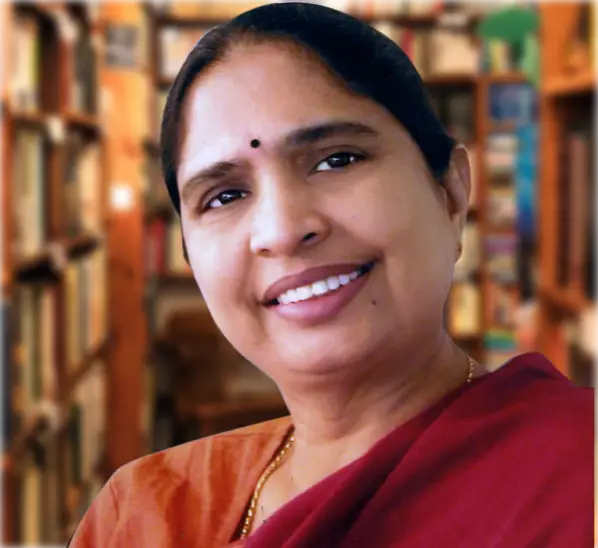
A Filipino investigative journalist who co-founded the Philippine Center for Investigative Journalism (PCIJ) in 1989, whose reporting on government corruption helped trigger President Joseph Estrada's 2001 removal. She later became Toni Stabile Professor and academic dean at Columbia Journalism School. Won the 2003 Magsaysay Award for Journalism, Literature and Creative Communication Arts for building investigative journalism into a pillar of Philippine democracy.
|
|
2003
|
Shantha Sinha
|
India
|
Anti-Child-Labour Activist, Academic
|
|
|
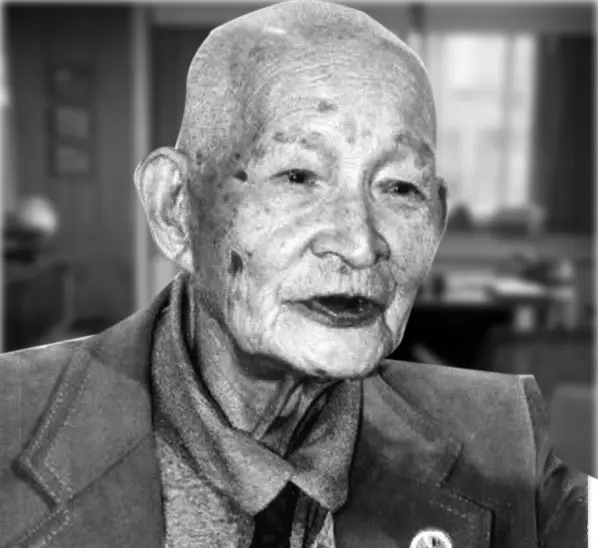
An Indian activist and political science professor who founded the MV Foundation to eliminate child labor and ensure schooling for children across Andhra Pradesh, mobilizing roughly 1,200 villages. She later chaired India's National Commission for Protection of Child Rights. Won the 2003 Magsaysay Award for Community Leadership for guiding communities to end child labor and enroll children in school; also a Padma Shri recipient.
|
|
2003
|
Seiei Toyama
|
Japan
|
Environmentalist, Desert-Greening Specialist
|
|
|
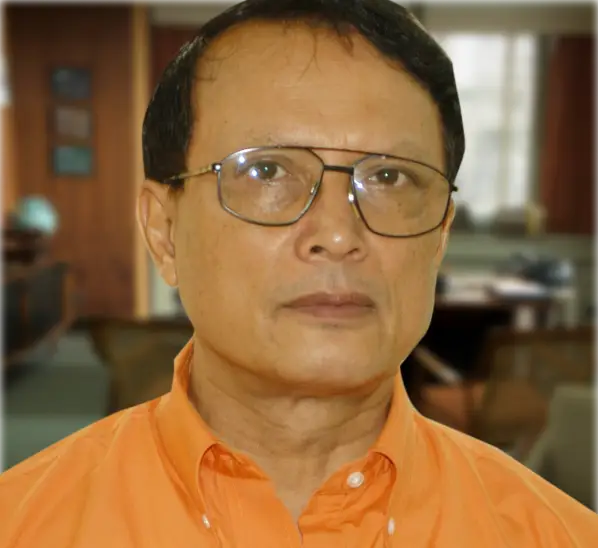
A Japanese scientist who spent decades combating desertification in China after witnessing Gobi Desert erosion in the 1930s. He developed reforestation techniques using poplar trees and water-retaining methods, converting roughly 20,000 hectares of desert into farmland, and founded the Japan Desert Greening Association. China honored him with a bronze statue in 1996. Won the 2003 Magsaysay Award for Peace and International Understanding for promoting cross-border ecological solidarity.
|
|
2003
|
James Michael Lyngdoh
|
India
|
Civil Servant (Chief Election Commissioner of India)
|
|
|
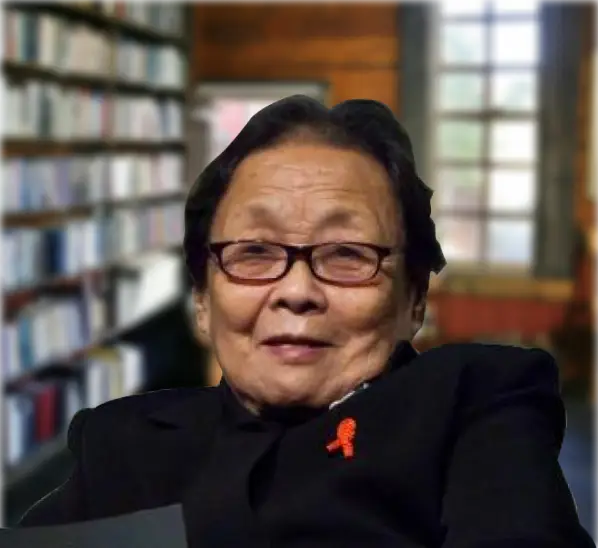
An Indian bureaucrat who served as Chief Election Commissioner of India (2001-2004), notable for resisting political pressure from Gujarat's government to hold premature elections after the 2002 communal violence, a stance upheld by the Supreme Court. He later wrote "Chronicles of an Impossible Election" and remained active in anti-corruption and electoral reform advocacy. Won the 2003 Magsaysay Award for Government Service for his independence and integrity.
|
|
2003
|
Gao Yaojie
|
China
|
Gynecologist, AIDS Awareness Activist
|
|
|
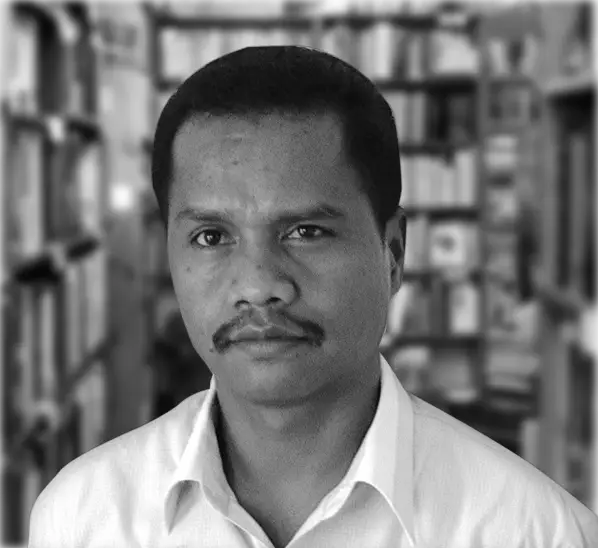
A Chinese physician who diagnosed China's first documented AIDS case and became a whistleblower exposing HIV transmission through contaminated blood-collection practices in rural Henan province, despite government harassment. She self-published and distributed over 530,000 educational pamphlets and later fled to the United States in 2009. Won the 2001 Magsaysay Award for Public Service for her courageous AIDS prevention efforts.
|
|
2003
|
Aniceto Guterres Lopes
|
Timor-Leste
|
Human Rights Lawyer, Politician
|
|
|
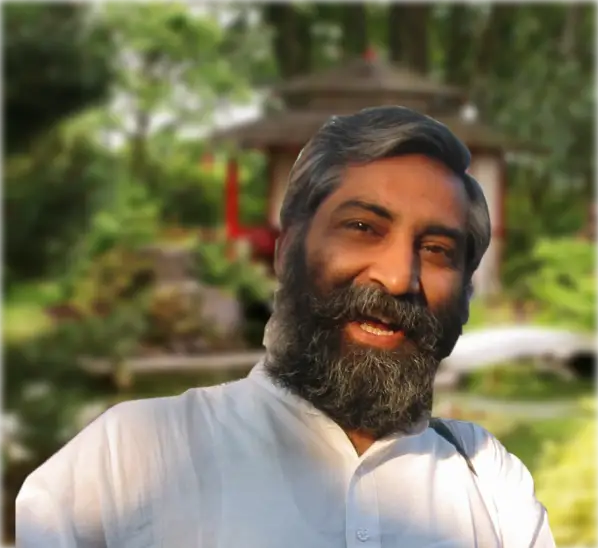
A Timorese lawyer who founded the Human Rights and Justice Foundation (Yayasan HAK) in 1997 to aid victims of Indonesian-era abuses, later chairing East Timor's Commission for Reception, Truth and Reconciliation (2002-2005). He went on to serve in and preside over the National Parliament. Won the 2003 Magsaysay Award for Emergent Leadership for his courageous stand for justice amid personal threats.
|
|
2002
|
Sandeep Pandey
|
India
|
Social Activist, Educator
|
|
|
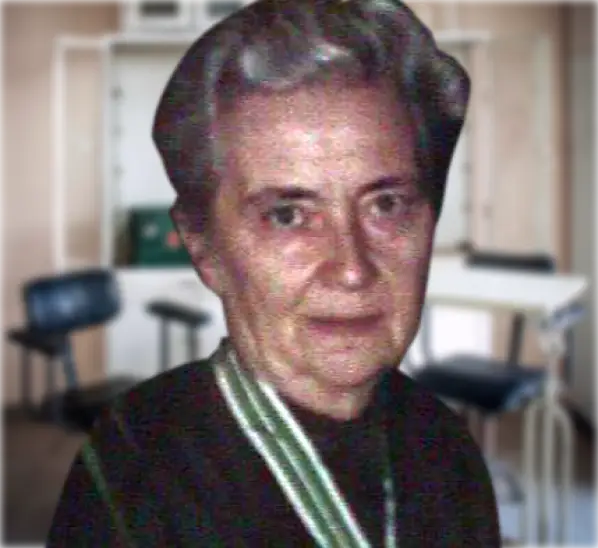
An Indian activist and former engineering professor (with a doctorate from UC Berkeley) who co-founded Asha for Education and later led the National Alliance of People's Movements, campaigning on education, Right to Information, and grassroots democracy. Won the 2002 Magsaysay Award for Emergent Leadership; he later returned the award's cash portion in protest over criticism of his anti-war statements, and again symbolically returned the award in 2024 over U.S. Middle East policy.
|
|
2002
|
Ruth Pfau
|
Pakistan
|
Physician, Catholic Nun
|
|
|
A German-born doctor and member of the Daughters of the Heart of Mary who settled in Karachi in 1960 and devoted her life to eradicating leprosy in Pakistan. She founded the Marie Adelaide Leprosy Centre, establishing 157 clinics nationwide and helping reduce leprosy cases from about 19,000 to near elimination, contributing to Pakistan being declared leprosy-controlled by WHO in 1996. Won the 2002 Magsaysay Award and was given a state funeral in Pakistan.
|
|
2002
|
Pomnyun Sunim
|
South Korea
|
Buddhist Monk, Social Activist
|
|
|
A South Korean Buddhist monk (born Sukho Choi) who founded the Jungto Society applying Buddhist principles to social and environmental problems. He documented the 1990s North Korean famine through refugee interviews, mobilized humanitarian aid, and has long advocated for North-South Korean reconciliation. Won the 2002 Magsaysay Award for his compassionate response to Korea's division and appeal for peace.
|
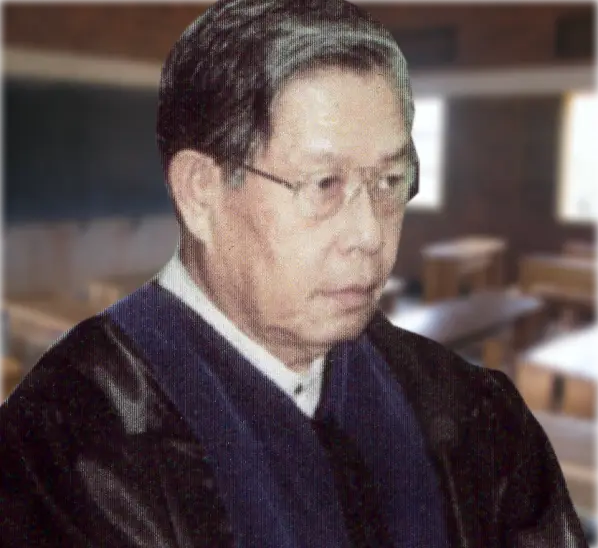
|
2002
|
Hilario Jr. Davide
|
Philippines
|
Jurist, Chief Justice of the Philippines
|
|
|
A Filipino jurist who helped draft the 1987 Philippine Constitution as a constitutional commissioner and later served as the 20th Chief Justice of the Philippines (1998-2005), presiding over President Joseph Estrada's impeachment trial and administering the oath of office to Gloria Macapagal Arroyo during the 2001 EDSA II transition. He later served as Philippine Ambassador to the UN. Won the 2002 Magsaysay Award for Government Service for his lifelong commitment to democracy and rule of law.
|
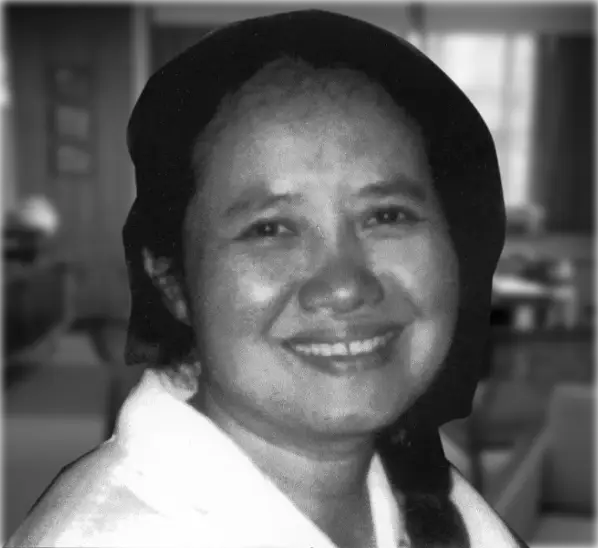
|
2002
|
Cynthia Maung
|
Myanmar (Burma)
|
Physician, Humanitarian
|
|
|
A Karen ethnic-minority physician who fled Burma after the 1988 military crackdown and founded the Mae Tao Clinic on the Thai-Myanmar border in 1989, providing free healthcare to displaced persons and migrant workers, now serving hundreds of patients daily. Won the 2002 Magsaysay Award for Community Leadership for decades of medical service to vulnerable border populations; also recognized with the Jonathan Mann Award and named a TIME Asian Hero.
|
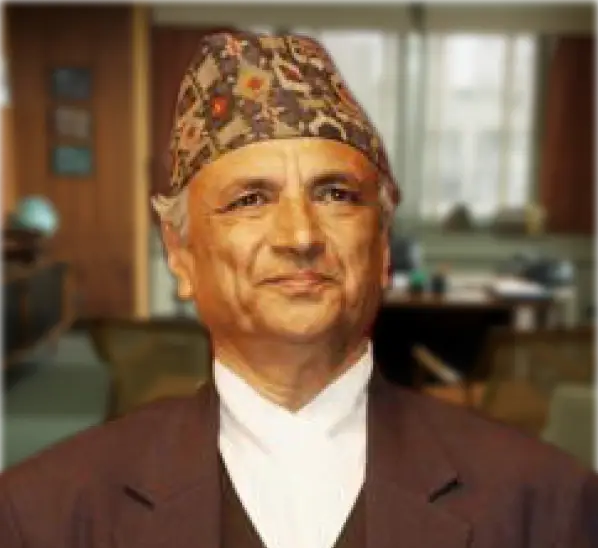
|
2002
|
Bharat Koirala
|
Nepal
|
Journalist, Media Educator
|
|
|
A senior Nepali journalist who began as chief reporter for The Rising Nepal in 1965 and later edited Gorkhapatra. He founded the Nepal Press Institute, Nepal Forum of Environmental Journalists, and Radio Sagarmatha, Nepal's first independent FM station, and pioneered rural wall newspapers and development journalism. Won the 2002 Magsaysay Award for Journalism, Literature and Creative Communication Arts for advancing Nepal's free press and media training.
|
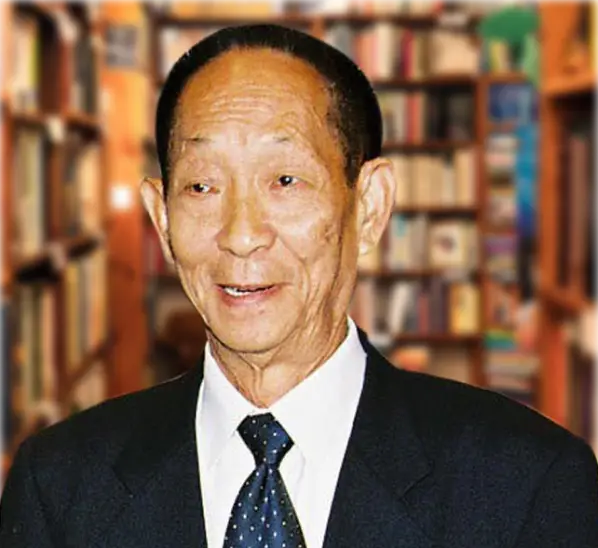
|
2001
|
|
China
|
Agricultural Scientist (Agronomist)
|
|
|
Known as the Father of Hybrid Rice, this Chinese agronomist discovered male-sterile rice plants that solved the challenge of hybridizing self-pollinating rice, developing high-yield hybrid and later super rice varieties that boosted yields 20-30% and helped feed roughly one-fifth of the world's population. He shared his research internationally through the International Rice Research Institute. Won the 2001 Magsaysay Award for Government Service; also won the 2004 World Food Prize.
|
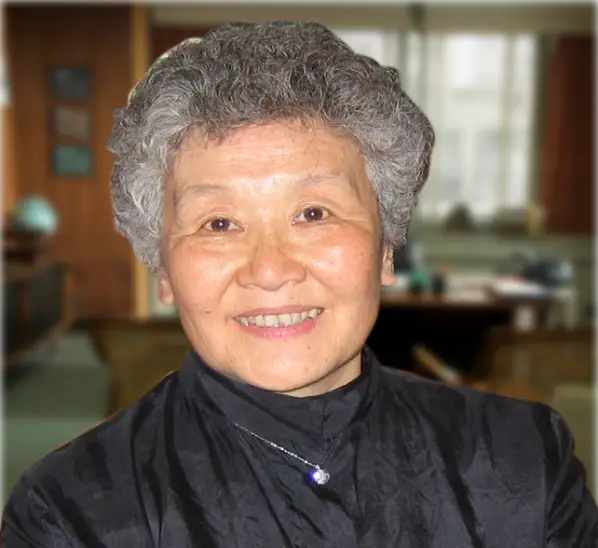
|
2001
|
Wu Qing
|
China
|
Educator, Women's Rights Activist, Legislator
|
|
|
A Chinese English professor who served over 25 years as a district-level People's Congress delegate in Beijing, championing constitutional governance, transparency, and grassroots democracy. She co-founded the Beijing Cultural Development Center for Rural Women, promoting literacy, legal knowledge, and self-sufficiency among rural women. Won the 2001 Magsaysay Award for Public Service, becoming the first Chinese woman to receive the award.
|
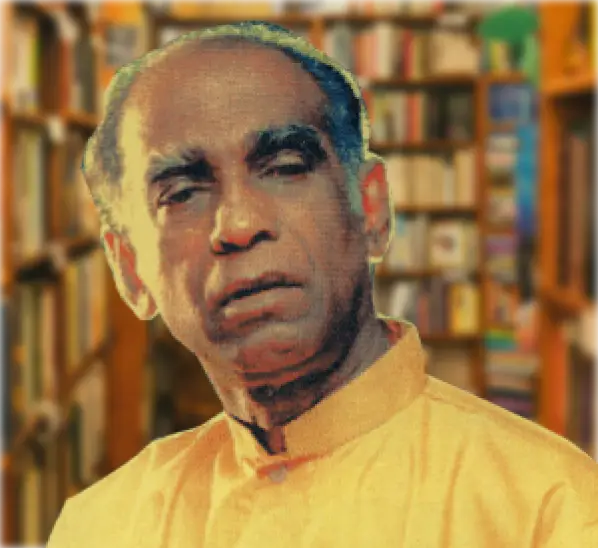
|
2001
|
W.D Amaradeva
|
Sri Lanka
|
Musician, vocalist, violinist, and composer
|
|
|
Amaradeva was Sri Lanka's foremost musician, revered as the Maestro of Sri Lankan Music. He fused indigenous folk traditions with Indian classical ragas and Western elements, composing over 1,000 songs and pioneering the sarala gee genre. He won the 2001 Ramon Magsaysay Award for Journalism, Literature, and Creative Communication Arts for his life of dazzling creativity expressing Sri Lanka's musical heritage. He also received India's Padma Shri and Sri Lanka's Deshamanya title.
|
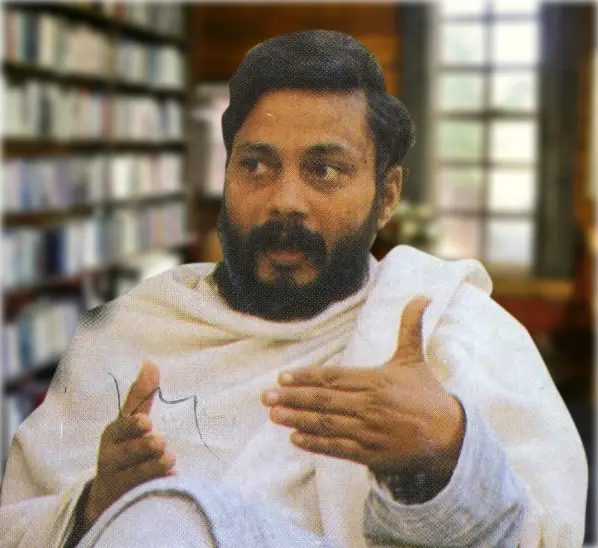
|
2001
|
Rajendra Singh
|
India
|
Water conservationist and environmentalist
|
|
|
Known as the Waterman of India, Singh founded the NGO Tarun Bharat Sangh in 1975 and led construction of over 8,600 johads (small check dams) to harvest rainwater, reviving five rivers in Rajasthan and restoring water to over 1,000 villages. He won the 2001 Ramon Magsaysay Award for Community Leadership for pioneering community-based water harvesting and management. He also won the 2015 Stockholm Water Prize.
|
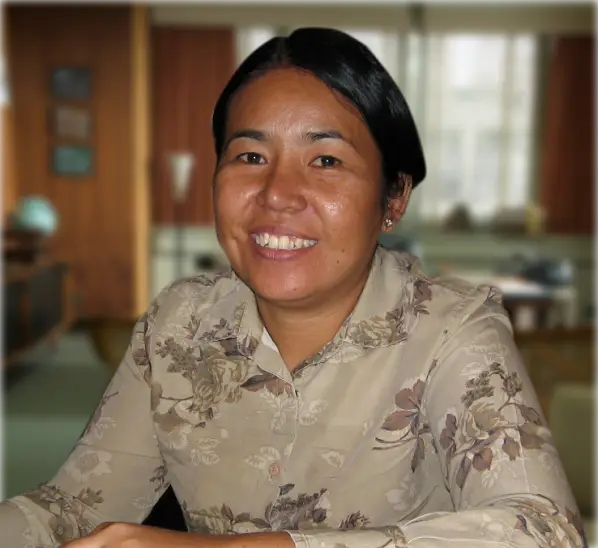
|
2001
|
Oung Chanthol
|
Cambodia
|
Human rights and women's rights advocate; founder of the Cambodian Women's Crisis Center
|
|
|
Oung Chanthol founded and led the Cambodian Women's Crisis Center (CWCC), addressing rape, domestic abuse, and human trafficking in Cambodia through documentation, victim support, public awareness campaigns, and law-enforcement training. She won the 2001 Ramon Magsaysay Award for Emergent Leadership for her pioneering, comprehensive efforts combating gender-based violence and trafficking.
|
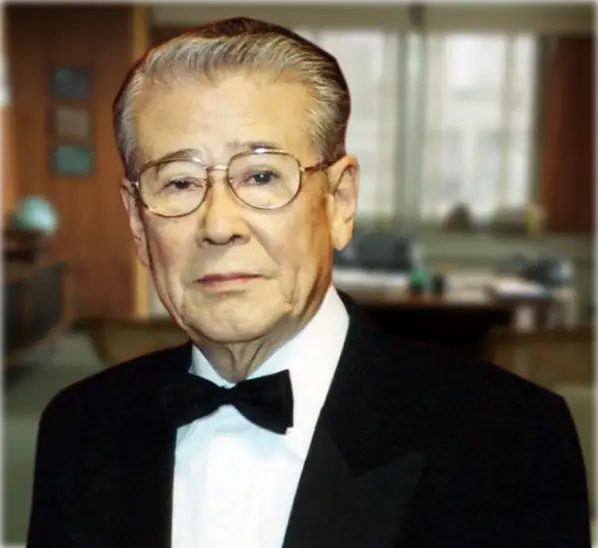
|
2001
|
Ikuo Hirayama
|
Japan
|
Japanese Nihonga painter, educator, and cultural heritage advocate
|
|
|
Hirayama was a celebrated Japanese painter known for dreamy Silk Road and desert landscapes, and works depicting Buddhism's spread to Japan and the Hiroshima bombing. He served as president of Tokyo University of the Arts and campaigned globally to preserve endangered heritage sites, including Angkor Wat, Dunhuang, and the Bamiyan Buddhas. He won the 2001 Ramon Magsaysay Award for Peace and International Understanding for fostering stewardship of world cultural treasures.
|
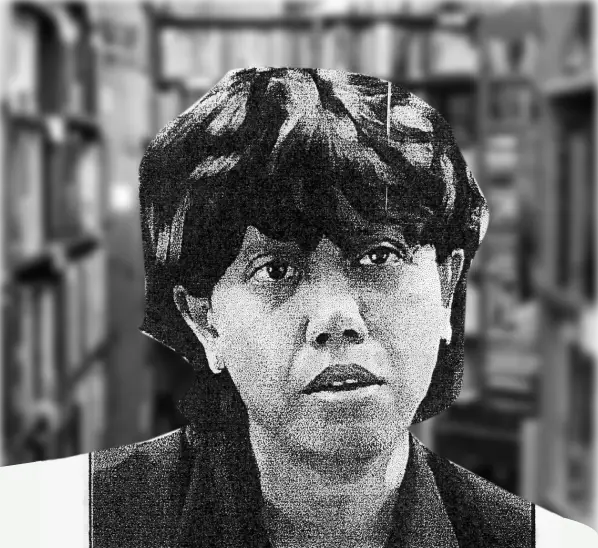
|
2001
|
Dita Indah Sari
|
Indonesia
|
Trade union activist and labor rights campaigner
|
|
|
An Indonesian labor organizer active during the Suharto era, Sari was imprisoned for five years from 1996 on sedition charges and named a prisoner of conscience by Amnesty International. After her 1999 release, she led the National Front for Indonesian Workers' Struggle (FNPBI). She won the 2001 Ramon Magsaysay Award for Emergent Leadership for her courageous advocacy for workers' rights and democratic freedoms.
|
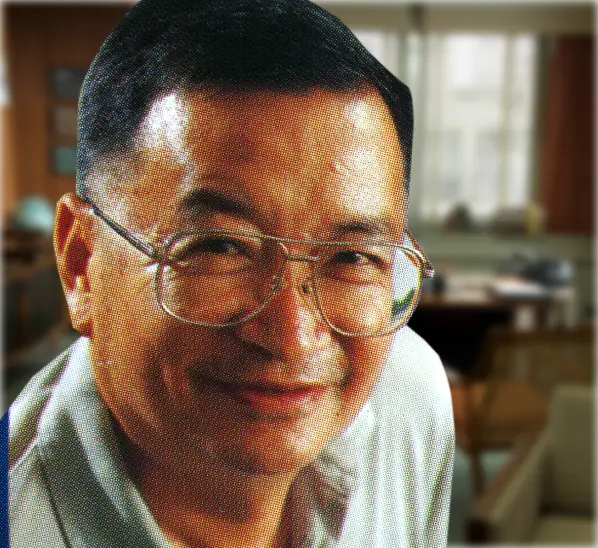
|
2000
|
Liang Congjie
|
China
|
Historian and environmental activist
|
|
|
Liang founded Friends of Nature in 1994, China's first officially recognized environmental NGO, promoting grassroots environmental education and collaborating constructively with government rather than confronting it. His work helped protect Tibetan antelopes and exposed illegal old-growth logging, contributing to a 1999 government logging ban. He won the 2000 Ramon Magsaysay Award for Public Service for advancing environmental protection in China without alienating the state.
|
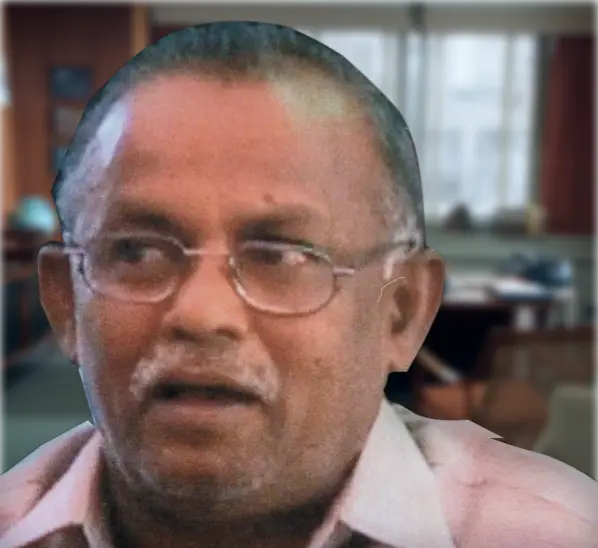
|
2000
|
Jockin Arputham
|
India
|
Community organizer and housing/slum-dwellers' rights activist
|
|
|
Arputham founded India's National Slum Dwellers Federation and co-founded Slum Dwellers International, spanning some 30 countries. His federated, savings-group model helped secure land rights, toilets, and housing for hundreds of thousands of the urban poor. He won the 2000 Ramon Magsaysay Award for International Understanding for extending community-building lessons from India to Southeast Asia and Africa.
|

|
2000
|
Jesse Manalastas Robredo
|
Philippines
|
Filipino public administrator; Mayor of Naga City and Secretary of the Interior and Local Government
|
|
|
Robredo served as Naga City mayor for nearly two decades (1988-1998, 2001-2010), transforming it into one of Asia's Most Improved cities through participatory, transparent governance. He later served as DILG Secretary, championing in-city housing for Manila's urban poor. He won the 2000 Ramon Magsaysay Award for Government Service, becoming the first Filipino mayor so honored. He died in a plane crash in 2012.
|
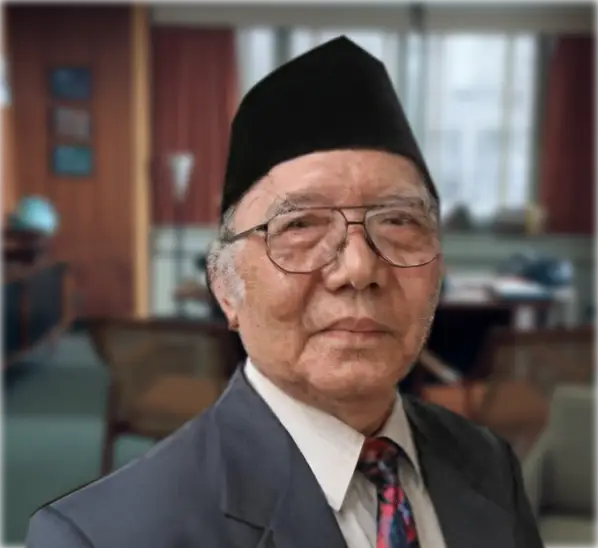
|
2000
|
Atmakusumah Astraatmadja
|
Indonesia
|
Journalist, educator, and press freedom advocate
|
|
|
Atmakusumah was a leading Indonesian journalist who helped draft Indonesia's landmark 1999 Press Law abolishing censorship and licensing, and served as the first independent chair of the Indonesian Press Council. He trained roughly 20,000 journalists over three decades. He won the 2000 Ramon Magsaysay Award for Journalism, Literature and Creative Communication Arts for laying the institutional foundations of press freedom in post-Suharto Indonesia.
|
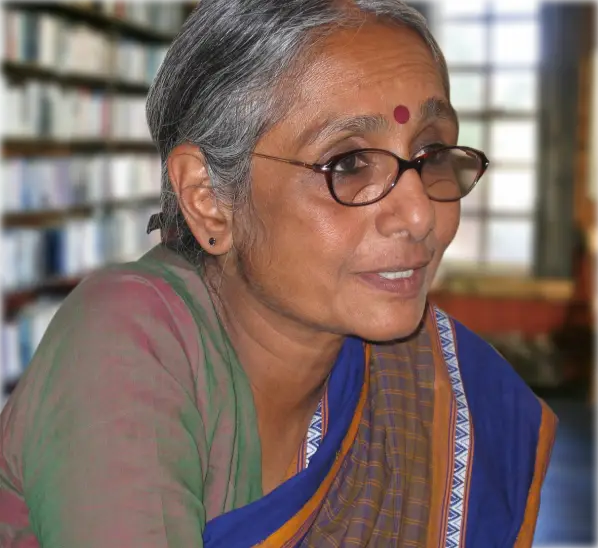
|
2000
|
Aruna Roy
|
India
|
Social activist and former Indian Administrative Service officer
|
|
|
Roy resigned from the elite IAS to work with rural laborers, founding the Mazdoor Kisan Shakti Sangathan (MKSS) in 1990. She led India's grassroots Right to Information movement, culminating in the 2005 RTI Act. She won the 2000 Ramon Magsaysay Award for Community Leadership for organizing rural workers and advancing transparency and accountability against systemic corruption in India.
|
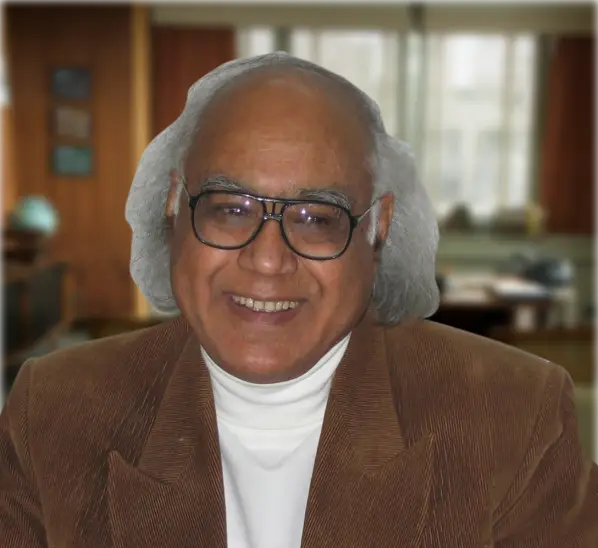
|
1999
|
Tasneem Ahmed Siddiqui
|
Pakistan
|
Pakistani civil servant (bureaucrat); Director General of the Sindh Katchi Abadi Authority
|
|
|
Siddiqui led Pakistan's Sindh Katchi Abadi Authority, pioneering the Khuda-ki-Basti incremental housing model that mimicked how squatters organically build communities, and streamlined regularization of illegal urban settlements in Karachi. He won the 1999 Ramon Magsaysay Award for Government Service for demonstrating that a committed government agency, working with NGOs and the poor themselves, could address Pakistan's severe urban shelter crisis.
|
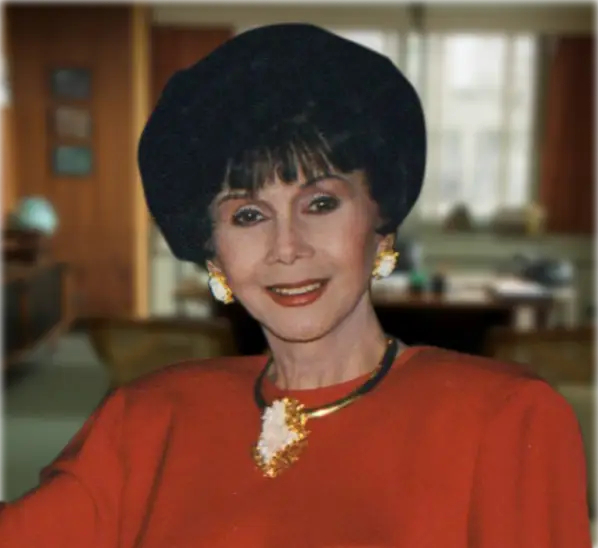
|
1999
|
Rosa Rosal
|
Philippines
|
Filipino film actress and humanitarian/Red Cross volunteer
|
|
|
A star of Philippine cinema's Golden Age (films including "Anak Dalita" and "Badjao"), Rosal devoted much of her life to the Philippine National Red Cross from 1950 onward, pioneering nationwide mass blood-donation drives and establishing a Women's Crisis unit. She won the 1999 Ramon Magsaysay Award for Public Service for her lifetime of unstinting voluntary service inspiring Filipinos toward selflessness.
|
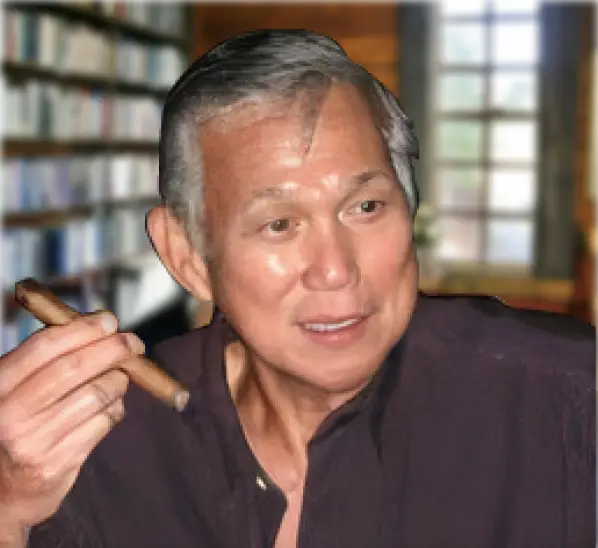
|
1999
|
Raul Locsin
|
Philippines
|
Filipino journalist and newspaper publisher; founder of BusinessDay and BusinessWorld
|
|
|
Locsin founded BusinessDay in 1967, Southeast Asia's first business daily, and later BusinessWorld. During Marcos-era martial law his paper remained Manila's only independently owned newspaper, known for factual reporting amid censorship and government pressure. He won the 1999 Ramon Magsaysay Award for Journalism, Literature and Creative Communication Arts for upholding editorial independence and demystifying business journalism for ordinary Filipinos.
|
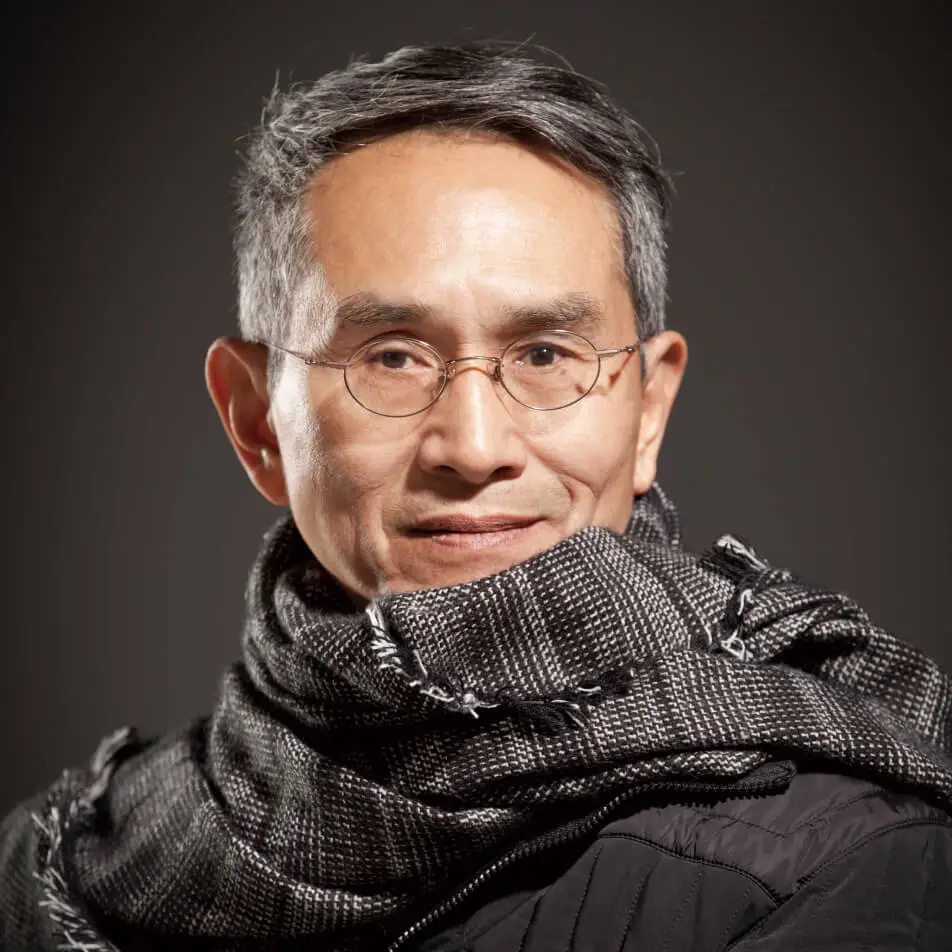
|
1999
|
Lin Hwai-min
|
Taiwan
|
Choreographer, dancer, writer; founder of Cloud Gate Dance Theatre
|
|
|
Lin founded Taiwan's Cloud Gate Dance Theatre in 1973, fusing ballet, Chinese opera movement, tai chi, and Taiwanese aboriginal ritual into a distinctive contemporary dance form. His 1978 work "Legacy" was hailed as the first major theatrical depiction of Taiwan's history. He won the 1999 Ramon Magsaysay Award for Journalism, Literature and Creative Communication Arts for his pioneering, culturally rooted choreographic achievements.
|
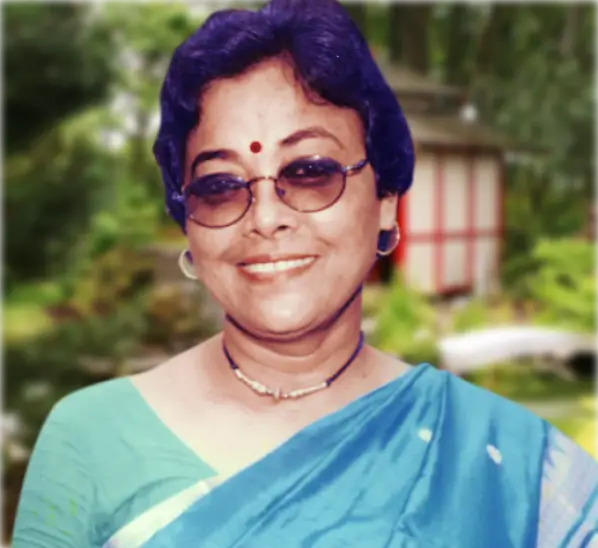
|
1999
|
Angela Gomes
|
Bangladesh
|
Bangladeshi social worker; founder of Banchte Shekha
|
|
|
Gomes founded Banchte Shekha ("Learning to Survive") in 1976, a grassroots NGO promoting rural women's rights, education, and livelihood in Bangladesh. She authored educational materials on adult learning, rights awareness, and child welfare. She won the 1999 Ramon Magsaysay Award for Community Leadership for her exceptional grassroots social development work and dedication to community empowerment.
|
|
1998
|
Ying Ruocheng
|
China
|
Actor, translator, director, and government official
|
|
|
A leading Chinese actor and translator, Ying starred as Kublai Khan in the miniseries "Marco Polo" and appeared in "The Last Emperor" and "Little Buddha." He translated and performed Western plays including "Death of a Salesman" into Chinese, and served as China's Vice-Minister of Culture (1986-1990). He won the Ramon Magsaysay Award in 1998, recognized for bridging Chinese and Western theatrical traditions.
|
|
1998
|
Syed Adibul Hasan Rizvi
|
Pakistan
|
Renal transplant surgeon and philanthropist
|
|
|
A Pakistani urologist who founded the Sindh Institute of Urology and Transplantation (SIUT) in Karachi, building it from an eight-bed ward (1970) into Pakistan's largest free kidney/urology transplant center. He led Pakistan's first successful infant liver transplant (2003). He won the 1998 Ramon Magsaysay Award for building a sustainable, free healthcare model serving the poor.
|
|
1998
|
Sophon Suphapong
|
Thailand
|
Business executive and former Thai Senator
|
|
|
As founding president of state-owned Bangchak Petroleum, Sophon pioneered corporate social and environmental responsibility in Thailand during the 1990s, embedding community engagement into the company's business practices. He later served as a Bangkok senator. He won the 1998 Ramon Magsaysay Award for demonstrating that a corporation could combine profitability with environmental awareness and community responsibility.
|
|
1998
|
Nuon Phaly
|
Cambodia
|
Mental health worker and social welfare advocate
|
|
|
A Cambodian survivor of the Khmer Rouge era, Nuon Phaly founded the Khmer People's Depression Relief Centre (1985) and the Future Light Orphanage (1993), pioneering a forgetting, training, loving therapeutic approach for war-traumatized women, widows, and orphans. She won the 1998 Ramon Magsaysay Award for her selfless commitment to helping traumatized Cambodians rebuild their lives after national tragedy.
|
|
1998
|
Corazon Cojuangco Aquino
|
Philippines
|
Politician; 11th President of the Philippines
|
|
|
The Philippines' first female president (1986-1992), Aquino led the peaceful People Power Revolution that ended Ferdinand Marcos's dictatorship. She restored democratic institutions via the 1987 Constitution, established the Presidential Commission on Good Government, and enacted land reform. She received the Ramon Magsaysay Award in 1998 for her role in achieving democracy through peaceful revolution.
|
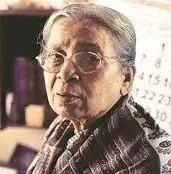
|
1997
|
|
India
|
|
|
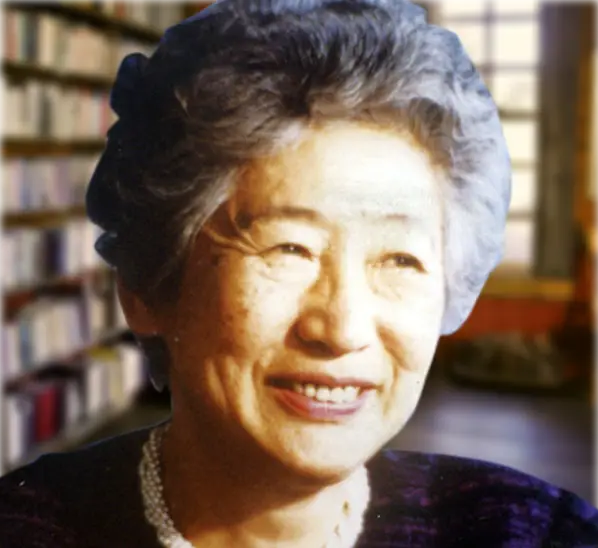
|
1997
|
Sadako Ogata
|
Japan
|
Diplomat, academic, and administrator
|
|
|
A Japanese scholar and diplomat, Ogata was the first woman to serve as UN High Commissioner for Refugees (1991-2000), leading responses to crises in Iraq, the Balkans, Rwanda, and Afghanistan while expanding UNHCR's mandate to internally displaced persons. Known as the diminutive giant, she won the 1997 Ramon Magsaysay Award for her leadership in humanitarian refugee protection.
|
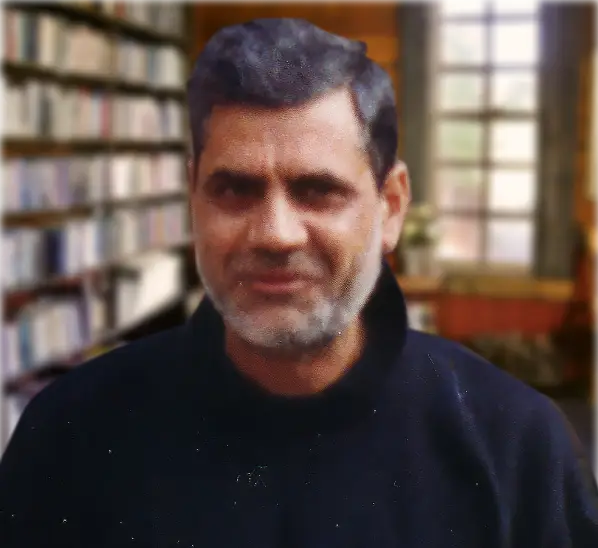
|
1997
|
Mahesh Chander Mehta
|
India
|
Public interest environmental lawyer
|
|
|
An Indian Supreme Court advocate who has single-handedly won landmark environmental judgments since 1984, including phasing out leaded petrol, reducing industrial pollution of the Ganga River, and protecting the Taj Mahal from industrial emissions. He won the 1997 Ramon Magsaysay Award for Public Service and the Goldman Environmental Prize (1996) for his pioneering environmental litigation.
|
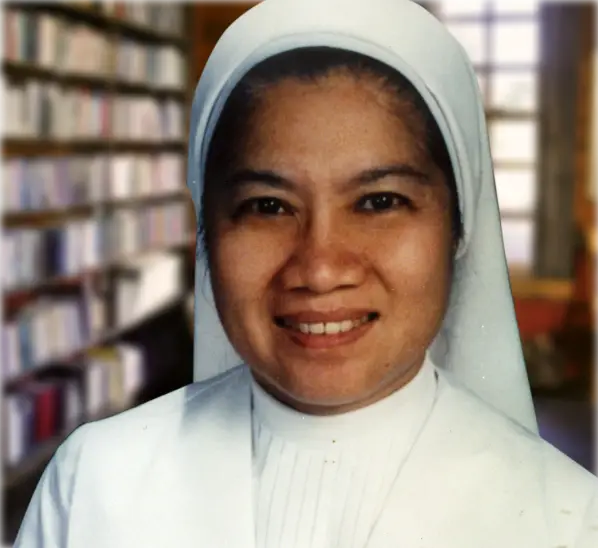
|
1997
|
Eva Fidela Maamo
|
Philippines
|
Surgeon and Catholic nun (Sisters of St. Paul of Chartres)
|
|
|
A Filipino physician-nun, Sister Eva established no-fee health clinics across Manila's poorest communities, ran nutritional programs for malnourished children, and organized medical missions treating over 40,000 indigent patients. She won the 1997 Ramon Magsaysay Award for bringing humane medical assistance and healing to the poorest Filipinos through livelihood and education support alongside healthcare.
|
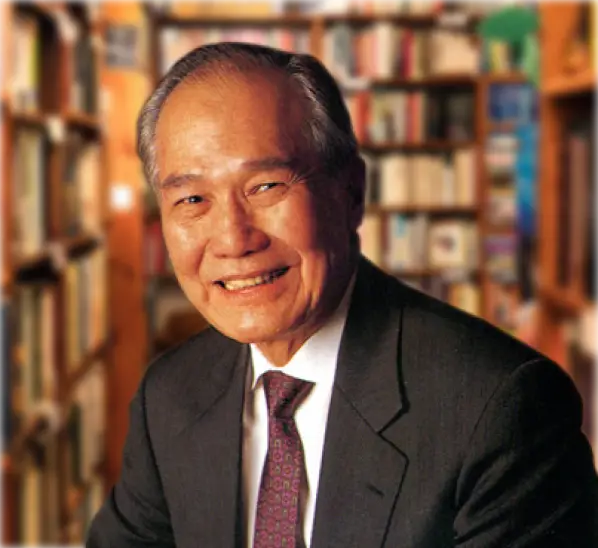
|
1997
|
Anand Panyarachun
|
Thailand
|
Diplomat and politician; former Prime Minister of Thailand
|
|
|
A career diplomat who twice served as Thailand's Prime Minister (1991-1992), Anand implemented major reforms including AFTA, VAT taxation, financial liberalization, and HIV/AIDS policy, and later helped draft the 1997 People's Constitution. He won the 1997 Ramon Magsaysay Award for Government Service, recognized for his technocratic, reform-minded leadership.
|
|
1996
|
Pandurangshastri Athavale
|
India
|
|
|
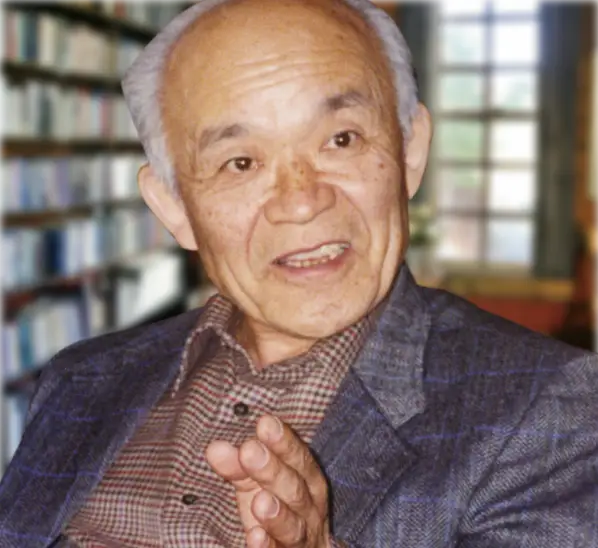
|
1996
|
Toshihiro Takami
|
Japan
|
Christian pastor and rural development educator
|
|
|
A Japanese pastor, Takami founded the Asian Rural Institute in 1973 to train grassroots rural leaders from developing countries in organic farming and community-based sustainable livelihoods. Nearly 800 graduates from dozens of countries have returned to serve their communities. He won the 1996 Ramon Magsaysay Award for International Understanding for building a global network of rural leadership for sustainable development.
|
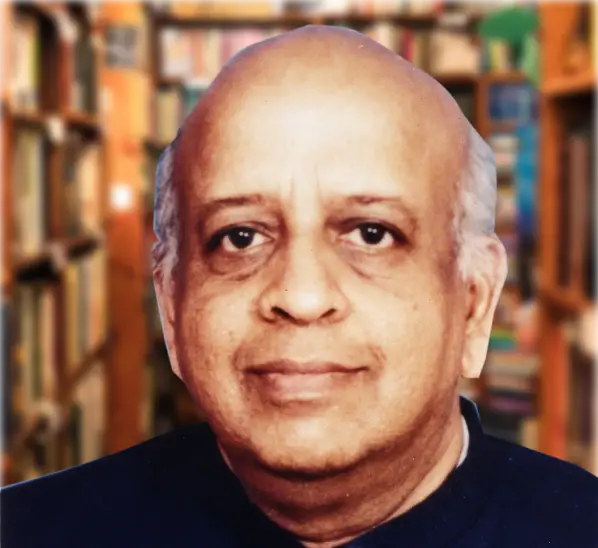
|
1996
|
Tirunellai Narayanaiyer Seshan
|
India
|
Indian civil servant; Chief Election Commissioner of India
|
|
|
An IAS officer, Seshan served as India's Chief Election Commissioner (1990-1996), where he aggressively enforced electoral discipline, introduced voter ID requirements, imposed campaign spending limits, and disqualified candidates for violations, transforming the credibility of Indian elections. He won the 1996 Ramon Magsaysay Award for Government Service for reasserting the independence and authority of the Election Commission.
|
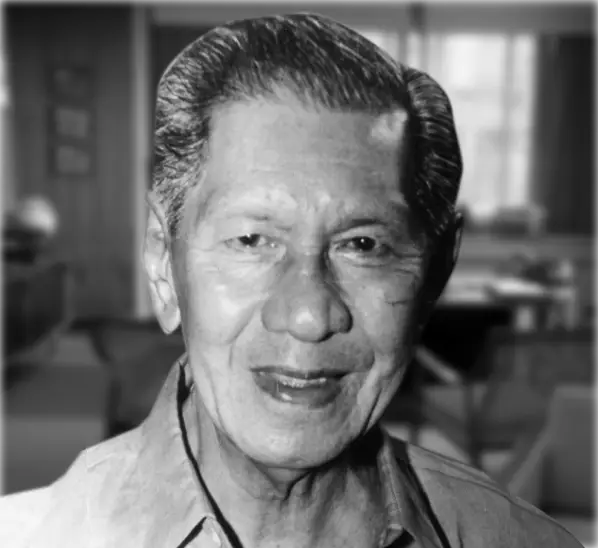
|
1996
|
Nick Joaquin
|
Philippines
|
Writer, journalist, and playwright
|
|
|
A towering figure in Philippine literature, Nick Joaquin (pen name Quijano de Manila) pioneered literary journalism in the Philippines and was named National Artist of the Philippines for Literature in 1976. Known for works like "The Woman Who Had Two Navels" and "Tropical Gothic," he won the 1996 Ramon Magsaysay Award for Journalism, Literature and Creative Communication Arts for his contributions to Filipino letters.
|
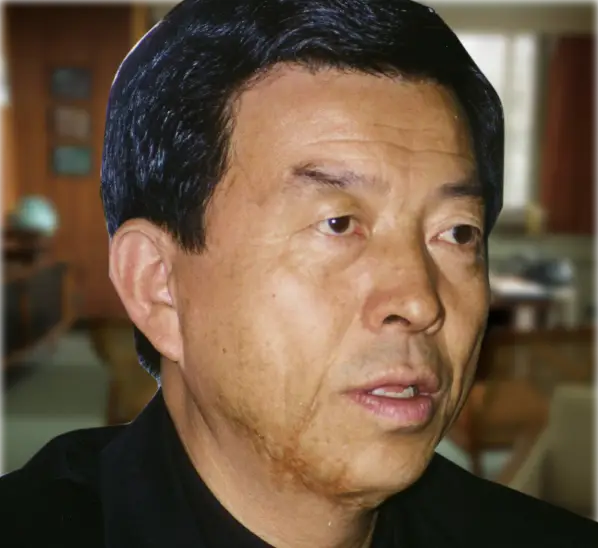
|
1996
|
John Woong-jin Oh
|
South Korea
|
Catholic priest; founder of Kkottongnae (Flower Village)
|
|
|
A South Korean Catholic priest who, having witnessed the suffering of the Korean War as a child, founded Kkottongnae in 1976, a social welfare complex sheltering the homeless, elderly poor, mentally ill, and disabled, now serving thousands on a 200-hectare campus. He won the 1996 Ramon Magsaysay Award for arousing compassion for Korea's poor by living out the injunction to love thy neighbor.
|
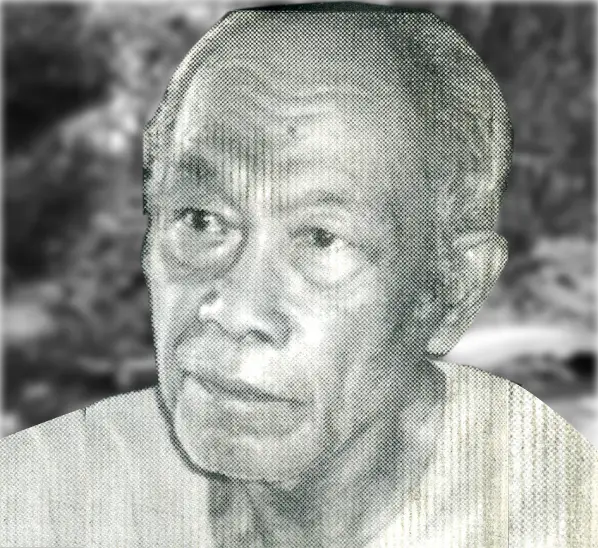
|
1995
|
Pramoedya Ananta Toer
|
Indonesia
|
Novelist and essayist
|
|
|
Indonesia's foremost modern novelist, best known for the "Buru Quartet," composed orally while imprisoned without trial on Buru Island for 14 years under Suharto's regime. He won the 1995 Ramon Magsaysay Award for Journalism, Literature and Creative Communication Arts for illuminating the historical awakening and modern experience of the Indonesian people through fiction, despite his own works being banned domestically.
|
|
1995
|
Morihiko Hiramatsu
|
Japan
|
Japanese politician; Governor of Oita Prefecture (1979-2003)
|
|
|
Former Ministry of International Trade and Industry official who served six terms as Governor of Oita. He won the 1995 Ramon Magsaysay Award for Government Service for his One Village, One Product movement, which encouraged communities to develop distinctive local specialty goods without subsidies, boosting rural incomes and self-reliance while stemming youth emigration, a model later emulated across Asia.
|
|
1995
|
Ho Ming-teh
|
Taiwan
|
Engineer and community volunteer leader (Taiwan)
|
|
|
A former grocer trained in civil engineering, Ho founded the Chiayi Philanthropy Group after a 1971 flood destroyed a wooden bridge and killed two people. He won the 1995 Ramon Magsaysay Award for Community Leadership for mobilizing thousands of volunteers and over $12 million in small donations to build more than 200 concrete bridges across rural Taiwan, embodying Buddhist-inspired charitable service.
|
|
1995
|
Asma Jahangir
|
Pakistan
|
Human rights lawyer and activist
|
|
|
Pakistani lawyer and co-founder of the Human Rights Commission of Pakistan who defended women, religious minorities, and victims of discriminatory laws, often at great personal risk. She won the 1995 Ramon Magsaysay Award for Public Service for pushing Pakistan's legal system toward religious tolerance, gender equality, and equal protection under the law, including challenging blasphemy laws and statutes weaponized against rape victims.
|
|
1995
|
Asian Institute of Management
|
Philippines
|
Graduate business school and research institution (Manila, Philippines)
|
|
|
A regional graduate business school established in 1968. It won the 1995 Ramon Magsaysay Award for setting regionwide standards for excellence and relevance in training Asians to manage Asia's business and development, having trained over 20,000 people and evolved beyond transplanting Western management theory into a hub linking business, government, and NGOs to address regional development.
|
|
1994
|
Sima Samar
|
Afghanistan
|
Physician and human rights/humanitarian activist
|
|
|
Afghan doctor and Hazara woman who founded the Shuhada Organization (1989) and its Quetta clinic serving Afghan refugees, plus Ariana School, the community's first girls' school. She won the 1994 Ramon Magsaysay Award for Community Leadership for courageously providing healthcare and education to Afghan refugees and war victims despite opposition from religious fundamentalists.
|
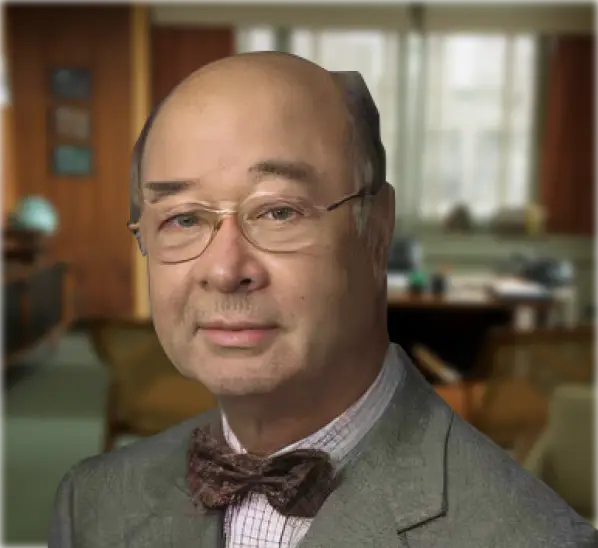
|
1994
|
Mechai Viravaidya
|
Thailand
|
Public health activist, economist, and former Thai government minister
|
|
|
Known as "Mr. Condom," founder of the Population and Community Development Association (1974), which pioneered community-based family planning across 16,000 Thai villages. He won the 1994 Ramon Magsaysay Award for Public Service for mobilizing Thailand's government to fight AIDS, launching the country's first mass AIDS education campaign (1987), and formulating Thailand's National AIDS Plan.
|
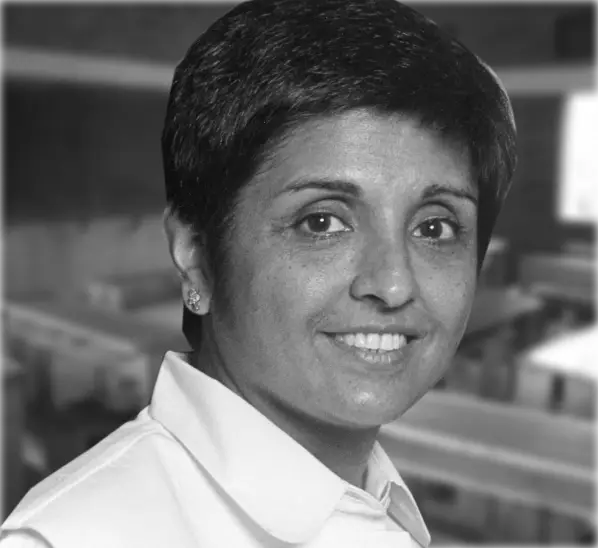
|
1994
|
Kiran Bedi
|
India
|
Former police officer (first woman in the Indian Police Service); administrator and social activist
|
|
|
India's first female IPS officer, later Lieutenant Governor of Puducherry. She won the 1994 Ramon Magsaysay Award for Government Service for building confidence in India's police through dynamic leadership, including community policing initiatives and, as Inspector General of Delhi's Tihar Prison, transformative reforms replacing punishment with education, vocational training, and rehabilitation.
|
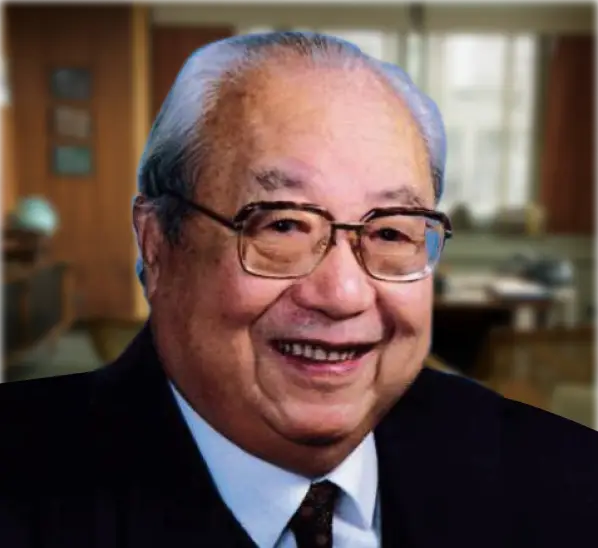
|
1994
|
Fei Xiaotong
|
China
|
Chinese sociologist and anthropologist
|
|
|
Pioneer who gave Chinese substance to the modern social sciences, conducting influential fieldwork on peasant life and rural economics despite persecution during the Cultural Revolution. He won the 1994 Ramon Magsaysay Award for Community Leadership; his concept of rural industrialization (leave the farm but not the village) shaped China's 1978 development reforms and township enterprises that lifted millions from poverty.
|
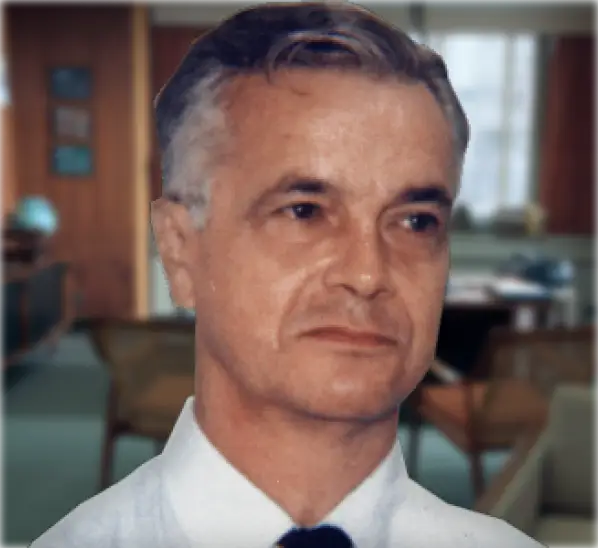
|
1994
|
Eduardo Jorge Anzorena
|
Japan
|
Jesuit priest, architectural engineer, and housing rights advocate
|
|
|
Argentine Jesuit missionary with a doctorate in architectural engineering from Tokyo University who pioneered networking among housing activists across Asia's slums, starting a newsletter in 1976 and co-founding the Asian Coalition for Housing Rights in 1988. He won the 1994 Ramon Magsaysay Award for International Understanding for combining respect for the poor with technical assistance to combat Asia's urban housing crisis.
|
|
1994
|
Abdul Samad Ismail
|
Malaysia
|
Malaysian journalist, editor, and writer
|
|
|
Influential editor of Berita Harian and managing editor of the New Straits Times Group who mentored generations of Malaysian journalists and writers. He won the 1994 Ramon Magsaysay Award for Journalism, Literature and Creative Communication Arts for championing Malaysian independence, democratic nation-building, and Malay cultural and linguistic revival through his journalism and fiction.
|
|
1993
|
Dr. Banoo Jehangir Coyaji
|
India
|
Physician (gynecologist) and public health/family-planning advocate
|
|
|
Pune-based gynecologist who transformed KEM Hospital into a major medical research institute and, in 1977, founded the Vadu Rural Health Project, training 600 community health guides in rural Maharashtra. She won the 1993 Ramon Magsaysay Award for Public Service for mobilizing the resources of a modern urban hospital to bring better health and brighter hopes to rural women and families, later also founding the Young Women's Health and Development Project (1988).
|
|
1993
|
Vo-Tong Xuan
|
Vietnam
|
Agricultural scientist ("Dr. Rice")
|
|
|
Vietnamese soil and rice scientist famed for eliminating the destructive brown planthopper pest and popularizing improved farming methods, including via television. He won the 1993 Ramon Magsaysay Award for Government Service for combining practical scientific research and effective advocacy that helped transform Vietnam's Mekong Delta and turned the country into a major global rice exporter.
|
|
1993
|
Noboru Iwamura
|
Japan
|
Japanese physician and medical professor
|
|
|
A survivor of the Hiroshima atomic bombing, Iwamura spent 18 years as a barefoot doctor fighting tuberculosis in rural Nepal, later founding the Peace, Health, and Human Development Foundation (1980) and the International Human Resources Institute (1985) to train Asian development workers. He won the 1993 Ramon Magsaysay Award for International Understanding for decades of self-reliance-focused medical and development service to Asia.
|
|
1993
|
Bienvenido Lumbera
|
Philippines
|
Filipino poet, literary critic, dramatist, and academic
|
|
|
A founding figure of Philippine Studies as an academic discipline who wrote critical essays in Filipino rather than English to legitimize vernacular literature. He won the 1993 Ramon Magsaysay Award for Journalism, Literature and Creative Communication Arts for asserting the central place of the vernacular tradition in framing a national identity for modern Filipinos.
|
|
1993
|
Abdurrahman Wahid
|
Indonesia
|
Islamic religious leader, politician (4th President of Indonesia)
|
|
|
Known as "Gus Dur," Wahid led Indonesia's largest Muslim organization, Nahdlatul Ulama, and later served as Indonesia's first democratically elected president (1999-2001). He won the 1993 Magsaysay Award for Community Leadership for steering NU away from electoral politics toward social and religious development, championing inter-religious tolerance, rural education, and a secular, pluralist democratic vision for Indonesia.
|
|
1992
|
|
India
|
Sitarist, composer
|
|
|
The legendary Indian sitar virtuoso and composer, who brought Indian classical music to global audiences and collaborated with Western musicians like George Harrison. He won the 1992 Magsaysay Award for Journalism, Literature and Creative Communication Arts, cited as a master of the raga who revealed its beauty to audiences outside India through decades of sublime sitar mastery. Win the following awards Bharat Ratna (1999), Padma Vibhushan (1981), Padma Bhushan (1967), Sangeet Natak Akademi Award (1962), Sangeet Natak Akademi Fellowship (1975), Kalidas Samman from the Government of Madhya Pradesh for 1987–88
|
|
1992
|
Washington SyCip
|
Philippines
|
Accountant, businessman
|
|
|
A Filipino-Chinese CPA who founded SGV & Co., which grew into Asia's largest accounting/consulting network, and helped establish the Asian Institute of Management. He won the 1992 Magsaysay Award for International Understanding for fostering economic growth and mutual understanding across Asia through professionalism, institution-building, and public-spirited enterprise as a private ambassador for regional development.
|
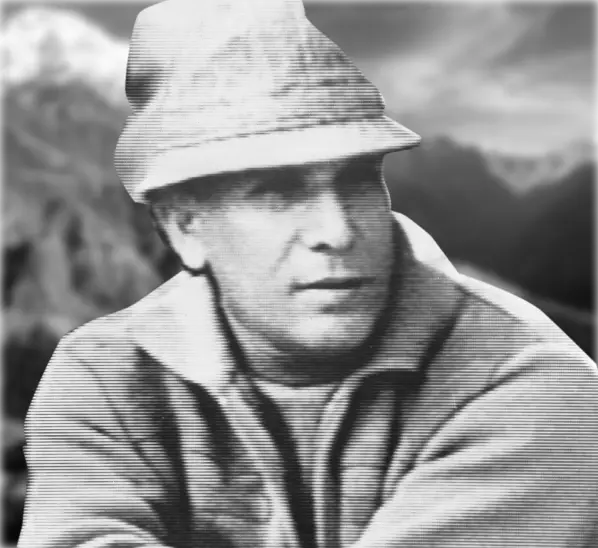
|
1992
|
Shoaib Sultan Khan
|
Pakistan
|
Rural development pioneer, former civil servant (Pakistan)
|
|
|
A former Civil Service of Pakistan officer who became general manager of the Aga Khan Rural Support Programme, pioneering participatory, community-based rural development in northern Pakistan that brought over 20,000 hectares under cultivation and benefited roughly a million people. He won the 1992 Magsaysay Award for Community Leadership for this community-driven alternative to conventional development models.
|
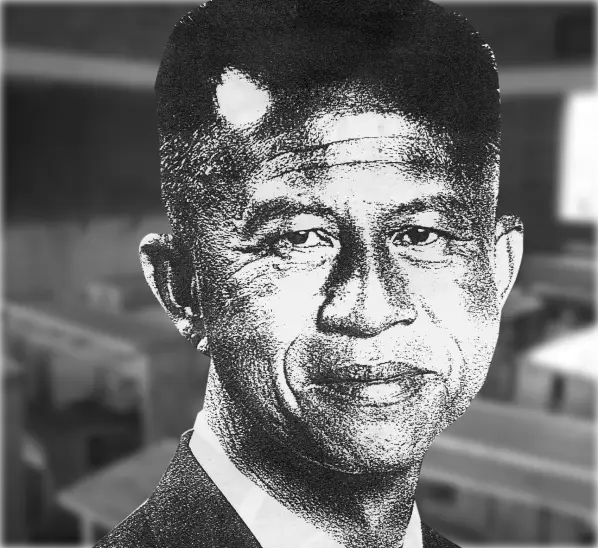
|
1992
|
Chamlong Srimuang
|
Thailand
|
Former general, politician, activist
|
|
|
A former Royal Thai Army general who served as elected Governor of Bangkok and founded the Palang Dharma Party, becoming a leading figure in Thailand's pro-democracy movements, including the 1992 Black May protests. He won the 1992 Magsaysay Award for Government Service for his moral leadership, personal austerity, and insistence that elections are the only legitimate path to political power in Thailand.
|
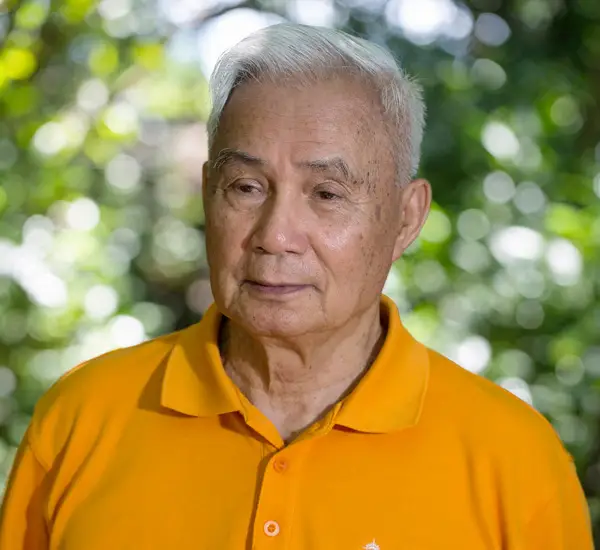
|
1992
|
Angel Chua Alcala
|
Philippines
|
Marine biologist, conservationist
|
|
|
A Filipino marine biologist and former Secretary of the Department of Environment and Natural Resources, regarded as a father of Philippine marine protected areas. He won the 1992 Magsaysay Award, recognized for pioneering scientific leadership in restoring and conserving the Philippines' coral reefs through community-based marine sanctuaries, work that became a model for reef conservation across Southeast Asia.
|
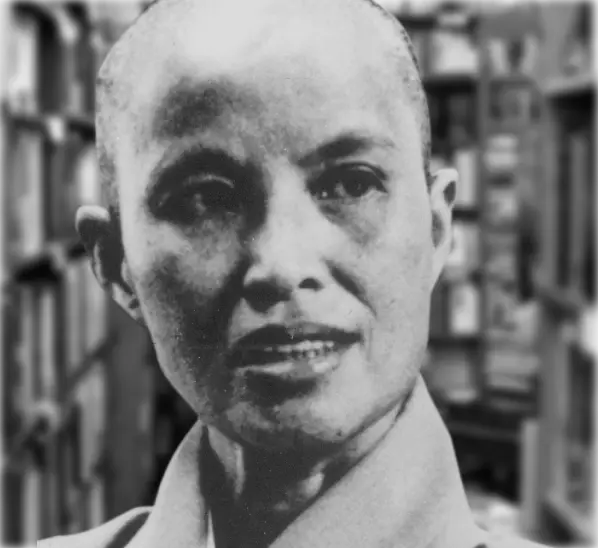
|
1991
|
Shih Cheng-Yen
|
Taiwan
|
Buddhist nun, philanthropist, founder of Tzu Chi Foundation
|
|
|
A Taiwanese Buddhist nun who founded the Buddhist Compassion Relief Tzu Chi Foundation in 1966, growing it into one of the world's largest Buddhist charitable organizations providing medical care, disaster relief, and education worldwide. She won the 1991 Magsaysay Award for Community Leadership for expanding humanitarian aid from local families to comprehensive medical and disaster-relief services across Taiwan and beyond.
|
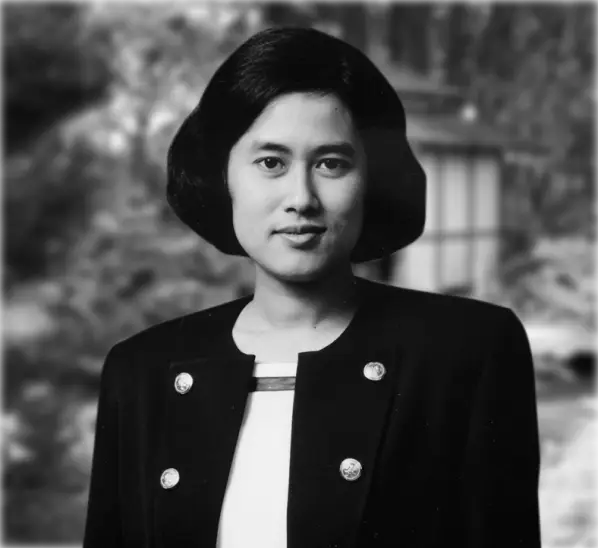
|
1991
|
Princess Maha Chakri Sirindhorn
|
Thailand
|
Thai royal, academic, educator
|
|
|
The second daughter of King Bhumibol Adulyadej, Princess Sirindhorn is a scholar, professor, and prolific advocate for education, rural development, and cultural preservation in Thailand, deeply engaged in public health, science, and heritage projects nationwide. She won the 1991 Magsaysay Award for Public Service, recognizing her extensive charitable and educational work uplifting rural and disadvantaged Thai communities.
|

|
1991
|
Press Foundation of Asia
|
Philippines
|
Regional press/journalism foundation, based in Manila
|
|
|
Established by Asian editors and publishers to make journalism a positive force in the region's political and economic development, PFA, under leaders Amitabha Chowdhury and Tarzie Vittachi, pioneered development journalism, training over 2,000 journalists and launching Depthnews, the first exclusively Asian news and features service. It won the 1991 Magsaysay Award for International Understanding for guiding Asia's press to look beyond national borders on regional development issues.
|
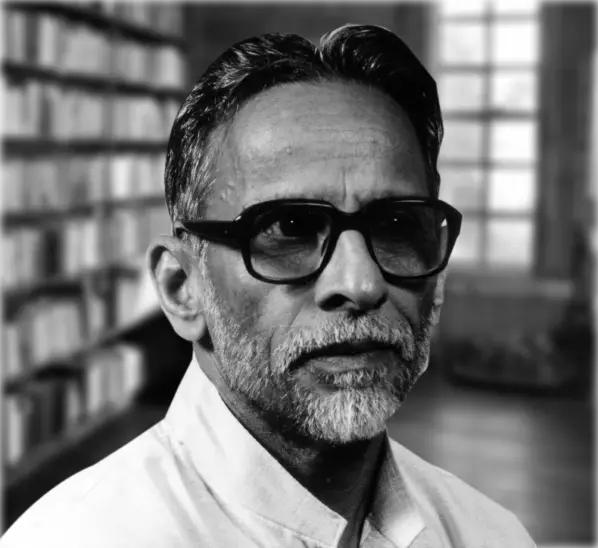
|
1991
|
K. V. Subbanna
|
India
|
Kannada dramatist, writer, theatre activist
|
|
|
An Indian playwright and cultural activist who founded Ninasam, a rural theatre institute in Karnataka bringing world cinema and live theatre to remote villages. He won the 1991 Magsaysay Award for Journalism, Literature and Creative Communication Arts for enriching rural Karnataka with the world's best films and the delight and wonder of the living stage.
|
|
1991
|
Alfredo Bengzon
|
Philippines
|
Physician (neurologist), health administrator, public official
|
|
|
A Filipino doctor who served as Secretary of Health under President Corazon Aquino, later leading The Medical City and founding the Ateneo School of Medicine and Public Health. He won the 1991 Magsaysay Award for Government Service, cited for enacting the Philippines' first generic drug law, advancing family planning, and negotiating peace with armed insurgent groups as a democratic public health leader.
|
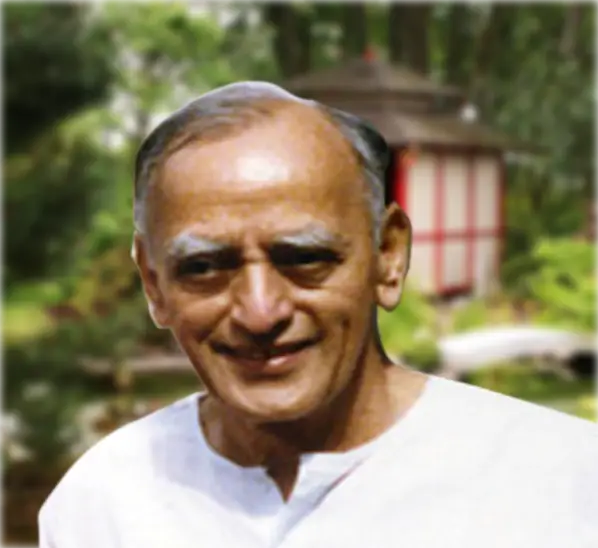
|
1989
|
Lakshmi Chand Jain
|
India
|
Economist, political activist, public servant
|
|
|
An Indian Gandhian economist and cooperative-movement leader who served on India's Planning Commission and as High Commissioner to South Africa, dedicating his career to grassroots poverty alleviation, khadi/handicrafts cooperatives, and decentralized rural economics. He won the 1989 Magsaysay Award for Public Service for his informed and selfless commitment to attack India's poverty at the grass-roots level.
|
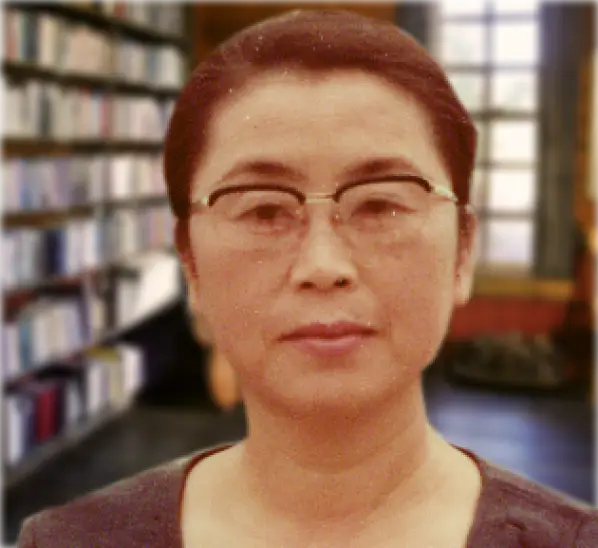
|
1989
|
Kim Im-soon
|
South Korea
|
Humanitarian, orphanage/care-home founder
|
|
|
A South Korean widow who, after her husband disappeared during the Korean War, founded Ai Kwang Won ("Garden of Love and Light") on Koje Island in 1952, initially caring for abandoned infants and eventually serving hundreds of children, later shifting focus to mentally and physically disabled children. She won the 1989 Magsaysay Award for Community Leadership for nurturing hundreds of abandoned and handicapped children in an atmosphere of beauty and love.
|
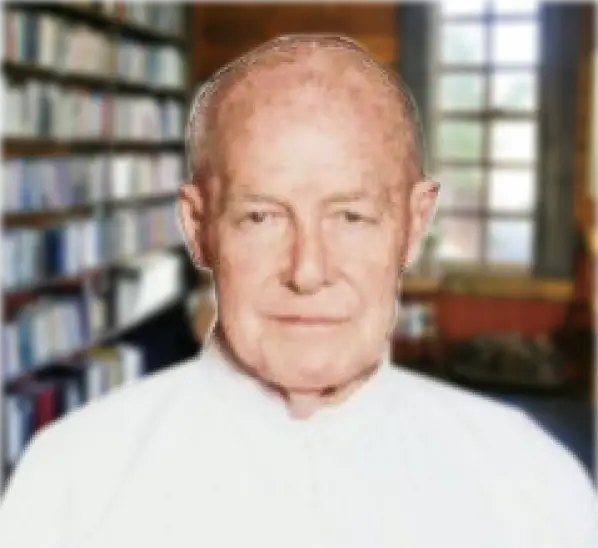
|
1989
|
James Bertram Reuter
|
Philippines
|
Jesuit Catholic priest, writer, media educator
|
|
|
An American-born Jesuit who spent his life in the Philippines as a writer, theatrical director, and broadcaster at Ateneo de Manila, shaping generations of Filipino artists and journalists. He won the 1989 Magsaysay Award for Journalism, Literature and Creative Communication Arts, honored for making performing arts and mass media a vital force for good, including sustaining Catholic broadcasting through martial law and the 1986 People Power Revolution.
|
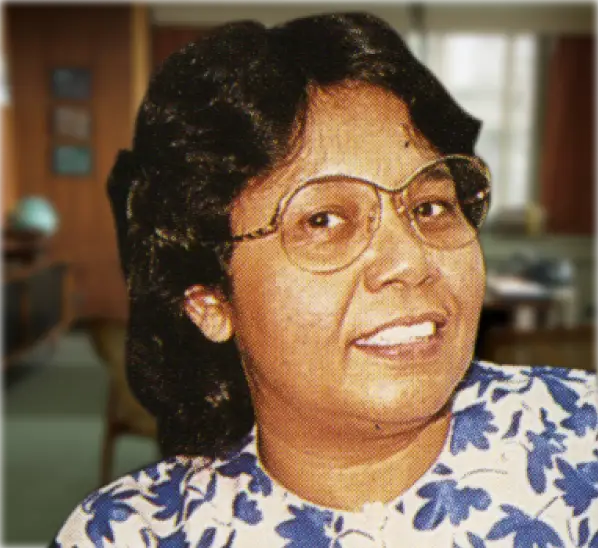
|
1989
|
Haji Abdul Hamid Zakiah Hanum
|
Malaysia
|
Archivist, historian, civil servant (Malaysia)
|
|
|
A Malaysian archivist who joined the National Archives of Malaysia in 1961 and rose to Director-General, modernizing the country's records-management systems and building it into Southeast Asia's most technically advanced archive; she also founded regional archivist-training programs and led the Muslim Women's Action Society. She won the 1989 Magsaysay Award for Government Service, becoming the first Malaysian woman to receive the award.
|
|
1989
|
Asian Institute of Technology
|
Thailand
|
International postgraduate educational institution (Thailand)
|
|
|
AIT is a Bangkok-area postgraduate institute training engineers, technologists, and managers from across Asia through master's and doctoral programs, with a focus on natural resources, infrastructure, and sustainable development. It won the 1989 Ramon Magsaysay Award for International Understanding for shaping a new generation of engineers and managers committed to Asia, addressing the region's historic shortage of trained technical professionals.
|
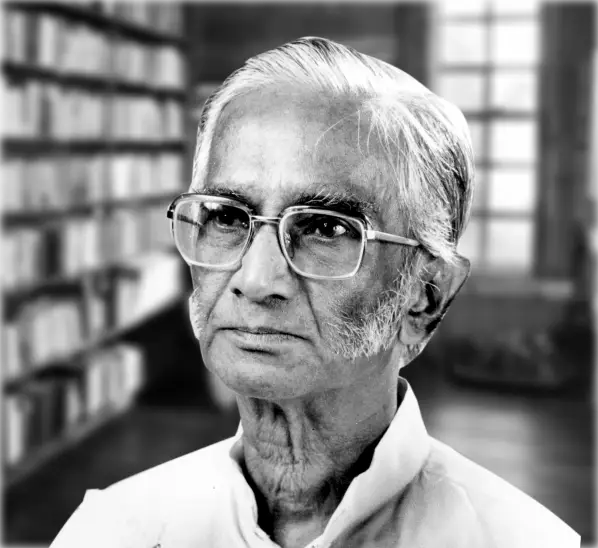
|
1988
|
Veditantirige Ediriwira Sarachchandra
|
Sri Lanka
|
Playwright, novelist, poet, and literary critic
|
|
|
Sarachchandra was Sri Lanka's foremost modern playwright and literary scholar, a longtime professor at the University of Peradeniya. He revolutionized Sinhala theatre by fusing traditional folk-drama forms with modern themes in landmark works like Maname (1956) and Sinhabahu (1961). He won the 1988 Ramon Magsaysay Award for Journalism, Literature and Creative Communication Arts for his contributions to Sri Lankan literature and drama.
|
|
1988
|
The Royal Project
|
Thailand
|
Royal rural-development/agricultural initiative (Thailand)
|
|
|
Established under the patronage of King Bhumibol Adulyadej, the Royal Project works with northern Thailand's hill-tribe communities to replace opium poppy cultivation with cash crops such as coffee, fruit, and vegetables, while providing schools, cooperatives, and health services. It won the 1988 Ramon Magsaysay Award for International Understanding for cutting opium cultivation by roughly 85% while bringing sustainable, legal livelihoods to hill-tribe villages.
|
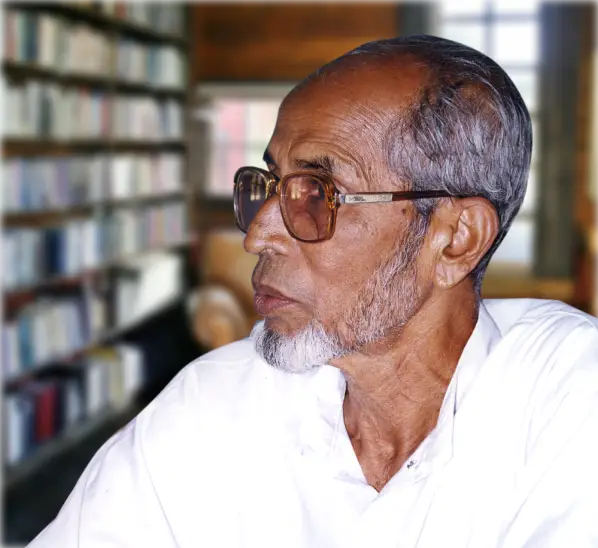
|
1988
|
Mohammad Yeasin
|
Bangladesh
|
Tea-shop proprietor and cooperative-society founder
|
|
|
A Bangladeshi tea-shop owner, Yeasin founded the Deedar Comprehensive Village Development Cooperative Society in 1960 with just eight rickshaw pullers, growing it into one of the country's most successful rural cooperatives, which built a school, extended interest-free loans, and included women members. He won the 1988 Ramon Magsaysay Award for Community Leadership for moving rural Bangladeshis toward self-reliance through honest, effective cooperative management.
|
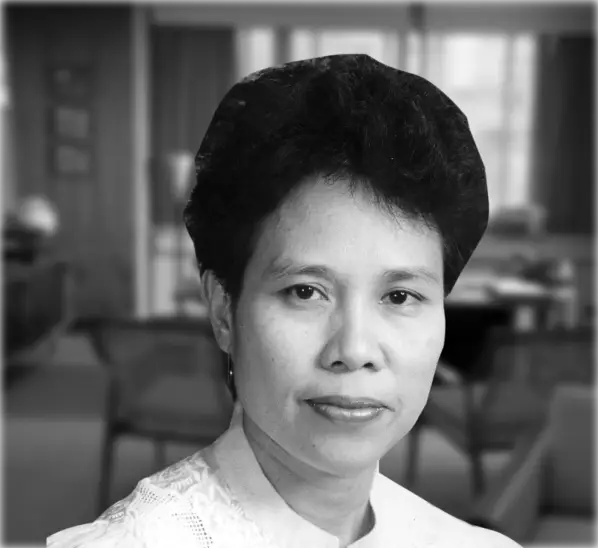
|
1988
|
Miriam Defensor Santiago
|
Philippines
|
Filipino lawyer, judge, and politician (senator)
|
|
|
Santiago served in all three branches of Philippine government, as a trial court judge, cabinet secretary, senator (multiple terms), and later an International Criminal Court judge. Nicknamed the Iron Lady of Asia, she was famed for anti-corruption crusades and sharp oratory. She won the 1988 Ramon Magsaysay Award for Government Service for her bold, moral leadership cleaning up the graft-ridden Bureau of Immigration and Deportation.
|
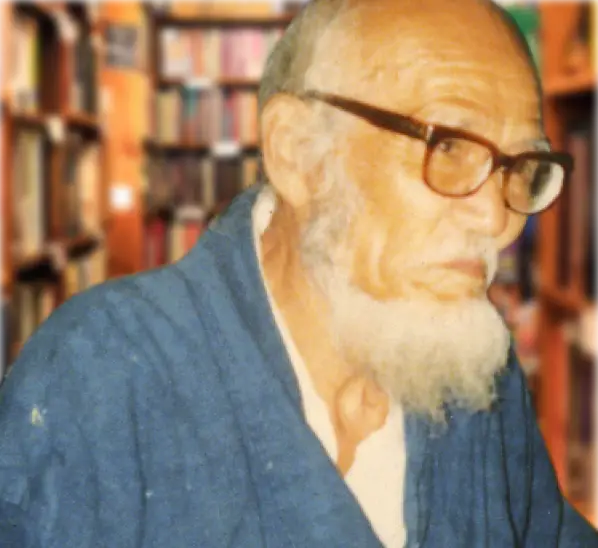
|
1988
|
Masanobu Fukuoka
|
Japan
|
Farmer and philosopher
|
|
|
Fukuoka pioneered natural farming (shizen nōhō), a no-till, no-chemical, minimal-intervention agricultural method, detailed in his internationally influential book "The One-Straw Revolution" (translated into 20+ languages). He later worked globally on reseeding deserts using clay seed balls. He won the 1988 Ramon Magsaysay Award (Public Service) for demonstrating a practical, environmentally safe alternative to modern industrial farming.
|
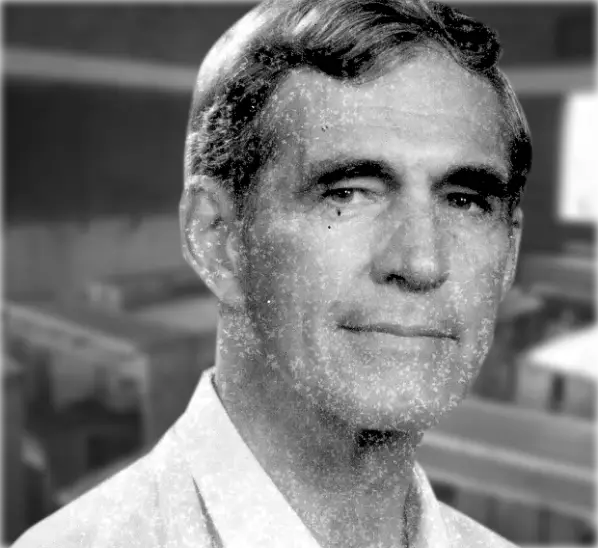
|
1987
|
Richard William Timm
|
United States, Bangladesh
|
Catholic (Holy Cross) priest, zoologist, and educator
|
|
|
An American-born Holy Cross priest, Timm spent over six decades in Bangladesh (then East Pakistan), founding science education at Notre Dame College and St. Gregory's, discovering roughly 250 new nematode species, and leading post-cyclone and post-liberation-war relief through CORR/Caritas Bangladesh and human-rights advocacy. He won the 1987 Ramon Magsaysay Award for International Understanding for 35 years of sustained commitment to Bangladesh's national life.
|
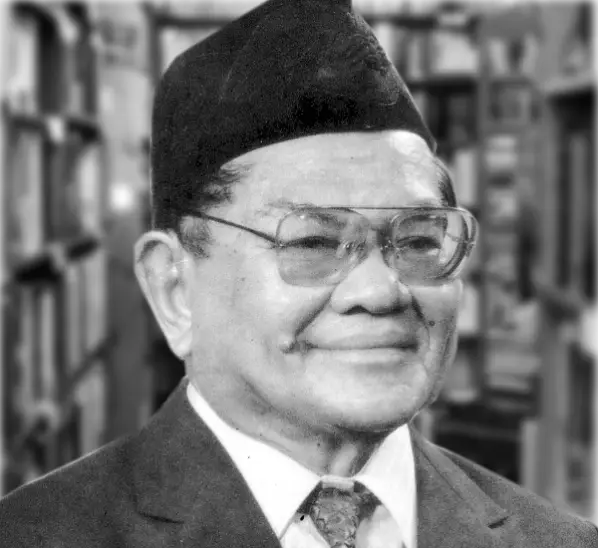
|
1987
|
Hans Bague Jassin
|
Indonesia
|
Literary critic, documentarian, and professor
|
|
|
Nicknamed the Pope of Indonesian Literature, Jassin was Indonesia's most influential literary critic, founding the H.B. Jassin Literary Documentation Center (50,000+ volumes) and teaching at the University of Indonesia. He produced Indonesia's first full translation of Max Havelaar and a poetic Quran translation, and championed free expression through his Cultural Manifesto. He won the 1987 Ramon Magsaysay Award for Public Service for preserving Indonesia's literary heritage.
|
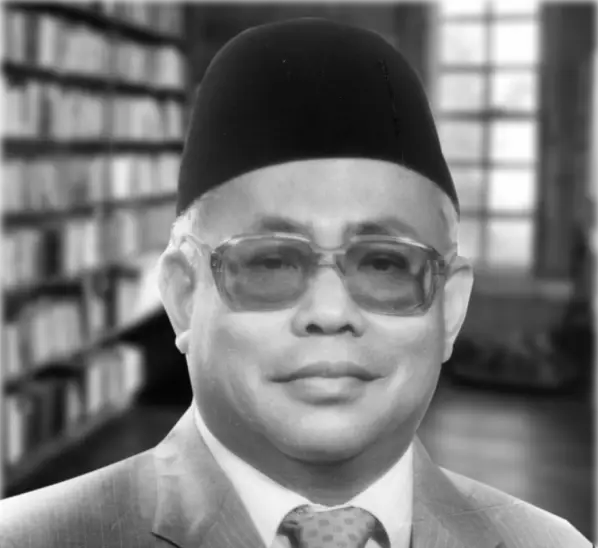
|
1987
|
Haji Ahmad Hanafiah
|
Malaysia
|
Malaysian civil servant; Director General of Tabung Haji
|
|
|
As Director General of Tabung Haji (Malaysia's Pilgrims Management and Fund Board), Hanafiah transformed it into an effective nationwide institution, attracting over one million depositors and roughly US$500 million in Sharia-compliant assets while enabling tens of thousands of Malaysian Muslims annually to save for and undertake the Hajj. He won the 1987 Ramon Magsaysay Award for Government Service for this achievement.
|
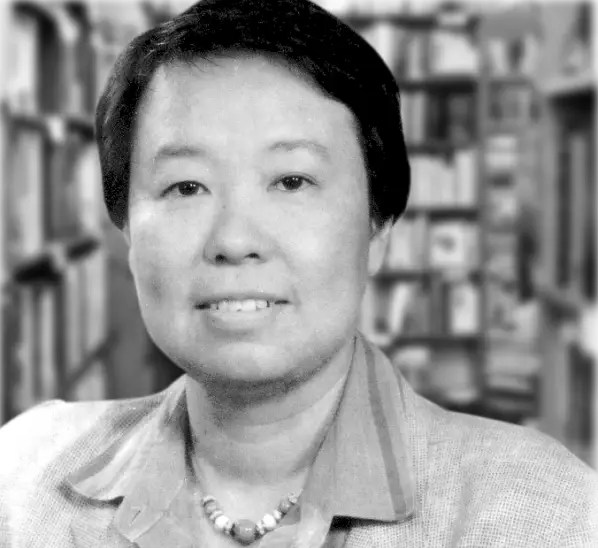
|
1987
|
Diane (Yun-Peng) Ying
|
Taiwan
|
Journalist, magazine founder, editor, and publisher
|
|
|
Ying founded CommonWealth (Tien Sia) Magazine in Taiwan in 1981, transforming the country's business journalism with rigorous, socially conscious economic reporting; circulation grew from an initial 10,000 (sold out in two days) to over 90,000. She won the 1987 Ramon Magsaysay Award for Journalism, Literature and Creative Communication Arts for her contribution to Taiwan's economic reporting and industrial/commercial vitality.
|
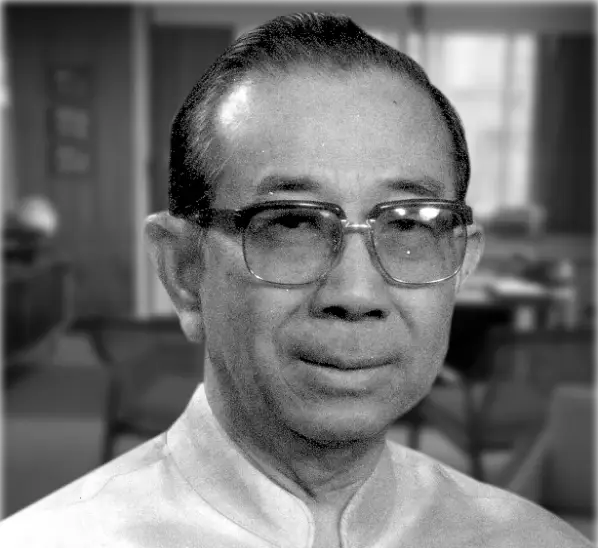
|
1987
|
Aree Valyasevi
|
Thailand
|
Physician and nutrition researcher
|
|
|
A Thai physician, Valyasevi was founding dean of Ramathibodi Medical School (1968-1977) and co-founder of Mahidol University's Institute of Nutrition, developing low-cost, locally sourced protein supplements and community-based nutrition programs later extended by Thailand's Ministry of Health to roughly 12,500 villages. He won the 1987 Ramon Magsaysay Award for Community Leadership for improving the diets and health of millions of Thai children.
|

|
1986
|
Radio Veritas
|
Philippines
|
Catholic shortwave/broadcast radio station (Philippines)
|
|
|
A non-commercial Catholic station broadcasting news, religious, and cultural programming, Radio Veritas played a pivotal role covering Benigno Aquino's 1983 assassination, the disputed 1986 snap election, and the EDSA People Power Revolution when other media were state-controlled. It won the 1986 Ramon Magsaysay Award for Journalism, Literature and Creative Communication Arts for using truth to help depose an oppressive regime and restore a peaceful transition of power.
|
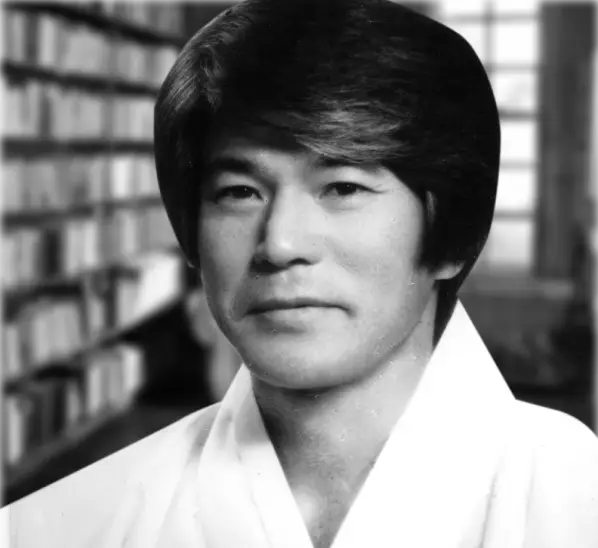
|
1986
|
Paul Jeong-gu Jei
|
South Korea
|
Community organizer and social activist
|
|
|
Jei organized displaced slum dwellers in Seoul's Cheonggyecheon area, co-founding with Jesuit Fr. John Vincent Daly the Korean Catholic Research Institute of the Urban Poor and three resettlement villages housing over 170 families, using an affordable self-build housing model and defending residents' legal rights. He won the 1986 Ramon Magsaysay Award for Community Leadership for organizing slum dwellers into thriving communities.
|
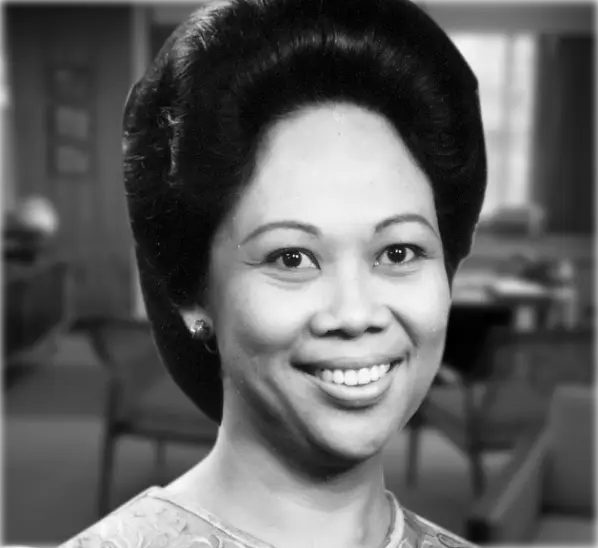
|
1986
|
Nafsiah Walinono Mboi
|
Indonesia
|
Physician (pediatrician) and public health official
|
|
|
Mboi directed community health services in Indonesia's Nusa Tenggara Timur province, reducing infant mortality from neonatal tetanus, gastroenteritis, and measles, and later served as Indonesia's Minister of Health (2012-2014) and a leading figure in national AIDS-prevention efforts. With her husband, she won the 1986 Ramon Magsaysay Award for Government Service for revitalizing rural development in one of Indonesia's poorest provinces.
|
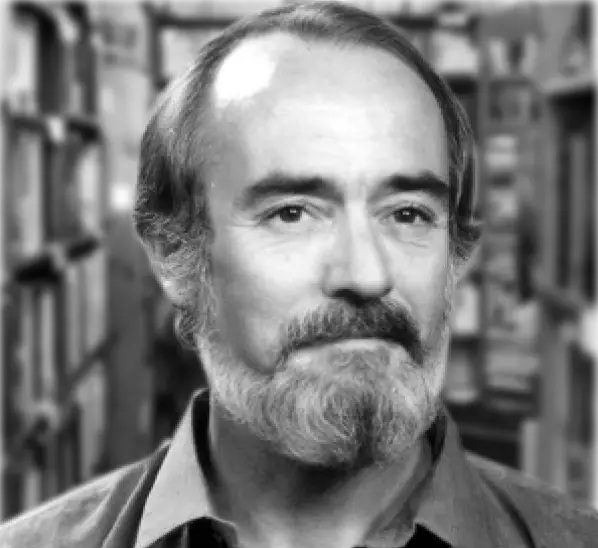
|
1986
|
John Vincent Daly
|
United States, South Korea
|
Jesuit priest and philosophy professor
|
|
|
Daly, an American Jesuit and Sogang University philosophy professor, moved into a Seoul slum to live alongside displaced residents, co-founding with Paul Jeong-gu Jei the Korean Catholic Research Institute of the Urban Poor and three resettlement villages for over 170 families. He won the 1986 Ramon Magsaysay Award for Community Leadership for educating and guiding the urban poor to build sound, self-sufficient satellite communities.
|
|
1986
|
International Institute of Rural Reconstruction (IIRR)
|
Philippines
|
International non-governmental rural development organization
|
|
|
IIRR traces its philosophy to Dr. Y.C. James Yen's Mass Education Movement, begun teaching illiterate Chinese laborers in WWI-era France. Headquartered in the Philippines since 1961, it trains grassroots agrarian development workers worldwide in participatory, community-led rural reconstruction. It won the 1986 Ramon Magsaysay Award for International Understanding for training agrarian development workers from four continents, enabling them to share experience and ideas.
|
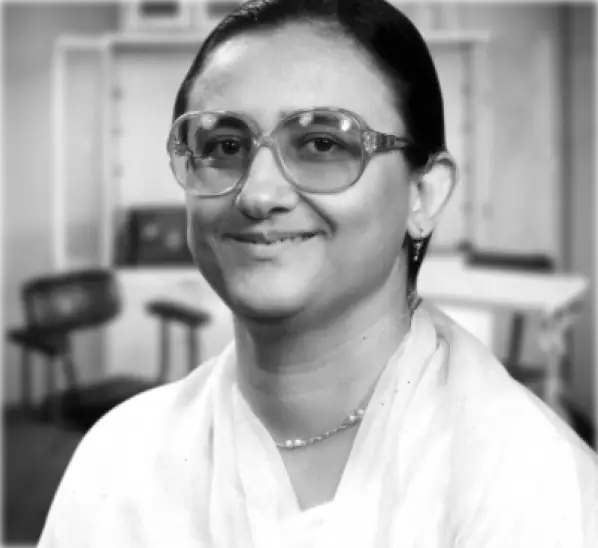
|
1986
|
Bilqis Bano Edhi
|
Pakistan
|
Nurse and philanthropist
|
|
|
Wife and lifelong partner of Abdul Sattar Edhi, she co-ran the Edhi Foundation's nursing home, maternity care, and adoption services. She pioneered a network of 300+ baby cradles (jhoolas) to prevent infanticide, personally helping save over 16,000 children. She jointly received the 1986 Ramon Magsaysay Award for Public Service with her husband for their Islamic-values-driven humanitarian work serving Pakistan's poorest.
|
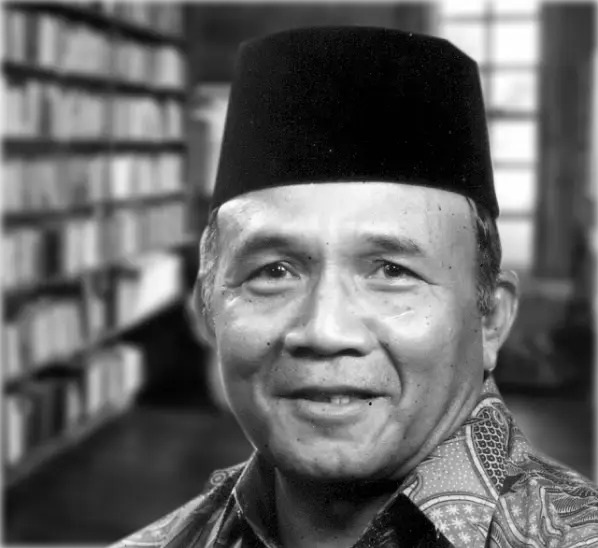
|
1986
|
Aloysius Benedictus Mboi
|
Indonesia
|
Physician and provincial governor
|
|
|
An Indonesian army-trained physician who headed the military's Preventive Medicine Institute, Mboi served as Governor of East (Nusa Tenggara Timur) province from 1978-1988. With his wife, pediatrician Nafsiah Mboi, he drove agricultural self-sufficiency and public-health reforms cutting infant mortality. They jointly won the 1986 Ramon Magsaysay Award for Government Service for participative development benefiting nearly three million residents.
|
|
1986
|
Abdul Sattar Edhi
|
Pakistan
|
Humanitarian and philanthropist
|
|
|
Founder of the Edhi Foundation, operator of the world's largest volunteer ambulance network. Beginning with a single dispensary in 1951, Edhi built a nationwide system of shelters, nursing homes, and emergency services rescuing tens of thousands of abandoned infants and orphans while living ascetically without salary. He and wife Bilqis jointly won the 1986 Ramon Magsaysay Award for Public Service.
|
|
|
1985
|
Murlidhar Devidas Alias Baba Amte
|
India
|
|
|
|
1985
|
Zafrullah Chowdhury
|
Bangladesh
|
Physician and public health activist
|
|
|
A Bangladeshi Liberation War freedom fighter, Chowdhury founded Gonoshasthaya Kendra in 1972, a pioneering rural healthcare organization, and was the chief architect of Bangladesh's 1982 National Drug Policy, which slashed the number of approved drugs and boosted generic manufacturing. He won the 1985 Ramon Magsaysay Award for Community Leadership for his rural health and drug-policy reforms.
|
|
1985
|
Tan Sri Ahmad Noordin
|
Malaysia
|
Civil servant (Auditor-General of Malaysia)
|
|
|
Rising from a village clerk in Kelantan, Noordin became Malaysia's Auditor-General in 1976 and transformed the role from mere accounting checks into rigorous performance audits, exposing major government mismanagement and a 1982 banking scandal. He won the 1985 Ramon Magsaysay Award for Government Service for strengthening public accountability through courageous, independent auditing.
|
|
1985
|
Lino Brocka
|
Philippines
|
Film director
|
|
|
A leading Filipino director of the Second Golden Age of Philippine Cinema, Brocka made socially conscious films depicting urban poverty, including "Insiang" (1976), the first Philippine film shown at Cannes, and "Bayan Ko." An outspoken anti-censorship, anti-dictatorship activist, he was posthumously named National Artist in 1997. He won the 1985 Ramon Magsaysay Award for Journalism, Literature and Creative Communication Arts.
|
|
1985
|
Harold Ray Watson
|
United States, Philippines
|
Missionary and agricultural scientist (agronomist)
|
|
|
An American Southern Baptist missionary-agronomist who moved to the Philippines in 1964, Watson founded the Mindanao Baptist Rural Life Center and, in 1973, developed Sloping Agricultural Land Technology (SALT), a hedgerow farming method preventing erosion on hillside farms. He won the 1985 Ramon Magsaysay Award for Peace and International Understanding for spreading SALT technology to help poor tropical farmers across Asia.
|
|
1984
|
Rasipuram Krishnaswami Laxman
|
India
|
Cartoonist and illustrator
|
|
|
India's most celebrated political cartoonist, Laxman created the iconic Common Man character in his daily strip for The Times of India starting 1951, offering five decades of satirical commentary on Indian democracy and bureaucracy. He also illustrated for Malgudi Days. He won the 1984 Ramon Magsaysay Award for Journalism, Literature and Creative Communication Arts.
|
|
1984
|
Wu Ta-you
|
Taiwan
|
Physicist
|
|
|
Known as the Father of Chinese Physics, Wu conducted influential research and taught in China, the U.S., and Canada, mentoring future Nobel laureates Chen Ning Yang and Tsung-Dao Lee. Returning to Taiwan, he chaired the National Science Council (1967) and later served as President of Academia Sinica (1983-1994). He won the 1984 Ramon Magsaysay Award for Government Service for advancing Taiwan's science education and policy.
|
|
1984
|
Thongbai Thongpao
|
Thailand
|
Lawyer and human rights activist
|
|
|
Called Thailand's first human rights lawyer, Thongbai was orphaned young and worked in rice fields before earning a Thammasat University law degree. Imprisoned eight years without trial after a military coup on suspicion of communist sympathies, he emerged committed to defending the poor and press freedom, often waiving fees. He won the 1984 Ramon Magsaysay Award for Public Service for using legal skills and pen for the underprivileged.
|
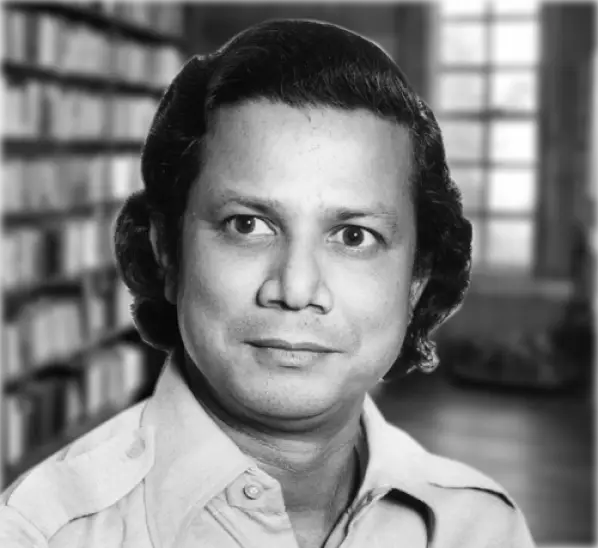
|
1984
|
|
Bangladesh
|
Economist and banker
|
|
|
Bangladeshi economist who pioneered microcredit, founding Grameen Bank in 1983 to extend small collateral-free loans to the rural poor, reaching over 100,000 villagers by the time of his award. He won the 1984 Ramon Magsaysay Award for Community Leadership, and later the 2006 Nobel Peace Prize. He also served as Bangladesh's Chief Adviser (interim head of government) from 2024-2026.
|
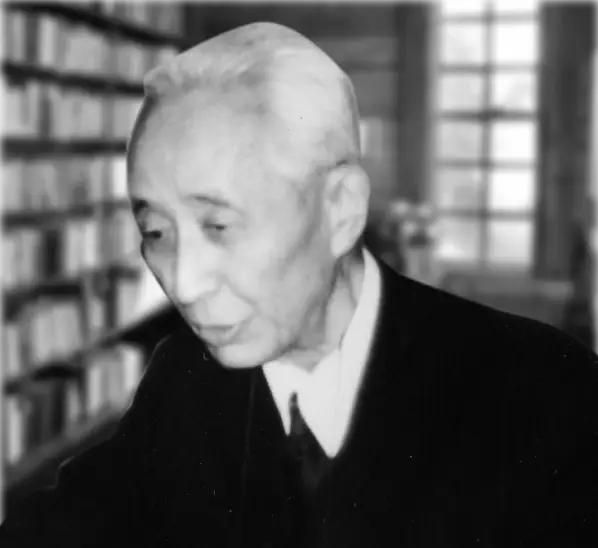
|
1984
|
Jiro Kawakita
|
Japan
|
Ethnologist and geographer
|
|
|
A Japanese cultural anthropologist and Himalaya specialist, Kawakita pioneered participatory research engaging remote Nepalese villagers in solving their own problems, yielding potable water systems and rope-way transport across mountain gorges. He also created the widely used KJ Method for organizing qualitative data. He won the 1984 Ramon Magsaysay Award for Peace and International Understanding.
|
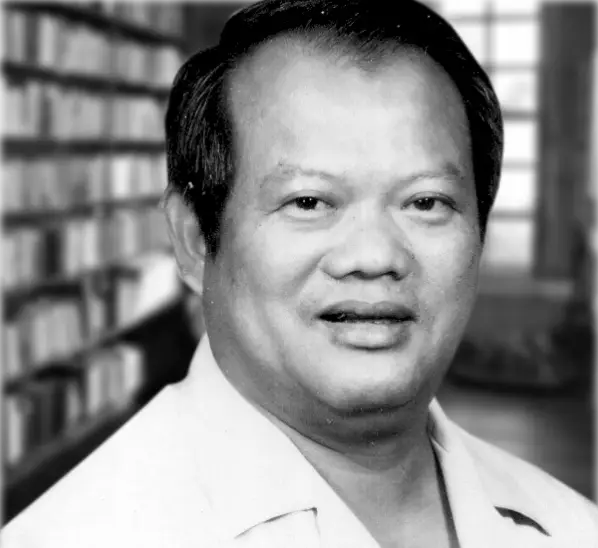
|
1983
|
Su Nan-cheng
|
Taiwan
|
Politician (mayor and government official)
|
|
|
A Taiwanese politician elected independent Mayor of Tainan (1977-1985), Su made city government more accessible, relocating his office to street level, keeping it open until 11 p.m., and creating a Prompt Service Center for citizens. He later served as Mayor of Kaohsiung and Senior Advisor to President Chen Shui-bian. He won the 1983 Ramon Magsaysay Award for Government Service.
|
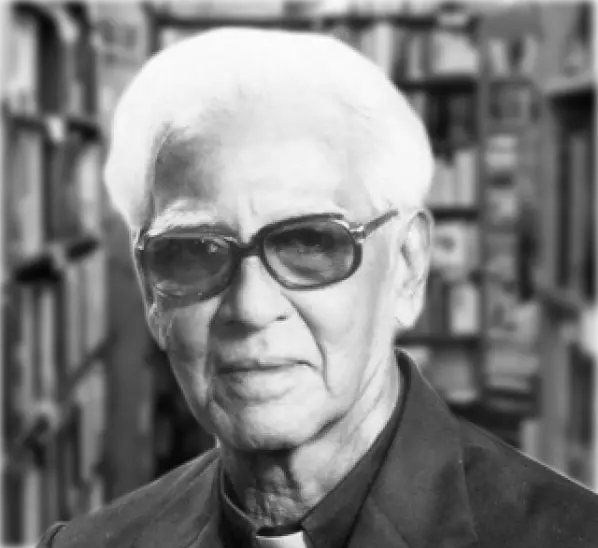
|
1983
|
Marcelline Jayakody
|
Sri Lanka
|
Catholic priest, musician, poet, and journalist
|
|
|
Fr. Marcelline Jayakody was a Sri Lankan Oblate priest, lyricist, and author known as an exponent of indigenous Sinhala culture, blending Catholic faith with local music and poetry. He won the 1983 Ramon Magsaysay Award for Journalism, Literature and Creative Communication Arts for using indigenous art forms, including hymns and verse, to foster interfaith and intercultural understanding in Sri Lanka.
|
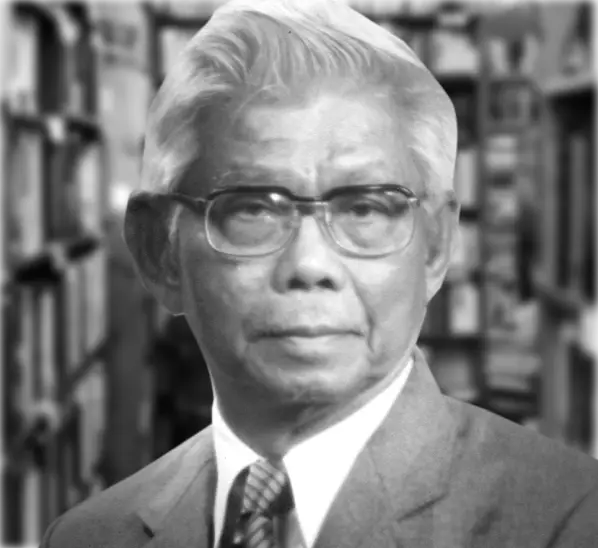
|
1983
|
Fua Hariphitak
|
Thailand
|
Thai artist, muralist, and art professor
|
|
|
Fua Hariphitak was a pioneering Thai painter and conservator who restored classical Thai temple murals, notably a twelve-year restoration at Wat Rakhang completed in 1982, and trained younger artists in Thailand's traditional graphic and architectural heritage. He received the 1983 Ramon Magsaysay Award for his lifelong dedication to preserving and teaching Thailand's endangered classical art forms.
|
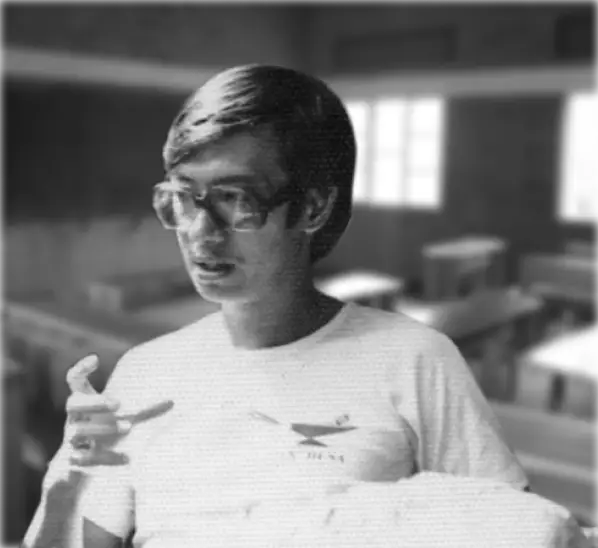
|
1983
|
Anton Soedjarwo
|
Indonesia
|
Engineer and rural development leader
|
|
|
Anton Soedjarwo founded Yayasan Dian Desa ("Light of the Village Foundation") in Central Java, Indonesia, developing appropriate technologies, gravity-flow water systems, fuel-efficient stoves, and income-generating farming projects, for impoverished villages. He won the 1983 Ramon Magsaysay Award for stimulating genuine self-reliance among rural communities through simple, replicable technology rather than dependency-creating aid.
|
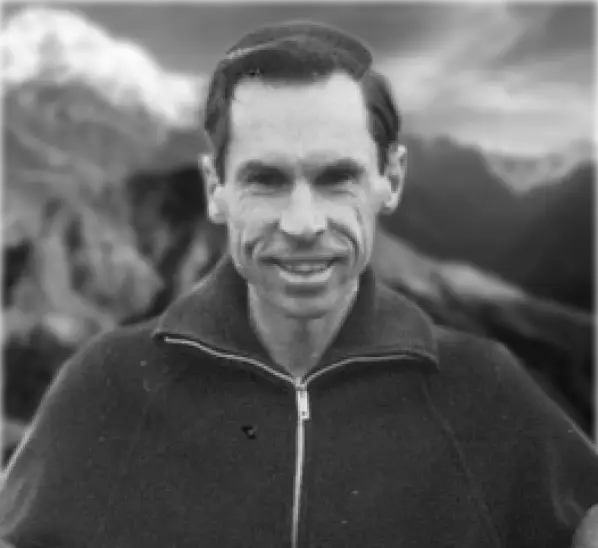
|
1983
|
Aloysius Schwartz
|
United States, South Korea
|
American Catholic priest and missionary
|
|
|
Fr. Aloysius Schwartz founded the Sisters of Mary of Banneux and Brothers of Christ, establishing Boystown and Girlstown orphanages, schools, and hospitals in South Korea, the Philippines, and Mexico that educated over 170,000 impoverished children. He won the 1983 Ramon Magsaysay Award for International Understanding. He continued his work from a wheelchair after an ALS diagnosis and was declared Venerable by Pope Francis in 2015.
|
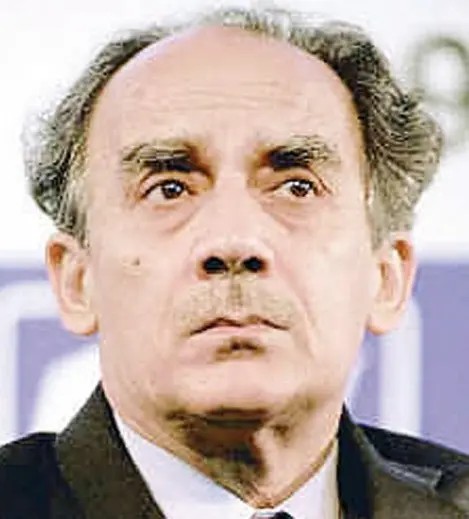
|
1982
|
|
India
|
Indian journalist, author, economist, and politician
|
|
|
Arun Shourie is an Indian investigative journalist and former World Bank economist who edited the Indian Express and Times of India, exposing corruption that led to a chief minister's resignation, and later served as a Union Minister and Rajya Sabha MP. He won the 1982 Ramon Magsaysay Award for Journalism, Literature and Creative Communication Arts for using his writing against corruption and injustice.
|
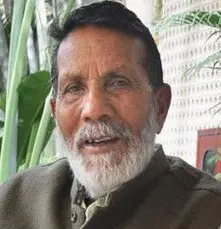
|
1982
|
|
India
|
Indian environmentalist and social activist
|
|
|
Chandi Prasad Bhatt is a pioneering Indian environmentalist who founded the Dasholi Gram Swarajya Sangh and became a key leader of the Chipko Movement, mobilizing Himalayan villagers to hug trees and block commercial deforestation from 1973 onward. He won the 1982 Ramon Magsaysay Award for Community Leadership; he later received India's Padma Bhushan and the Gandhi Peace Prize.
|
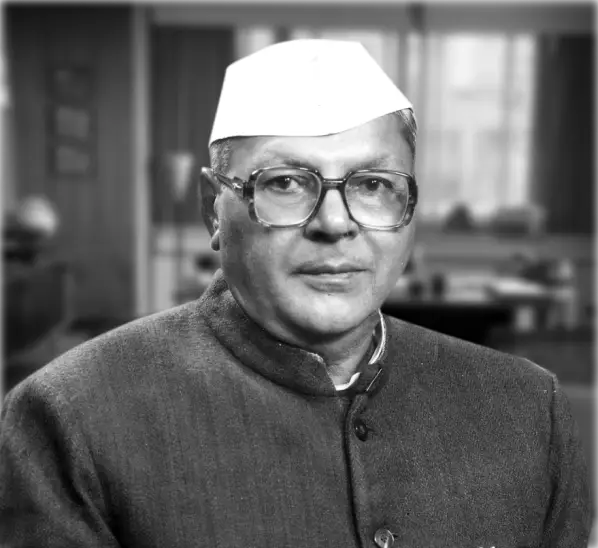
|
1982
|
Manibhai Bhimbhai Desai
|
India
|
Indian social activist and rural development pioneer
|
|
|
A close associate of Mahatma Gandhi, Manibhai Desai founded the Bharatiya Agro-Industries Foundation (BAIF) in 1967, pioneering cattle cross-breeding and rural livelihood programs across India, and earlier established a nature-cure ashram and school at Uruli Kanchan. He won the 1982 Ramon Magsaysay Award for Public Service for his Gandhian-inspired rural development work benefiting millions of farmers.
|
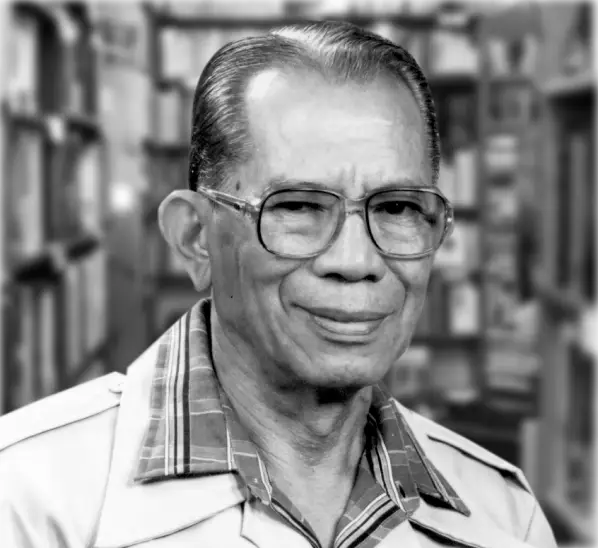
|
1982
|
Arturo Pineda Alcaraz
|
Philippines
|
Filipino volcanologist and geophysicist
|
|
|
Arturo Alcaraz served as Chief Volcanologist of the Philippine Commission on Volcanology from 1951 to 1974, monitoring eruptions of Taal and Mayon volcanoes and pioneering geothermal energy research in the Philippines. He won the 1982 Ramon Magsaysay Award for Government Service for his scientific contributions to public safety and to developing the country's geothermal power potential.
|
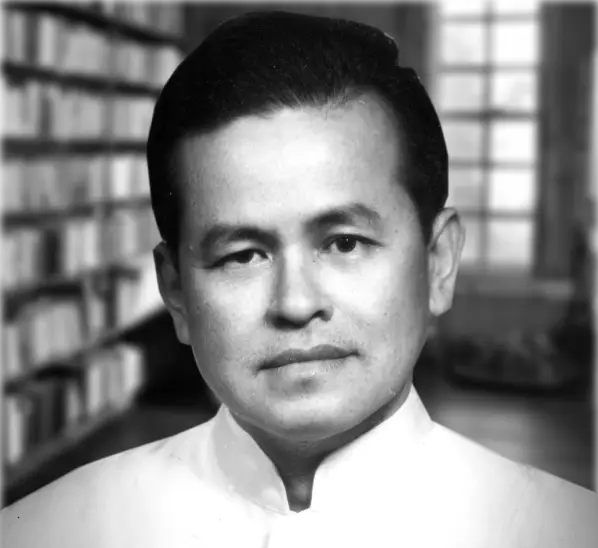
|
1981
|
Prawase Wasi
|
Thailand
|
Thai physician (hematologist) and health/social reformer
|
|
|
Prawase Wasi was a leading Thai hematologist who identified the genetic mechanism of alpha-thalassaemia and became a prominent advocate for rural healthcare, civil society, and democratic reform, chairing the committee that helped draft Thailand's 1997 constitution. He won the 1981 Ramon Magsaysay Award for Government Service. He died on 10 January 2026 at age 94.
|
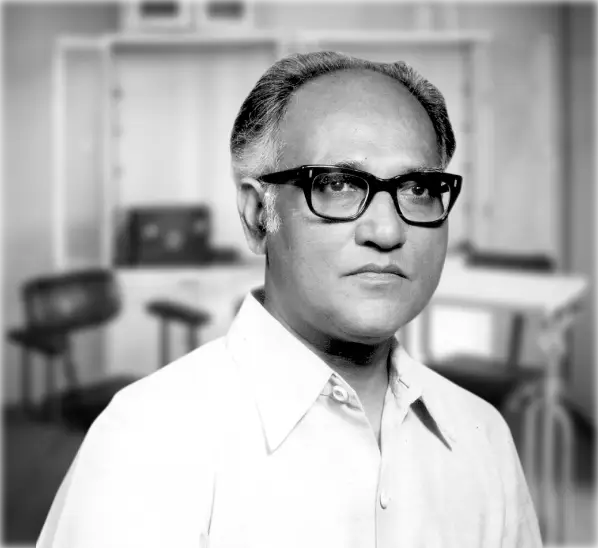
|
1981
|
Pramod Karan Sethi
|
India
|
Indian orthopedic surgeon
|
|
|
Pramod Karan Sethi co-invented the Jaipur Foot in 1969 with craftsman Ram Chandra Sharma, a low-cost, flexible prosthetic limb that has helped amputees worldwide, including landmine and war victims. Working at Sawai Man Singh Hospital in Jaipur, he won the 1981 Ramon Magsaysay Award for Community Leadership for this humanitarian medical innovation, and also received India's Padma Shri.
|
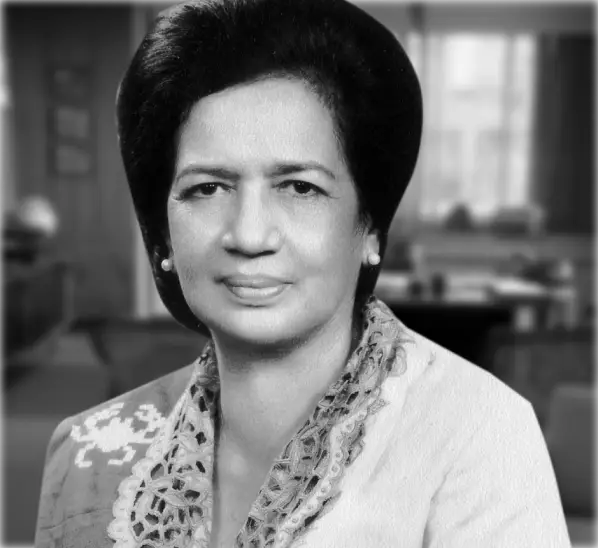
|
1981
|
Johanna Sunarti Nasution
|
Indonesia
|
Indonesian social worker
|
|
|
Johanna Sunarti Nasution, wife of General A.H. Nasution, founded Indonesia's National Council on Social Welfare, coordinating dozens of NGOs, provincial councils, social work schools, and government agencies to serve orphans, the elderly, and disabled persons. She won the 1981 Ramon Magsaysay Award for Public Service for institutionalizing social welfare cooperation among Indonesia's diverse civic and religious organizations.
|
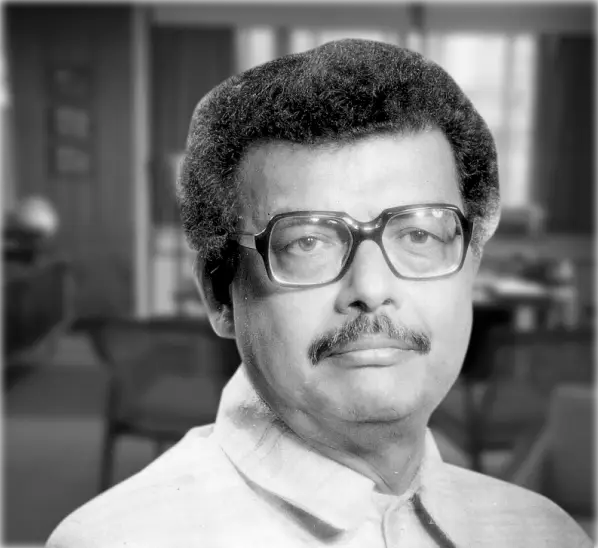
|
1981
|
Gour Kishore Ghosh
|
India
|
Indian (Bengali) writer and journalist
|
|
|
Gour Kishore Ghosh was a celebrated Bengali writer and journalist, senior editor at Anandabazar Patrika and founding editor of Aajkaal newspaper, known for novels like "Desh Mati Manush" and the story "Sagina Mahato," later filmed with Dilip Kumar. He won the 1981 Ramon Magsaysay Award for Journalism, Literature and Creative Communication Arts, recognized also for his outspoken protest writing during India's 1975 Emergency.
|
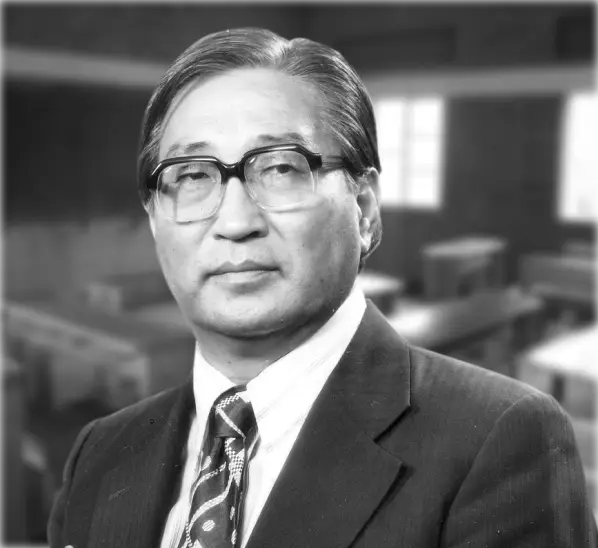
|
1981
|
Augustine Joung Ryul Kang
|
South Korea
|
South Korean credit union organizer
|
|
|
Augustine Joung Ryul Kang founded Sung-Ga, South Korea's first credit union, in 1960, and helped grow the movement to over 800,000 members by 1980; he also became the first general manager of the Asian Confederation of Credit Unions in 1971, extending cooperative finance across Asia. He won the 1981 Ramon Magsaysay Award for International Understanding for fostering regional self-help cooperation.
|
|
1980
|
Shigeharu Matsumoto
|
Japan
|
Japanese journalist and internationalist
|
|
|
Shigeharu Matsumoto was a Japanese journalist who headed the Shanghai bureau and later served as editor-in-chief (1939-1943) of the Domei news agency, before founding the International House of Japan to promote cross-cultural exchange and understanding. He won the 1980 Ramon Magsaysay Award for his sustained contributions to fostering international relations and mutual understanding between Japan and other nations.
|
|
1980
|
Raja Muhammad Alias
|
Malaysia
|
Malaysian civil servant and land-settlement administrator
|
|
|
Raja Muhammad Alias joined the Malayan Civil Service in 1958 and later became Deputy Chairman (1966) and Group Chairman (1979) of FELDA, overseeing the resettlement of nearly 60,000 landless families onto 1.3 million acres of productive farmland. He won the 1980 Ramon Magsaysay Award for Government Service for his principled, meticulous administration of Malaysia's land-for-the-landless program.
|
|
1980
|
Ohm Dae-sup
|
South Korea
|
Librarian / rural literacy advocate
|
|
|
Founder of South Korea's Village Mini-Library (Maul Munko) Movement. In 1951, using his personal 3,000-book collection, he began establishing rural libraries in Ulsan, distributing metal bookcases and organizing reading clubs by bicycle. By 1980 his movement reached 34,389 villages, 95% of rural Korea. He won the 1980 Ramon Magsaysay Award for Public Service for making knowledge a tool for life-betterment in rural Korea.
|
|
1980
|
Francisco Sionil Jose
|
Philippines
|
Novelist, short-story writer
|
|
|
F. Sionil Jose was the Philippines' most internationally translated novelist, best known for the five-novel Rosales Saga. Writing in English, his work, translated into 28 languages, explored class struggle, colonialism, and social injustice in Filipino society. He won the 1980 Ramon Magsaysay Award for Journalism, Literature and Creative Communication Arts for fiction advocating social justice and improving the lives of ordinary Filipinos.
|
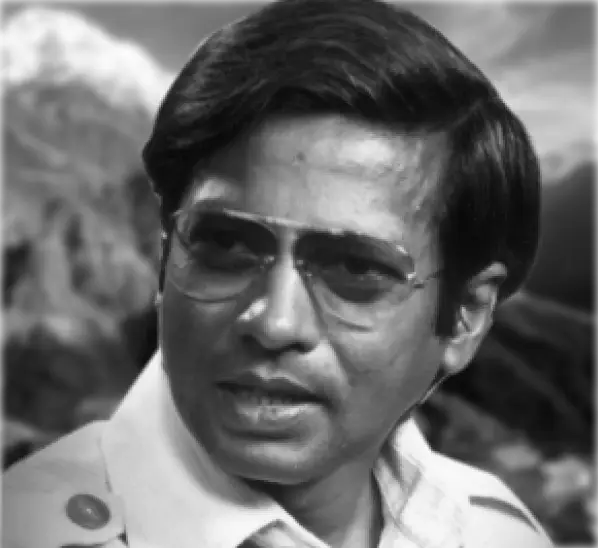
|
1980
|
|
Bangladesh
|
Development leader, social entrepreneur; founder of BRAC
|
|
|
A former Shell Oil executive, Abed founded BRAC in 1972 in response to Bangladesh's 1970 cyclone and liberation-war devastation, building it into one of the world's largest NGOs, working on poverty alleviation, microfinance, health, and education. He received the Ramon Magsaysay Award for Community Leadership (1980) for his pioneering rural relief and rehabilitation work.
|
|
1979
|
Dr. Rajanikant Shankarrao Arole
|
India
|
Physician, rural health pioneer
|
|
|
Arole co-founded (with wife Mabelle) the Comprehensive Rural Health Project in Jamkhed, Maharashtra, India in 1970, pioneering a community-based primary healthcare model that trained village health workers and dramatically improved rural health outcomes. He and Mabelle jointly received the 1979 Ramon Magsaysay Award for Community Leadership for this work.
|
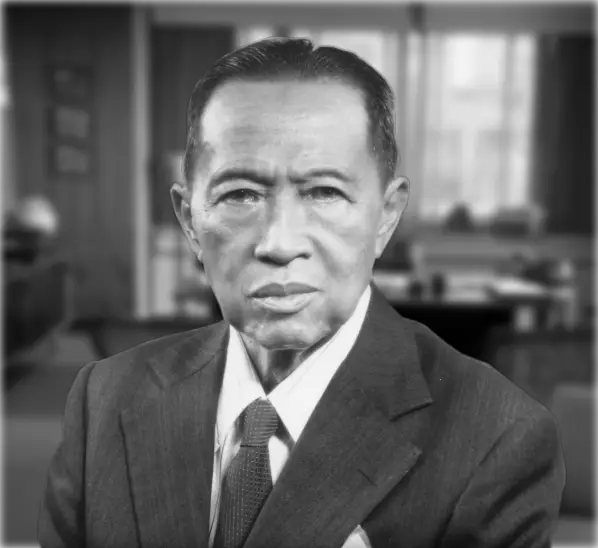
|
1979
|
Raden Wasito
|
Indonesia
|
Physician / public health and family-planning administrator
|
|
|
Indonesian doctor who led East Java's community-based family planning program, mobilizing village chiefs, religious leaders, and local women as motivators rather than relying on top-down mandates. Under his leadership Bali's birth rate fell sharply within seven years. He won the 1979 Ramon Magsaysay Award for Government Service for building one of the developing world's most effective grassroots population programs.
|
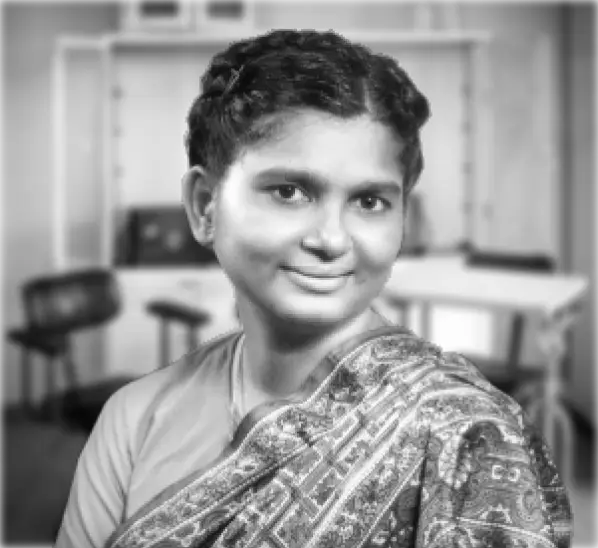
|
1979
|
Mabelle Rajanikant Arole
|
India
|
Physician and public health pioneer
|
|
|
Mabelle Arole was an Indian physician who, with husband Dr. Rajanikant Arole, co-founded the Comprehensive Rural Health Project (CRHP) in Jamkhed, Maharashtra, in 1970. A Christian Medical College Vellore graduate with a Johns Hopkins MPH, she pioneered low-cost, community-based rural healthcare using trained village health workers, dramatically cutting infant mortality and malnutrition. The couple received the 1979 Ramon Magsaysay Award for Community Leadership.
|
|
1979
|
L. T. P. Manjusri
|
Sri Lanka
|
Buddhist monk (later laicized), artist, and writer
|
|
|
Ordained as a Buddhist monk before turning to art and journalism, Manjusri founded the influential '43 Group of modern Sri Lankan artists and spent decades documenting deteriorating ancient temple murals across the island, publishing over 200 articles and a landmark book of temple-art photographs. He won the 1979 Ramon Magsaysay Award for Journalism, Literature and Creative Communication Arts for preserving Sri Lanka's classical Buddhist art tradition.
|
|
1979
|
Chang Kee-ryo
|
South Korea
|
Surgeon and medical philanthropist
|
|
|
Pioneering Korean surgeon (first in Korea to successfully remove a liver tumor, 1943) who founded Pusan's Gospel Hospital during the Korean War to treat refugees and the poor, and in 1968 established the Blue Cross Health Cooperative, a forerunner of Korea's national health insurance system. He won the 1979 Ramon Magsaysay Award for Public Service for this practical, personal Christian charity.
|

|
1979
|
Association of Southeast Asian Nations (ASEAN)
|
Indonesia
|
Intergovernmental regional political-economic association
|
|
|
Formed by Indonesia, Malaysia, the Philippines, Singapore, and Thailand to foster regional cooperation in a historically fractious region once dubbed the Balkans of Asia. ASEAN won the 1979 Ramon Magsaysay Award for International Understanding, cited for supplanting national jealousies that led to confrontation with increasingly effective cooperation and goodwill among the neighboring peoples of Southeast Asia.
|
|
1978
|
Tahrunnesa A. Abdullah
|
Bangladesh
|
Rural development activist and writer
|
|
|
Pioneer of women's rural development in Bangladesh who founded the Women's Education and Home Development Program at Comilla Academy, the country's first institution devoted to career training for women. She authored 15+ research papers challenging misconceptions about rural women's economic contributions. She won the 1978 Ramon Magsaysay Award for Community Leadership, the first Bangladeshi in that category, for leading rural Muslim women toward equal citizenship.
|
|
1978
|
Suk-Joong Yoon
|
South Korea
|
Poet and children's-literature writer
|
|
|
Prolific Korean author (Yoon Suk-Joong) who wrote over 1,000 children's poems and songs across four decades, founding a youth reading club as a boy and later the New Bud Society (Saesakhoe, 1956) to advance children's welfare through literature. He won the 1978 Ramon Magsaysay Award for Journalism, Literature and Creative Communication Arts for fostering joyful, positive values among Korean children through the Japanese occupation, war, and division.
|
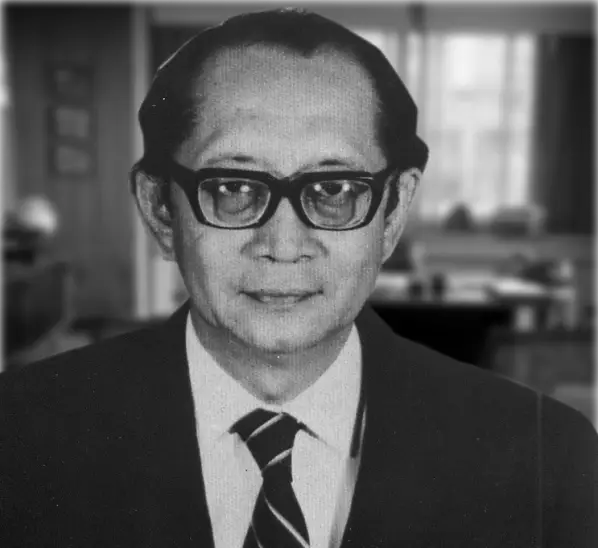
|
1978
|
Soedjatmoko
|
Indonesia
|
Indonesian intellectual, diplomat, economist
|
|
|
Soedjatmoko Mangoendiningrat was a prominent Indonesian intellectual, independence-era diplomat, and later Rector of the United Nations University. He won the 1978 Ramon Magsaysay Award for International Understanding for encouraging Asians and outsiders to more carefully consider human and village-level dimensions of development rather than purely technocratic modernization.
|
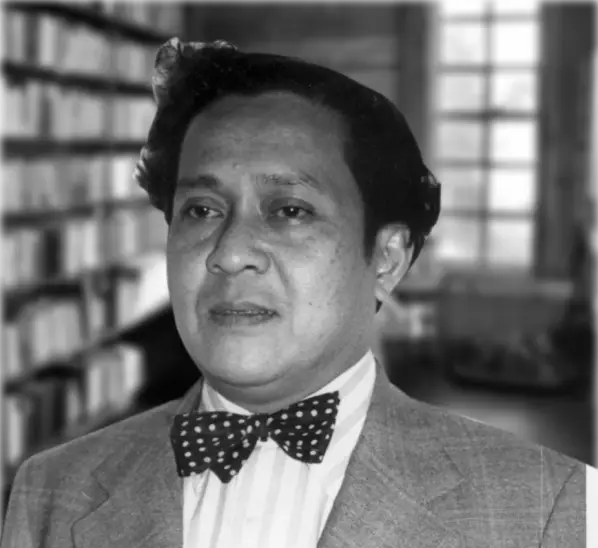
|
1978
|
Shahrum bin Yub
|
Malaysia
|
Museum administrator / museologist
|
|
|
The first Malaysian to earn a Diploma in Museology from the British Museum and the first Malaysian Director-General of Museums (appointed 1972). He transformed Malaysia's National Museum into a dynamic public institution, extending hours, running mobile exhibition vans to rural schools, and drawing over 26 million visitors. He won the 1978 Ramon Magsaysay Award for Government Service for making a living museum an enlightening experience for all ages.
|
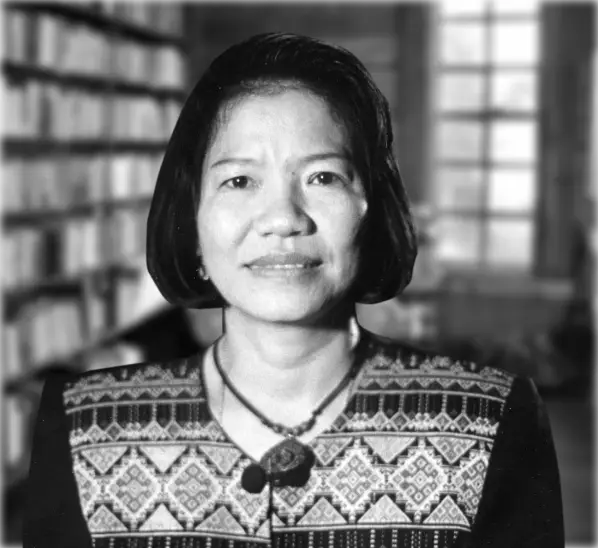
|
1978
|
Prateep Ungsongtham-Hata
|
Thailand
|
Educator, social activist, and former Thai Senator
|
|
|
Raised in Bangkok's Klong Toey slum, she founded the One Baht School for slum children denied public education, later establishing the Duang Prateep Foundation using her prize money. A prominent pro-democracy activist during Thailand's 1992 political crisis, she later served as an elected Senator for Bangkok (2000). She won the 1978 Ramon Magsaysay Award for Public Service.
|
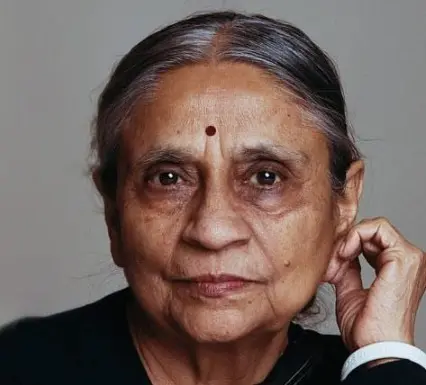
|
1977
|
|
India
|
Cooperative organizer, lawyer, activist
|
|
|
Indian Gandhian labor organizer who founded the Self-Employed Women's Association (SEWA) in 1972 to organize and protect informal/self-employed women workers, serving as general-secretary until 1996. Co-founded Women's World Banking (1979). Won the 1977 Magsaysay Award for Community Leadership. Also received the Right Livelihood Award and Padma Bhushan for empowering over a million poor Indian women.
|
|
1977
|
University of the Philippines at Los Baños (UPLB) College of Agriculture
|
Philippines
|
University college (public higher-education institution)
|
|
|
The first university college of agriculture established in the tropics, UPLB trained generations of Southeast Asian agricultural scientists and served as a hub for the Green Revolution in rice production. It won the 1977 Ramon Magsaysay Award for International Understanding for its quality of teaching and research, fostering a sharing of knowledge in modernizing Southeast Asian agriculture.
|
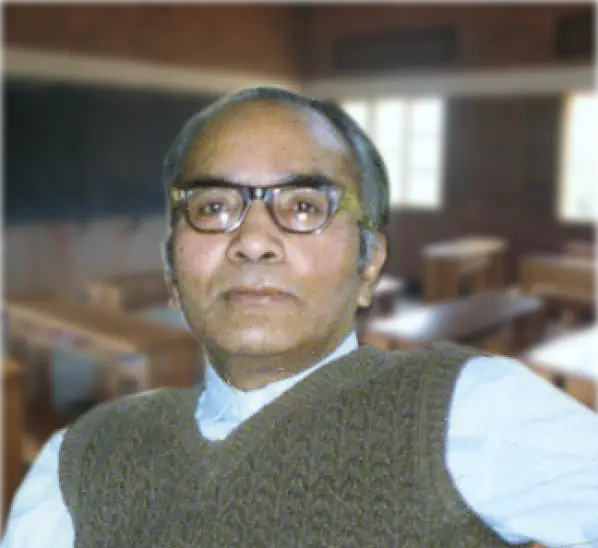
|
1977
|
Mahesh Chandra Regmi
|
Nepal
|
Historian and archivist
|
|
|
Nepal's leading economic historian, he founded the Regmi Research Centre (1957) and published the Regmi Research Series (1969-1989), translating and analyzing historical documents. Author of 14 books on 18th-19th century Nepali land tenure and taxation. Won the 1977 Magsaysay Award (Journalism, Literature, and Creative Communication Arts) for chronicling Nepal's past, the first Nepali so honored.
|
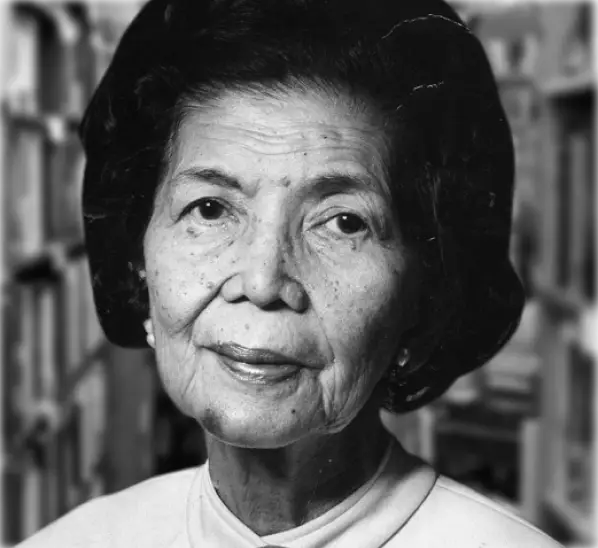
|
1977
|
Fe Del Mundo
|
Philippines
|
Pediatrician
|
|
|
Pioneering Filipino pediatrician, first female student admitted to Harvard Medical School, and first female National Scientist of the Philippines (1980). Founded the Children's Medical Center (1957), the country's first pediatric hospital, and the Institute of Maternal and Child Health (1966). Invented a bamboo incubator for rural areas. Won the 1977 Magsaysay Award for Public Service for her outstanding contributions to child healthcare.
|
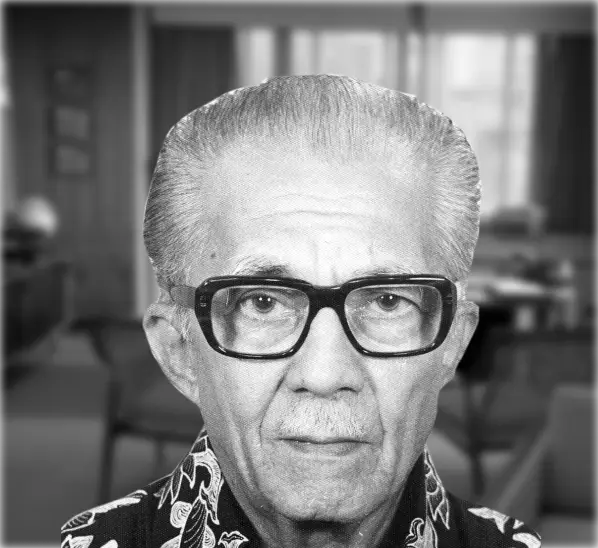
|
1977
|
Benjamin Galstaun
|
Indonesia
|
Conservation biologist / zoo director
|
|
|
Indonesian zoo director who led Jakarta's Cikini Zoo from 1964 and oversaw its 1964-66 relocation, transferring over 450 animals, to become the eco-conscious Ragunan Zoo. Involved with the zoo since 1938. Won the 1977 Magsaysay Award for Government Service for his decades of wildlife conservation and public education work; a bust honors him at Ragunan Zoo.
|
|
1976
|
|
Denmark, India
|
Chemical engineer, industrialist
|
|
|
Danish-born engineer naturalized as an Indian citizen (1950) who co-founded Larsen & Toubro (L&T) in Mumbai in 1938 with Soren Kristian Toubro, growing it from a one-room office into one of India's largest industrial conglomerates. Won the 1976 Magsaysay Award for International Understanding. Later received India's Padma Bhushan (2002) and was knighted by Denmark's Queen Margrethe II (1977).
|
|
1976
|
|
India
|
Actor, theatre director, playwright
|
|
|
Leading figure of Bengali theatre who founded the Bohurupee group (1948), launching West Bengal's group-theatre movement, and directed acclaimed productions of Tagore's works including "Rakta Karabi." Directed the award-winning film "Jagte Raho" (1956). Won the 1976 Magsaysay Award for Journalism, Literature and Creative Communication Arts. Received the Sangeet Natak Akademi Fellowship (1966) and Padma Bhushan (1970).
|
|
1976
|
Toshikazu Wakatsuki
|
Japan
|
Physician
|
|
|
Japanese doctor who earned his M.D. from the University of Tokyo (1936), performed Japan's first tubercular spinal caries surgery (1946), and established Japan's first blood bank the same year. Founded the Japanese Association of Rural Medicine to extend medical care to underserved rural communities. Won the 1976 Magsaysay Award for his contributions to rural medicine, and received the Order of the Rising Sun in 1981.
|
|
1976
|
Hermenegild Joseph Fernandez
|
France, Sri Lanka
|
Educator, De La Salle Brother
|
|
|
A De La Salle Brother who in 1963 founded Diyagala Boys' Town near Colombo, Sri Lanka, on over 44 hectares of barren land, providing shelter, vocational training, and rehabilitation for poor, orphaned, and delinquent boys under the motto "Deeds Not Words." Won the 1976 Magsaysay Award for Public Service.
|
|
1976
|
Elsie Elliott Tu
|
Hong Kong
|
Social activist, politician, educator
|
|
|
British-born Hong Kong activist and politician who served 32 years on the Urban Council (1963-1995) and the Legislative Council (1988-1995), campaigning against corruption and poverty; her advocacy helped spur creation of the Independent Commission Against Corruption (1974). Founded Mu Kuang English School (1954) for underprivileged children. Won the 1975 Magsaysay Award for Government Service; later received the CBE and Grand Bauhinia Medal.
|
|
1975
|
Tun Mohammed bin Hashim Suffian
|
Malaysia
|
Judge, jurist
|
|
|
Malaysian barrister who served as Chief Justice of Malaya and then Lord President of the Federal Court (1974-1982), becoming a celebrated defender of judicial independence, notably during controversies over judges' removal. Deeply involved in interpreting Malaysia's Constitution from 1961 onward. Won the 1975 Magsaysay Award for Public Service, recognized as an outstanding public servant and jurist.
|
|
1975
|
Phra Chamroon Parnchand
|
Thailand
|
Buddhist monk, drug rehabilitation pioneer
|
|
|
Thai monk who, after service in the police force and ordination in 1953, co-founded Wat Tham Krabok monastery near Saraburi with his aunt Mian. Developed an unorthodox drug treatment combining a sacred vow of abstinence with herbal remedies; by 1975 roughly 57,000 addicts had been treated with 60-80% reported success. Won the 1975 Magsaysay Award for Public Service.
|
|
1975
|
Patrick James McGlinchey
|
Ireland, South Korea
|
Catholic missionary priest, social entrepreneur
|
|
|
Irish Columban missionary priest who arrived on Jeju Island, South Korea, in 1954 and founded St. Isidore Farm (1961), earning the nickname "the pig priest" for modernizing local livestock farming and mobilizing international aid. Won the 1975 Magsaysay Award for his agricultural community development work. Posthumously named an Honorary Citizen of South Korea in 2018.
|
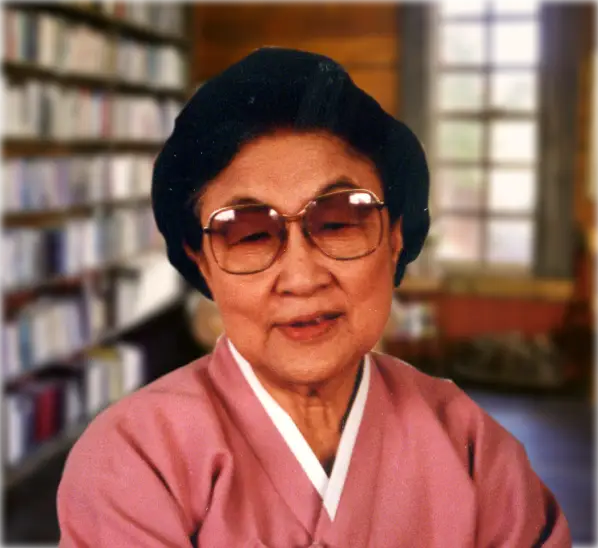
|
1975
|
Lee Tai-young
|
South Korea
|
Lawyer, judge, women's rights advocate
|
|
|
Korea's first female lawyer, she was the first woman admitted to Seoul National University's law program (1946) and the first to pass the National Judicial Examination (1952). Founded Korea's first legal aid center for women (1957), later the Korea Legal Aid Center for Family Relations. Won the 1975 Magsaysay Award for Community Leadership for advancing equal judicial rights for Korean women.
|
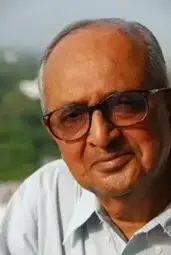
|
1975
|
Boobli George Verghese
|
India
|
Journalist, editor
|
|
|
Prominent Indian journalist who edited the Hindustan Times (1969-75) and The Indian Express (1982-86), and earlier served as information adviser to PM Indira Gandhi. Lost his Hindustan Times editorship for criticizing Gandhi during the Emergency, cementing his reputation for editorial independence. Won the 1975 Magsaysay Award for outstanding contribution to journalism. Later served on the Kargil Review Committee.
|
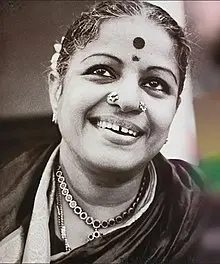
|
1974
|
Madurai Shanmugavadivu Subbalakshmi
|
India
|
Carnatic classical vocalist
|
|
|
One of India's most celebrated Carnatic musicians, Subbulakshmi rose from a musical family in Madurai to become a globally renowned singer, performing at Carnegie Hall and the United Nations General Assembly (1966). She later became the first musician to receive India's highest civilian honor, the Bharat Ratna. She won the 1974 Ramon Magsaysay Award as the first Indian musician so honored.
|
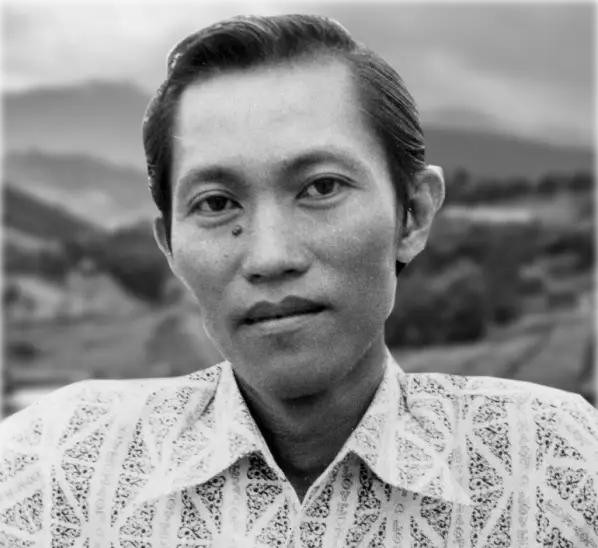
|
1974
|
Zacarias Bolong Sarian
|
Philippines
|
Agricultural journalist, editor
|
|
|
Known as "Mang Zac," the father of Philippine agricultural journalism. As agriculture columnist for the Manila Chronicle he launched and edited Philippine Farms and Gardens magazine (1964-1972), later serving as longtime agriculture editor/columnist for the Manila Bulletin. Won the 1974 Magsaysay Award for Journalism, Literature and Creative Communication Arts for making farming information accessible to ordinary Filipino farmers.
|
|
1974
|
William Francis Masterson
|
Philippines
|
American Jesuit Catholic priest, educator, university administrator
|
|
|
An American Jesuit who spent his career in the Philippines, serving as Rector of Ateneo de Manila (1947-1950) and later founding Xavier University's College of Agriculture (1953) in Cagayan de Oro. In 1964 he established the Southeast Asia Rural Social Leadership Institute (SEARSOLIN), training roughly 50 rural leaders yearly from across Asia. He won the 1974 Magsaysay Award for International Understanding.
|
|
1974
|
Hiroshi Kuroki
|
Japan
|
Civil servant; Governor of Miyazaki Prefecture
|
|
|
Long-serving governor who transformed impoverished Miyazaki Prefecture into a prosperous region, diversifying farming, modernizing fishing, launching cattle ranching, and building tourism, while pioneering environmental conservation laws and elderly medical support. He won the 1974 Magsaysay Award for Government Service. He was later tried and acquitted (1988) of bribery charges from his sixth term.
|
|
1974
|
Fusaye Ichikawa
|
Japan
|
Feminist activist and politician
|
|
|
Ichikawa was Japan's foremost women's suffrage leader, co-founding the New Women's Association in 1920 and Japan's first dedicated women's suffrage organization in 1924. She campaigned for women's voting rights, achieved in postwar Japan's 1947 constitution, and later served multiple terms in the House of Councillors advocating electoral reform. She won the Ramon Magsaysay Award for Community Leadership (1974).
|

|
1973
|
Summer Institute of Linguistics
|
United States, South Asia, Philippines
|
International Christian linguistics/literacy and Bible-translation organization
|
|
|
Founded to train missionary-linguists in indigenous languages, SIL operated in 25+ countries with about 3,000 linguists documenting unwritten languages and teaching literacy, working with 36 ethnic minorities in the Philippines alone. It won the 1973 Magsaysay Award for International Understanding for its inspired outreach to nonliterate tribespeople, recording and teaching them to read their own languages.
|
|
1973
|
Krasae Chanawongse
|
Thailand
|
Physician, public health academic, and Thai politician
|
|
|
A rural doctor who spent 1960-1973 building Thailand's first modern health center in remote Muang Phon, Khon Kaen, mobilizing community resources and pioneering a nationally-modeled family-planning program. He won the 1973 Magsaysay Award for Community Leadership. He later entered politics, becoming an MP, Deputy Minister of Public Health, and Thailand's Foreign Minister (Feb-May 1995).
|
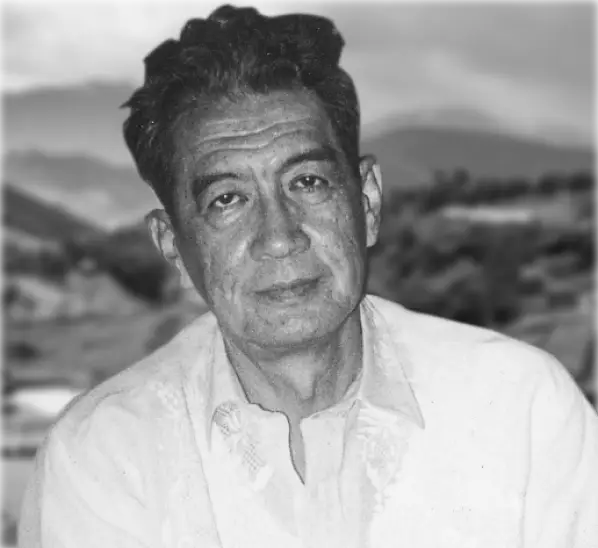
|
1973
|
Benjamin Corteza Gaston
|
Philippines
|
Rural development/cooperative organizer and social entrepreneur
|
|
|
A Negros Occidental sugar-planter-turned-social-entrepreneur who, working with Bishop Antonio Fortich, founded the Dacongcogon Producers Cooperative Marketing Association (1968) and Sugar and Rice Milling Company (1969), relocating a mill and giving settler farmers capital, infrastructure, and land-title pathways. He won the 1973 Magsaysay Award for Public Service for engineering an experiment in rural development.
|
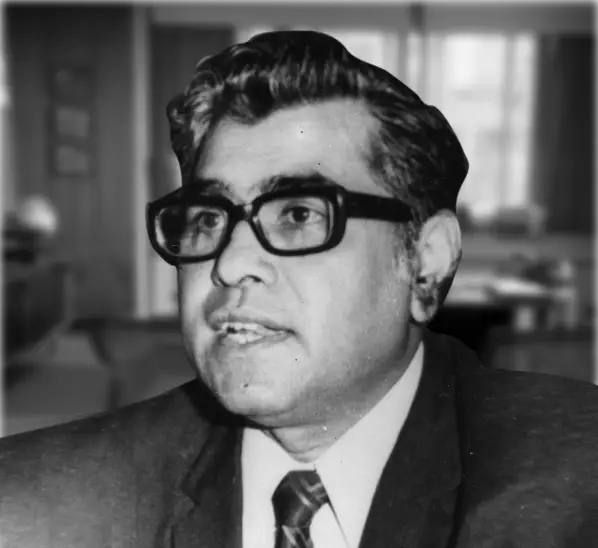
|
1973
|
Balachandra Chakkingal Sekhar
|
Malaysia
|
Malaysian rubber/polymer scientist and industry administrator
|
|
|
A chemist who joined the Rubber Research Institute of Malaysia (RRIM) in 1949 and rose to become its head, developing the Standard Malaysian Rubber (SMR) grading system and latex-stimulation techniques that doubled or tripled yields. He also founded the Palm Oil Research Institute of Malaysia. He won the 1973 Magsaysay Award for Government Service, recognized for revolutionizing Malaysia's rubber industry.
|
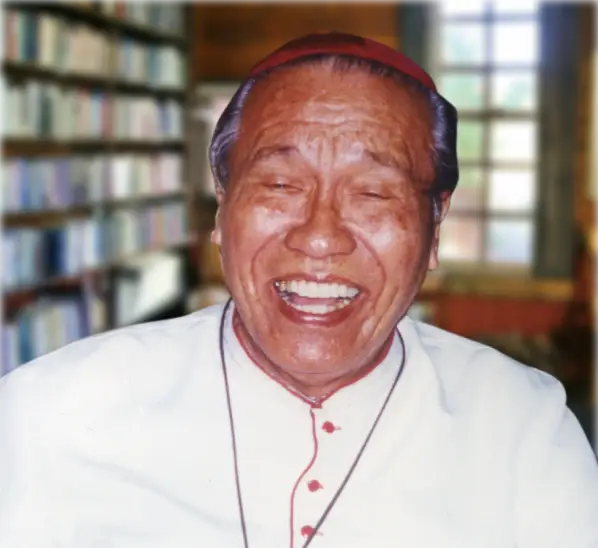
|
1973
|
Antonio Yapsutco Fortich
|
Philippines
|
Roman Catholic Bishop (Bishop of Bacolod, 1967-1989)
|
|
|
Known as the "Bishop of the Poor," Fortich championed sugar workers and small landowners in Negros, co-founding the Dacongcogon Producers Cooperative and Sugar/Rice Milling Company with Benjamin Gaston to free indebted farmers from middlemen and secure land titles. He shared the 1973 Magsaysay Award for Public Service with Gaston. He was later recognized (2018) as a martial-law-era human rights victim.
|
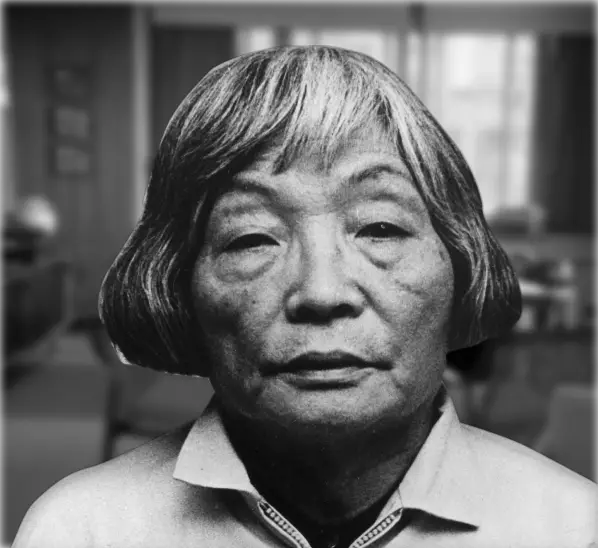
|
1972
|
Yasuji Hanamori
|
Japan
|
Editor, publisher, essayist, and graphic designer
|
|
|
Co-founded the consumer magazine Kurashi no Techo ("Notebook of Life") in 1948, building it to 800,000 circulation while refusing all advertising to preserve editorial independence. The magazine tested roughly 200 products over 23 years, pressuring manufacturers to improve quality. He won the 1972 Magsaysay Award for Journalism, Literature and Creative Communication Arts.
|
|
1972
|
Hans Westenberg
|
Netherlands
|
Dutch-Indonesian agriculturist and farm educator
|
|
|
A Dutch-Indonesian agricultural scientist in Sumatra, Westenberg multiplied high-yield rice varieties (IR-8, IR-5), tested hundreds of sorghum varieties, and ran an experimental farm and training center (ashrama) for smallholders near Tebing Tinggi. He won the 1972 Magsaysay Award for Community Leadership for proving private initiative can consequentially increase agricultural production.
|
|
1972
|
Goh Keng Swee
|
Singapore
|
Economist and statesman
|
|
|
Goh was one of Singapore's founding fathers, serving as Deputy Prime Minister and holding key ministries (Finance, Defence, Education) under Lee Kuan Yew. He was a principal architect of Singapore's rapid economic development, industrialization strategy, defense force build-up, and education reforms, and helped found institutions like the Economic Development Board. He won the Ramon Magsaysay Award for Government Service (1972).
|
|
1972
|
Gilopez Kabayao
|
Philippines
|
Filipino concert violinist and conductor
|
|
|
The first Filipino violinist to perform at Carnegie Hall (1950), Kabayao became known as the Father of Outreach for Classical Music, touring schools, marketplaces, cockpits, and mountain villages to bring live classical music to ordinary Filipinos. He won the 1972 Magsaysay Award for Public Service. He performed for decades with his pianist wife Corazon as the Kabayao Quintet, and was posthumously nominated for National Artist of the Philippines in 2024.
|
|
1972
|
Cecile Guidote-Alvarez
|
Philippines
|
Theater director, actress, arts administrator
|
|
|
Founded the Philippine Educational Theater Association (PETA) on 7 April 1967, pioneering socially-engaged, community-based Filipino theater and rural drama workshops. She won the 1972 Magsaysay Award for Public Service. She later founded the Philippine Center of the International Theatre Institute, went into self-exile during martial law, and served as NCCA executive director, receiving UNESCO's Artist for Peace honor in 2003.
|
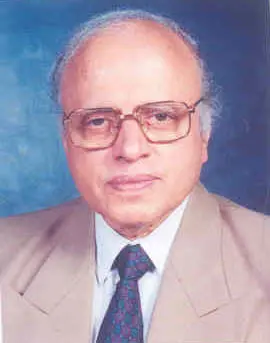
|
1971
|
Dr. Monkombu Sambasiva Swaminathan
|
India
|
Geneticist, Plant Breeder, Humanitarian
|
|
|
Swaminathan was a global leader of the green revolution. He has been called the main architect of the green revolution in India for his leadership and role in introducing and further developing high-yielding varieties of wheat and rice. Swaminathan's collaborative scientific efforts with Norman Borlaug, spearheading a mass movement with farmers and other scientists and backed by public policies, saved India and Pakistan from certain famine-like conditions in the 1960s. His leadership as director general of the International Rice Research Institute (IRRI) in the Philippines was instrumental in his being awarded the first World Food Prize in 1987, recognized as one of the highest honours in the field of agriculture.
|
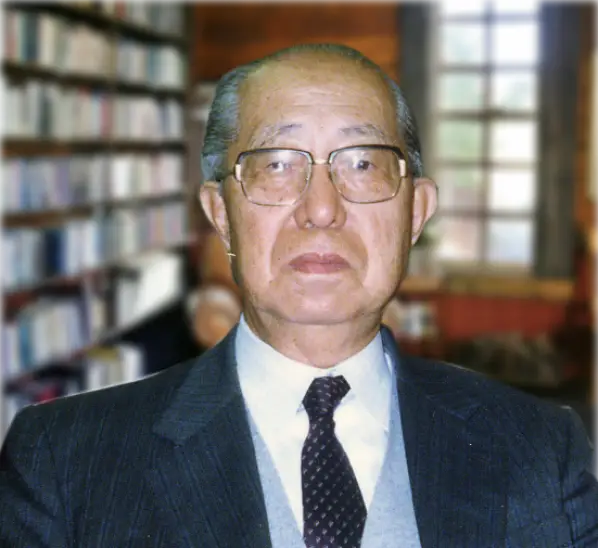
|
1971
|
Saburo Okita
|
Japan
|
Economist, economic planner, and diplomat
|
|
|
A leading architect of Japan's postwar economic recovery, Okita helped design PM Ikeda's Income Doubling Plan and later headed the Japan Center for Economic Research. He won the 1971 Magsaysay Award for International Understanding. He served as Japan's Foreign Minister (1979-1980), the only academic to hold that post, and later proposed a Japanese Marshall Plan (1986) to aid developing nations.
|
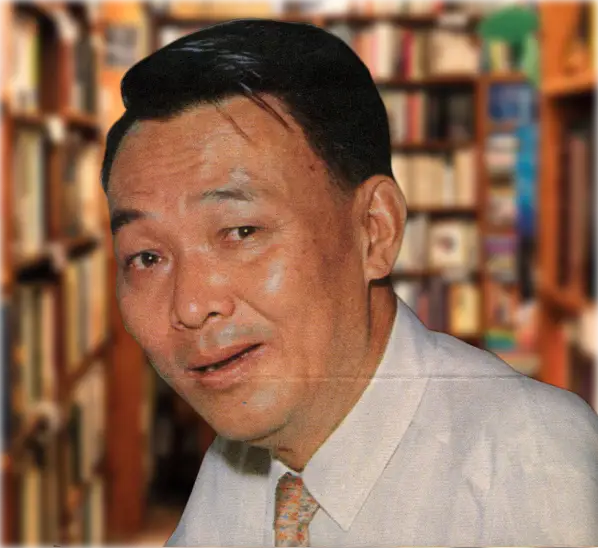
|
1971
|
Prayoon Chanyavongs
|
Thailand
|
Cartoonist/comics artist and journalist
|
|
|
Known as Thailand's King of Cartoons, Chanyavongs began his career in 1938 and spent over three decades using pictorial satire to expose corruption and defend the public interest in Thai society. He deliberately avoided steady employment to preserve editorial independence. He won the 1971 Magsaysay Award (Journalism, Literature and Creative Communication Arts) for wielding a gifted pen with courage, decency, and artistic sensitivity in defense of truth.
|
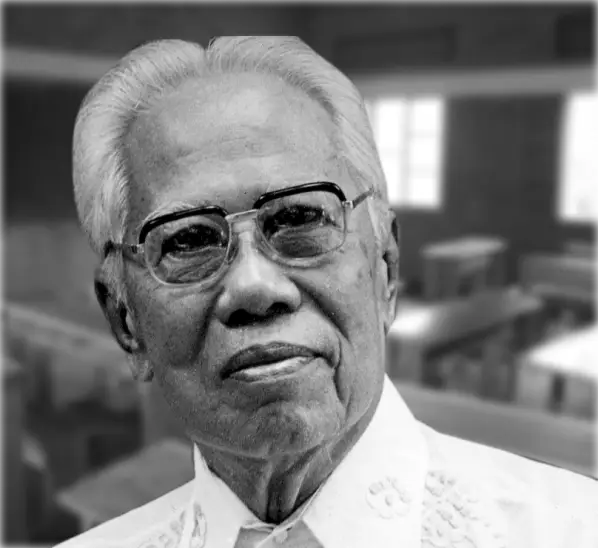
|
1971
|
Pedro Tamesis Orata
|
Philippines
|
Educator
|
|
|
Known as the Father of Barrio High Schools, Orata pioneered the community school concept in the rural Philippines after working in the U.S. His barrio high school model spread to 43 provinces and six cities, later formalized by Republic Act 6054 (1969); he also founded the country's first community college. He won the 1971 Magsaysay Award for Public Service for 44 years of creative educational work.
|
|
1971
|
Ali Sadikin
|
Indonesia
|
Military officer (Indonesian Navy Lieutenant General) and government administrator/politician
|
|
|
A former Navy commander and Minister of Transportation, Sadikin served as Governor of Jakarta from 1966 to 1977, transforming it from a chaotic, overcrowded city into a modern, well-managed metropolis amid explosive population growth. He won the 1971 Magsaysay Award for Government Service for his innovation, foresight, and compassion in overhauling infrastructure, taxation, transit, water/sewerage, schools, and hospitals.
|
|
1969
|
Mitoji Nishimoto
|
Japan
|
Broadcaster and educator (NHK Education Director; university president)
|
|
|
Nishimoto pioneered educational broadcasting in Japan, organizing the country's first school radio broadcasts in 1933 and shaping NHK into one of the world's leading educational broadcasting services over a 44-year career. He later served as president of Tezukayama Gakuin University. He won the 1969 Magsaysay Award for Journalism, Literature and Creative Communication Arts for integrating mass media into education during Japan's postwar reconstruction.
|
|
1969
|
Kim Hyung-seo
|
South Korea
|
Farmer/agricultural engineer and community organizer
|
|
|
Following the Korean War, Kim led refugee and displaced communities in reclaiming farmland from tidal flats in South Korea, beginning near Sachon in 1961. He organized over 5,000 people to build the Daeduk Self-Support Assimilation Project's sea dikes and irrigation systems, eventually reclaiming more than 1,000 hectares. He won the 1969 Magsaysay Award for Public Service, donating reclaimed land to veterans and displaced families rather than profiting personally.
|
|
1969
|
International Rice Research Institute (IRRI)
|
United States, Philippines
|
International agricultural research institute
|
|
|
IRRI conducted seven years of pioneering interdisciplinary research by Asian and Western scientists, developing the high-yield miracle rice variety IR-8, distinguished by its short, stiff, nitrogen-responsive stalks that resisted lodging. This breakthrough helped launch the global Green Revolution and addressed food security across Asia. IRRI won the 1969 Magsaysay Award for International Understanding as the first coordinated international effort to solve a major tropical agriculture problem.
|
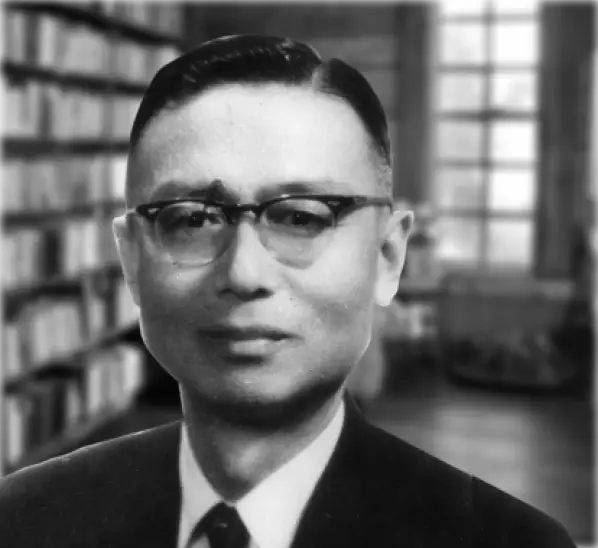
|
1969
|
Hsu Shih-chu
|
Taiwan
|
Physician (rural health specialist)
|
|
|
A Chinese-born physician, Hsu led the Joint Commission on Rural Reconstruction's (JCRR) rural health division in Taiwan, establishing community health, sanitation, and family-planning services that became models for other developing nations. He won the 1969 Magsaysay Award for Public Service for building accessible, replicable rural health systems that improved public health outcomes across Taiwan during its postwar development.
|
|
1969
|
Ahangamage Tudor Ariyaratne
|
Sri Lanka
|
Social activist; founder of the Sarvodaya Shramadana Movement
|
|
|
Ariyaratne founded and led Sri Lanka's Sarvodaya Shramadana Movement, a grassroots self-help organization blending Buddhist principles with community development, eventually reaching thousands of villages nationwide. Often called the Gandhi of Sri Lanka, he won the 1969 Magsaysay Award for Community Leadership. He passed away on 16 April 2024 at age 92 in a private hospital in Colombo.
|
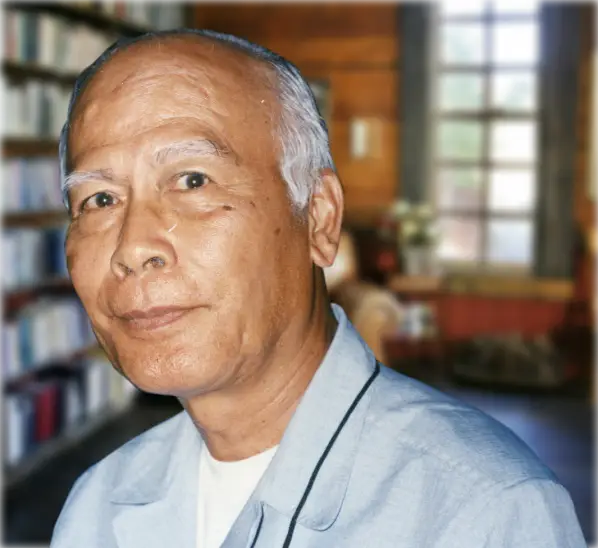
|
1968
|
Thien Ton That
|
Vietnam
|
Journalist, editor, government minister, historian, and professor
|
|
|
Ton That Thien was a South Vietnamese nationalist and intellectual who served as Minister of Information and removed press censorship despite South Vietnam being in active conflict, while also working as an editor and later a professor. He won the 1968 Magsaysay Award for Journalism, Literature and Creative Communication Arts, recognized for blending Western scientific method with Vietnamese cultural values.
|
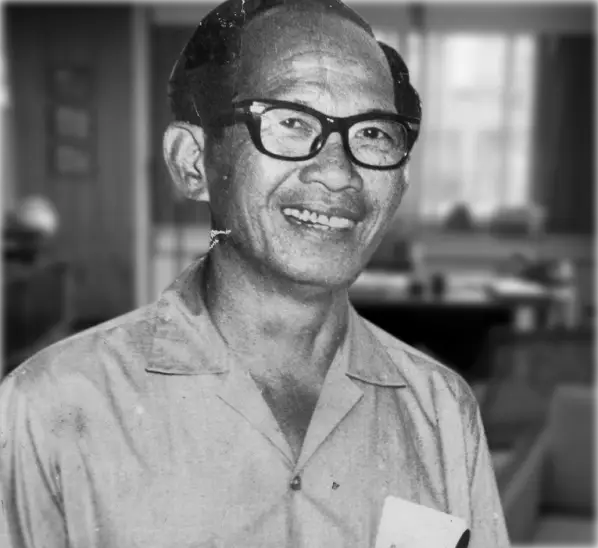
|
1968
|
Silvino Encarnacion
|
Philippines
|
Barangay (village) lieutenant/community leader
|
|
|
Together with his wife Rosario, Silvino Encarnacion founded the Barrio Bantug Credit Cooperative Union on 1 April 1960 in Nueva Ecija, a credit union providing loans to lower-income rural residents. As barangay lieutenant, he combined local leadership with cooperative organizing. He and Rosario jointly won the 1968 Magsaysay Award for Community Leadership for building this self-help rural financial institution.
|
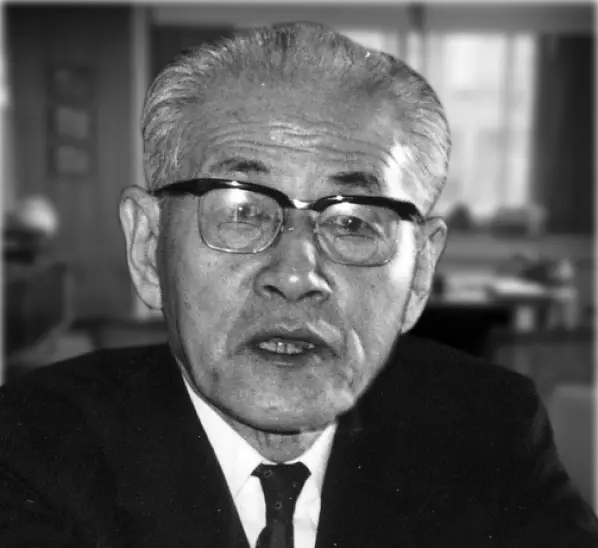
|
1968
|
Seiichi Tobata
|
Japan
|
Agricultural economist and professor
|
|
|
A pioneering Japanese scholar of agricultural economics, Tobata contributed significantly to the modernization of Japanese agriculture through decades of academic and policy work. He won the 1968 Magsaysay Award for Public Service for these contributions. He was later honored domestically with the Grand Cordon of the Order of the Rising Sun (1975) and the Order of Culture (1980).
|
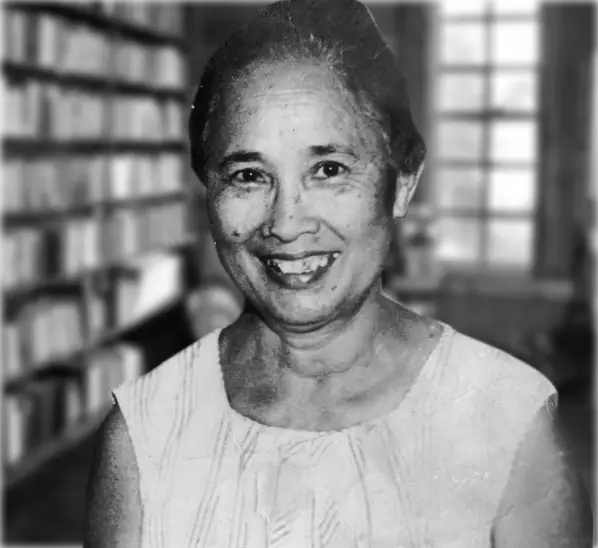
|
1968
|
Rosario Encarnacion
|
Philippines
|
Teacher and cooperative organizer
|
|
|
Rosario Encarnacion, a schoolteacher, co-founded the Barrio Bantug Credit Cooperative Union with her husband Silvino on 1 April 1960, providing credit access to poor residents of their Nueva Ecija barrio. Their grassroots cooperative model demonstrated how rural communities could achieve self-reliance through mutual financial support. She and Silvino jointly won the 1968 Magsaysay Award for Community Leadership.
|
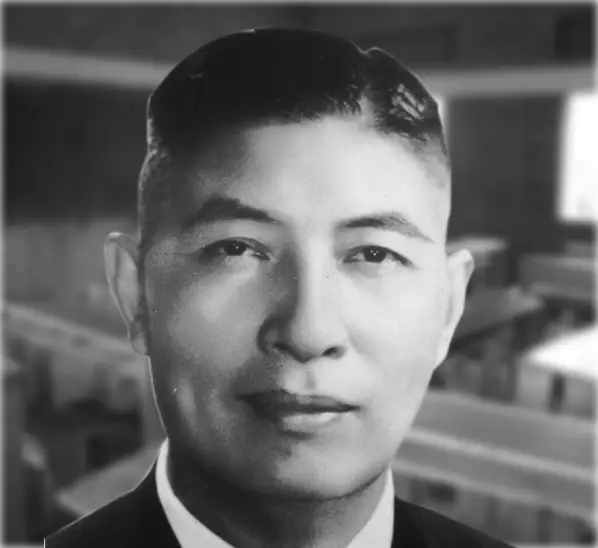
|
1968
|
Li Kwoh-ting
|
Taiwan
|
Economist and government official (physicist by training)
|
|
|
Often called the Father of Taiwan's Economic Miracle, K.T. Li held key roles including Minister of Economic Affairs and Minister of Finance, architecting Taiwan's shift toward export-oriented industrialization and technology-driven growth. He won the 1968 Magsaysay Award for Government Service, recognized for his contributions to Taiwan's economic transformation through decades of policy leadership.
|

|
1968
|
Cooperative for American Relief Everywhere (CARE)
|
United States, South Asia, Philippines
|
International humanitarian relief and development NGO
|
|
|
Originally created to send CARE packages to postwar Europe, CARE expanded relief and development operations across Asia and beyond, distributing food, supplies, and equipment while keeping administrative costs low. It won the 1968 Magsaysay Award for International Understanding, cited for 22 years of constructive humanitarianism that fostered dignity among recipients rather than mere charity, addressing poverty and disease across multiple continents.
|
|
1967
|
|
India
|
Indian filmmaker, writer
|
|
|
Celebrated Bengali filmmaker best known for the Apu Trilogy (Pather Panchali, Aparajito, Apur Sansar), which won 16 international awards. Won the 1967 Magsaysay Award for Journalism, Literature and Creative Communication Arts for his uncompromising use of the film as an art, drawing on Bengali literature to depict authentic Indian life beyond commercial escapism.
|
|
1967
|
Tun Abdul Razak Bin Hussein
|
Malaysia
|
Politician; 2nd Prime Minister of Malaysia
|
|
|
Malaysian statesman who served as Deputy Prime Minister before becoming PM in 1970. Won the 1967 Magsaysay Award for Community Leadership for administering Malaysia's National and Rural Development Program with quiet, efficient and innovative urgency, opening 140,000 acres for 12,000 families, expanding irrigation fivefold, building 13,200 low-cost housing units, and fostering multiracial cooperation and literacy.
|
|
1967
|
Sithiporn Kridakara
|
Thailand
|
Thai royal, agricultural innovator ("Thailand's Farmer Prince")
|
|
|
A Thai prince who devoted himself to modernizing Thai agriculture, championing corn cultivation and egg-producer associations. As chairman of the International Rice Commission, he advocated establishing the International Rice Research Institute in the Philippines. He won the 1967 Magsaysay Award for Public Service for his lifelong contributions to Thai agricultural development.
|
|
1967
|
Shiroshi Nasu
|
Japan
|
Japanese agricultural economist and educator; later Japan's ambassador to India
|
|
|
Pioneered international farmer-exchange programs beginning with California in 1951, training roughly 1,600 young farmers who went on to double family incomes and lead community development across Asia and Africa via the Association for International Collaboration of Farmers. Won the 1967 Magsaysay Award, cited for practical humanitarianism, enhancing cooperation in agriculture by learning through multinational experience.
|
|
1967
|
Keo Viphakone
|
Laos
|
Laotian diplomat and public servant
|
|
|
Held posts including Chief of Water and Forest Service, diplomatic representative to Paris, Washington and the UN, and Secretary of State for Social Welfare. Won the 1967 Magsaysay Award for Government Service, the first Indochinese recipient, for building 701 schools amid conflict, managing welfare/rural programs for a fifth of Laos's population, and administering over half of U.S. aid to Laos.
|
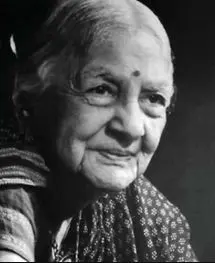
|
1966
|
Kamaladevi Chattopadhyaya
|
India
|
Indian freedom fighter, social reformer, arts revivalist
|
|
|
Independence activist and socialist leader who later devoted herself to reviving Indian handicrafts, handlooms, and theatre, helping found institutions like the Sangeet Natak Akademi and National School of Drama to uplift artisans and women's socio-economic standing. Won the 1966 Magsaysay Award for Community Leadership.
|
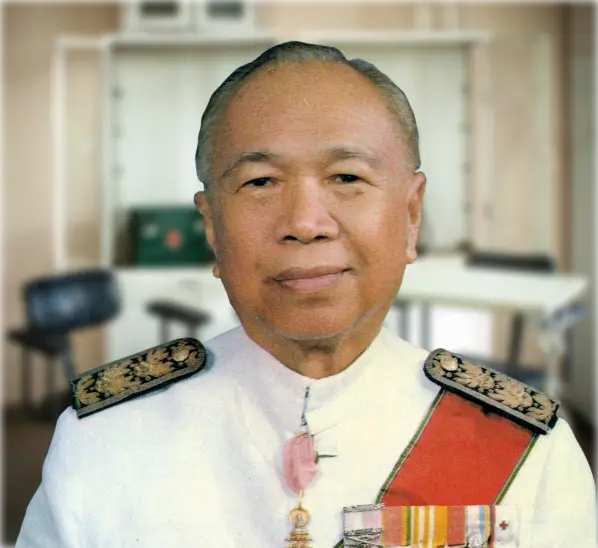
|
1966
|
Phon Sangsingkeo
|
Thailand
|
Thai physician, psychiatrist; regarded as father of modern Thai psychiatry
|
|
|
Pioneered humane, holistic treatment of mental illness in Thailand, championing the principle of treating the person as a person amid rapid modernization. Won the 1966 Magsaysay Award for Government Service for transforming mental healthcare delivery and research on factors underlying community well-being.
|
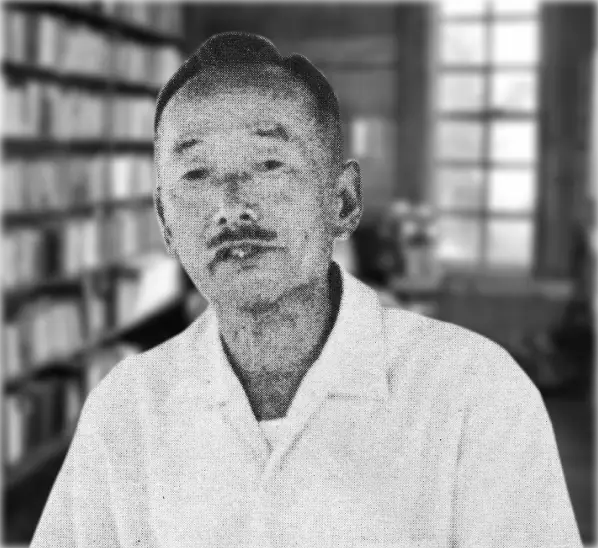
|
1966
|
Kim Yong-ki
|
South Korea
|
South Korean agrarian-movement leader, Christian philosopher
|
|
|
A pioneer of waste-land cultivation and rural reform, considered one of the founding fathers of South Korea's New Community Movement (Saemaul Undong), the basis of the country's modernization. Won the 1966 Magsaysay Award for Public Service for his decades of work reclaiming barren land and building model farming communities.
|
|
1966
|
Committee for Coordination of Investigations of the Lower Mekong Basin and Cooperating Entities
|
Cambodia
|
Intergovernmental river-basin development committee (Cambodia, Laos, Thailand, Vietnam)
|
|
|
Established under UN auspices to coordinate development of the Mekong River for irrigation, hydropower, navigation and fisheries. Won the 1966 Magsaysay Award for International Understanding for transcending regional political tensions, producing a basin-wide development plan and securing over $105 million in assistance from 21 countries and UN agencies, a triumph of reason in cooperative development.
|
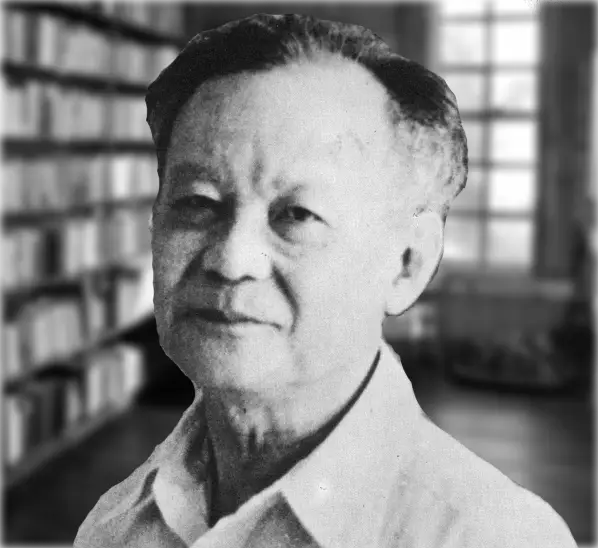
|
1965
|
Puey Ungphakorn
|
Thailand
|
Thai economist; Governor of the Bank of Thailand, Rector of Thammasat University
|
|
|
Influential technocrat who modernized Thailand's central bank and later championed democratic reform and human rights as a public intellectual. Won the 1965 Magsaysay Award for Government Service, which enhanced his stature and influence with Thailand's political leadership during his long tenure steering the country's monetary policy.
|
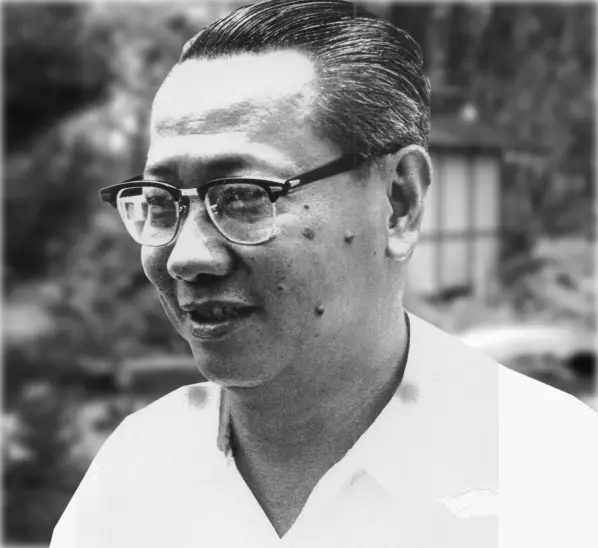
|
1965
|
Lim Kim San
|
Singapore
|
Singaporean businessman, civil servant, Cabinet minister
|
|
|
As founding Chairman of Singapore's Housing & Development Board (1960) and later Minister of National Development, he led a housing program that built roughly 60,000 low-cost apartments in five years, a new unit every 45 minutes, replacing slums with planned communities. Won the 1965 Magsaysay Award for Community Leadership for housing a fifth of Singapore's population.
|
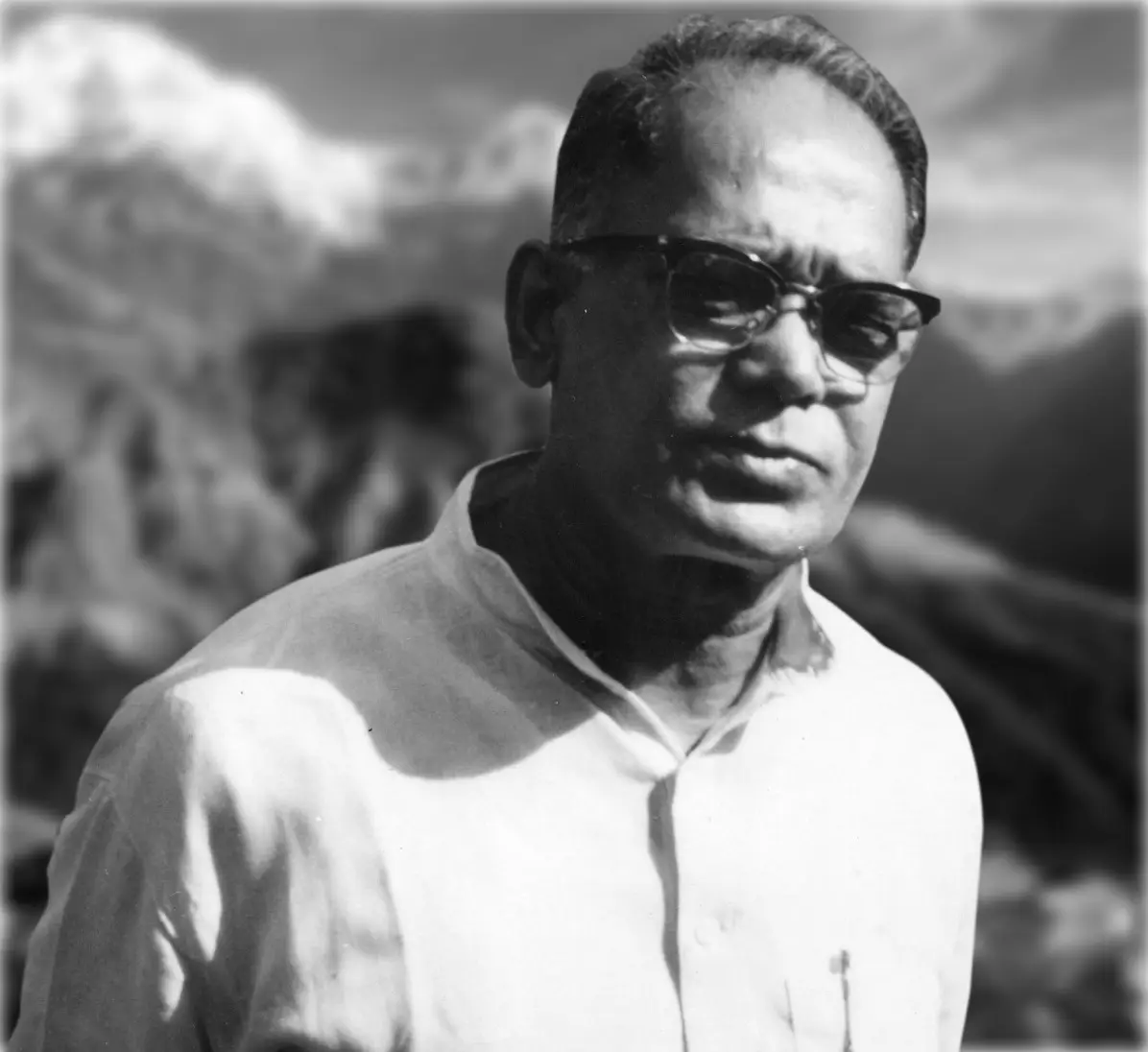
|
1965
|
Jayaprakash Narayan
|
India
|
Indian independence activist, social and political reformer
|
|
|
A leading freedom-movement figure who later championed Gandhian Sarvodaya and panchayat raj (village self-governance), promoting nonviolent social transformation. He later led the 1974-75 Total Revolution movement against Indira Gandhi's government. Won the 1965 Magsaysay Award for Public Service for his constructive articulation of a public conscience for modern India.
|

|
1965
|
Bayanihan Folk Arts Center
|
Philippines
|
Folk-dance company and cultural research/preservation center (Philippines)
|
|
|
Revived and choreographed Philippine folk dances for global audiences, touring five continents to showcase Filipino culture. Won the 1965 Magsaysay Award for International Understanding for its warm and artistic portrayal of the Filipino people, embodying the bayanihan (communal cooperation) spirit through superior choreography, music, and staging that bridged national identity with international goodwill.
|
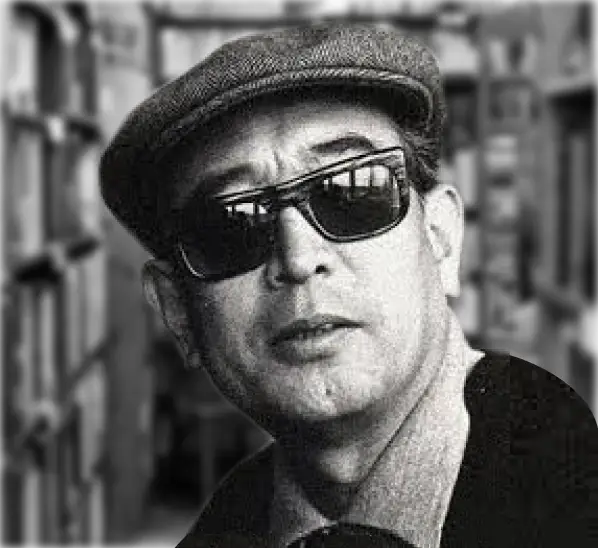
|
1965
|
Akira Kurosawa
|
Japan
|
Japanese film director, screenwriter
|
|
|
One of the most influential filmmakers in cinema history, director of Rashomon, Seven Samurai, and Ikiru. Won the 1965 Magsaysay Award for Journalism, Literature and Creative Communication Arts for his perceptive use of film to probe the moral dilemma of man amid mid-20th-century upheaval, exemplified by Rashomon's 1951 Venice Film Festival Grand Prix win.
|
|
1964
|
Yukiharu Miki
|
Japan
|
Japanese physician and politician; Governor of Okayama Prefecture
|
|
|
A medical doctor who authored Japan's first Tuberculosis Prevention Law before serving as Governor of Okayama (1951-1964), where he reclaimed 27.7 million square meters of land at Mizushima to create a major industrial port, attracted 20 manufacturers, and doubled per-capita income in five years. Won the 1964 Magsaysay Award for Government Service; he attended the Manila ceremony shortly before his death.
|
|
1964
|
Welthy Honsinger Fisher
|
United States, India
|
Educator and literacy activist
|
|
|
American Methodist educator and missionary who spent decades in China and India. In 1953 she founded Literacy House near Lucknow, India, pioneering functional literacy methods that combined reading instruction with vocational and community development training. She won the 1964 Ramon Magsaysay Award for Peace and International Understanding for her lifelong crusade against illiteracy, which influenced India's national village literacy programs.
|
|
1964
|
Richard Garrett Wilson
|
Hong Kong
|
Journalist, editor, and author
|
|
|
British journalist who edited the Far Eastern Economic Review in Hong Kong (1958-1964) and later The China Quarterly (1975-1980), authoring some 20 books on Asian affairs, especially China. He shared the 1964 Ramon Magsaysay Award for Journalism, Literature, and Creative Communication Arts with Kayser Sung, cited for accuracy, impartiality, and insight in reporting Asia's economic development.
|
|
1964
|
Pablo Torres Tapia
|
Philippines
|
Lawyer and banker
|
|
|
Filipino lawyer and rural banker who founded a rural bank providing agricultural credit and organized the Tanauan Farmers Marketing Cooperative (FACOMA), educating farmers in modern techniques and cooperative marketing. He won the 1964 Ramon Magsaysay Award for Community Leadership for his pioneering work strengthening rural credit and marketing institutions that improved Filipino farmers' economic self-sufficiency.
|
|
1964
|
Kayser Sung
|
China, Hong Kong
|
Journalist and publisher
|
|
|
Hong Kong-based journalist who worked for Reuters (1947-1957) and became Publisher/Managing Editor of the Far Eastern Economic Review (1959-1968), later founding Textile Asia magazine (1970), which he led for 40 years. He shared the 1964 Ramon Magsaysay Award for Journalism with Richard Wilson, honored for accuracy and rigorous research in documenting Asia's economic advance.
|
|
1964
|
Augustine Nguyen Lac Hoa
|
Vietnam
|
Catholic priest and militia leader
|
|
|
Chinese-Vietnamese Catholic priest known as the "fighting priest" who founded Binh Hung village in the Ca Mau Peninsula and led the "Sea Swallows" militia defending over 18,000 residents against Viet Cong insurgents. He won the 1964 Ramon Magsaysay Award for Public Service, cited for extraordinary valor in defense of freedom.
|
|
1963
|
|
India
|
Dairy engineer and cooperative-movement social entrepreneur
|
|
|
Known as the Father of the White Revolution, Kurien built Amul (Kaira District Cooperative) into a national dairy cooperative model and later chaired the National Dairy Development Board, making India the world's largest milk producer. He shared the 1963 Ramon Magsaysay Award for Community Leadership with Tribhuvandas Patel and Dara Khurody for transforming India's dairy industry through farmer cooperatives and received the World Food Prize in 1989.
|
|
1963
|
|
India
|
Civil servant and dairy industry administrator
|
|
|
As Milk Commissioner of Bombay (1946-1952), Khurody pioneered toned milk to make dairy affordable for the poor and led development of the Aarey Milk Colony and Worli Dairy, then the world's largest milk-processing unit. He shared the 1963 Ramon Magsaysay Award for Community Leadership with Kurien and Patel for modernizing India's dairy supply and nutrition access.
|
|
1963
|
Tribhovandas Kishibhai Patel
|
India
|
Independence activist, lawyer, and cooperative-movement pioneer
|
|
|
Regarded as the father of India's cooperative movement, Patel founded the Kaira District Cooperative Milk Producers' Union in 1946 (which became Amul) and hired Verghese Kurien in 1950 to develop it. He co-founded the Gujarat Cooperative Milk Marketing Federation and NDDB. He shared the 1963 Ramon Magsaysay Award for Community Leadership for pioneering the dairy cooperative model that transformed rural India.
|

|
1963
|
U.S. Peace Corps in Asia
|
South Asia
|
American government volunteer service organization
|
|
|
A U.S. federal volunteer program sending Americans to serve in health, education, agriculture, and infrastructure roles under local leadership across roughly 12 Asian countries by 1963, with about 1,400 volunteers. It won the 1963 Ramon Magsaysay Award for Peace and International Understanding, recognized for demonstrating the essential community of interest of all ordinary people through grassroots cooperation.
|
|
1963
|
Helen Kim
|
South Korea
|
Educator, feminist, and civic leader
|
|
|
The first Korean woman to earn a doctorate (1931), Kim (Kim Hwal-lan) served as president of Ewha Womans University, building it into the world's largest women's university, and founded The Korea Times (1950). She won the 1963 Ramon Magsaysay Award for Public Service, cited for her indomitable role in the emancipation and education of Korean women and sustained civic engagement.
|
|
1963
|
Akhter Hameed Khan
|
Pakistan
|
Social scientist and rural/urban development practitioner
|
|
|
A Pakistani development pioneer who created the Comilla Model (1959) in East Pakistan, an integrated framework of farmer cooperatives, training, and irrigation, and later founded the Orangi Pilot Project (1980), a landmark low-cost sanitation initiative in Karachi's slums. He won the 1963 Ramon Magsaysay Award for Community Leadership for his services to participatory rural development.
|
|
1962
|
Palayil Narayanan
|
Malaysia
|
Trade unionist and labor leader
|
|
|
A Malaysian labor leader of Indian-Malayali descent (P. P. Narayanan) who founded the National Union of Plantation Workers, building it into one of Southeast Asia's largest unions (180,000 members) and later served as President of the International Confederation of Free Trade Unions (1975-1992). He won the 1962 Ramon Magsaysay Award for Public Service for advancing free, democratic trade unionism amid communist insurgency and employer resistance.
|

|
1962
|
Mother Teresa
|
Albania, India
|
Catholic nun and founder of a religious congregation
|
|
|
Albanian-Indian nun who founded the Missionaries of Charity in Calcutta, establishing Nirmal Hriday (a home for the dying) and Shishu Bhavan (for abandoned children), plus clinics for leprosy patients and the poor. She won the 1962 Ramon Magsaysay Award for Peace and International Understanding for her merciful cognizance of the abject poor, decades before her 1979 Nobel Peace Prize.
|
|
1962
|
Lawrence Kadoorie
|
United Kingdom, Hong Kong
|
Industrialist, hotelier, and philanthropist
|
|
|
Hong Kong-born businessman who built the Kadoorie family's utility, hotel (Peninsula Hotels), and industrial interests, and was the first Hong Kong-born person made a life peer (Baron Kadoorie, 1981). With his brother Horace, he won the 1962 Ramon Magsaysay Award for Public Service for co-founding the Kadoorie Agricultural Aid Association, which helped hundreds of thousands of Hong Kong peasants become independent farmers.
|
|
1962
|
Horace Kadoorie
|
United Kingdom, Hong Kong
|
Industrialist, hotelier, and philanthropist
|
|
|
Younger brother of Lawrence Kadoorie, he co-founded the Kadoorie Agricultural Aid Association (1951), providing loans, livestock, and technical support that helped resettle and uplift hundreds of thousands of refugee farmers in rural Hong Kong. He also supported Jewish refugees in Shanghai during WWII. He shared the 1962 Ramon Magsaysay Award for Public Service with Lawrence for this humanitarian agricultural work.
|
|
1962
|
Harley Koesna Poeradiredja
|
Indonesia
|
Indonesian labor union leader (railway workers)
|
|
|
Poeradiredja founded and led the Persatuan Buruh Kereta Api (PBKA), Indonesia's railway workers' union, keeping it independent of political parties. He built worker welfare programs (accident insurance, savings/loans, housing) and cooperative enterprises. He won the 1962 Ramon Magsaysay Award for Community Leadership for championing responsible, free trade unionism in newly independent Indonesia.
|
|
1962
|
Francisca Reyes Aquino
|
Philippines
|
Folk dance researcher, physical educator
|
|
|
Known as the Mother of Philippine Folk Dance, Aquino documented, researched, and taught hundreds of traditional Filipino dances, publishing the pioneering 1926 thesis "Philippine Folk Dances and Games" and popularizing dances like Tinikling and Maglalatik. A University of the Philippines professor for 18 years, she won the 1962 Ramon Magsaysay Award for Government Service and was named National Artist for Dance in 1973.
|
|
1962
|
Chang Chun-Ha
|
South Korea
|
Journalist, independence and democracy activist
|
|
|
A Korean independence fighter turned journalist, Chang founded Sasanggye ("World of Thought") magazine in 1953, creating a nonpartisan intellectual forum during Korea's postwar reconstruction and later a vehicle for democracy advocacy against authoritarian rule. He became the first Korean Ramon Magsaysay awardee, winning the 1962 Journalism, Literature, and Creative Communication Arts award for his editorial integrity and courage.
|
|
1961
|
Raden Kodijat
|
Indonesia
|
Indonesian public health official
|
|
|
Kodijat led Indonesia's Public Health Service in coordinating a massive nationwide campaign against yaws, a debilitating tropical skin disease, examining over 55 million Indonesians and treating more than 12 million cases. He won the 1961 Ramon Magsaysay Award for Public Service for his dedicated and skillful management of this large-scale eradication effort in the young republic.
|
|
1961
|
Nilawan Pintong
|
Thailand
|
Thai editor, writer, feminist activist
|
|
|
Pintong founded Satree Sarn in 1947, Thailand's first women's magazine, which became the country's most widely read publication and championed women's roles in nation-building; she also launched youth and news magazines and community programs for children. In 1961 she became the first Thai recipient of the Ramon Magsaysay Award, honored for giving Thai women a creative new role in national development.
|
|
1961
|
Gus Borgeest
|
United Kingdom, Hong Kong
|
Refugee resettlement organizer/humanitarian
|
|
|
Born in Ningbo, China, Borgeest fled to Hong Kong in 1951 with almost nothing and founded "Sunshine Island," a 200-acre settlement where mainland Chinese refugee families received agricultural training and rebuilt self-sufficient lives rather than relying on handouts. He won the 1961 Ramon Magsaysay Award for Community Leadership for pioneering a dignified, self-help model of refugee resettlement and rehabilitation.
|
|
1961
|
Genevieve Caulfield
|
United Kingdom, Japan, Thailand, Vietnam
|
American educator of the blind
|
|
|
Blind since childhood herself, Caulfield taught English and Braille in Japan before founding the Bangkok School for the Blind in 1938, largely funded from her own savings, and later established a school and rehabilitation center for the blind in Saigon (1956-1960). She won the 1961 Ramon Magsaysay Award for International Understanding for her decades of pioneering work educating blind children across Asia.
|
|
1961
|
Amitabha Chowdhury
|
India
|
Indian investigative journalist (Jugantar)
|
|
|
A prominent Bengali investigative journalist with the newspaper Jugantar, Chowdhury built a reputation for reporting that defended individual rights and exposed issues affecting ordinary communities across India. He won the Ramon Magsaysay Award for Journalism, Literature and Creative Communication Arts for his fearless coverage of civil liberties and grassroots concerns during a formative period of Indian democracy.
|
|
1960
|
Y.C. James Yen
|
Taiwan
|
Chinese educator, mass-literacy and rural-reconstruction pioneer
|
|
|
Yen developed a 1,000-character literacy primer for Chinese laborers in WWI France, then founded the National Association of Mass Education Movements (1923) and the landmark Ding Xian rural reconstruction experiment. He later founded the Philippine Rural Reconstruction Movement (1952) and the International Institute of Rural Reconstruction (1960). He won the 1960 Ramon Magsaysay Award for International Understanding for spreading rural reconstruction methods across Asia.
|
|
1960
|
Tunku Putra Abdul Rahman
|
Malaysia
|
Statesman; first Prime Minister of Malaysia
|
|
|
Known as the Father of Independence (Bapa Kemerdekaan), Tunku Abdul Rahman led Malaya to independence in 1957 as Chief Minister and became Malaysia's first Prime Minister (1957-1970), later engineering the 1963 formation of Malaysia. He won the 1960 Ramon Magsaysay Award for Government Service, recognized for his statesmanship in achieving independence and building a multiracial nation.
|
|
1960
|
Ronald Holland
|
United Kingdom, Pakistan
|
British ophthalmic surgeon (missionary medicine, Pakistan)
|
|
|
Son of Sir Henry Holland, Ronald continued his father's eye-care mission in Baluchistan, Pakistan, becoming expert in treating cataracts and eye infections common among nomadic populations around Quetta and Shikarpur. Using motor vehicles to extend his father's reach, he helped the family achieve a reported 97% surgical success rate. Father and son shared the 1960 Ramon Magsaysay Award for Public Service, having together restored sight to over 150,000 people.
|
|
1960
|
Henry Holland
|
United Kingdom, Pakistan
|
British missionary ophthalmic surgeon
|
|
|
Sir Henry Holland ran mission eye hospitals in Quetta and Shikarpur (North Sind), serving patients across India, Pakistan, and Afghanistan; he pioneered surgical techniques for glaucoma and is credited with saving the sight of over 100,000 people through some 150,000+ operations, including 77,600 cataract extractions. Knighted in 1936, he shared the 1960 Ramon Magsaysay Award for Public Service with his son Ronald.
|
|
1959
|
Dr. Chintaman Dwarkanath Deshmukh
|
India
|
|
|
|
1959
|
Tee Tee Luce
|
Myanmar (Burma)
|
Burmese philanthropist/child-welfare pioneer
|
|
|
A founding member of the Children's Aid and Protection Society, Tee Tee Luce established the Home for Waifs and Strays in Rangoon in 1928, an orphanage and school for destitute boys that eventually served some 6,000 children with UNESCO support. She won the 1959 Ramon Magsaysay Award for Public Service for her decades of work rescuing and educating Burma's abandoned children.
|
|
1959
|
Tarzie Vittachi
|
Sri Lanka
|
Sri Lankan (Ceylonese) journalist and author
|
|
|
Vittachi became the youngest-ever editor, at 32, of the Ceylon Observer, Asia's oldest newspaper, and wrote incisive columns on Ceylonese politics and society. He won the 1959 Ramon Magsaysay Award for Journalism, Literature and Creative Communication Arts for his book "Emergency '58," a landmark account of Ceylon's 1958 race riots. He later directed the International Press Institute's Asia programs.
|
|
1959
|
Jose Vasquez Aguilar
|
Philippines
|
Filipino educator and educational reformer
|
|
|
Aguilar pioneered the Philippine community school movement, emphasizing cooperation among teachers, parents, and communities, and led influential 1948 research showing children learned better when taught in their native Hiligaynon rather than English. As the first-ever Ramon Magsaysay Award recipient (1959, Government Service, shared with Chintaman Deshmukh), he was honored for transformative contributions to Philippine public education.
|
|
1959
|
Joaquin Vilallonga
|
Spain, Philippines
|
Jesuit priest, educator, and missionary
|
|
|
A Spanish-born Jesuit who spent decades in the Philippines, teaching at and later serving as rector of Ateneo Municipal de Manila, where he helped train generations of national leaders. At age 92 he ministered to leprosy patients at the Culion colony, tending to the spiritual and emotional needs of society's outcasts. He won the 1959 Ramon Magsaysay Award for Public Service.
|
|
1959
|
Edward Law Yone
|
Myanmar (Burma)
|
Burmese journalist, newspaper founder, and government official
|
|
|
Founder and editor of The Nation, Burma's leading English-language newspaper and a vigorous defender of civil rights and press freedom. He won the 1959 Ramon Magsaysay Award for Journalism, Literature and Creative Communication Arts, cited for his stewardship of the press's power, rejection of sensationalism, and role in establishing a School of Journalism in Burma to raise reporting standards.
|
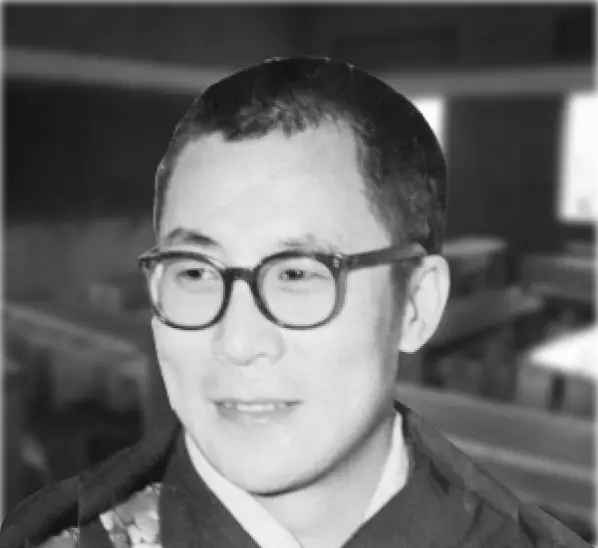
|
1959
|
Dalai Lama
|
Tibet
|
Tibetan Buddhist spiritual leader and former head of state of Tibet
|
|
|
The 14th Dalai Lama, Tenzin Gyatso, recognized as a child as the reincarnation of his predecessor, led Tibet's government until fleeing into exile in India in 1959 amid Chinese rule. He has since been a global advocate for Tibetan autonomy, nonviolence, and interfaith dialogue. He won the 1959 Ramon Magsaysay Award for Community Leadership, honoring his moral and spiritual leadership of the Tibetan people during a time of crisis.
|
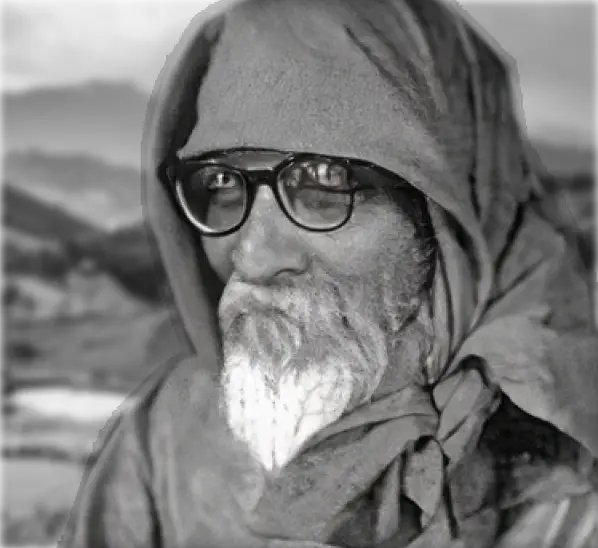
|
1958
|
Acharya Vinoba Bhave
|
India
|
Indian social reformer, philosopher, and advocate of nonviolence
|
|
|
A close associate of Mahatma Gandhi, Bhave founded the Bhoodan ("land-gift") movement, walking across India to persuade wealthy landowners to voluntarily donate land to the poor and landless. He became the first-ever recipient of the Ramon Magsaysay Award for Community Leadership in 1958, honored for pioneering this grassroots, nonviolent approach to land reform and social transformation.
|
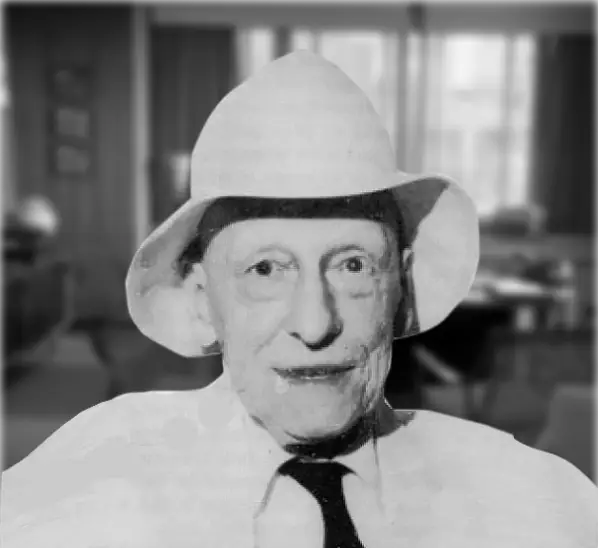
|
1958
|
Robert McCulloch Dick
|
United Kingdom, Philippines
|
Scottish-Filipino journalist, editor, and publisher
|
|
|
A Scottish emigrant who became a naturalized fixture of Philippine journalism, founding the Philippines Free Press in 1908 and editing it for over 50 years. He coined the phrase "Juan de la Cruz" as a generic term for the Filipino everyman. He shared the inaugural 1958 Ramon Magsaysay Award for Journalism, Literature and Creative Communication Arts with Mochtar Lubis.
|
|
1958
|
Operation Brotherhood
|
Philippines
|
Civic/medical humanitarian relief organization, originating from the Philippine Junior Chamber of Commerce
|
|
|
A volunteer medical and relief corps of Filipino doctors, nurses, and civic leaders who traveled to Vietnam to aid tens of thousands of refugees and wounded fleeing conflict near Saigon and Cholon. It won the inaugural 1958 Ramon Magsaysay Award for Peace and International Understanding, recognized for embodying the brotherhood of man that transcends the sovereignty of nations through selfless cross-border humanitarian service.
|
|
1958
|
Mochtar Lubis
|
Indonesia
|
Indonesian journalist, novelist, and press freedom advocate
|
|
|
A prominent Indonesian editor and writer known for founding influential publications and for his outspoken criticism of government censorship, which led to periods of imprisonment. He shared the inaugural 1958 Ramon Magsaysay Award for Journalism, Literature and Creative Communication Arts with Robert McCulloch Dick. Notably, he returned the award in 1996 in protest of leftist author Pramoedya Ananta Toer receiving it.
|
|
1958
|
Mary Rutnam
|
Canada, Sri Lanka
|
Canadian-born physician, gynaecologist, and women's rights pioneer in Sri Lanka
|
|
|
A Canadian doctor who emigrated to Ceylon after marrying a Ceylonese lawyer, she spent over six decades applying her medical knowledge and social vision to improve the lives of Ceylonese women and villagers, notably introducing women's institutes that transformed the status of rural women. She won the 1958 Ramon Magsaysay Award for Public Service for her humanitarian work and lifelong dedication to uplifting the less fortunate.
|
|
1958
|
Chiang Mon-Lin
|
China
|
Chinese/Taiwanese educator, writer, and government administrator
|
|
|
A leading Chinese educator who served as President of Peking University (1919-1927) and later held major government posts including Minister of Education. After 1949 he chaired the Sino-American Joint Commission on Rural Reconstruction (JCRR) in Taiwan. He was the first recipient of the Ramon Magsaysay Award for Government Service in 1958, honored for his humanitarian leadership in dramatically improving rural life through land reform and agricultural progress.
|