|
23 October 2024
|
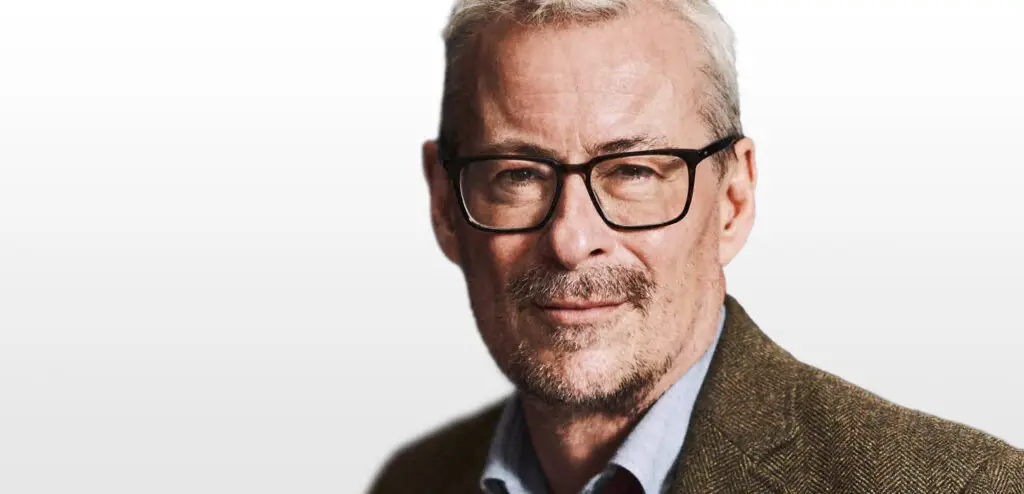
Eske Willerslev
|
male
|
Evolutionary Biology
|
Canada
|
|
|
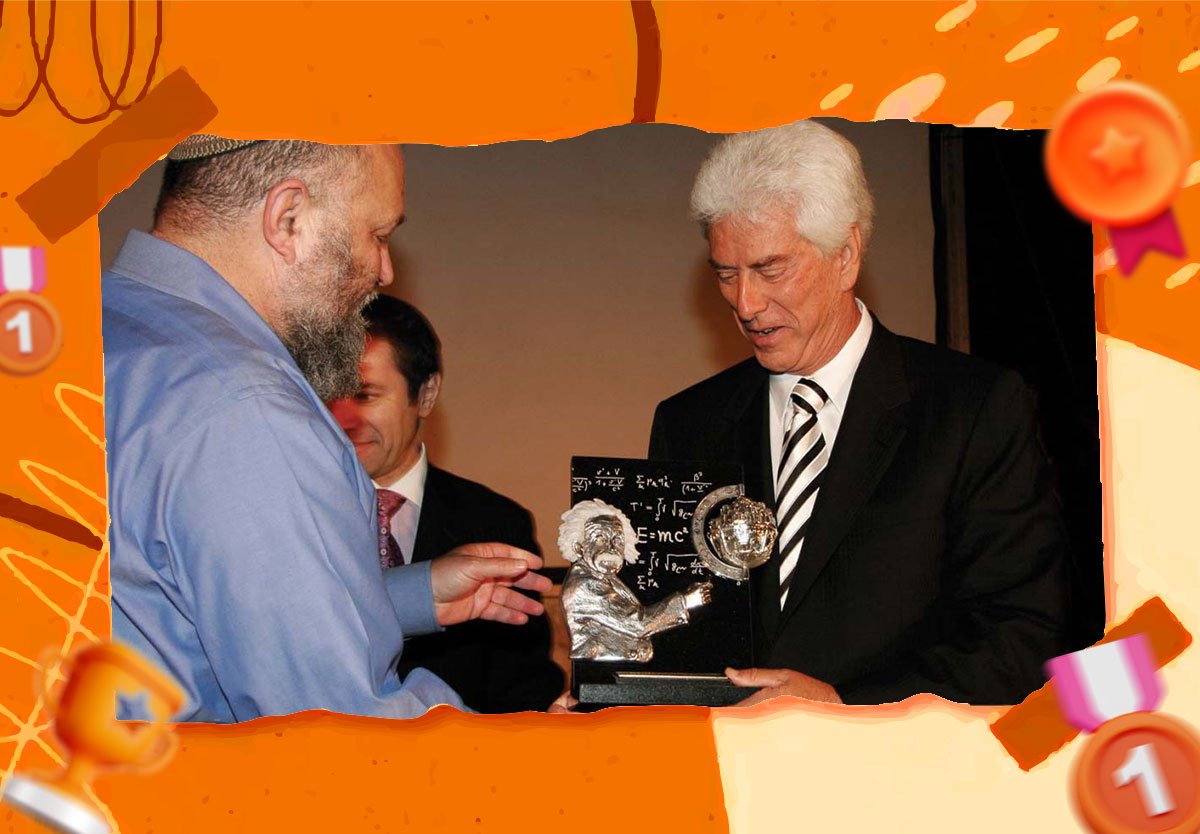
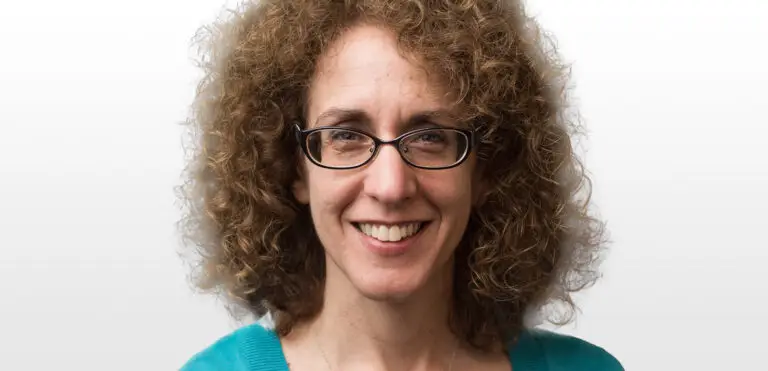
Danish evolutionary geneticist, professor at the University of Cambridge and University of Copenhagen, and director of the Centre of Excellence in GeoGenetics. A pioneer of ancient DNA research, he sequenced the first complete ancient human genome and the oldest sequenced genome (a 700,000-year-old horse), and traced Native American ancestry to 'Ancient Beringians.' Received the Albert Einstein World Award of Science in 2024.
|
|
03 November 2023
|
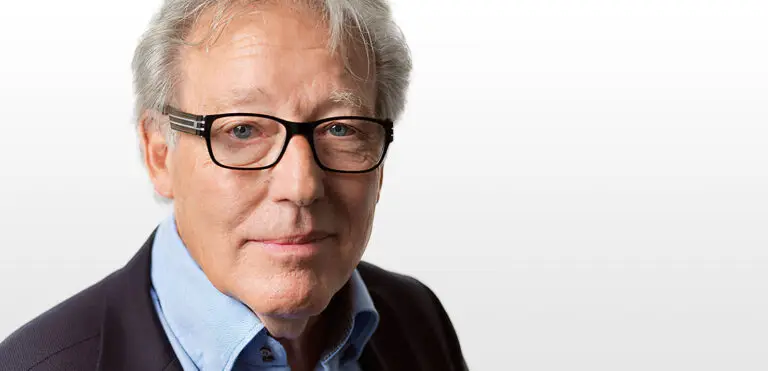
Christoph Gerber
|
male
|
Nanoscale Science
|
Finland
|
|
|
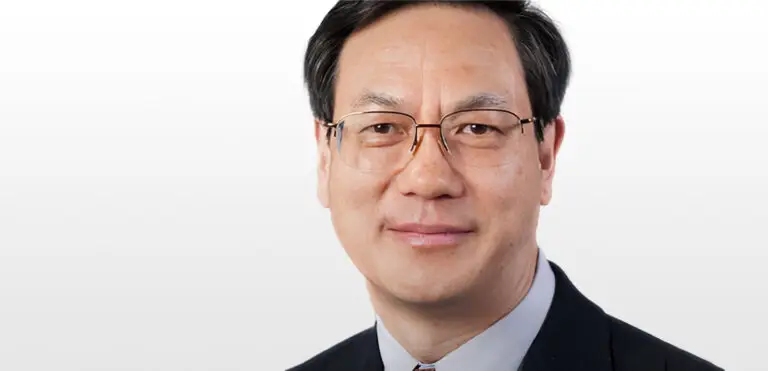
Swiss physicist at the University of Basel and former IBM Zurich researcher, co-inventor (with Gerd Binnig and Calvin Quate) of the atomic force microscope (AFM), described in their landmark 1986 paper. His work opened nanoscale imaging and manipulation across physics, chemistry, and biology. Shared the 2016 Kavli Prize in Nanoscience and received the Albert Einstein World Award of Science in 2023.
|
|
29 November 2022
|
Victoria Kaspi
|
female
|
Astrophysics
|
Portugal
|
|
|
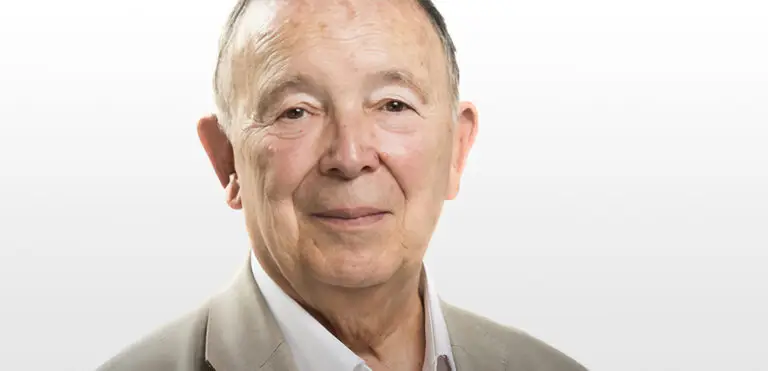
Canadian astrophysicist, Lorne Trottier Professor at McGill University and founding director of the McGill Space Institute. Known for research linking magnetars and soft gamma repeaters, co-discovery of the fastest-spinning known pulsar, and leadership of the CHIME/FRB project detecting fast radio bursts. First woman to win Canada's Herzberg Medal. Received the Albert Einstein World Award of Science in 2022.
|
|
04 October 2019
|
Zhong Lin Wang
|
male
|
Nanoenergy
|
Japan
|
|
|
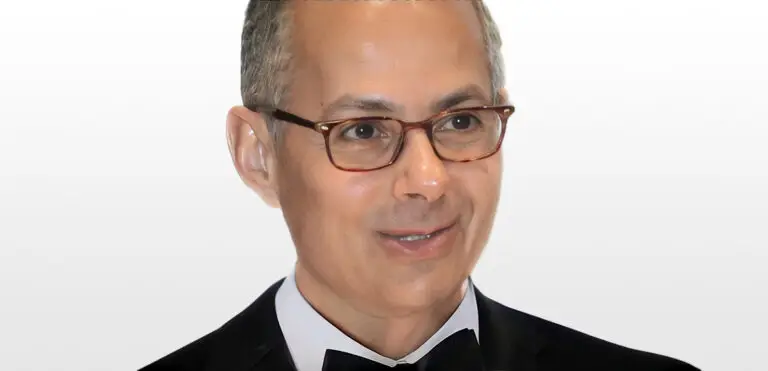
Chinese-American materials scientist, formerly Regents' Professor at Georgia Tech and now Chief Scientist at the Beijing Institute of Nanoenergy and Nanosystems. Known as the 'father of nanogenerators,' he pioneered triboelectric and piezoelectric nanogenerators, piezotronics, and piezo-phototronics for self-powered sensors and energy harvesting. Received the Albert Einstein World Award of Science in 2019.
|
|
08 November 2018
|
Jean-Pierre Changeux
|
male
|
Neuroscience
|
China
|
|
|
French neuroscientist at the Institut Pasteur and College de France (professor of Cell Communications, 1975-2006). First isolated and purified the nicotinic acetylcholine receptor, developed the MWC model of allosteric proteins (with Monod and Wyman), and advanced theories of synapse selection and the neurobiology of consciousness. Received the Albert Einstein World Award of Science in 2018.
|
|
08 November 2017
|
Omar M. Yaghi
|
male
|
Chemistry
|
Netherlands
|
|
|
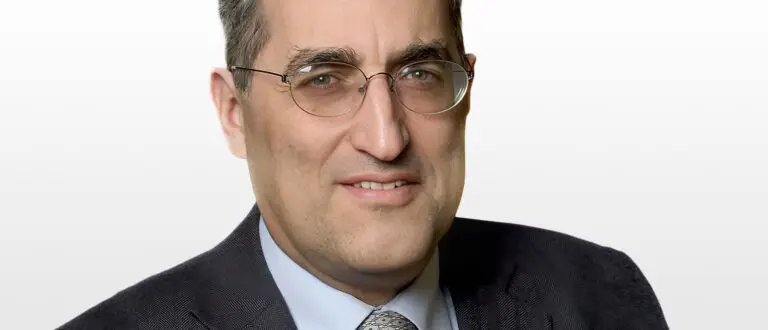
Jordanian-American chemist, University Professor at UC Berkeley, who founded the field of reticular chemistry, creating metal-organic frameworks (MOFs), covalent organic frameworks (COFs), and zeolitic imidazolate frameworks (ZIFs) with applications in gas storage, carbon capture, and atmospheric water harvesting. Won the 2025 Nobel Prize in Chemistry. Received the Albert Einstein World Award of Science in 2017.
|
|
14 October 2016
|
|
male
|
Physics
|
Latvia
|
|
|
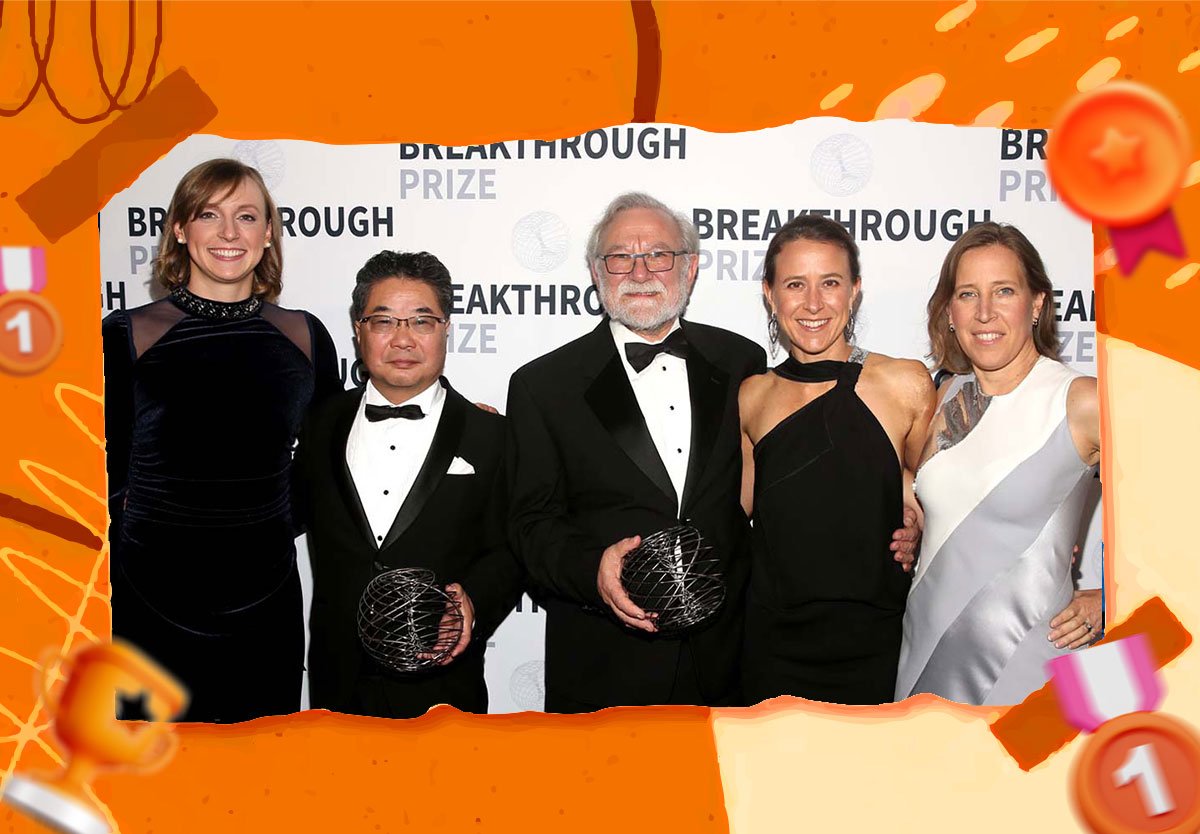
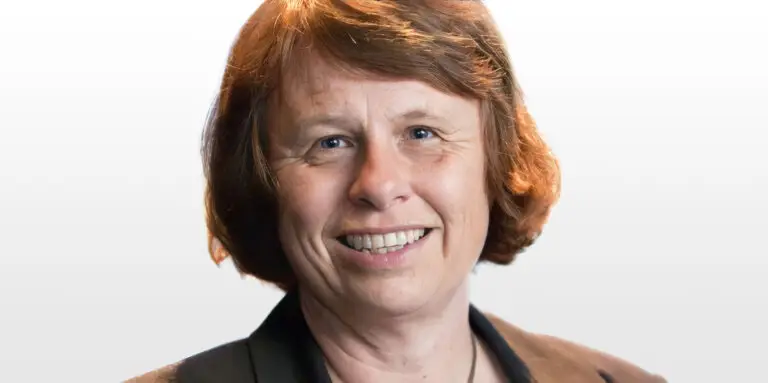
Edward Witten won the Breakthrough Prize in Fundamental Physics For contributions to physics spanning topics such as new applications of topology to physics, non-perturbative duality symmetries, models of particle physics derived from string theory, dark matter detection, and the twistor-string approach to particle scattering amplitudes, as well as numerous applications of quantum field theory to mathematics. First physicist awarded the Fields Medal (1990). Received the Albert Einstein World Award of Science in 2016.
|
|
19 November 2015
|
Ewine van Dishoeck
|
female
|
Astrophysics
|
United Kingdom
|
|
|
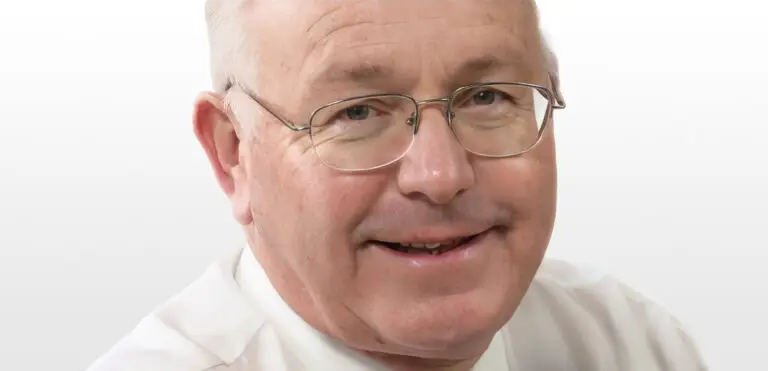
Dutch astronomer, Professor of Molecular Astrophysics at Leiden Observatory, widely regarded as a founder of modern astrochemistry through study of molecule formation in interstellar clouds and star- and planet-forming regions. Served as President of the International Astronomical Union (2018-2021). Won the 2018 Kavli Prize in Astrophysics and the Albert Einstein World Award of Science in 2015.
|
|
17 November 2014
|
Philip Cohen
|
male
|
Enzymology
|
Finland
|
|
|
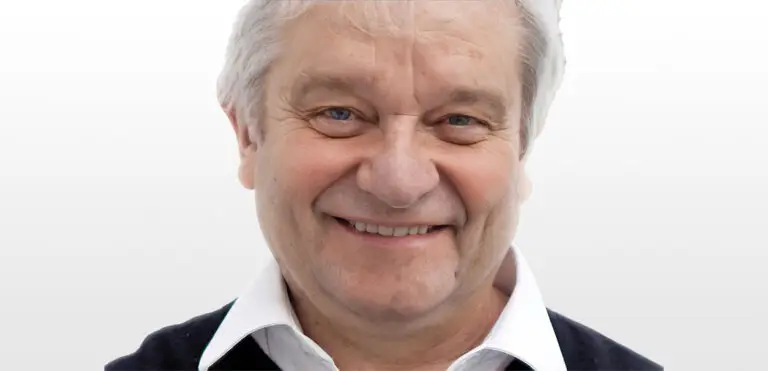
British biochemist, Research Professor at the University of Dundee and former Director of the MRC Protein Phosphorylation Unit. His work established how reversible protein phosphorylation regulates insulin signaling and cellular processes, and his kinase-inhibitor panels became standard drug-discovery tools. Knighted in 1998. Received the Albert Einstein World Award of Science in 2014.
|
|
02 October 2013
|
Paul Nurse
|
male
|
Genetics
|
Singapore
|
|
|
British geneticist, former Director of the Francis Crick Institute and past President of the Royal Society and Rockefeller University. Discovered the cdc2/Cdk1 gene controlling cell-cycle progression, foundational to understanding cell division. Shared the 2001 Nobel Prize in Physiology or Medicine with Leland Hartwell and Tim Hunt. Received the Albert Einstein World Award of Science in 2013.
|
|
18 April 2012
|
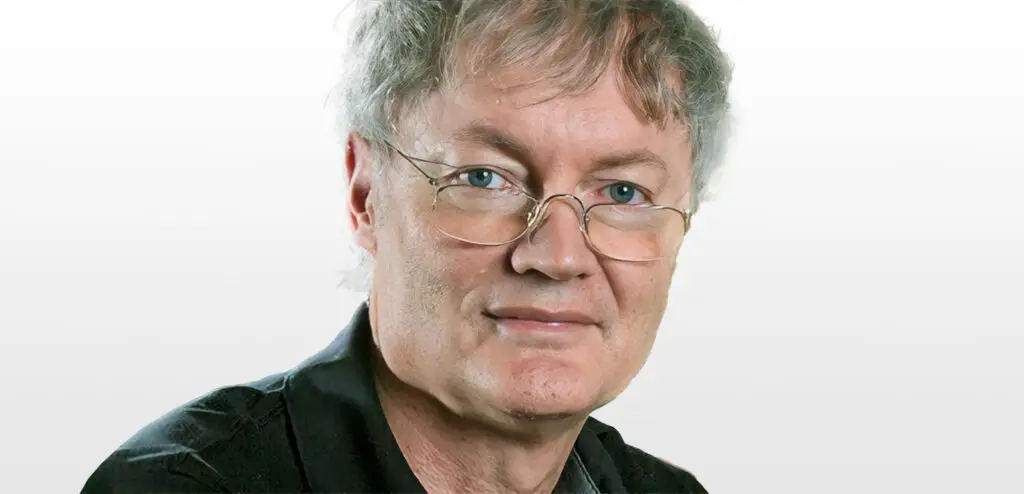
Michael Grätzel
|
male
|
Solar energy
|
Denmark
|
|
|
Swiss-based chemist at EPFL (Ecole Polytechnique Federale de Lausanne), co-inventor of the dye-sensitized 'Gratzel cell' solar cell (with Brian O'Regan, 1988), dubbed the 'father of artificial photosynthesis.' Author of 1,000+ papers and holder of 80+ patents. Won the Albert Einstein World Award of Science in 2012, plus the Millennium Technology Prize (2010) and Faraday Medal.
|
|
10 November 2011
|
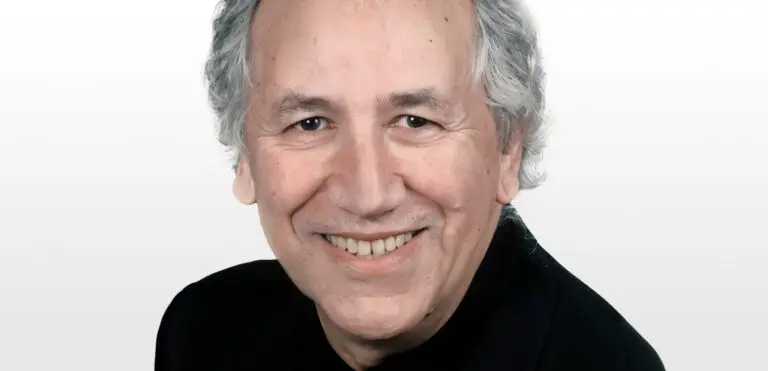
Geoffrey Ozin
|
male
|
Nanochemistry
|
Estonia
|
|
|
British-Canadian chemist, Distinguished University Professor at the University of Toronto and Canada Research Chair in Materials Chemistry, regarded as a founder of the field of nanochemistry. Co-founded several spin-off companies (Torrovap, Opalux, Solistra) and holds honors including the Rutherford Medal and Humboldt Prize. Received the Albert Einstein World Award of Science in 2011.
|
|
08 December 2010
|
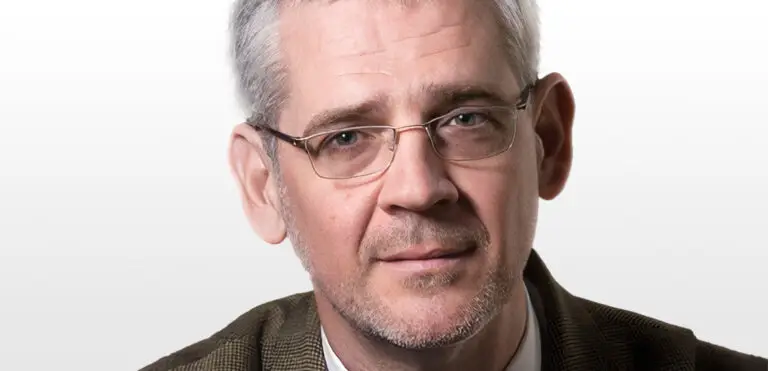
Julio Montaner
|
male
|
Biomedicine
|
Mexico
|
|
|
Argentine-Canadian physician, director of the BC Centre for Excellence in HIV/AIDS and professor at the University of British Columbia. A pioneer of HAART (highly active antiretroviral therapy) and the 'Treatment as Prevention' strategy, showing widespread HIV treatment sharply reduces transmission. Past president of the International AIDS Society. Received the Albert Einstein World Award of Science in 2010.
|
|
25 November 2009
|
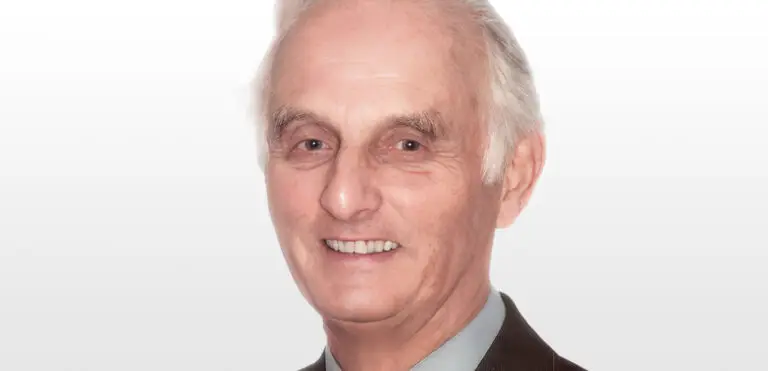
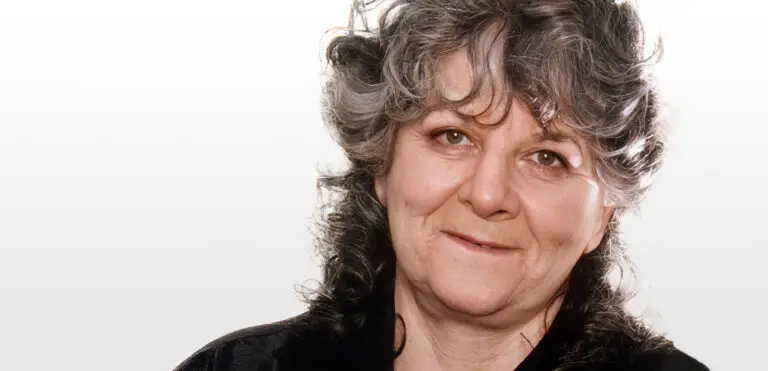
John T. Houghton
|
male
|
Environmental Research
|
Belgium
|
|
|
British scientist, former Director-General of the UK Met Office and founder of the Hadley Centre for Climate Prediction. Co-chaired the IPCC's scientific working group and was lead editor of its first three assessment reports, contributing to the IPCC's shared 2007 Nobel Peace Prize. Knighted in 1991. Received the Albert Einstein World Award of Science in 2009.
|
|
11 November 2008
|
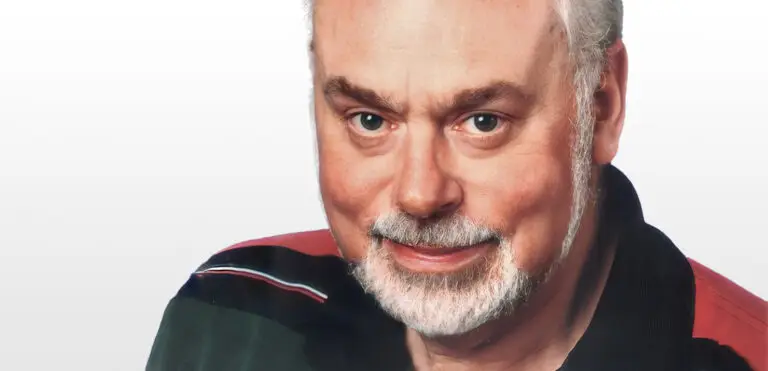
Ada Yonath
|
female
|
Crystallography
|
United States
|
|
|
Israeli crystallographer at the Weizmann Institute of Science who pioneered ribosomal crystallography, determining high-resolution structures of ribosomal subunits and elucidating how many antibiotics target the ribosome. First Israeli woman Nobel laureate, sharing the 2009 Nobel Prize in Chemistry with Thomas Steitz and Venkatraman Ramakrishnan. Received the Albert Einstein World Award of Science in 2008; died August 31, 2026.
|
|
24 November 2007
|
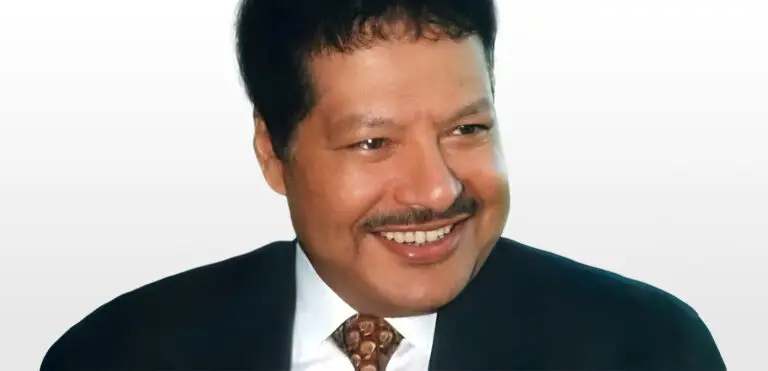
J. Fraser Stoddart
|
male
|
Chemistry
|
Mexico
|
|
|
British-American chemist (Northwestern University) who pioneered mechanically interlocked molecular architectures, including rotaxanes, catenanes, and molecular Borromean rings, enabling synthetic molecular machines and switches. Shared the 2016 Nobel Prize in Chemistry with Jean-Pierre Sauvage and Bernard Feringa. Knighted in 2007. Received the Albert Einstein World Award of Science in 2007; died December 30, 2024.
|
|
28 October 2006
|
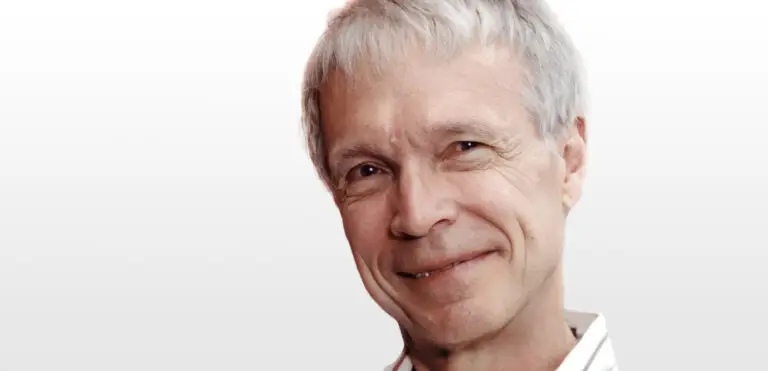
Ahmed Zewail
|
male
|
Femtochemistry
|
Mexico
|
|
|
Egyptian-American chemist at Caltech, known as the 'father of femtochemistry' for developing techniques to observe chemical reactions on femtosecond timescales using ultrafast lasers. Won the 1999 Nobel Prize in Chemistry, the first Arab and Egyptian Nobel laureate in science. Received the Albert Einstein World Award of Science in 2006 and served as a US science envoy to the Middle East.
|
|
12 November 2005
|
John Hopfield
|
male
|
Life Sciences
|
Mexico
|
|
|
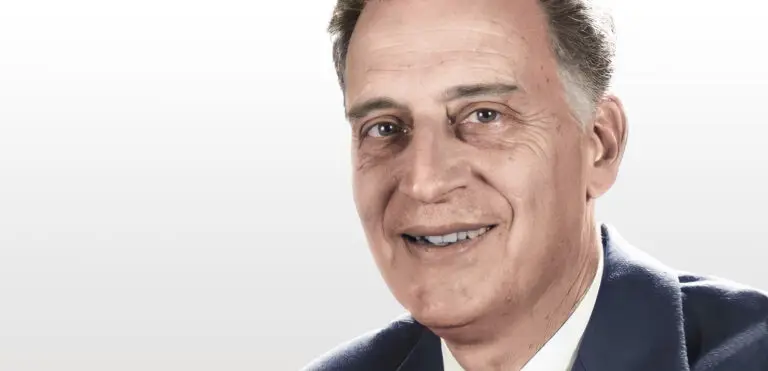
American physicist, Emeritus Professor at Princeton, best known for inventing the Hopfield network (1982), a foundational associative-memory neural network model, and for the kinetic proofreading concept in biochemistry. Shared the 2024 Nobel Prize in Physics with Geoffrey Hinton for foundational work enabling machine learning with artificial neural networks. Received the Albert Einstein World Award of Science in 2005.
|
|
08 November 2004
|
Ralph J. Cicerone
|
male
|
Atmospheric Chemistry
|
Belgium
|
|
|
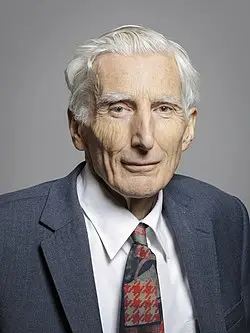
American atmospheric scientist known for research on stratospheric ozone depletion and greenhouse gases, cited in F. Sherwood Rowland's 1995 Nobel Prize work. Served as Chancellor of UC Irvine (1998-2005) and President of the U.S. National Academy of Sciences (2005-2016), and was an early, prominent voice warning of climate-change risks. Received the Albert Einstein World Award of Science in 2004.
|
|
17 November 2003
|
Martin Rees (The Lord Rees of Ludlow OM Kt HonFREng FRS)
|
male
|
Astrophysics
|
Finland
|
|
|
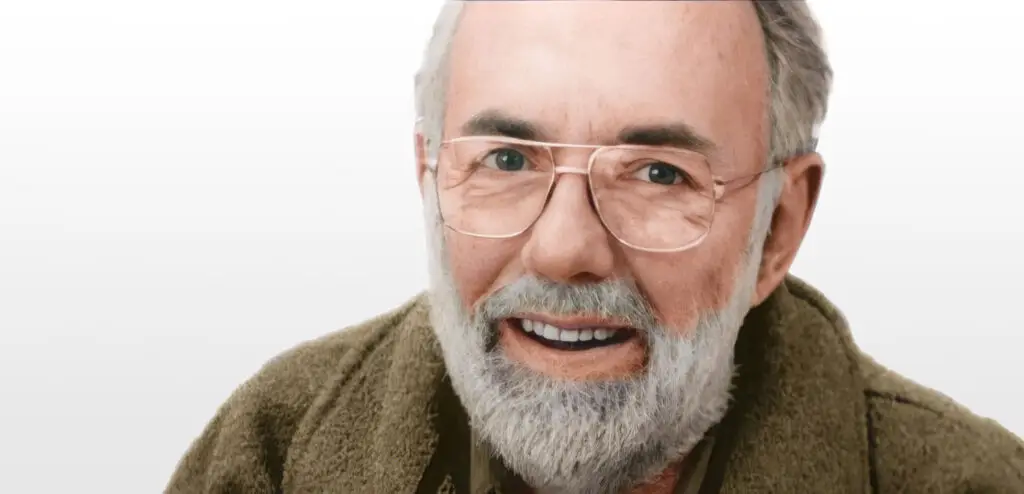
British cosmologist and astrophysicist, the UK's 15th Astronomer Royal (1995-2025), former Master of Trinity College, Cambridge, and President of the Royal Society (2005-2010). Known for foundational work on black holes, quasars, galaxy formation, and existential risk (co-founded Cambridge's Centre for the Study of Existential Risk). Made a life peer as Baron Rees of Ludlow in 2005. Received the Albert Einstein World Award of Science in 2003.
|
|
14 November 2002
|
Daniel H. Janzen
|
male
|
Biology
|
Ireland
|
|
|
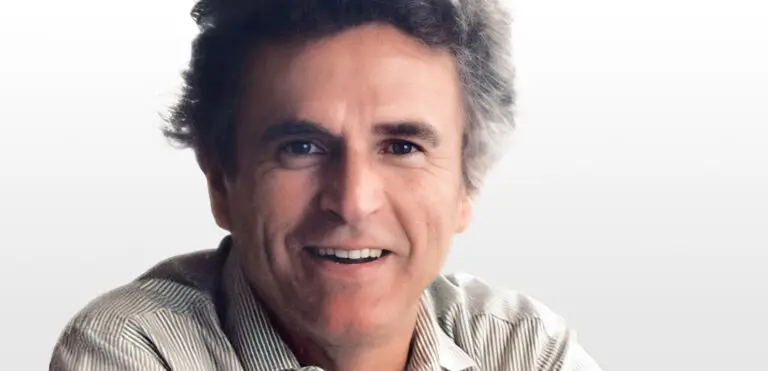
Janzen is a leading tropical ecologist known for the Janzen-Connell hypothesis on tropical tree diversity, pioneering DNA barcoding of species, and coining 'parataxonomy.' He led restoration of Costa Rica's Area de Conservacion Guanacaste. A DiMauro Professor at the University of Pennsylvania, he won the Crafoord Prize (1984), a MacArthur Fellowship, and the Albert Einstein World Award of Science in 2002.
|
|
21 November 2001
|
Niels Birbaumer
|
male
|
Neurobiology
|
Netherlands
|
|
|
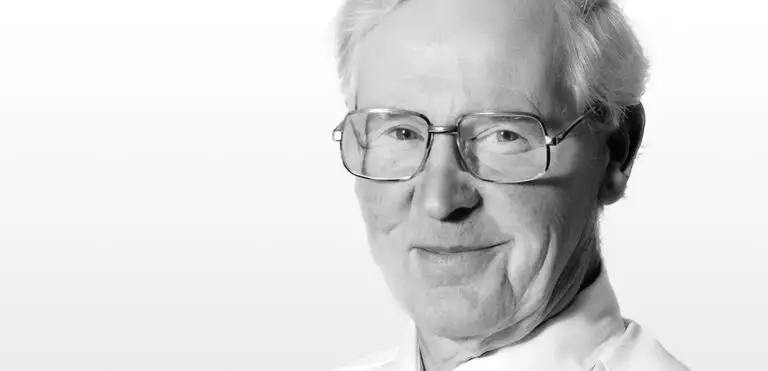
Birbaumer, professor of medical psychology and behavioral neurobiology at the University of Tubingen, pioneered brain-computer interface technology allowing paralyzed and locked-in patients to communicate via self-regulated brain signals, including a landmark 1999 Nature 'spelling device' study. He received the Albert Einstein World Award of Science in 2001. His later work faced a research-integrity controversy investigated by the German Research Foundation.
|
|
01 November 2000
|
Frank Fenner
|
male
|
Biology
|
South Africa
|
|
|
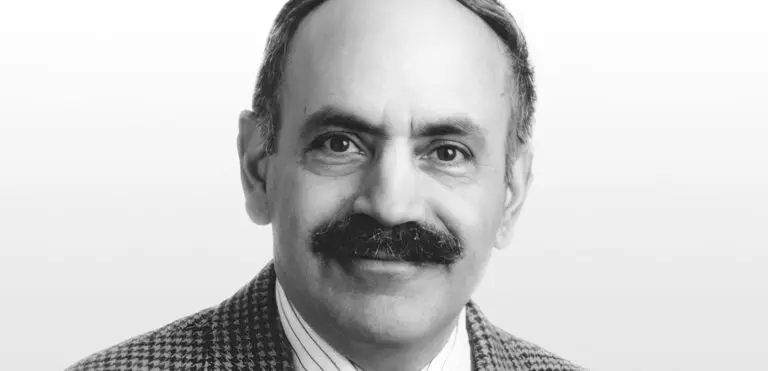
Fenner, an Australian virologist, chaired the WHO commission that certified global smallpox eradication, announced to the World Health Assembly on May 8, 1980. He also studied myxoma virus control of Australia's rabbit plague. Director of the John Curtin School of Medical Research at ANU, he received the Copley Medal, Japan Prize, and the Albert Einstein World Award of Science in 2000.
|
|
11 November 1999
|
|
male
|
Medical Sciences
|
Norway
|
|
|
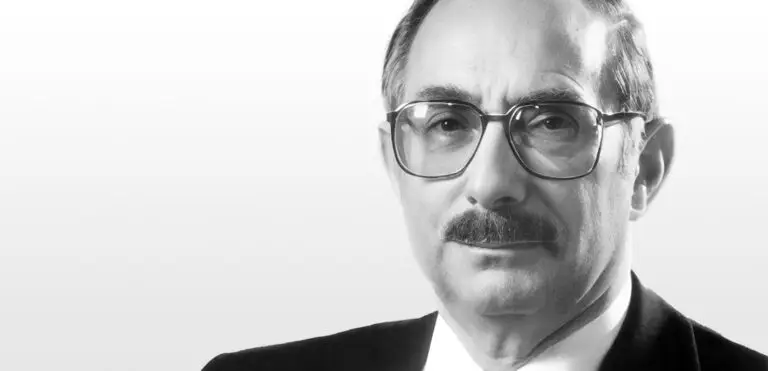
Robert Weinberg won the Breakthrough Life Sciences for characterization of human cancer genes. Weinberg, a founding member of the Whitehead Institute and Daniel K. Ludwig Professor at MIT, discovered the first human oncogene (Ras) and the first tumor suppressor gene (Rb), and co-authored the influential 'Hallmarks of Cancer' papers. His work reshaped understanding of cancer genetics. He received the Albert Einstein World Award of Science in 1999, the Wolf Prize (2004), and the Breakthrough Prize (2013).
|
|
19 November 1998
|
Charles R. Goldman
|
male
|
Environmental Sciences
|
New Zealand
|
|
|
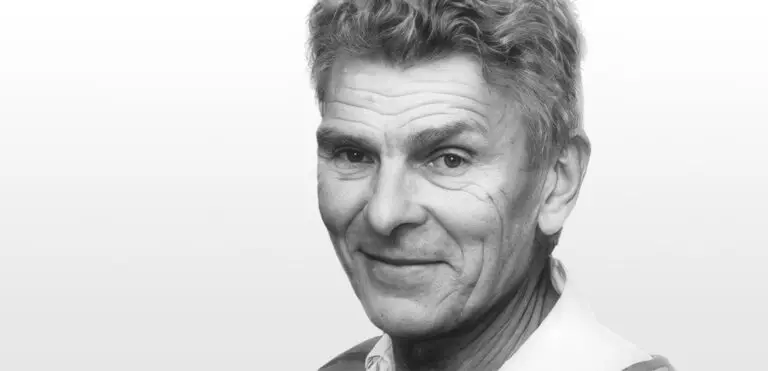
Goldman, Distinguished Professor Emeritus at UC Davis, founded the Tahoe Research Group (now Tahoe Environmental Research Center) and conducted over five decades of research on Lake Tahoe and Castle Lake, becoming a leading authority on lake eutrophication and clarity. He mentored over 100 graduate students and received the Albert Einstein World Award of Science in 1998.
|
|
12 November 1997
|
Jean-Marie Ghuysen
|
male
|
Biochemistry
|
Thailand
|
|
|
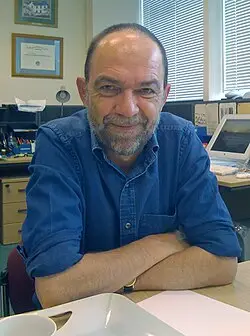
Ghuysen, a Belgian scientist at the University of Liege, was a pioneer in research on bacterial cell wall peptidoglycan structure and biosynthesis, coining the term 'peptidoglycan' in 1966, and elucidated how penicillin interacts with penicillin-binding proteins. He received the Gairdner International Award, the UNESCO Carlos J. Finlay Prize, and the Albert Einstein World Award of Science in 1997.
|
|
23 November 1996
|
Sir Alec John Jeffreys
|
male
|
Molecular Biology
|
United Kingdom
|
|
|
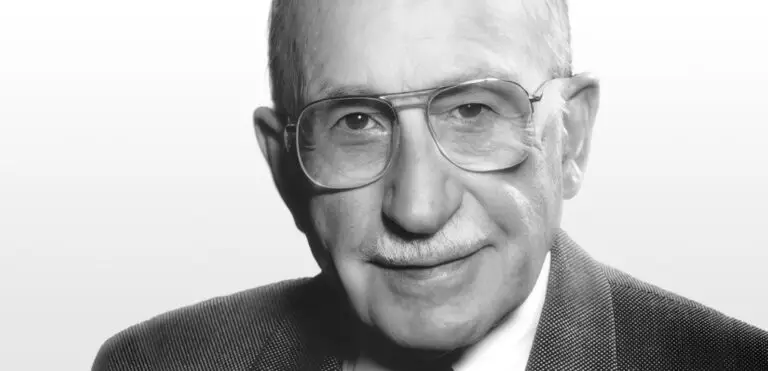
Jeffreys, professor of genetics at the University of Leicester, invented DNA fingerprinting and DNA profiling in 1984, revolutionizing forensic science, paternity testing, and immigration cases; his method helped convict Colin Pitchfork in the first murder case solved by DNA evidence. Knighted in 1994, he received the Albert Einstein World Award of Science in 1996 and the Copley Medal in 2014.
|
|
16 December 1995
|
Herbert H. Jasper
|
male
|
Brain Research
|
Mexico
|
|
|
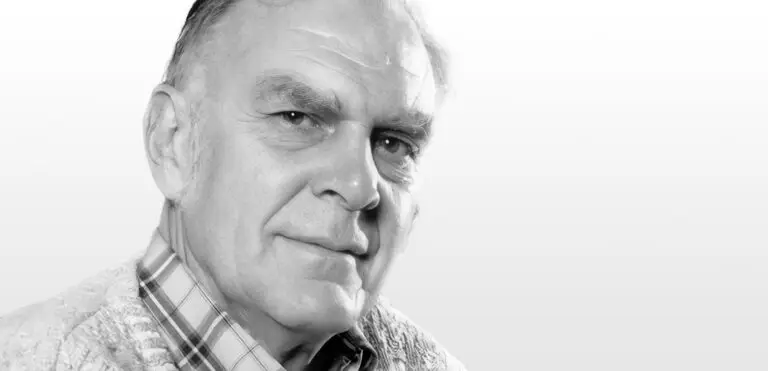
Jasper, a Canadian neurophysiologist, collaborated closely with Wilder Penfield at the Montreal Neurological Institute, McGill University, pioneering EEG-guided epilepsy surgery and advancing understanding of brain mechanisms underlying epilepsy. Author of over 350 publications, he received the Ralph W. Gerard Prize in Neuroscience (1981) and the Albert Einstein World Award of Science in 1995.
|
|
19 September 1994
|
Sherwood Rowland
|
male
|
Environmental Sciences
|
France
|
|
|
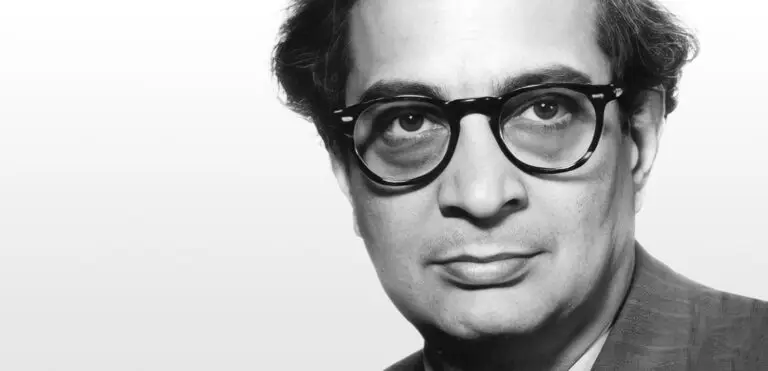
F. Sherwood Rowland, professor at UC Irvine, co-discovered with Mario Molina that chlorofluorocarbons (CFCs) deplete stratospheric ozone, published in Nature in 1974, work that led to the Montreal Protocol. He received the Nobel Prize in Chemistry in 1995 (shared with Molina and Paul Crutzen) and the Albert Einstein World Award of Science in 1994.
|
|
19 December 1993
|
Ali Javan
|
male
|
Optical Physics
|
Mexico
|
|
|
Javan, an Iranian-American physicist at MIT (formerly Bell Labs), invented the first gas laser, the helium-neon (HeNe) laser, in 1960, and pioneered optical heterodyne detection and precision laser-based measurements of the speed of light. Inducted into the National Inventors Hall of Fame (2006), he received the Albert Einstein World Award of Science in 1993.
|
|
19 November 1992
|
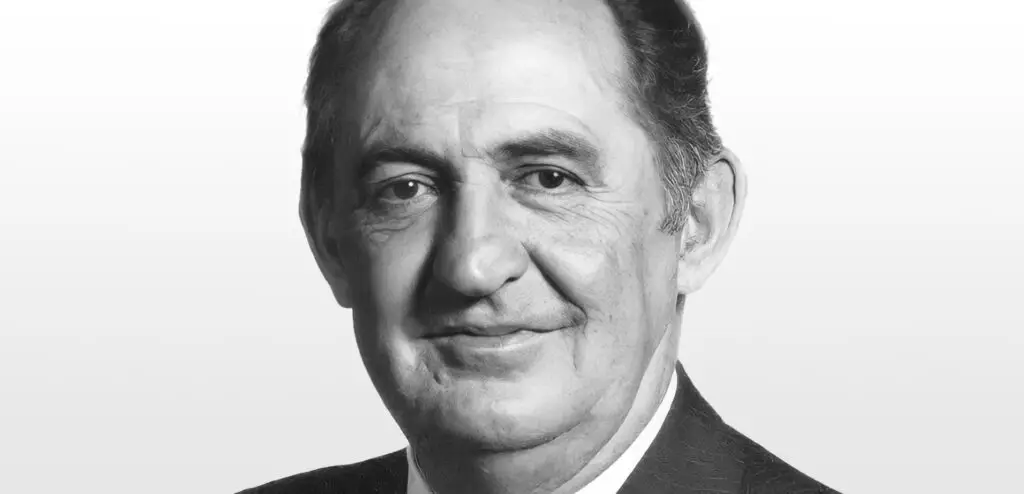
Raymond U . Lemieux
|
male
|
Organic Chemistry
|
Canada
|
|
|
Canadian organic chemist renowned for the first chemical synthesis of sucrose and foundational work on oligosaccharide synthesis, including discovery of the anomeric effect. He held professorships at the University of Saskatchewan, University of Ottawa, and University of Alberta, and founded biotech firms Chembiomed and R&L Molecular Research. Received the Albert Einstein World Award of Science in 1992.
|

|
21 November 1991
|
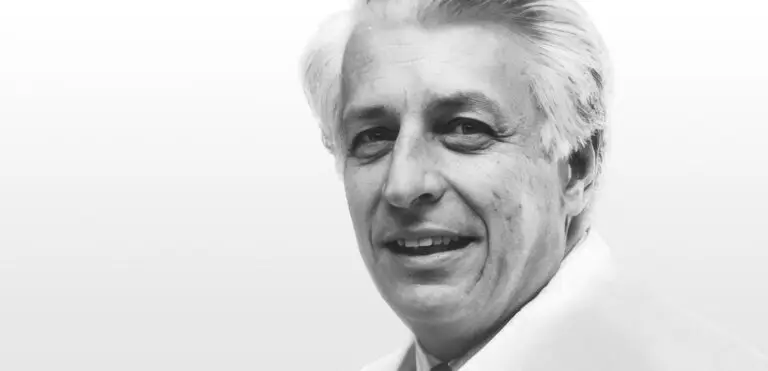
Albrecht Fleckenstein
|
male
|
Physiology
|
Australia
|
|
|
German pharmacologist and physiologist trained in Wurzburg and Vienna, widely regarded as the 'father of calcium antagonism.' In 1964 he demonstrated that prenylamine and verapamil inhibit excitation-contraction coupling by blocking calcium influx, founding the calcium-channel-blocker class of drugs that transformed cardiovascular medicine. He received the Ernst Jung Prize (1986) and the Albert Einstein World Award of Science in 1991.
|
|
20 November 1990
|
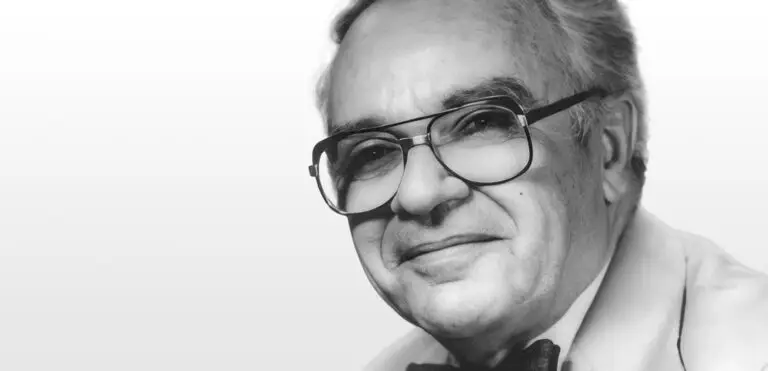
Gustav Nossal
|
male
|
Immunology
|
Switzerland
|
|
|
Australian immunologist known for research on antibody formation and immunological tolerance. He earned his PhD at the University of Melbourne (1960) and directed the Walter and Eliza Hall Institute of Medical Research from 1965 to 1996, also holding a professorship in medical biology at Melbourne. He led the International Union of Immunological Societies and WHO vaccine programs, and received the Albert Einstein World Award of Science in 1990.
|
|
08 November 1989
|
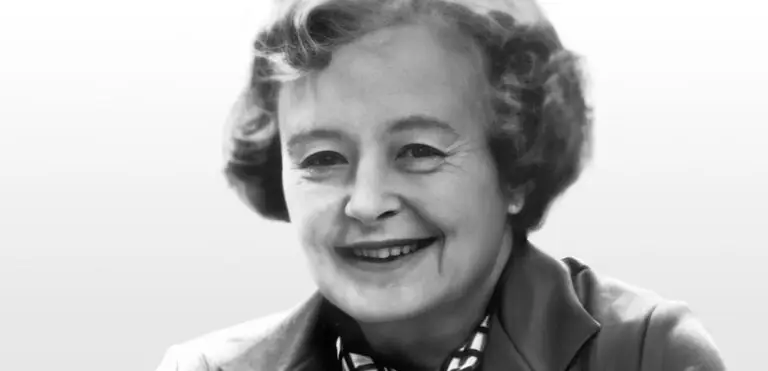
Martin Kamen
|
male
|
Biochemistry
|
United States
|
|
|
American chemist who, with Sam Ruben at UC Berkeley's Radiation Laboratory, co-discovered carbon-14 in 1940 and showed that oxygen released in photosynthesis originates from water, not carbon dioxide. Blacklisted from Berkeley in 1944 amid Cold War security suspicions, he later worked at Washington University, Brandeis, and UC San Diego. He received the Albert Einstein World Award of Science in 1989 and the Enrico Fermi Award in 1995.
|
|
19 November 1988
|
Margaret Burbidge
|
female
|
Astrophysics
|
Mexico
|
|
|
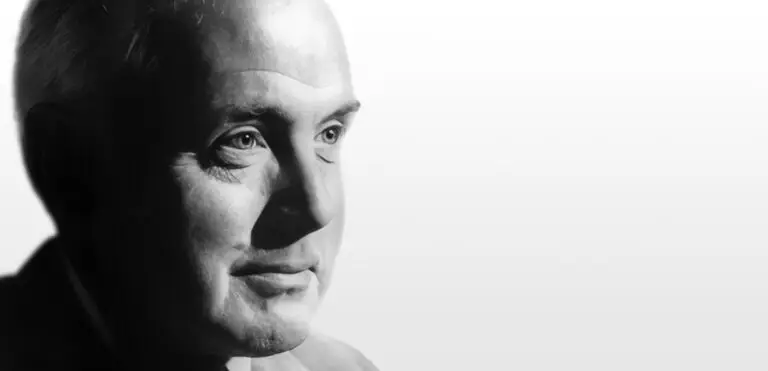
British-American observational astrophysicist and lead author of the landmark 1957 'B2FH' paper explaining how stars synthesize heavy elements. She later studied galaxy rotation curves, quasars, and black holes at UC San Diego, directed the Royal Greenwich Observatory (1973-1975), and helped build Hubble's Faint Object Spectrograph. President of the AAS and AAAS, she received the Albert Einstein World Award of Science in 1988.
|
|
26 November 1987
|
Hugh Huxley
|
male
|
Molecular Biology
|
Germany
|
|
|
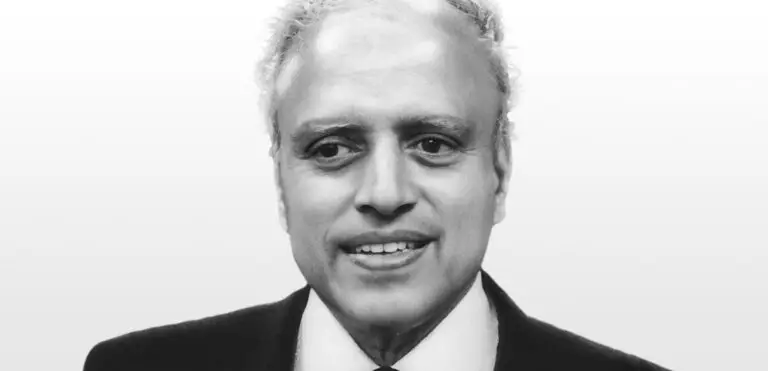
British molecular/structural biologist who, using X-ray diffraction and electron microscopy, co-discovered the sliding filament theory of muscle contraction in 1954 and later formulated the swinging cross-bridge hypothesis (1969). He worked at University College London, the MRC Laboratory of Molecular Biology (Deputy Director from 1979), and Brandeis University. He received the Albert Einstein World Award of Science in 1987.
|
|
6 November 1986
|
Monkombu Sambasivan Swaminathan
|
male
|
Agriculture
|
Mexico
|
|
|
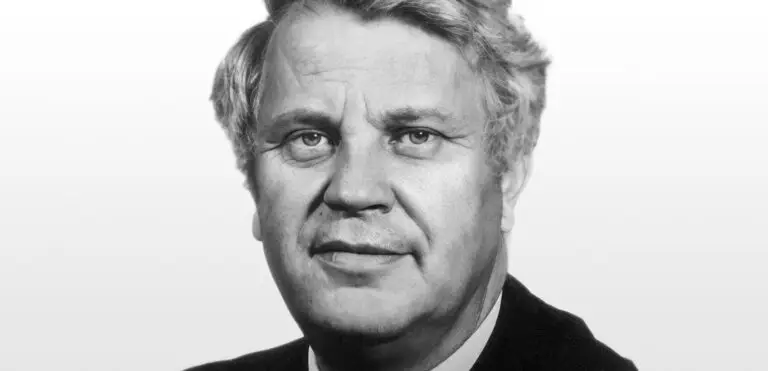
Indian geneticist and plant breeder known as the principal architect of India's Green Revolution, developing high-yielding, disease-resistant wheat and rice varieties that averted famine in the 1960s. He directed the Indian Agricultural Research Institute and later the International Rice Research Institute, and coined the term 'Evergreen Revolution.' He received the Albert Einstein World Award of Science in 1986 and, posthumously, India's Bharat Ratna (2024).
|
|
21 November 1985
|
Werner Stumm
|
male
|
Environmental Sciences
|
Sweden
|
|
|
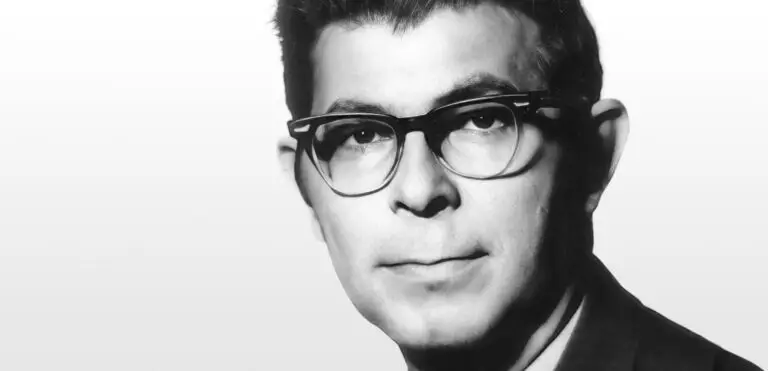
Swiss chemist who pioneered aquatic and environmental chemistry, studying reactions at mineral-water interfaces and how pH and surface charge govern mineral weathering. He earned his doctorate at the University of Zurich, taught at Harvard until 1969, then directed Switzerland's Federal Water Resources Institute (EAWAG) from 1970-1992. Co-author of the influential textbook 'Aquatic Chemistry,' he received the Albert Einstein World Award of Science in 1985.
|
|
29 November 1984
|
Ricardo Bressani
|
male
|
Nutrition
|
Mexico
|
|
|
Guatemalan food scientist and biochemist who spent his career at the Institute of Nutrition of Central America and Panama (INCAP), heading its Division of Agricultural and Food Sciences until 1993. He is best known for co-developing Incaparina, a low-cost corn-soy protein supplement combating malnutrition in Central America. A founding member of The World Academy of Sciences, he received the Albert Einstein World Award of Science in 1984.
|