|
2025
|
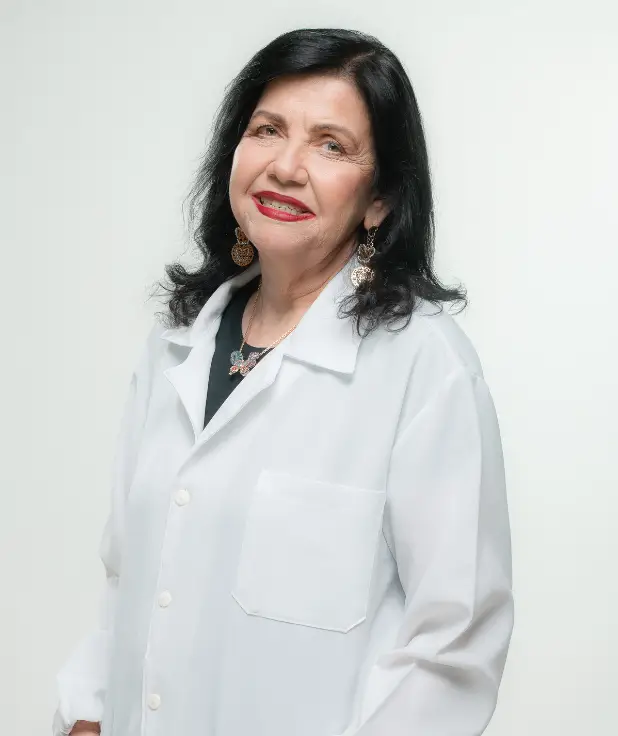
Mariangela Hungria
|
female
|
Soil microbiologist / agronomist (biological nitrogen fixation, microbial inoculants)
|
Brazil
|
|
|
Brazilian agronomist and microbiologist at Embrapa since 1982, Hungria pioneered biological nitrogen-fixation technologies using Bradyrhizobium and Azospirillum inoculants for soybean and other crops, eliminating the need for chemical nitrogen fertilizer on over 40 million hectares of Brazilian farmland. She has published 500+ papers and won the 2025 World Food Prize for her extraordinary scientific advancements in biological nitrogen fixation, transforming the sustainability of soil health and crop nutrition for tropical agriculture, the first Brazilian woman to do so.
|
|
2024
|
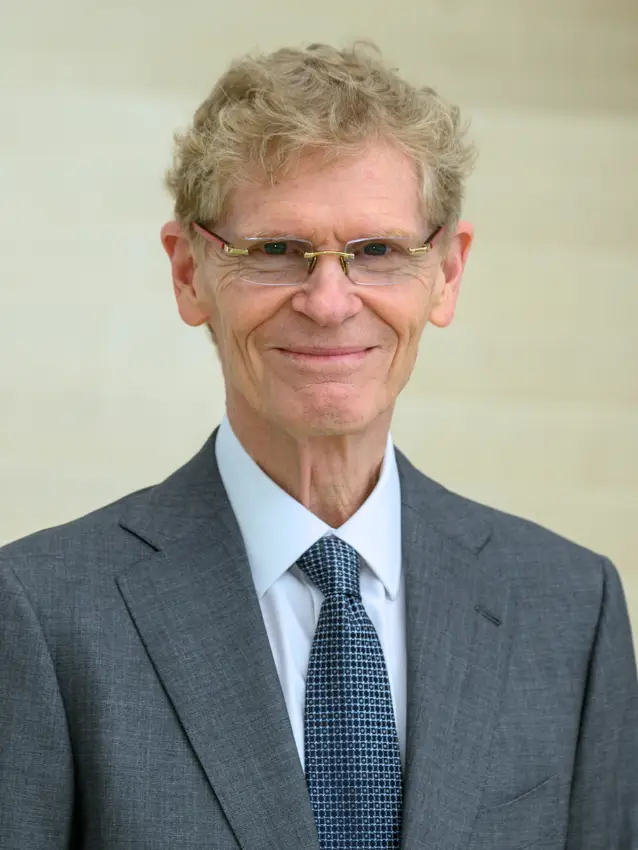
Cary Fowler
|
male
|
Agricultural scientist (crop genetic diversity / seed banking)
|
United States
|
|
|
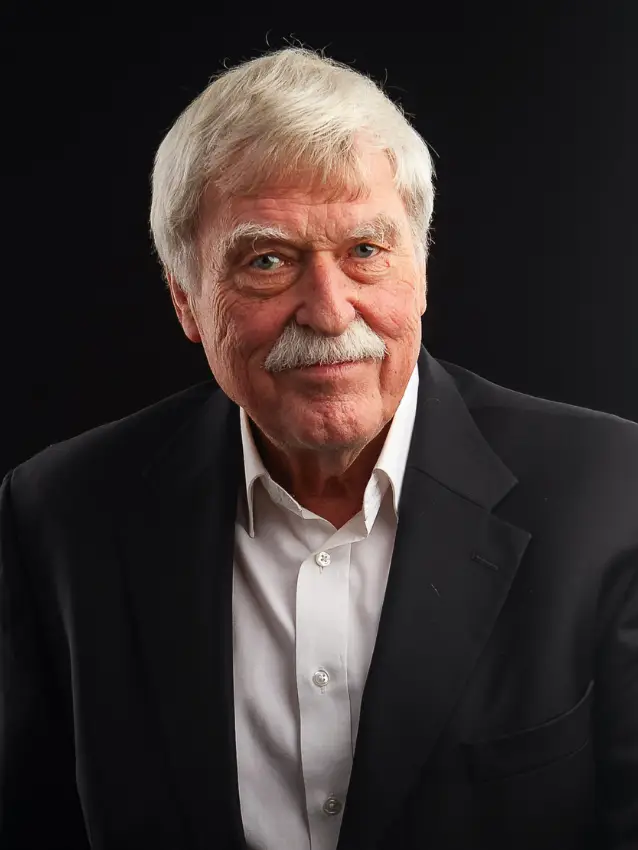
American agriculturalist known as 'father of the Svalbard Global Seed Vault.' As executive director of the Global Crop Diversity Trust (2005-2012), he helped rescue tens of thousands of unique crop varieties and led international plant genetic resources negotiations. Later served as U.S. Special Envoy for Global Food Security (2022-2025). Won the 2024 World Food Prize, shared with Geoffrey Hawtin.
|
|
2024
|
Geoffrey Hawtin
|
male
|
Agricultural scientist (plant genetic resources / crop breeding)
|
Canada, United Kingdom
|
|
|
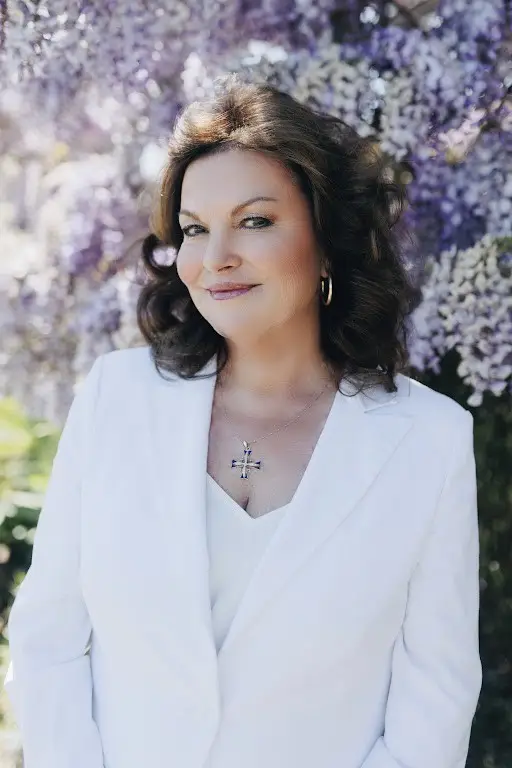
British-Canadian scientist who pioneered international breeding programs for chickpea, lentil, and faba bean at ICARDA, and led creation of the Global Crop Diversity Trust and Svalbard Global Seed Vault. Also worked with IPGRI, IDRC, and CIAT and helped negotiate the International Treaty on Plant Genetic Resources. Shared the 2024 World Food Prize with Cary Fowler for preserving crop biodiversity.
|
|
2023
|
Heidi Kühn
|
female
|
Landmine-clearance / humanitarian advocate (agricultural restoration in post-conflict zones)
|
United States
|
|
|
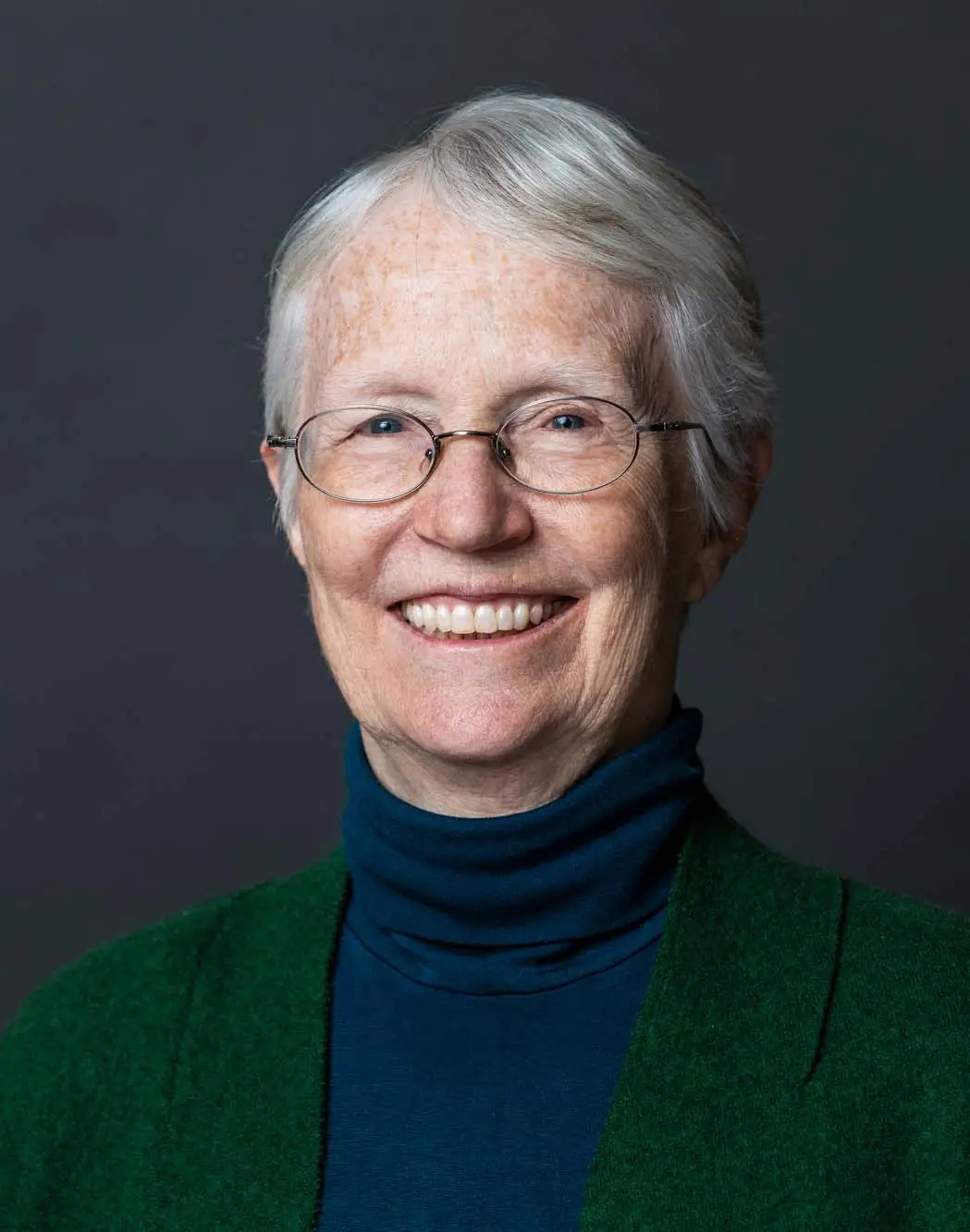
American founder and CEO of Roots of Peace (est. 1997), a nonprofit that has cleared over 100,000 landmines and unexploded ordnance and restored farmland to agricultural use across countries including Croatia, Afghanistan, Vietnam, and Iraq, planting tens of thousands of vines and fruit trees and benefiting over a million farmers. A UC Berkeley alumna, she won the 2023 World Food Prize.
|
|
2022
|
Cynthia Rosenzweig
|
male
|
Climate scientist (agriculture and climate impacts)
|
United States
|
|
|
American agronomist/climatologist who has headed the Climate Impacts Group at NASA's Goddard Institute for Space Studies since 1993 and founded the Agricultural Model Intercomparison and Improvement Project (AgMIP) in 2010. She pioneered research linking climate change and agriculture, contributed to the IPCC's Nobel Peace Prize-winning work, and won the 2022 World Food Prize.
|
|
2021
|
Shakuntala H. Thilsted
|
female
|
Nutrition scientist (aquatic food systems / fish-based nutrition)
|
Denmark, Trinidad And Tobago
|
|
|
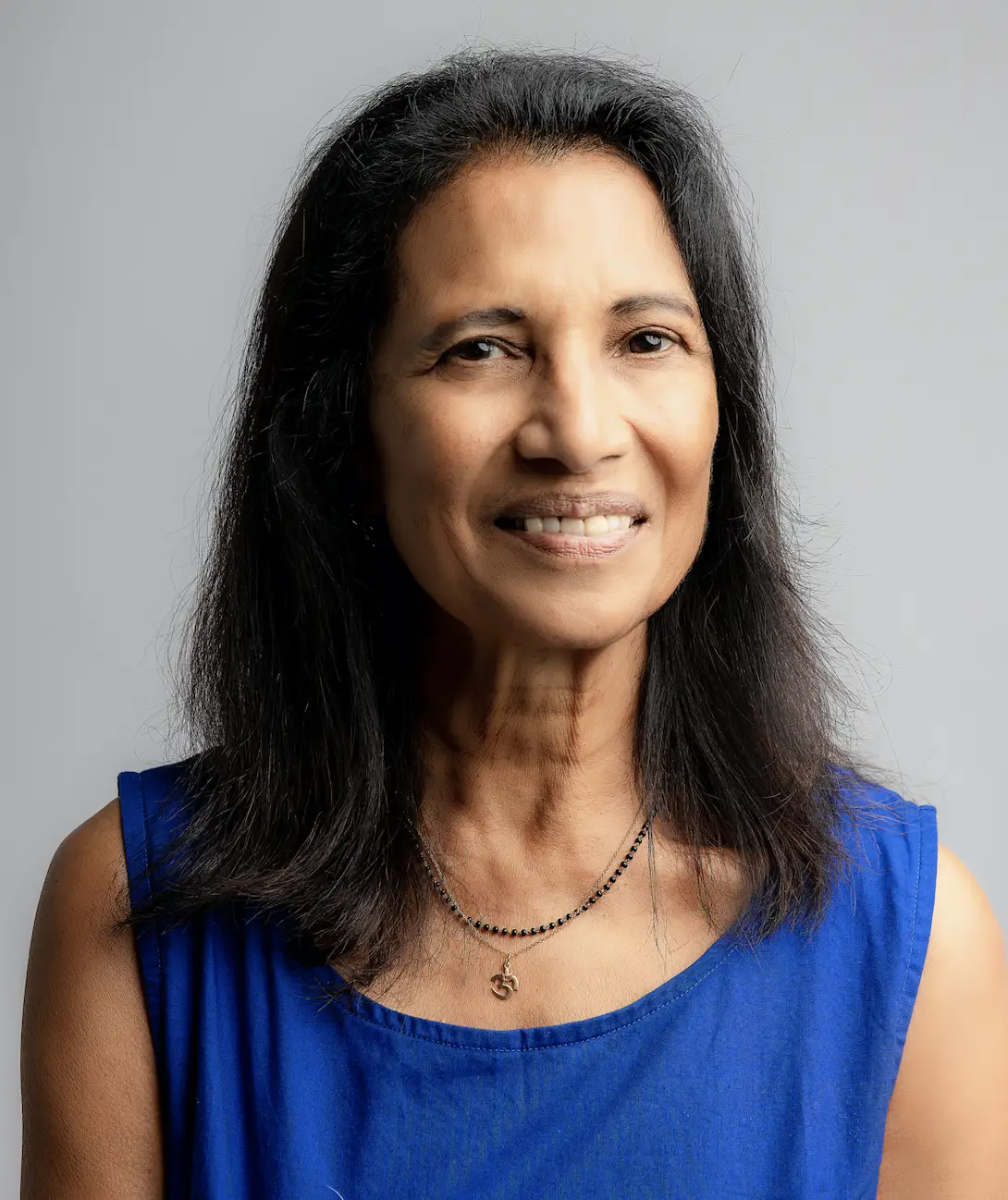
Trinidad-and-Tobago-born, Denmark-based nutrition scientist and WorldFish Global Lead for Nutrition and Public Health. She developed pond polyculture systems boosting fish productivity fivefold and demonstrated the micronutrient value of small native fish species, shaping food and nutrition policy in Bangladesh and beyond. Won the 2021 World Food Prize, the first woman of Asian heritage to do so.
|
|
2020
|
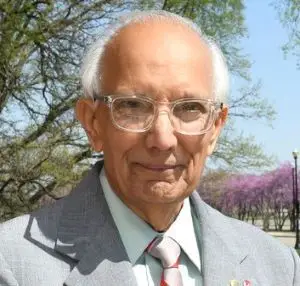
Rattan Lal
|
male
|
Soil scientist (regenerative/carbon-sequestering agriculture)
|
India, United States
|
|
|
Indian-American Distinguished Professor of Soil Science at Ohio State University, Lal pioneered soil-centric approaches to food security, climate resilience, and carbon sequestration, publishing over 1,000 journal articles. Former president of the International Union of Soil Science and a Padma Shri and Japan Prize recipient, he won the 2020 World Food Prize.
|
|
2019
|
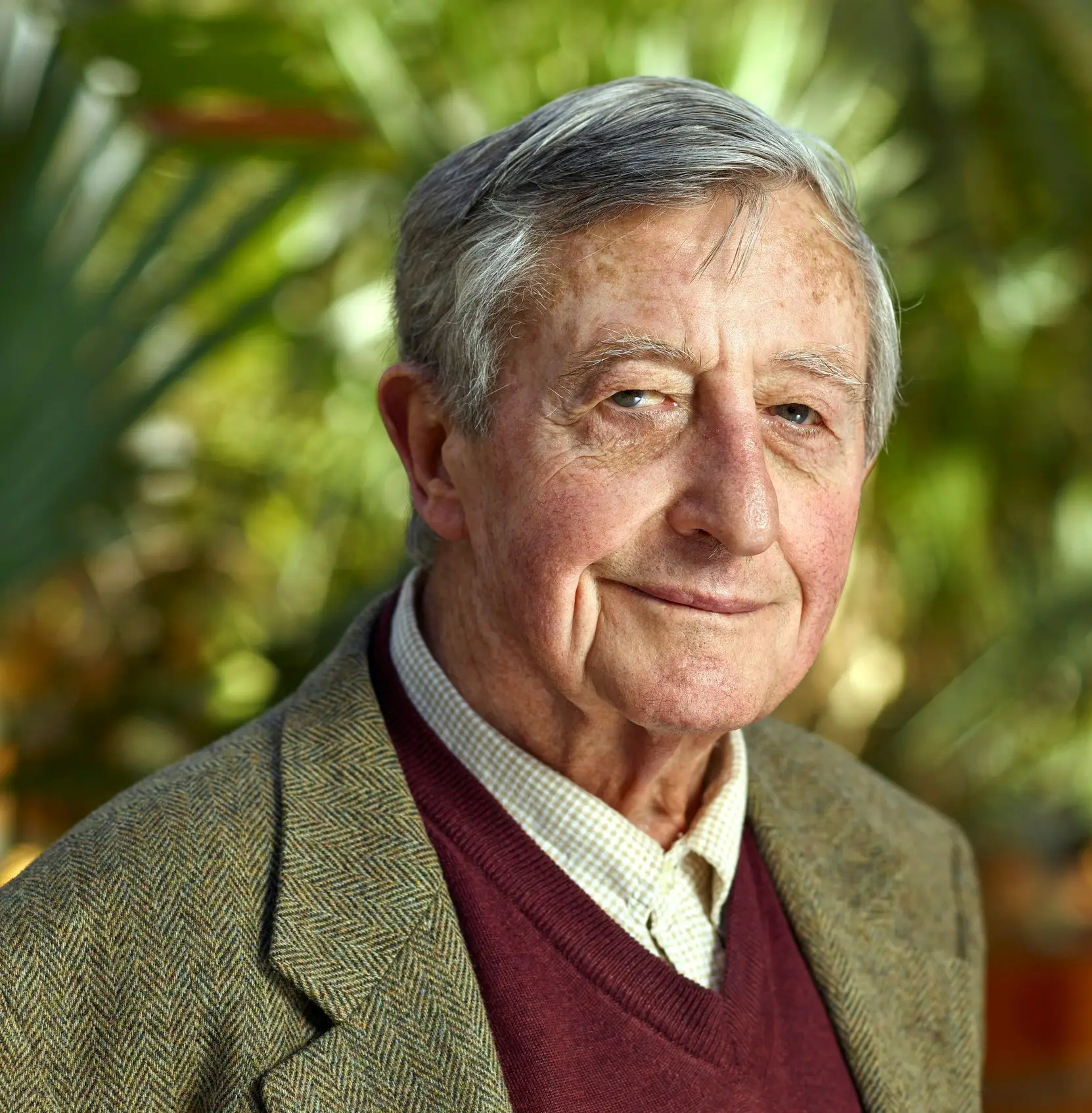
Simon N. Groot
|
male
|
Seed entrepreneur / agronomist (vegetable seed breeding)
|
Netherlands
|
|
|
Dutch agronomist and sixth-generation seedsman who founded East-West Seed in 1982, developing and distributing improved, disease-resistant hybrid vegetable seed varieties to smallholder farmers in over 60 developing countries, raising incomes for millions. He received the 2019 World Food Prize and died in 2025 at age 90.
|
|
2018
|
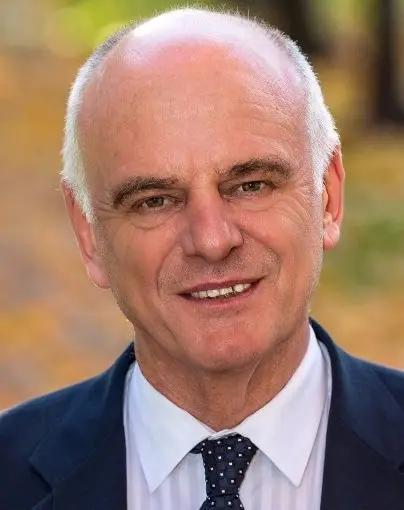
David Nabarro
|
male
|
Global public health physician (food security and nutrition policy)
|
United Kingdom, United Nations
|
|
|
British physician and international public health official ('Sir David Nabarro') who served as UN Coordinator for the High-Level Task Force on Global Food Security, coordinator of the Scaling Up Nutrition (SUN) Movement, and WHO Special Envoy on COVID-19 and Ebola. He shared the 2018 World Food Prize with Lawrence Haddad for leadership on maternal and child undernutrition, and died in July 2025.
|
|
2018
|
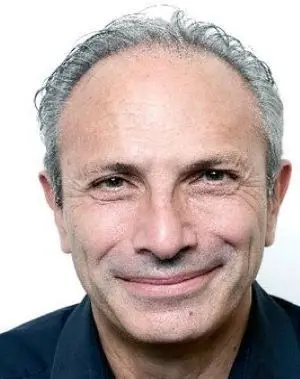
Lawrence Haddad
|
male
|
Development economist (nutrition and food systems policy)
|
South Africa, United Kingdom
|
|
|
British development economist, born in South Africa, who has served as Executive Director of the Global Alliance for Improved Nutrition (GAIN) since 2016 and previously directed the Institute of Development Studies. Co-founder of the Global Nutrition Report, he shared the 2018 World Food Prize with David Nabarro and was appointed CMG in 2023 for services to international nutrition and agriculture.
|
|
2017
|
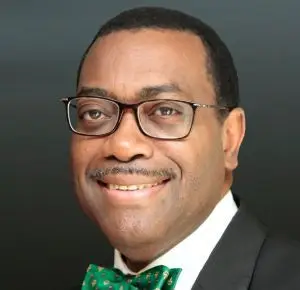
Akinwumi Adesina
|
male
|
Agricultural economist / development finance leader
|
Nigeria
|
|
|
Nigerian agricultural economist, President of the African Development Bank since 2015, and former Nigerian Minister of Agriculture (2011-2015). Holds a PhD in agricultural economics from Purdue University. Known for the 'E-Wallet' system delivering subsidized inputs to millions of farmers via mobile phones and for mobilizing large-scale agricultural financing across Africa. Won the World Food Prize in 2017.
|
|
2016
|
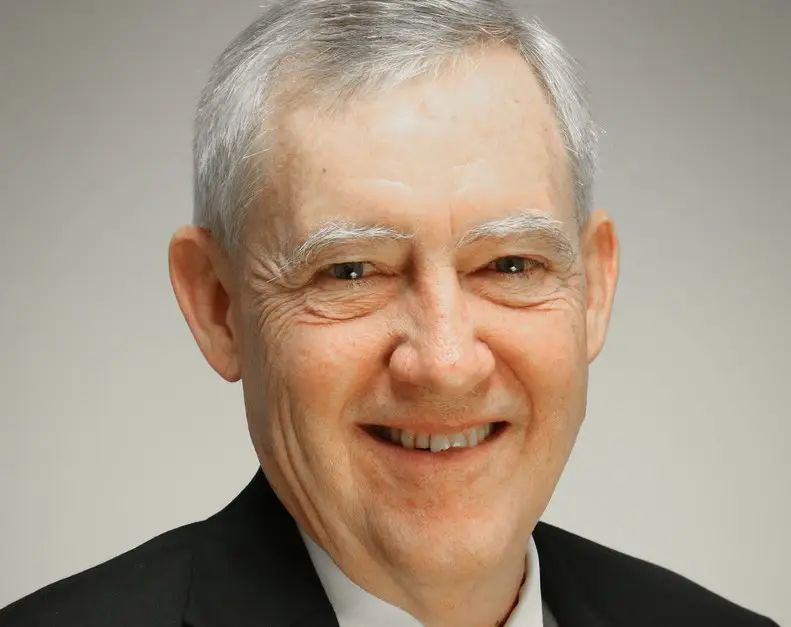
Howarth Bouis
|
male
|
Agricultural / development economist (biofortification pioneer)
|
United States
|
|
|
American economist who conceived and championed biofortification, breeding staple crops for higher micronutrient content. Educated at Stanford, he joined IFPRI in 1982 and founded and led HarvestPlus (from a 1993 IFPRI project, formally launched 2003), scaling biofortified crops to over 25 million people. Retired in 2016. Co-recipient of the 2016 World Food Prize with Andrade, Low, and Mwanga.
|
|
2016
|
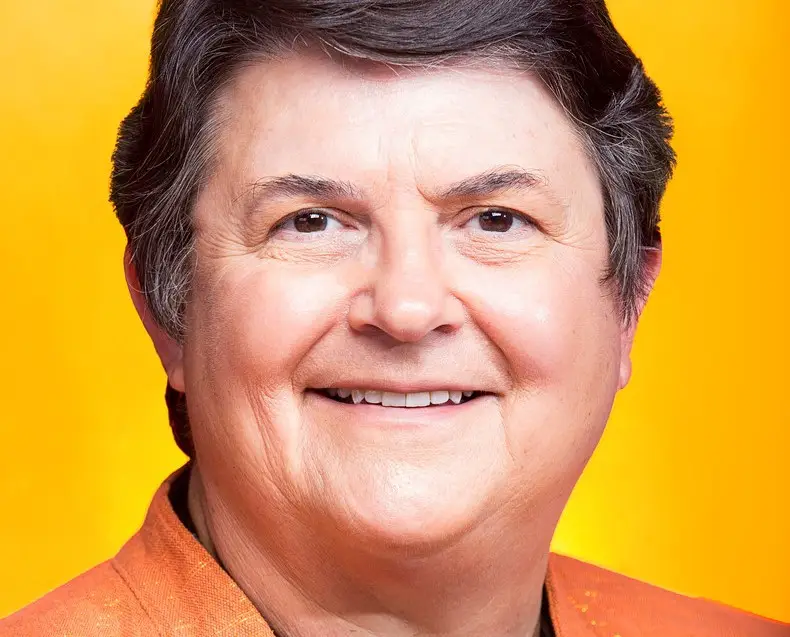
Jan Low
|
female
|
Agricultural economist / food scientist (sweetpotato biofortification)
|
United States
|
|
|
American agricultural economist born in Denver, Colorado, with a PhD in agricultural economics from Cornell University (1994). Worked at the CGIAR International Potato Center (CIP) in Nairobi, leading efforts to develop and disseminate vitamin A-rich orange-fleshed sweetpotato across sub-Saharan Africa. Co-recipient of the 2016 World Food Prize alongside Maria Andrade, Robert Mwanga, and Howarth Bouis.
|
|
2016
|
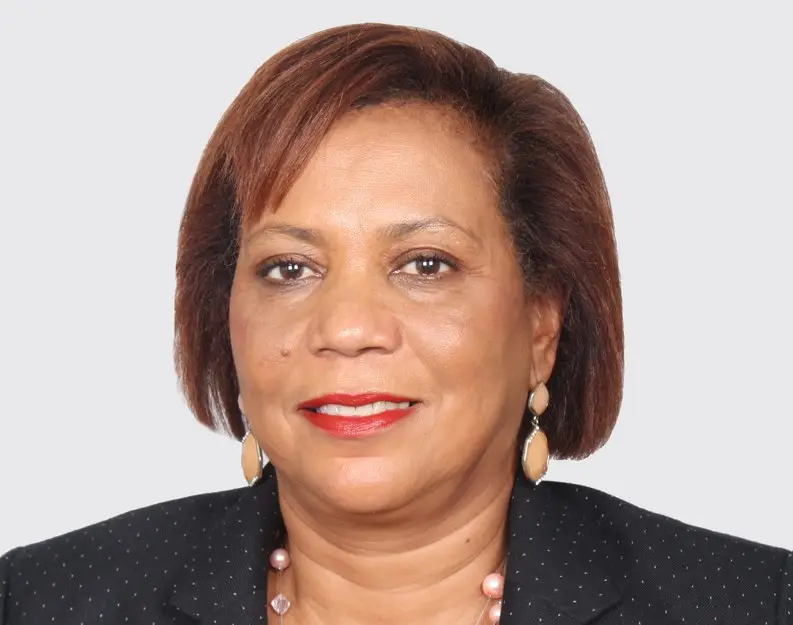
Maria Andrade
|
female
|
Plant breeder (sweetpotato / agronomist)
|
Cabo Verde
|
|
|
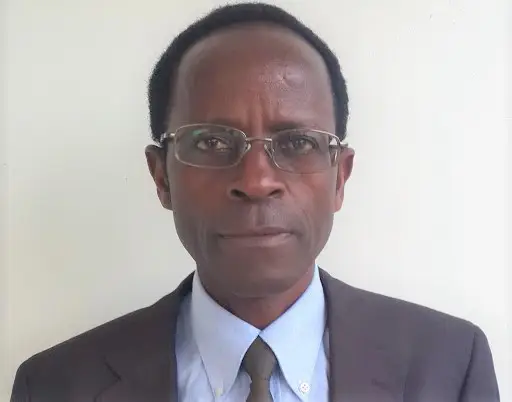
Cape Verdean scientist with a PhD in plant breeding from North Carolina State University (1994). Based in Mozambique with the International Potato Center (CIP) since 1996, she bred and released vitamin A-rich orange-fleshed sweetpotato varieties for African smallholders. Co-recipient of the 2016 World Food Prize; also received the 2017 M.S. Swaminathan Award for Environment Protection.
|
|
2016
|
Robert Mwanga
|
male
|
Plant breeder (sweetpotato)
|
Uganda
|
|
|
Ugandan agricultural scientist and plant breeder who developed disease-resistant, better-tasting orange-fleshed sweetpotato (OFSP) varieties rich in vitamin A, working with the National Crops Resources Research Institute (Uganda) and the International Potato Center (CIP). By 2014 over 30% of Ugandan farmers grew his OFSP varieties. Co-recipient of the 2016 World Food Prize.
|
|
2015
|
|
male
|
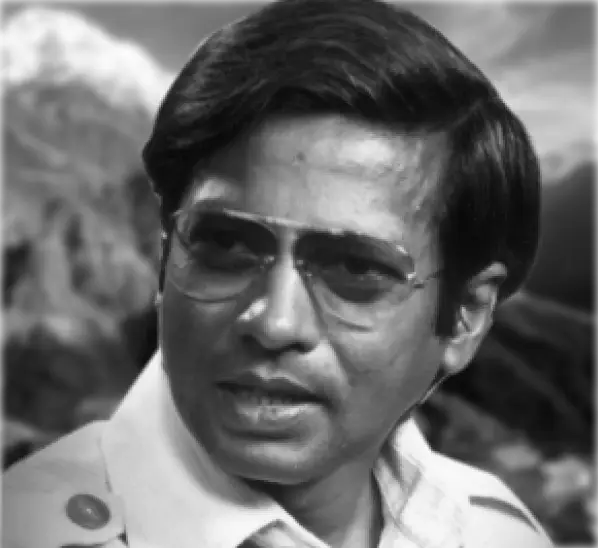
Development leader, social entrepreneur; founder of BRAC
|
Bangladesh
|
|
|
A former Shell Oil executive, Abed founded BRAC in 1972 in response to Bangladesh's 1970 cyclone and liberation-war devastation, building it into one of the world's largest NGOs, working on poverty alleviation, microfinance, health, and education. He received the Ramon Magsaysay Award for Community Leadership (1980) for his pioneering rural relief and rehabilitation work.
|
|
2014
|
|
male
|
Wheat breeder / plant scientist
|
India, Mexico
|
|
|
Indian-born, later Mexican-naturalized wheat scientist. Joined CIMMYT in Mexico in 1969, working alongside Norman Borlaug, and became CIMMYT's wheat program director/director general. Developed over 480 bread wheat varieties released in 51 countries, grown on more than 58 million hectares, substantially boosting global wheat production. Won the World Food Prize in 2014 for developing 480 varieties of disease resistant wheat and increasing global production by 200 million tons. Dr. Sanjaya Rajaram was awarded the Padma Bhushan posthumously.
|
|
2013
|
Marc Van Montagu
|
male
|
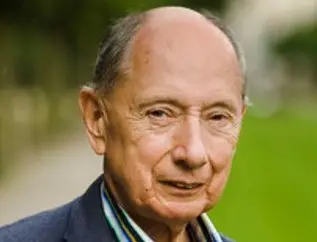
Molecular biologist / plant biotechnologist
|
Belgium
|
|
|
Belgian molecular biologist, professor and director of the Laboratory of Genetics at Ghent University. Co-discovered the Ti plasmid and the Agrobacterium gene-transfer mechanism, foundational to plant genetic engineering, enabling pest- and herbicide-resistant crops. Founded IPBO to promote biotechnology in developing countries. Co-recipient of the 2013 World Food Prize with Mary-Dell Chilton and Robert Fraley.
|
|
2013
|
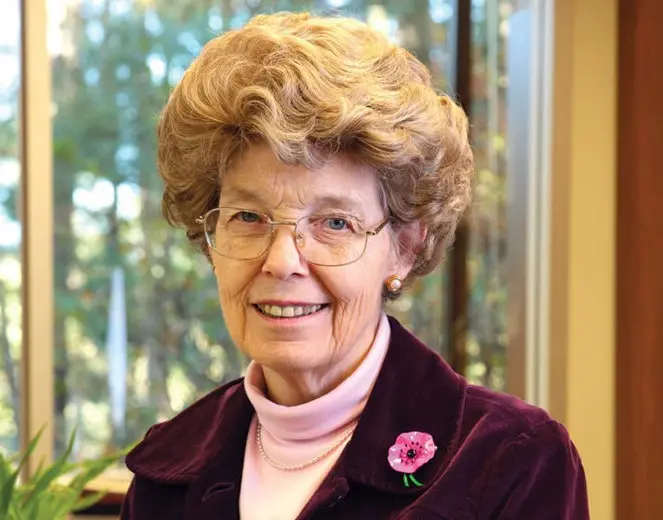
Mary-Dell Chilton
|
female
|
Biochemist / plant biotechnology pioneer
|
United States
|
|
|
American biochemist, PhD from University of Illinois Urbana-Champaign. At Washington University in St. Louis in the late 1970s-80s, she showed Agrobacterium Ti plasmid DNA integrates into plant DNA and developed a 'disarmed' plasmid vector, enabling creation of the first transgenic plants (1983), earning her the nickname 'queen of Agrobacterium.' Later a longtime executive at Syngenta Biotechnology. Co-recipient of the 2013 World Food Prize. Died June 2026.
|
|
2013
|
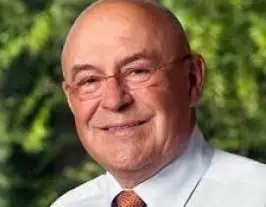
Robert Fraley
|
male
|
Agricultural biotechnologist / plant molecular biologist
|
United States
|
|
|
American scientist, PhD in microbiology/biochemistry from University of Illinois (1979). Joined Monsanto in 1983, where he helped develop Agrobacterium-mediated gene transfer to create the first genetically modified crops, later serving as Executive VP and Chief Technology Officer. Retired from Monsanto (then Bayer) in 2018. Co-recipient of the 2013 World Food Prize with Marc Van Montagu and Mary-Dell Chilton.
|
|
2012
|
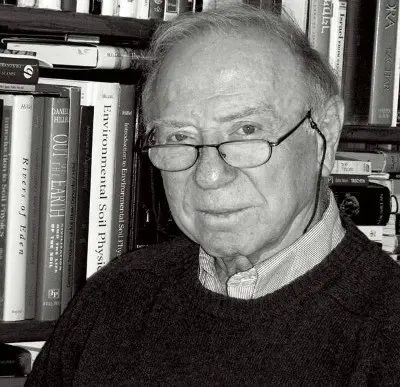
Daniel Hillel
|
male
|
Soil physicist / agronomist (micro-irrigation and dryland farming pioneer)
|
Israel
|
|
|
Israeli-American soil and water scientist who pioneered micro-irrigation techniques that boosted crop yields while conserving water in arid regions. He advised agricultural development projects in over 30 countries, worked with NASA's Goddard Institute for Space Studies on climate/land interactions, and authored many influential books on soil physics and sustainable agriculture. Won the World Food Prize in 2012 for his lifelong contributions to water-efficient farming.
|

|
2011
|
John Kufuor
|
male
|
Former President of Ghana (lawyer/politician)
|
Ghana
|
|
|
Served as Ghana's President from 2001-2009, overseeing strong economic growth and launching the National Health Insurance Scheme, free maternal healthcare, and poverty-reduction programs (LEAP, MASLOC). He chaired the African Union (2007-2008) and secured major U.S. Millennium Challenge Account funding. Awarded the 2011 World Food Prize jointly with Luiz Inacio Lula da Silva for visionary national leadership in reducing hunger and poverty.
|
|
2011
|
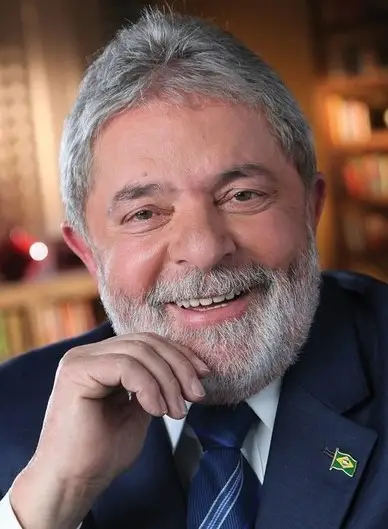
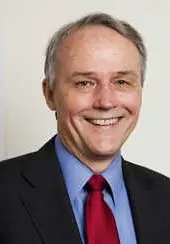
Luiz Inácio Lula da Silva
|
male
|
President of Brazil (former metalworker/trade unionist and politician)
|
Brazil
|
|
|
A former metalworker and union leader who co-founded Brazil's Workers' Party, Lula served as President from 2003-2010 (and again from 2023), lifting millions out of poverty through programs like Bolsa Familia and Fome Zero (Zero Hunger). He shared the 2011 World Food Prize with John Kufuor for national leadership combating hunger, and was separately named the UN World Food Programme's 'World Champion in the Fight against Hunger' in 2010.
|
|
2010
|
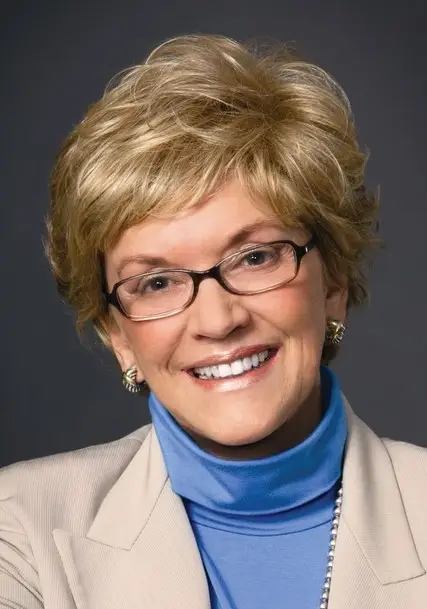
David M. Beckmann
|
male
|
Anti-hunger advocate / Lutheran pastor and economist
|
United States
|
|
|
An ordained Lutheran minister and former World Bank economist, Beckmann served as president of Bread for the World, a Christian anti-hunger advocacy organization, from 1991 to 2020, leading policy campaigns on U.S. and global food security. He also coordinated the Circle of Protection and authored several books on faith, poverty, and development. He shared the 2010 World Food Prize with Jo Luck for grassroots and policy leadership against hunger.
|
|
2010
|
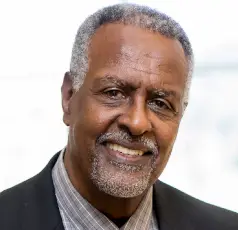
Jo Luck
|
female
|
Nonprofit executive (former President/CEO of Heifer International)
|
United States
|
|
|
Jo Luck led Heifer International as President and CEO from 1992 to 2011, expanding its livestock-and-training model for sustainable rural livelihoods into dozens of countries and reaching millions of families. Earlier she was the first woman in an Arkansas governor's cabinet, directing the state's Department of Parks and Tourism. She shared the 2010 World Food Prize with David Beckmann for her work fighting hunger and poverty; she died in November 2025.
|
|
2009
|
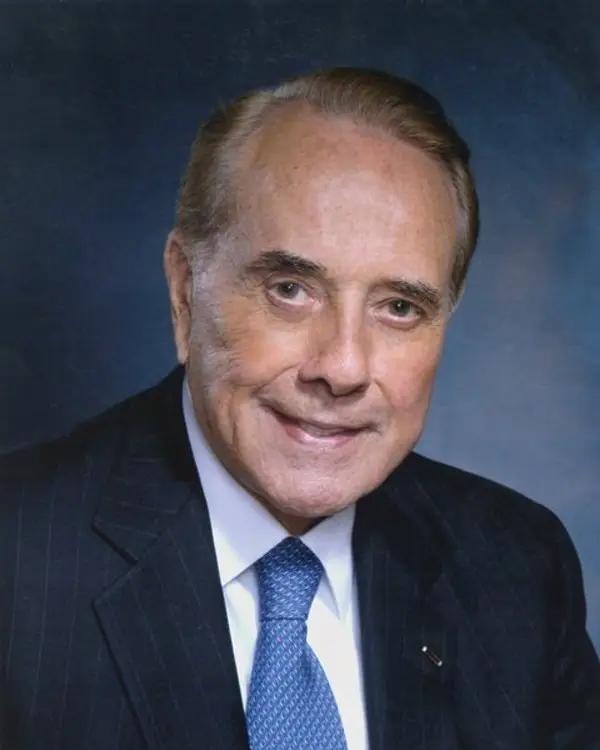
Gebisa Ejeta
|
male
|
Sorghum breeder / plant geneticist
|
Ethiopia
|
|
|
An Ethiopian-American plant geneticist and Purdue University professor, Ejeta developed Africa's first commercially viable drought-tolerant, high-yielding hybrid sorghum varieties in the early 1980s and discovered the chemical mechanism behind sorghum's vulnerability to the parasitic Striga weed, enabling resistant varieties. Appointed to USAID's food-security board by President Obama, he won the 2009 World Food Prize and the 2023 National Medal of Science.
|
|
2008
|
Bob Dole
|
male
|
U.S. Senator / anti-hunger policy advocate (statesman, not a scientist)
|
United States
|
|
|
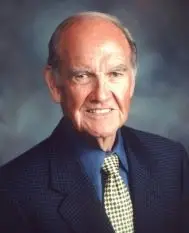
A World War II veteran and longtime Republican U.S. Senator from Kansas (1969-1996), Dole served as Senate Majority Leader, chaired the Senate Finance Committee, and was the 1996 Republican presidential nominee. Alongside Democratic Senator George McGovern, he championed international school feeding efforts, co-creating the McGovern-Dole International Food for Education program. The two jointly received the 2008 World Food Prize for these hunger-relief efforts.
|
|
2008
|
George McGovern
|
male
|
U.S. Senator / anti-hunger policy advocate (statesman, not a scientist)
|
United States
|
|
|
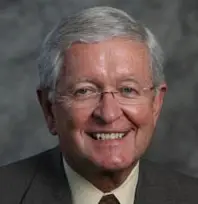
A South Dakota Democrat, McGovern served in the U.S. House and Senate, directed the Food for Peace program under Kennedy, chaired the Senate Select Committee on Nutrition and Human Needs, and was the 1972 Democratic presidential nominee. Later serving as UN Ambassador on food and agriculture, he partnered with Bob Dole to establish the McGovern-Dole International Food for Education and Child Nutrition Program, earning the shared 2008 World Food Prize.
|
|
2007
|
Philip E. Nelson
|
male
|
Food scientist (bulk aseptic processing and packaging)
|
United States
|
|
|
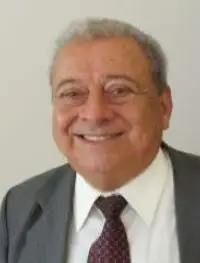
A Purdue University food science professor, Nelson pioneered bulk aseptic processing and packaging technology that allows sterile storage and shipping of fruits, vegetables, and juices without refrigeration, greatly reducing food waste and spoilage worldwide. He served as president of the Institute of Food Technologists and had Purdue's food science building named in his honor. He won the 2007 World Food Prize for his work on aseptic food storage.
|
|
2006
|
Alysson Paolinelli
|
male
|
Agronomist and Brazilian Minister of Agriculture
|
Brazil
|
|
|
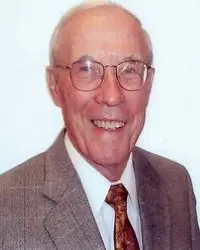
A Brazilian agronomic engineer, Paolinelli served as Brazil's Minister of Agriculture from 1974 to 1979 and was a key architect of the scientific and policy program that transformed the Cerrado savanna into highly productive cropland, turning Brazil into an agricultural superpower. He shared the 2006 World Food Prize with A. Colin McClung and Edson Lobato for this Cerrado transformation, and remained active in Brazilian agribusiness institutions until his death in 2023.
|
|
2006
|
Andrew Colin McClung
|
male
|
Soil scientist (Cerrado agriculture)
|
United States
|
|
|
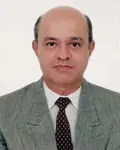
American agronomist who identified the soil deficiencies (acidity, aluminum toxicity, micronutrient deficiencies) limiting crop production in Brazil's Cerrado savanna and developed dolomitic-lime-based correction methods. Shared the 2006 World Food Prize with Edson Lobato and Alysson Paolinelli for transforming the Cerrado into productive farmland, helping make Brazil a global agricultural power.
|
|
2006
|
Edson Lobato
|
male
|
Agronomist / soil fertility scientist (Cerrado agriculture)
|
Brazil
|
|
|
Brazilian soil scientist with EMBRAPA (Brazilian Agricultural Research Corporation), particularly its Cerrado Center (1975-2004), who researched phosphate and lime applications to correct Cerrado soils. Co-authored the standard reference 'Cerrado: Soil Correction and Fertilization.' Shared the 2006 World Food Prize with Colin McClung and Alysson Paolinelli for enabling the Cerrado's transformation into major farmland, helping Brazil become a leading food exporter.
|
|
2005
|
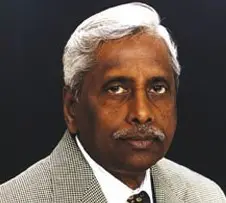
Modadugu Vijay Gupta
|
male
|
Aquaculture scientist (fisheries biologist)
|
India
|
|
|
Indian aquaculture scientist called a pioneer of Asia's 'blue revolution.' As a researcher/Assistant Director General at WorldFish (Malaysia), he developed and disseminated low-cost freshwater fish (tilapia) farming techniques for the rural poor across Asia, Africa, and the Pacific. Won the World Food Prize in 2005; also received the Sunhak Peace Prize (2015) and India's Padma Shri (2023).
|
|
2004
|
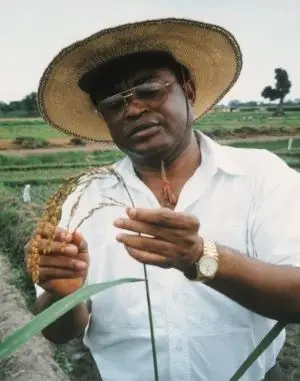
Monty Jones
|
male
|
Rice breeder / plant scientist ("father of NERICA")
|
Sierra Leone
|
|
|
Sierra Leonean plant breeder who, while at WARDA (now AfricaRice), led the team that crossed Asian and African rice species to create NERICA (New Rice for Africa), a higher-yielding, more protein-rich, faster-maturing rice. Shared the 2004 World Food Prize with Yuan Longping. Later served as Sierra Leone's Minister of Agriculture and founding Executive Director of FARA (Forum for Agricultural Research in Africa).
|
|
2004
|
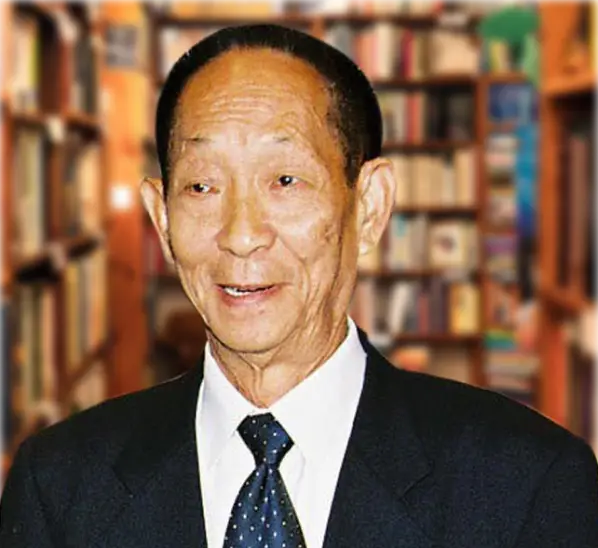
|
male
|
Agricultural Scientist (Agronomist)
|
China
|
|
|
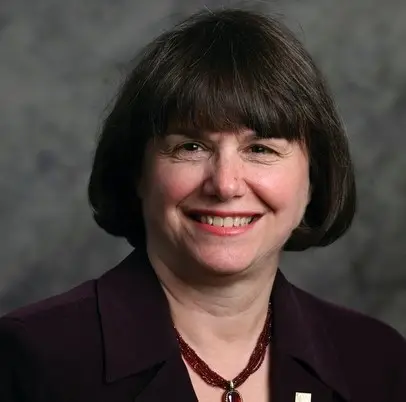
Known as the Father of Hybrid Rice, this Chinese agronomist discovered male-sterile rice plants that solved the challenge of hybridizing self-pollinating rice, developing high-yield hybrid and later super rice varieties that boosted yields 20-30% and helped feed roughly one-fifth of the world's population. He shared his research internationally through the International Rice Research Institute. Won the 2001 Magsaysay Award for Government Service; also won the 2004 World Food Prize.
|
|
2003
|
Catherine Bertini
|
female
|
Food policy / UN administrator (humanitarian relief executive)
|
United Nations
|
|
|
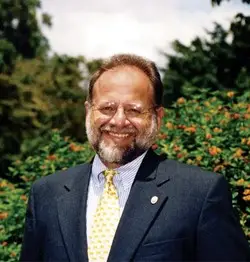
American public servant who served as Executive Director of the UN World Food Programme (1992-2002), directing major relief operations in North Korea, Afghanistan, Bosnia, Kosovo, and the Horn of Africa. Won the 2003 World Food Prize. Later served as UN Under-Secretary-General for Management (2003-2005) and taught at Syracuse University's Maxwell School.
|
|
2002
|
Pedro A. Sanchez
|
male
|
Soil scientist / agroforestry researcher (tropical soils)
|
United States
|
|
|
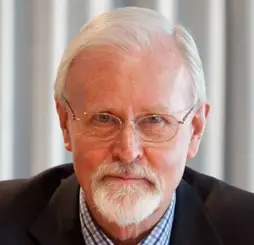
Cuban-American soil scientist renowned for restoring fertility to depleted tropical soils in Latin America and Africa. Directed the World Agroforestry Centre (ICRAF, 1991-2001) and co-chaired the UN Millennium Project's Hunger Task Force; later at Columbia University's Earth Institute. Won the 2002 World Food Prize; also a MacArthur Fellow (2003) and National Academy of Sciences member. Died January 2026.
|
|
2001
|
Per Pinstrup-Andersen
|
male
|
Food policy economist
|
Denmark
|
|
|
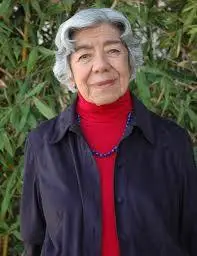
Danish-American agricultural economist who served as Director General of the International Food Policy Research Institute (IFPRI, 1992-2002) and later held the Babcock Professorship at Cornell University. Won the 2001 World Food Prize for research enabling governments to reform food subsidy programs and expand food access to the poor, laying groundwork for 'Food For Education' initiatives.
|
|
2000
|
Evangelina Villegas
|
female
|
Cereal chemist / biochemist (quality protein maize)
|
Mexico
|
|
|
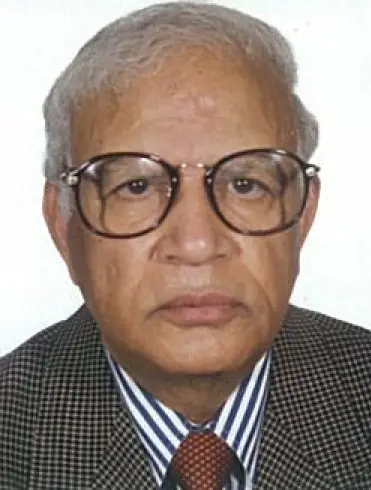
Mexican biochemist at CIMMYT who led biochemical/lab work evaluating grain and protein quality in developing Quality Protein Maize (QPM), a nutritionally enhanced corn combating malnutrition. Shared the 2000 World Food Prize with Surinder Vasal, becoming the first woman to receive the prize. CIMMYT later named a laboratory in her honor.
|
|
2000
|
Surinder Vasal
|
male
|
Plant geneticist / maize breeder (quality protein maize)
|
India
|
|
|
Indian geneticist who spent about 35 years at CIMMYT (Mexico) collaborating with Evangelina Villegas to breed Quality Protein Maize (QPM), boosting both nutritional value and yield to combat malnutrition. Shared the 2000 World Food Prize with Villegas. A Fellow of the National Academy of Agricultural Sciences; received India's Padma Shri award in January 2025.
|
|
1999
|
Walter Plowright
|
male
|
Veterinary virologist (rinderpest vaccine developer)
|
United Kingdom
|
|
|
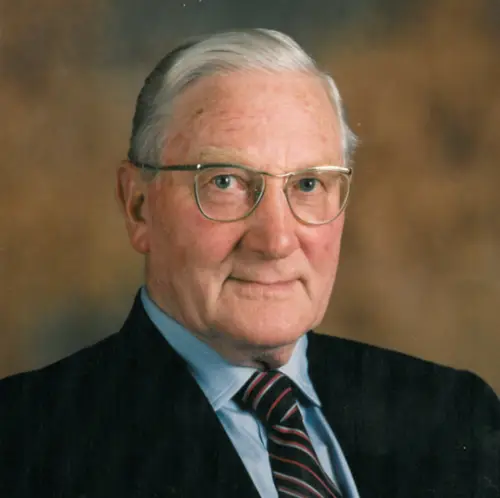
British veterinary scientist who developed a live, attenuated tissue-culture rinderpest vaccine (TCRV) using cell-culture techniques while working in Kenya and Nigeria. He later led microbiology research at the UK's Institute for Animal Health/Pirbright. His vaccine enabled the global eradication of rinderpest (cattle plague), the first animal disease ever eradicated. Received the 1999 World Food Prize.
|
|
1998
|
Badrinarayan Ramulal Barwale
|
male
|
Seed entrepreneur (hybrid seed industry pioneer)
|
India
|
|
|
Founder of Maharashtra Hybrid Seeds Company (Mahyco) in 1964, considered the 'father of the Indian seed industry.' He pioneered production and distribution of affordable, high-yield hybrid seeds (including cotton, sorghum, and later Bt cotton) and agronomic training to farmers across India. Received the World Food Prize in 1998 for for improving commercial access to high quality seeds throughout India and India's Padma Bhushan in 2001.
|
|
1997
|
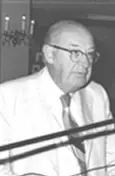
Perry Adkisson
|
male
|
Entomologist (integrated pest management)
|
United States
|
|
|
American entomologist and administrator who, with Ray F. Smith, pioneered integrated pest management (IPM) through the 'Huffaker Project,' reducing US insecticide use by roughly 50%. He was a professor and department head at Texas A&M and later served as Chancellor of the Texas A&M University System. Shared the 1997 World Food Prize with Ray F. Smith; also won the 1994 Wolf Prize in Agriculture.
|
|
1997
|
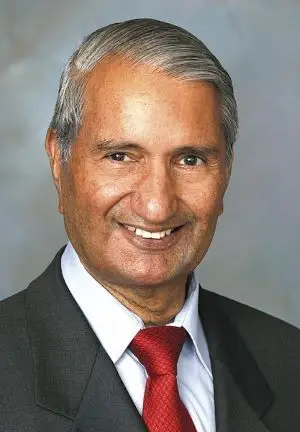
Ray F. Smith
|
male
|
Entomologist (integrated pest management pioneer)
|
United States
|
|
|
UC Berkeley entomologist who championed an ecological, non-chemical-first approach to pest control, chairing Berkeley's Entomology Department (1959-1973) and editing the Annual Review of Entomology for 17 years. Co-developed integrated pest management with Perry Adkisson via the multi-university Huffaker Project. Shared the 1997 World Food Prize with Adkisson.
|
|
1996
|
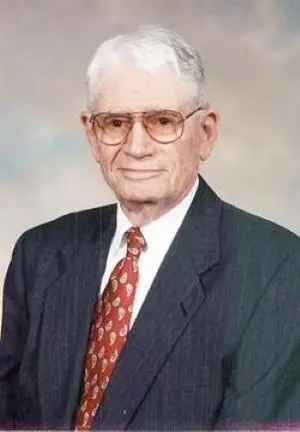
Gurdev Khush
|
male
|
Rice breeder / geneticist
|
India
|
|
|
Plant geneticist who spent over three decades (1967-2002) at the International Rice Research Institute (IRRI) in the Philippines, developing more than 300 high-yielding, disease-resistant rice varieties that helped drive the Green Revolution and nearly tripled global rice production. Shared the 1996 World Food Prize with Henry Beachell. Now professor emeritus, UC Davis.
|
|
1996
|
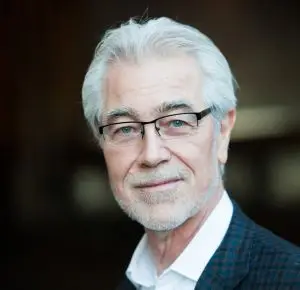
Henry Beachell
|
male
|
Rice breeder
|
United States
|
|
|
American plant breeder who developed nine rice varieties for USDA/Texas that came to dominate US long-grain rice production, then joined IRRI in the Philippines in 1963, where he bred IR8 ('miracle rice,' released 1966), a semi-dwarf, high-yield variety that dramatically raised Asian rice yields and helped avert famine. Shared the 1996 World Food Prize with Gurdev Khush.
|
|
1995
|
Hans Rudolf Herren
|
male
|
Entomologist (biological pest control)
|
Switzerland
|
|
|
Swiss entomologist who, at the International Institute of Tropical Agriculture (IITA) in Nigeria, led a biological control program that introduced a parasitic wasp to combat the cassava mealybug across Africa, averting an estimated famine affecting millions. Won the 1995 World Food Prize and 2003 Tyler Prize. Later founded the Biovision Foundation (1998) and headed the Millennium Institute; now advocates for agroecology.
|
|
1994
|
|
male
|
Economist and banker
|
Bangladesh
|
|
|
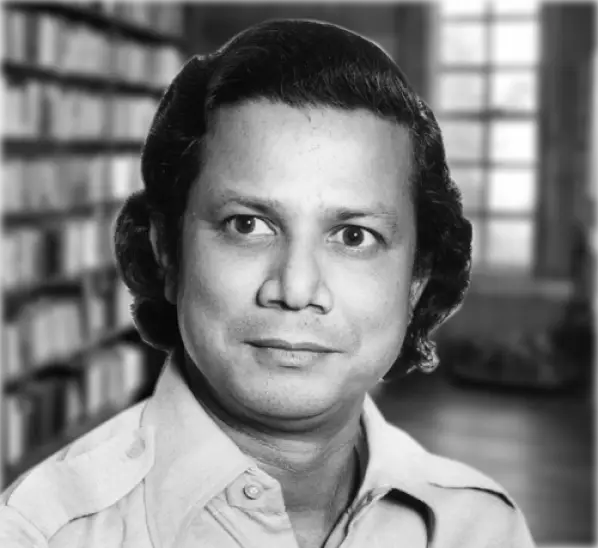
Bangladeshi economist who pioneered microcredit, founding Grameen Bank in 1983 to extend small collateral-free loans to the rural poor, reaching over 100,000 villagers by the time of his award. He won the 1984 Ramon Magsaysay Award for Community Leadership, and later the 2006 Nobel Peace Prize. He also served as Bangladesh's Chief Adviser (interim head of government) from 2024-2026.
|
|
1993
|
He Kang
|
male
|
Chinese agriculture minister / administrator
|
China
|
|
|
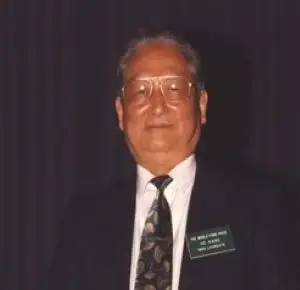
Chinese Communist Party official who served as China's Minister of Agriculture, Animal Husbandry and Fisheries (1983-1988) and Minister of Agriculture (1988-1990), overseeing major agricultural reforms and output growth during the 1980s. Received the 1993 World Food Prize. Also served as vice president of the China Association for Science and Technology and on the CCP Central Committee.
|
|
1992
|
Edward F. Knipling
|
male
|
Entomologist (screwworm eradication via sterile insect technique)
|
United States
|
|
|
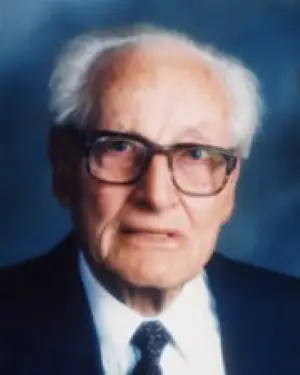
USDA entomologist who, with Raymond Bushland, conceived and developed the Sterile Insect Technique (SIT), used to eradicate the screwworm fly from the US and elsewhere, protecting livestock and agriculture worldwide. Shared the 1992 World Food Prize with Bushland. Also received the National Medal of Science and Japan Prize; called by the New York Times one of the most original scientific ideas of the 20th century.
|
|
1992
|
Raymond Bushland
|
male
|
Entomologist (co-developed the sterile insect technique for screwworm eradication)
|
United States
|
|
|
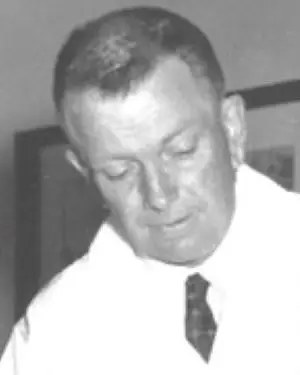
A USDA entomologist who, with Edward F. Knipling, developed the sterile insect technique, sterilizing male screwworm flies with radiation to collapse wild populations. This eradicated the New World screwworm from Florida by 1958 and the entire U.S. by 1982, saving the livestock industry billions. He also researched anti-typhus measures during WWII. Shared the 1992 World Food Prize with Knipling.
|
|
1991
|
Nevin S. Scrimshaw
|
male
|
Nutritionist / food scientist
|
United States
|
|
|
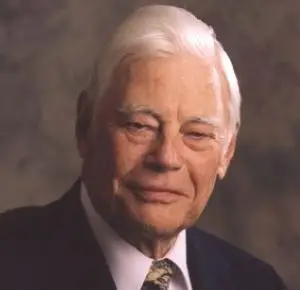
Founder of MIT's Department of Nutrition and Food Science and of the Institute of Nutrition of Central America and Panama (INCAP). Developed low-cost, locally sourced protein-rich food supplements (e.g., Incaparina) to combat malnutrition in developing countries, working extensively in Guatemala and India. Authored numerous books on nutrition. Received the World Food Prize in 1991.
|
|
1990
|
John Niederhauser
|
male
|
Plant pathologist (potato late blight resistance)
|
United States
|
|
|
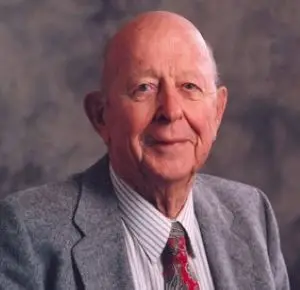
Known as 'Mr. Potato,' Niederhauser spent nearly 60 years researching potato diseases in Mexico. He identified and bred late-blight-resistant potato varieties using wild Solanum demissum from the Toluca Valley, dramatically boosting global potato yields and disease resistance. His work helped make potatoes the world's fourth most important staple crop. Received the 1990 World Food Prize.
|
|
1989
|
|
male
|
Dairy engineer and cooperative-movement social entrepreneur
|
India
|
|
|
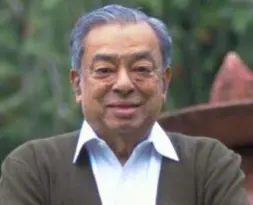
Known as the Father of the White Revolution, Kurien built Amul (Kaira District Cooperative) into a national dairy cooperative model and later chaired the National Dairy Development Board, making India the world's largest milk producer. He shared the 1963 Ramon Magsaysay Award for Community Leadership with Tribhuvandas Patel and Dara Khurody for transforming India's dairy industry through farmer cooperatives and received the World Food Prize in 1989.
|
|
1988
|
Robert F. Chandler
|
male
|
Agronomist / horticulturist (rice research administrator)
|
United States
|
|
|
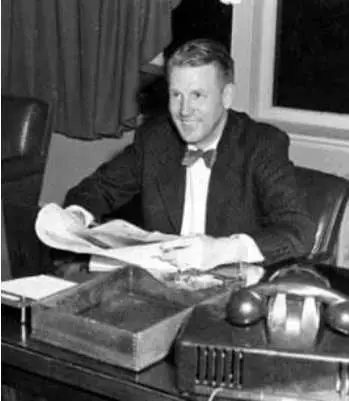
Founding director of the International Rice Research Institute (IRRI) in the Philippines (1959-1972), where his leadership enabled development of high-yielding rice varieties (including IR8) that drove Asia's Green Revolution and Philippine rice self-sufficiency by 1968. Later became first Director General of the Asian Vegetable Research and Development Center. Received the 1988 World Food Prize.
|
|
1987
|
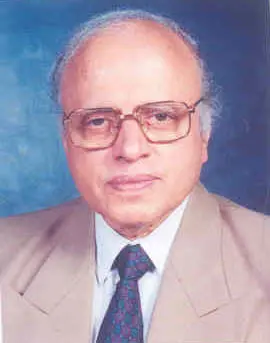
Dr. Monkombu Sambasiva Swaminathan
|
male
|
Geneticist, Plant Breeder, Humanitarian
|
India
|
|
|
Swaminathan was a global leader of the green revolution. He has been called the main architect of the green revolution in India for his leadership and role in introducing and further developing high-yielding varieties of wheat and rice. Swaminathan's collaborative scientific efforts with Norman Borlaug, spearheading a mass movement with farmers and other scientists and backed by public policies, saved India and Pakistan from certain famine-like conditions in the 1960s. His leadership as director general of the International Rice Research Institute (IRRI) in the Philippines was instrumental in his being awarded the first World Food Prize in 1987, recognized as one of the highest honours in the field of agriculture.
|